The Tourist

Joyful celebration of traditional Ghanaian dance by adults in vibrant attire outdoors.

Tanzanian Traditional Dance Experiences: A Rhythmic Journey Into Culture

Tanzania’s vibrant culture comes alive through its traditional dances, each step echoing the stories, celebrations, and history of its people. Incorporating a traditional dance experience into your safari adventure offers a unique way to connect with local communities and immerse yourself in their rich heritage. Here’s what you need to know about Tanzanian traditional dance experiences and why they’re a must on your journey. 1. The Essence of Tanzanian Traditional Dances Traditional dances in Tanzania are deeply rooted in the country’s diverse cultures, with over 120 ethnic groups contributing to a colorful array of styles. These dances often mark significant life events, from weddings and harvests to rites of passage and spiritual ceremonies. Key Themes of Tanzanian Dances: Storytelling: Dances are used to pass down history and teach moral lessons. Celebration: Many dances are performed during festivals, marking joyous occasions. Unity: Dance brings communities together, fostering a sense of belonging and shared identity. 2. Iconic Tanzanian Dances to Witness or Join Here are some of the most popular traditional dances you might encounter during your visit: Ngoma: Found across many regions, Ngoma is a general term for traditional drumming and dance, often performed during ceremonies and celebrations. Makonde Dance: Practiced by the Makonde people of southern Tanzania, this energetic dance involves acrobatics and storytelling. Maasai Jumping Dance (Adumu): Performed by Maasai warriors, this captivating dance involves high jumps and rhythmic chants, symbolizing strength and unity. Sukuma Snake Dance: A mesmerizing performance by the Sukuma people, this dance often features daring stunts, including handling live snakes. Tingatinga Dances: Inspired by coastal Swahili culture, these dances incorporate graceful movements and vibrant music influenced by Arab and Indian traditions. 3. Dance as a Cultural Experience Tanzanian traditional dance experiences go beyond watching performances; they are an invitation to participate and learn. Village Dance Encounters: Many safari tours include visits to local villages where you can watch and join traditional dances performed by community members. Interactive Workshops: Some lodges and cultural centers offer dance workshops where you can learn basic steps and the cultural significance behind each movement. Festivals and Celebrations: Timing your visit during cultural festivals, like the Mwaka Kogwa in Zanzibar or harvest celebrations in the mainland, provides an authentic glimpse into these traditions. 4. Dance and Music: A Perfect Pair Traditional Tanzanian dances are inseparable from music, which often features drums, flutes, string instruments, and vocals. The drum (ngoma) is particularly significant, setting the rhythm and energy for most performances. Live Performances: Enjoy live drumming sessions that accompany dances, often held at cultural lodges or local events. Traditional Instruments: Learn about the instruments used in Tanzanian music, such as the zeze (a string instrument) or ilimba (a thumb piano). 5. Supporting Local Communities Through Dance Tourism Participating in traditional dance experiences is more than entertainment; it’s a way to support local communities. Economic Impact: Your participation helps generate income for local performers and artists. Cultural Preservation: Tourism encourages communities to sustain their cultural traditions and pass them on to future generations. Cultural Exchange: Engaging with local dancers fosters mutual understanding and respect between travelers and Tanzanian communities. 6. Where to Experience Traditional Tanzanian Dances Ngorongoro and Serengeti: Visit Maasai villages to witness the iconic jumping dances during a cultural tour. Lake Eyasi: Combine your visit to the Hadza or Datoga tribes with traditional dance performances. Zanzibar: Enjoy coastal Swahili dances, often performed during festivals or at cultural centers. Dar es Salaam: Cultural centers and events in the bustling city showcase a variety of Tanzanian dances. Why Choose Future African Safari for Your Dance Experience? At Future African Safari, we believe in creating immersive cultural experiences that go beyond the ordinary. Our curated dance encounters connect you with the rhythm, stories, and joy of Tanzanian traditions, ensuring a meaningful and unforgettable addition to your safari. Step into the heart of Tanzanian culture and dance to the beat of its traditions. Book your adventure today! Customize Your Adventure Kilimanjaro 3 tours Safari 9 tours Zanzibar 3 tours
Tanzanian Traditional Dance Experiences: A Rhythmic Journey Into Culture Read More »

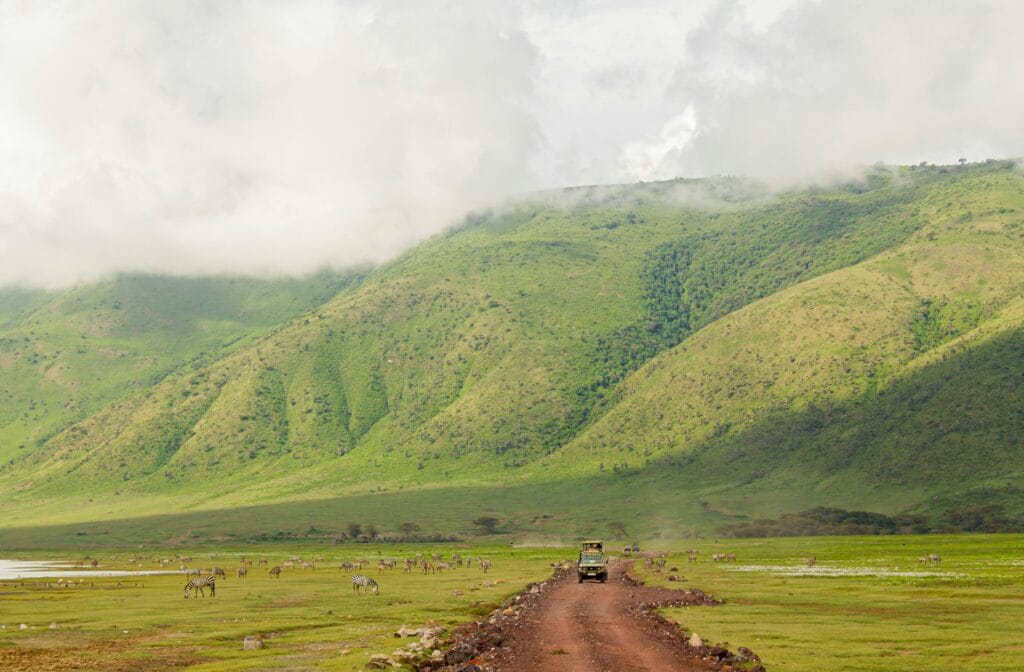
A jeep drives through the dusty roads of an African savanna surrounded by trees and open landscape.

Safari Tour

A safari tour in Tanzania is the quintessential African adventure, offering incredible wildlife encounters, stunning landscapes, and cultural experiences. Future African Safari designs bespoke safari tours that cater to travelers seeking an unforgettable journey into the heart of Africa’s most iconic destinations. Top Safari Destinations in Tanzania Serengeti National ParkFamous for the Great Wildebeest Migration, the Serengeti is home to the Big Five and an array of other wildlife. Its vast plains provide the perfect setting for game drives and photography. Highlights: Lion prides, cheetahs, and endless savannahs. Ngorongoro CraterA natural wonder teeming with wildlife, the Ngorongoro Crater offers unparalleled safari experiences with the chance to see black rhinos, elephants, and an abundance of predators. Highlights: Black rhinos, flamingos, and breathtaking vistas. Tarangire National ParkKnown for its large elephant herds and majestic baobab trees, Tarangire is a quieter but equally rewarding safari destination. Highlights: Elephant migration and birdwatching. Lake Manyara National ParkThis park’s diverse ecosystem includes alkaline lakes, dense woodlands, and open plains. It’s famous for its tree-climbing lions and vibrant birdlife. Highlights: Flamingos, hippos, and scenic beauty. Selous Game Reserve (Nyerere National Park)Offering a remote and off-the-beaten-path experience, Selous features river safaris, walking tours, and abundant wildlife. Highlights: Boat safaris and diverse habitats. What’s Included in a Safari Tour Game Drives: Morning and evening excursions to maximize wildlife sightings. Expert Guides: Knowledgeable guides who provide insights into animal behavior and ecosystems. Luxury Accommodations: Comfortable lodges, tented camps, or eco-lodges in prime wildlife areas. Cultural Visits: Optional tours to meet local communities and learn about their traditions. Types of Safari Tours Family Safaris: Designed with activities and accommodations that suit all ages. Honeymoon Safaris: Romantic getaways with private lodges and candlelit dinners. Photography Safaris: Tailored for photographers with opportunities for exclusive wildlife shots. Adventure Safaris: Include walking tours, hot air balloon rides, or off-road adventures. Best Time to Go The dry season (June to October) is ideal for game viewing, as animals gather near water sources. The green season (November to May) offers lush landscapes, migratory birds, and fewer crowds, making it perfect for nature lovers. A safari tour with Future African Safari promises a seamless blend of adventure, comfort, and discovery. Whether it’s your first safari or a return journey, each tour is crafted to leave you with unforgettable memories of Tanzania’s spectacular wildlife and landscapes. Customize Your Adventure Kilimanjaro 3 tours Safari 9 tours Zanzibar 3 tours
Safari Tour Read More »

A lion lounging peacefully in the grasslands of Tanzania backlit by warm sunlight.

Tanzania Big Five Safari Tours: Ultimate Wildlife Experience

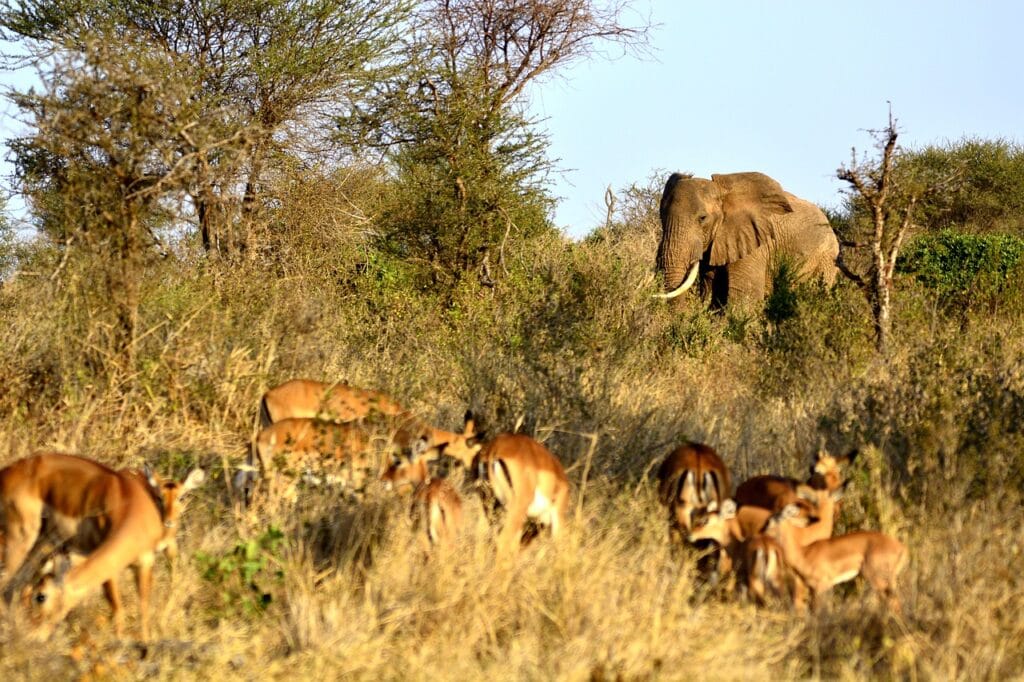
Tanzania Big Five safari tours offer one of the most thrilling wildlife experiences in Africa. Whether you’re a seasoned traveler or a first-time safari-goer, these tours give you the chance to witness the famous Big Five animals—lions, elephants, rhinos, buffalo, and leopards—in their natural habitat. With guided safaris through some of Tanzania’s top national parks, you’re in for an adventure of a lifetime. Tanzania Big Five safari tours offer one of the most thrilling wildlife experiences in Africa. Whether you’re a seasoned traveler or a first-time safari-goer, these tours give you the chance to witness the famous Big Five animals—lions, elephants, rhinos, buffalo, and leopards—in their natural habitat. With guided safaris through some of Tanzania’s top national parks, you’re in for an adventure of a lifetime.   Best National Parks for Big Five Safari Tours Tanzania is home to some of the most iconic wildlife parks, including Serengeti, Ngorongoro Crater, and Tarangire, all of which offer excellent opportunities to spot the Big Five animals. The Serengeti is renowned for its vast plains and large populations of lions, leopards, and buffalo. The Ngorongoro Crater, a UNESCO World Heritage site, offers one of the best places to spot rhinos, while Tarangire National Park is famous for its elephant herds. The Big Five Safari Experience A Tanzania Big Five safari is not just about seeing these amazing animals; it’s about immersing yourself in the incredible landscapes and learning about the natural ecosystems that sustain them. Whether you’re witnessing the annual wildebeest migration in Serengeti or enjoying a peaceful morning game drive in Ngorongoro, every moment is an unforgettable experience. Lions in Serengeti The Serengeti is home to one of the largest populations of lions in Africa. These majestic predators roam the vast savannas, making them a common sight for visitors. The park also offers the chance to see lion prides, often with cubs, giving you a unique opportunity to observe their social behavior. Elephants in Tarangire Tarangire National Park is famous for its huge herds of elephants. During the dry season, elephants migrate to the park’s waterholes, providing a fantastic opportunity to observe them up close. Tarangire’s ancient baobab trees also create a stunning backdrop for your safari experience. Rhinos in Ngorongoro Crater While rhinos are harder to spot in the wild, Ngorongoro Crater offers one of the best opportunities to see them. This caldera is home to a small but stable population of black rhinos, offering safari-goers the chance to encounter these rare and endangered creatures. Leopards in Serengeti and Ngorongoro Leopards are elusive and often difficult to spot, but Tanzania’s top national parks are prime places to catch a glimpse of these majestic animals. Whether perched in a tree or moving stealthily through the grasslands, leopards are one of the most exciting Big Five animals to encounter. When to Go: Best Time for a Tanzania Big Five Safari Timing your Tanzania Big Five safari is key to ensuring the best wildlife experiences. While Tanzania is a fantastic destination year-round, there are certain times of the year that provide optimal conditions for game viewing. Dry Season (June to October): The dry season is the best time to go on a Big Five safari in Tanzania. During this period, animals gather near water sources, making them easier to spot. The Serengeti and Ngorongoro Crater are particularly popular during this time. It is also the time when the Great Migration occurs, where millions of wildebeest and zebras move across the Serengeti plains, attracting predators like lions and leopards. Wet Season (November to May): While the wet season brings lush green landscapes and fewer crowds, it can make wildlife viewing a bit more challenging. However, this is also the calving season for many animals, including wildebeest, making it a great time to witness baby animals. The wet season is ideal for birdwatching as migratory birds flock to Tanzania during this time. Shoulder Seasons (April and November): If you want to avoid the crowds but still enjoy great wildlife viewing, the shoulder seasons can offer a balanced experience. These months can be slightly rainy, but they are less crowded, and the animals are still quite active. By planning your trip during the right season, you can make sure your Tanzania Big Five safari is both rewarding and memorable. Why Choose Tanzania for Your Big Five Safari? Tanzania’s diverse ecosystems and protected wildlife areas make it the ideal destination for a Big Five safari tour. Whether you’re interested in wildlife photography, conservation, or simply enjoying the thrill of a safari, Tanzania offers an experience like no other. With experienced guides and luxurious accommodations, your Tanzania Big Five safari will be an adventure you’ll never forget Customize Your Adventure Kilimanjaro 3 tours Safari 9 tours Zanzibar 3 tours
Tanzania Big Five Safari Tours: Ultimate Wildlife Experience Read More »

A man wearing a hat uses binoculars to observe the outdoors during twilight in a natural setting.

Where to watch the wildebeest migration

An African adventure vacation is the ultimate way to explore the continent’s breathtaking landscapes, incredible wildlife, and vibrant cultures. Whether you’re seeking thrilling safaris, scenic hikes, or cultural immersions, Africa offers an unmatched variety of experiences. Future African Safari specializes in crafting personalized adventure vacations that bring you closer to the heart of Africa. Southern Serengeti (December to March) The calving season unfolds in the southern Serengeti, particularly in the Ndutu region and the Ngorongoro Conservation Area. During this time, thousands of newborns attract predators, creating thrilling wildlife action. Best for: Calving season and predator interactions. Activities: Game drives and nature walks. Western Corridor and Grumeti River (April to June) As the herds move westward, they encounter the Grumeti River, home to giant Nile crocodiles. The crossings here are dramatic but less crowded than those in the northern Serengeti. Best for: Quiet river crossings and diverse wildlife. Activities: Boat safaris and guided drives. Northern Serengeti and Mara River (July to October) The Mara River crossings in the northern Serengeti are the migration’s most iconic highlight. Massive herds brave crocodile-infested waters, offering jaw-dropping scenes of survival. Best for: Spectacular river crossings and game drives. Activities: Hot air balloon safaris, bush picnics, and cultural visits. Maasai Mara, Kenya (August to October) The herds spill over into Kenya’s Maasai Mara, where they graze on lush plains before returning to the Serengeti. This is a prime location for photography, with dramatic backdrops and abundant predators. Best for: Diverse landscapes and abundant wildlife. Activities: Maasai cultural experiences and private safaris. Central Serengeti (November) Before the cycle begins anew, the herds return to the central Serengeti’s Seronera region. This area offers exceptional game viewing year-round, with resident predators and diverse wildlife. Best for: Transitional herds and excellent wildlife diversity. Activities: Combined game drives and lodge stays. Why Choose Future African Safari? Customized Tours: Tailored itineraries to match the migration’s movements and your preferences. Prime Locations: Handpicked accommodations near key migration hotspots. Experienced Guides: Insights into wildlife behavior for unforgettable experiences. Witnessing the wildebeest migration is a bucket-list adventure. With Future African Safari, you’ll enjoy unparalleled access to this natural wonder, surrounded by expert care and breathtaking landscapes. Customize Your Adventure Kilimanjaro 3 tours Safari 9 tours Zanzibar 3 tours
Where to watch the wildebeest migration Read More »

Woman reading on a beach lounger under a sun hat in Zanzibar at sunset, embracing vacation tranquility.

Africa Adventure vacation

An African adventure vacation is the ultimate way to explore the continent’s breathtaking landscapes, incredible wildlife, and vibrant cultures. Whether you’re seeking thrilling safaris, scenic hikes, or cultural immersions, Africa offers an unmatched variety of experiences. Future African Safari specializes in crafting personalized adventure vacations that bring you closer to the heart of Africa. Top Adventure Destinations Serengeti National Park, Tanzania: Witness the iconic wildebeest migration and spot the Big Five on thrilling game drives. Mount Kilimanjaro, Tanzania: Take on the challenge of Africa’s highest peak with guided treks suitable for varying skill levels. Victoria Falls, Zambia/Zimbabwe: Experience the thrill of white-water rafting, bungee jumping, or scenic helicopter tours. Sahara Desert, Morocco: Embark on camel treks and spend nights under the starry skies in a traditional Berber camp. Popular Adventure Activities Safaris: Explore Africa’s renowned national parks, such as Serengeti, Masai Mara, and Kruger, for up-close wildlife encounters. Hiking and Trekking: From the peaks of Kilimanjaro to the Rwenzori Mountains, Africa offers world-class trekking experiences. Water Adventures: Dive with sharks in South Africa, snorkel in Zanzibar’s coral reefs, or canoe through Botswana’s Okavango Delta. Cultural Tours: Immerse yourself in local traditions by visiting Maasai villages, exploring Stone Town in Zanzibar, or enjoying Ghanaian drumming workshops. Adventure with Comfort Luxury Camps and Lodges: Enjoy the wilderness without sacrificing comfort, staying in stylish tented camps or eco-friendly lodges. Expert Guides: Our knowledgeable guides ensure your safety while enhancing your understanding of the landscapes and cultures. Tailored Itineraries: From adrenaline-pumping activities to serene escapes, we create personalized adventures to suit your preferences. When to Plan Your Adventure Dry Season (June to October): Ideal for safaris and wildlife spotting, with clear skies and easier travel conditions. Green Season (November to May): Perfect for lush landscapes, fewer crowds, and unique events like calving season in the Serengeti. An African adventure vacation is not just a trip but a transformative experience that leaves you with lifelong memories. Future African Safari ensures that every detail of your journey is tailored to your adventurous spirit, offering unforgettable encounters with Africa’s natural wonders and rich cultures. Customize Your Adventure Kilimanjaro 3 tours Safari 9 tours Zanzibar 3 tours
Africa Adventure vacation Read More »

Group of African elephants enjoying a mud bath in Tanzania's savannah.

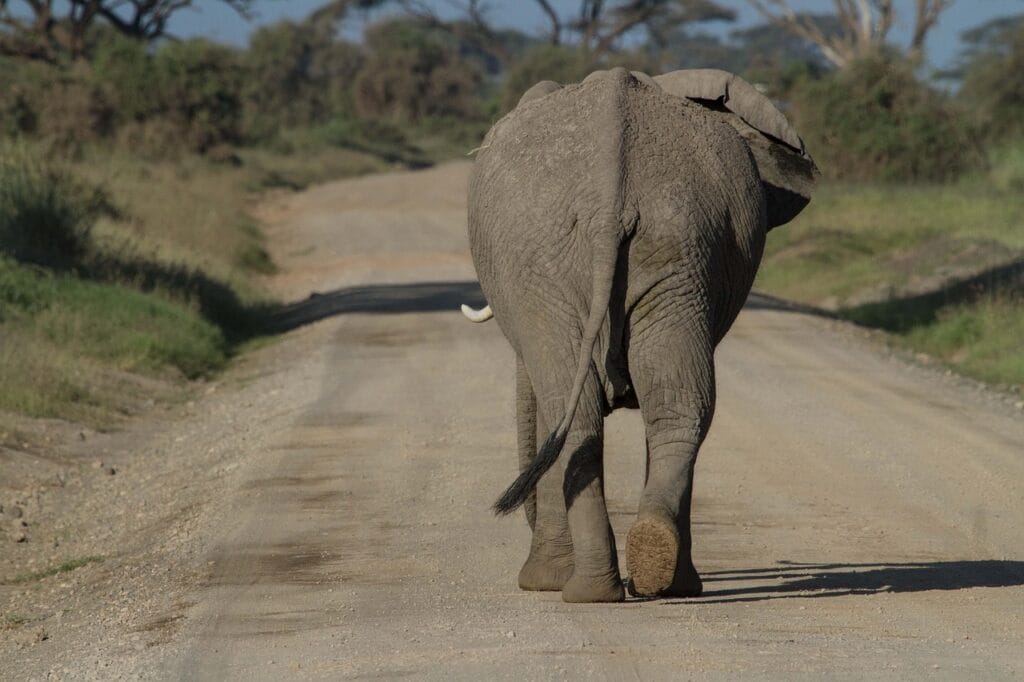
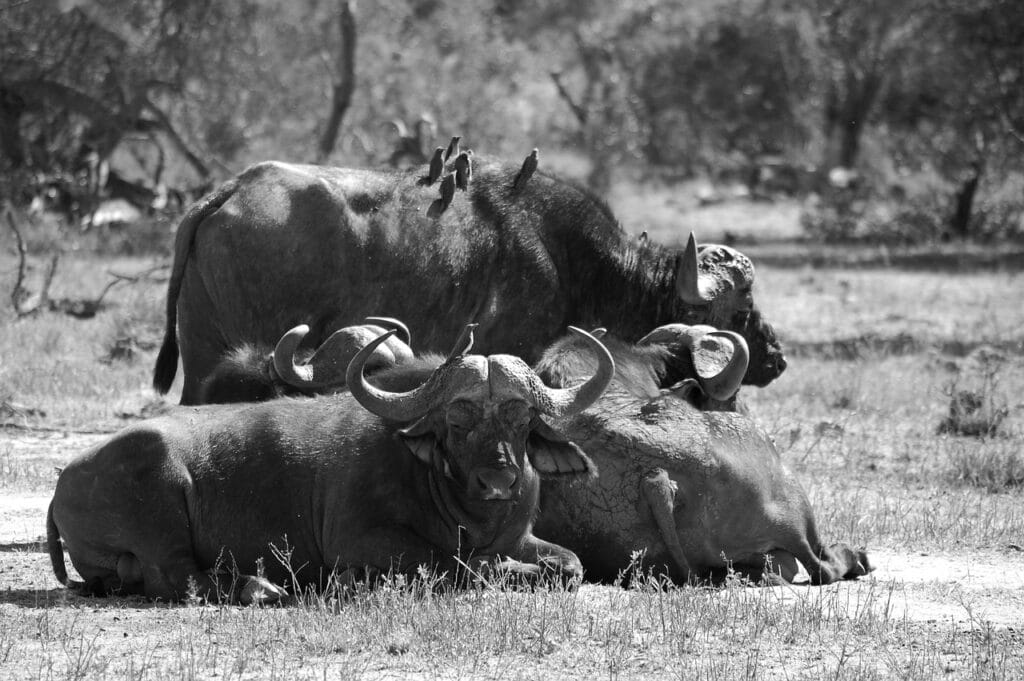
Best time to see the Big Five in Tanzania

The Big Five—lion, leopard, elephant, rhinoceros, and buffalo—are some of the most sought-after animals on a safari, and Tanzania is one of the best places in Africa to see them. The timing of your safari plays a significant role in your chances of spotting these iconic species. Dry Season: June to October The dry season is widely regarded as the best time for wildlife viewing in Tanzania. Why it’s Ideal: Animals gather around water sources as vegetation thins, making it easier to spot them. Where to Go: Serengeti National Park: Excellent for lions, leopards, elephants, and buffalo, especially during the wildebeest migration. Ngorongoro Crater: A haven for all Big Five species, with reliable sightings of the critically endangered black rhinoceros. Tarangire National Park: Famous for its large elephant herds during this period. Green Season: November to May The wet or green season offers lush landscapes, fewer crowds, and unique opportunities for wildlife viewing. Why It’s Unique: November to December (short rains): Animals remain active, and the scenery is vibrant. January to March: Calving season in the southern Serengeti attracts predators, offering thrilling lion and leopard encounters. April to May (long rains): Though roads can be muddy, wildlife is abundant, and safaris are more affordable. Best Parks: Selous Game Reserve: Known for excellent leopard and elephant sightings. Ruaha National Park: Offers a remote and exclusive safari experience with strong Big Five representation. Seasonal Highlights Leopards: Best seen in the Serengeti and Tarangire, particularly in the dry season. Lions: Active year-round, but more visible during dry months due to open terrain. Elephants: Found in large numbers in Tarangire and Serengeti during the dry season. Buffalos: Abundant in Ngorongoro and Serengeti year-round. Rhinos: Ngorongoro Crater offers the most reliable sightings, with strict conservation measures ensuring their protection. Tips for Maximizing Big Five Sightings Guided Safaris: Expert guides from Future African Safari enhance your chances of spotting elusive species like leopards and rhinos. Early Morning Drives: Many animals are most active during the cooler hours of dawn. Choose the Right Parks: Diversify your safari itinerary to include parks with a strong concentration of each Big Five species. With Tanzania’s diverse landscapes and rich wildlife, any time of year can be rewarding. Future African Safari’s customized itineraries ensure you experience the best of the Big Five at the right time and in the best locations. Customize Your Adventure Kilimanjaro 3 tours Safari 9 tours Zanzibar 3 tours
Best time to see the Big Five in Tanzania Read More »

A group of Maasai women and a child in traditional attire sharing joyful moments in Tanzania.

Safari Tourism and Maasai Villages: A Journey Into Tanzania’s Cultural Heart

A safari in Tanzania offers more than just breathtaking wildlife encounters; it’s an opportunity to immerse yourself in the vibrant culture of the Maasai people. The Maasai, one of Tanzania’s most iconic tribes, have long lived in harmony with the land and its wildlife, making their villages a fascinating addition to any safari experience. Here’s a closer look at how safari tourism connects with Maasai villages and what you can expect during your visit. 1. Who Are the Maasai? The Maasai are a semi-nomadic tribe known for their rich traditions, colorful attire, and deep connection to the savannahs of East Africa. They primarily inhabit regions around Tanzania’s famed safari destinations, including the Serengeti, Ngorongoro Conservation Area, and Maasai Mara in Kenya. Distinctive Culture: The Maasai culture is centered on cattle, which serve as a source of food, wealth, and status. Vibrant Clothing: The Maasai are instantly recognizable by their brightly colored shukas (cloth wraps) and intricate beadwork. Language: They speak Maa, a language distinct from Swahili, Tanzania’s national language. 2. Why Visit a Maasai Village on Safari? Adding a Maasai village visit to your safari itinerary enriches your experience by providing a deeper understanding of Tanzania’s people and traditions. These visits offer a chance to connect with the Maasai way of life and learn how they coexist with the stunning landscapes and wildlife of Tanzania. Key Highlights of a Visit: Cultural Exchange: Participate in Maasai dances, songs, and storytelling, which often convey tribal history and values. Daily Life: Witness how the Maasai tend their livestock, prepare food, and build their iconic circular homesteads (bomas). Craftsmanship: Learn about Maasai beadwork and purchase handmade jewelry directly from the artisans, supporting local livelihoods. 3. Safari Tourism’s Role in Maasai Villages Safari tourism plays a vital role in supporting Maasai villages, providing economic benefits and fostering cultural preservation. However, it’s essential to ensure these interactions are respectful and mutually beneficial. Economic Empowerment: Many Maasai villages earn income through tourism by offering guided tours, selling crafts, and performing cultural shows. Education and Conservation: Proceeds from tourism often fund education, healthcare, and conservation efforts within Maasai communities. Cultural Preservation: Tourism encourages the Maasai to share and sustain their traditions, even as modern influences grow. 4. Ethical and Respectful Visits When visiting Maasai villages, it’s important to engage responsibly and respectfully. Future African Safari ensures that all village visits are conducted ethically, with consent and collaboration from the Maasai community. Tips for an Ethical Visit: Ask Before Photographing: Always seek permission before taking photos of people or their homes. Support Local Artisans: Purchasing crafts directly benefits the community. Respect Traditions: Follow the guidance of your hosts and respect their customs and way of life. 5. Activities to Enjoy in Maasai Villages Here are some experiences you can look forward to during your visit: Dance Performances: Watch or join in traditional jumping dances, which symbolize strength and vitality. Beadwork Workshops: Try your hand at making Maasai jewelry with guidance from skilled artisans. Storytelling Circles: Gather around a fire to hear elders share stories about their history and culture. Guided Nature Walks: Learn about the Maasai’s deep knowledge of local plants, wildlife, and survival techniques. 6. The Maasai and Wildlife Conservation The Maasai have a long history of coexisting with wildlife, making them natural conservationists. Through community-based conservation projects, the Maasai play a crucial role in protecting Tanzania’s ecosystems. Land Sharing: The Maasai allow wildlife to roam freely across their grazing lands, contributing to the preservation of biodiversity. Cultural Education: Many Maasai guides educate tourists about sustainable practices and the importance of conservation. Wildlife Conflicts: Safari tourism provides alternative livelihoods, reducing the need for harmful practices like poaching.   Why Choose Future African Safari for Your Maasai Village Experience? At Future African Safari, we believe in creating meaningful connections between travelers and Tanzania’s vibrant cultures. Our Maasai village visits are thoughtfully designed to ensure authenticity and respect, providing you with an enriching experience that supports local communities. Let us take you on a journey that combines the thrill of wildlife safaris with the warmth and wisdom of the Maasai people. Book your adventure today! Customize Your Adventure Kilimanjaro 3 tours Safari 9 tours Zanzibar 3 tours

Safari Tourism and Maasai Villages: A Journey Into Tanzania’s Cultural Heart Read More »

Wildebeest calf with mother crossing a lake with pink flamingos in the background.

Wildebeest migration safari packages

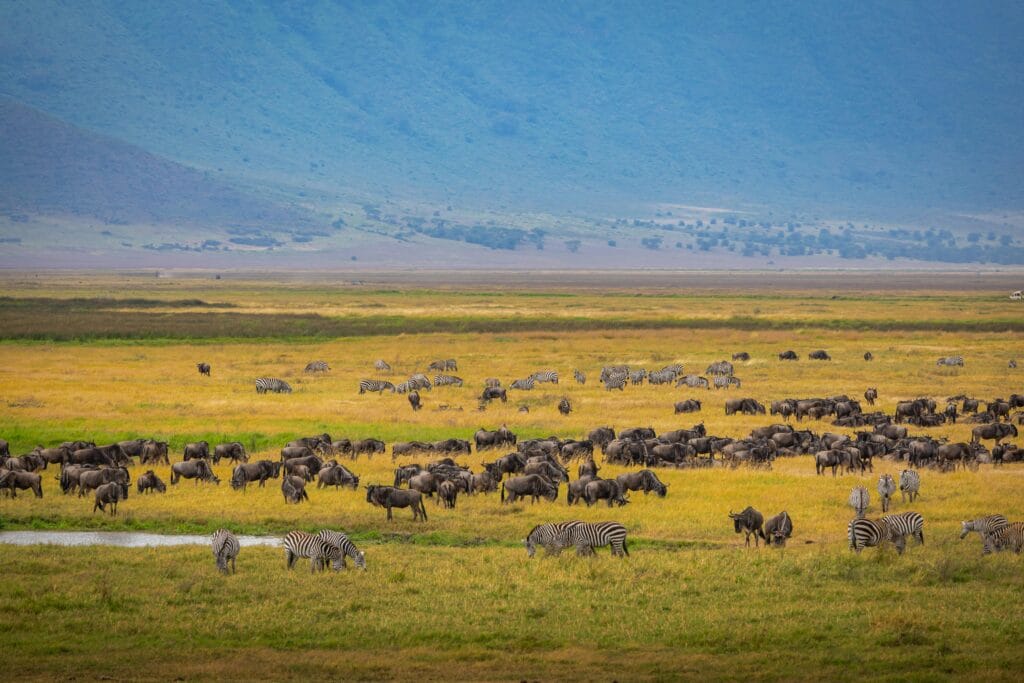
Wildebeest migration safaris offer one of the most spectacular wildlife experiences in the world. Each year, millions of wildebeests, zebras, and gazelles migrate across the Serengeti and Maasai Mara ecosystems, providing unmatched opportunities for game viewing. Future African Safari’s tailored packages allow you to witness this breathtaking event with expert guides and comfortable accommodations. Serengeti Migration Safari Packages 1. 5-Day Migration Explorer Highlights: Explore the Serengeti’s central and northern regions to follow the migration path. Witness river crossings at the Mara or Grumeti Rivers, where dramatic predator-prey interactions unfold. Game drives led by experienced guides. Inclusions: Accommodation in mid-range lodges or tented camps. Park fees, meals, and transport. 2. 7-Day Ultimate Migration Adventure Highlights: Track the migration from the southern Serengeti’s calving season to the northern river crossings. Night game drives and cultural visits to nearby Maasai villages. Optional hot-air balloon safari for panoramic views of the migration. Inclusions: Luxury accommodations with all meals included. Private game drives, park entry, and airport transfers. 3. 10-Day Migration and Big Five Package Highlights: Combine the migration experience with visits to Ngorongoro Crater and Tarangire National Park for Big Five sightings. Enjoy both the drama of the migration and the serenity of less-crowded parks. Inclusions: Mix of luxury and boutique camps. Guided bush walks and all-inclusive transport. Best Times for the Migration January to March: Southern Serengeti for calving season, with predators on the hunt. April to June: Western corridor for Grumeti River crossings. July to October: Northern Serengeti for Mara River crossings. November to December: Returning south through the central Serengeti. Why Choose Future African Safari? Customizable Packages: Each safari can be tailored to your preferences, from budget-friendly to luxury options. Experienced Guides: Local experts ensure the best wildlife viewing opportunities. Eco-Friendly Practices: Supporting conservation while providing sustainable tourism experiences. A wildebeest migration safari is a once-in-a-lifetime experience that brings you up close to nature’s greatest spectacle. Future African Safari ensures you witness this event in comfort, style, and with a commitment to preserving the wilderness. Customize Your Adventure Kilimanjaro 3 tours Safari 9 tours Zanzibar 3 tours
Wildebeest migration safari packages Read More »

Two young Maasai boys handling goats in a rural area of Arusha, Tanzania.

Meeting Local Tribes in Ngorongoro: An Authentic Cultural Experience

The Ngorongoro Crater, often referred to as the “Garden of Eden,” is not only a haven for wildlife but also a place where you can connect with some of Tanzania’s most fascinating indigenous tribes. This UNESCO World Heritage site offers visitors the opportunity to meet and learn from the local tribes that have lived in this stunning region for centuries. Here’s what you can expect from meeting the local tribes in Ngorongoro during your safari adventure. 1. The Maasai Tribe: Guardians of the Ngorongoro Crater One of the most iconic tribes in Tanzania, the Maasai people have a deep connection with the Ngorongoro Crater. Known for their vibrant clothing, beadwork, and distinctive customs, the Maasai are semi-nomadic pastoralists who have lived in the Ngorongoro Highlands for generations. Their lifestyle revolves around cattle, which are not only a source of food but also hold great cultural significance. What to Expect: Cultural Visits: You can visit a Maasai village (enkang) to witness daily life, observe traditional dances, and learn about their customs. Traditional Clothing: The Maasai are known for their colorful shukas (cloaks), beads, and elaborate jewelry, each of which has symbolic meaning. Cultural Exchange: Engage in conversations with local Maasai elders and learn about their beliefs, rituals, and their role in the conservation of the Ngorongoro Crater. 2. The Hadza Tribe: Ancient Hunter-Gatherers The Hadza people are one of the last remaining hunter-gatherer tribes in the world. Living on the shores of Lake Eyasi, just to the south of Ngorongoro, the Hadza tribe has a fascinating culture that is steeped in ancient traditions. Their way of life revolves around hunting wild game, foraging for berries, tubers, and honey, and living in harmony with nature. What to Expect: Hunting with the Hadza: Join the Hadza as they demonstrate traditional hunting methods with bows and arrows. You might even get a chance to try your hand at hunting or gathering. Traditional Campsites: Visit a Hadza campsite to see how they live in temporary shelters made of sticks and leaves, reflecting their nomadic lifestyle. Learning Ancient Skills: Discover how the Hadza use their knowledge of plants and animals for survival, including making tools and gathering medicinal herbs. 3. The Datoga Tribe: Skilled Metalworkers The Datoga people, who live around Lake Eyasi and the Ngorongoro Highlands, are known for their advanced metalworking skills, particularly in crafting tools, jewelry, and weapons. They are also skilled cattle herders, much like the Maasai, and have a rich cultural history that spans centuries. What to Expect: Metalworking Demonstrations: Watch Datoga artisans demonstrate their metalworking skills, including the creation of jewelry, tools, and traditional weaponry. Traditional Clothing and Jewelry: The Datoga are known for their distinct clothing, which includes leather garments, and for their elaborate jewelry, which holds cultural significance. Cultural Insight: Learn about the Datoga’s way of life, including their practices related to cattle herding, food preparation, and family structure. 4. Cultural Encounters on Safari In addition to visiting tribal villages, many safaris in Ngorongoro offer opportunities for cultural encounters, where you can meet and interact with local tribes in a more informal setting. These encounters might take place during a guided walk, a village visit, or even a Maasai-led game drive in the Ngorongoro Conservation Area. What to Expect: Guided Walks and Stories: A Maasai or Hadza guide might take you on a walk through the stunning landscapes of Ngorongoro, sharing their knowledge of the land and the wildlife that calls it home. Cultural Shows and Dances: Enjoy traditional dances, songs, and storytelling, which often reflect the tribe’s history and connection to the land. Educational Exchanges: Engage in open discussions about the challenges of balancing traditional lifestyles with modern-day influences, including tourism and conservation efforts. 5. Respectful and Ethical Cultural Experiences While meeting local tribes can be an enriching and educational experience, it’s important to approach these encounters with respect and sensitivity. Future African Safari ensures that all cultural interactions are conducted ethically, with the tribes’ consent and participation. We emphasize responsible tourism that respects the rights and traditions of indigenous communities while offering guests an opportunity to learn and grow from these encounters. Cultural Sensitivity: Always ask before taking photos and respect the tribe’s customs and traditions. Support Local Communities: Many tribal visits involve purchasing handcrafted items or supporting community projects, ensuring that your experience directly benefits the tribe. Why Choose Future African Safari for Your Cultural Adventure? At Future African Safari, we are dedicated to providing you with authentic, meaningful encounters with the local tribes of Ngorongoro. Our knowledgeable guides, who have close relationships with the Maasai, Hadza, and Datoga people, will ensure that your cultural experiences are both enriching and respectful. Book your safari today and embark on a cultural journey that goes beyond the wildlife! Customize Your Adventure Kilimanjaro 3 tours Safari 9 tours Zanzibar 3 tours
Meeting Local Tribes in Ngorongoro: An Authentic Cultural Experience Read More »

rhinoceros, rhino, animal

Rhino tracking safaris in Tanzania

Rhino tracking safaris in Tanzania offer an incredible opportunity to witness one of Africa’s most endangered species in their natural habitat. These safaris combine thrilling adventure with conservation efforts, making them a unique experience for wildlife enthusiasts. Ngorongoro Crater: A Rhino Sanctuary The Ngorongoro Conservation Area is one of the best places in Tanzania to see black rhinos. The crater is home to a small but stable population of critically endangered black rhinos. With the help of an experienced guide, you can track these majestic creatures during game drives across the crater floor. Why Ngorongoro? The crater’s enclosed ecosystem makes it easier to spot rhinos alongside other iconic wildlife such as lions, elephants, and wildebeests. Best Time to Visit: June to October offers excellent visibility and dry conditions, making it easier to spot rhinos in the open. Mkomazi National Park: Conservation in Action Mkomazi National Park is a lesser-known gem in Tanzania and a vital stronghold for rhino conservation. The park hosts the Mkomazi Rhino Sanctuary, a breeding and protection center for black rhinos. Visitors can learn about the conservation efforts while observing rhinos in a semi-wild environment. Unique Experience: Mkomazi offers a more educational aspect, allowing visitors to understand the challenges and successes of rhino conservation. Selous Game Reserve: Remote and Wild While Selous is primarily known for its elephants and wild dogs, it also provides occasional opportunities to see rhinos in the reserve’s less-explored areas. This vast wilderness offers a sense of remoteness that makes every wildlife sighting feel like a discovery. Rhino Tracking Tips Expert Guides: Rhino tracking is best done with skilled guides who understand the terrain and behavior of these elusive creatures. Guides often use their expertise to follow tracks and signs of rhinos. Respect Conservation Rules: Tracking rhinos often involves strict guidelines to ensure minimal disturbance to the animals. Always follow your guide’s instructions and maintain a safe distance. Early Morning Drives: Rhinos are more active during the cooler hours of the day, making early morning or late afternoon game drives the best time to spot them. Supporting Conservation Through Tourism Every rhino tracking safari contributes to conservation. Fees paid to parks and reserves often go toward anti-poaching initiatives and habitat restoration efforts. By choosing operators like Future African Safari, you ensure that your trip supports sustainable tourism and wildlife preservation. Rhino tracking in Tanzania is more than just an adventure—it’s a chance to connect with nature and support the survival of one of Africa’s most iconic species. Customize Your Adventure Kilimanjaro 3 tours Safari 9 tours Zanzibar 3 tours

Rhino tracking safaris in Tanzania Read More »

Scroll to Top