The Tourist

A safari vehicle parked by a serene lake in a vast African savanna landscape.

Budget African Safari

An African safari doesn’t have to break the bank. With careful planning, you can enjoy the beauty and thrill of a safari without spending a fortune. Here’s how to plan a budget-friendly safari in Africa: 1. Choose the Right Destination Some safari destinations are more affordable than others. While countries like Kenya, Tanzania, and South Africa are popular, you can explore less touristy but equally beautiful destinations such as Botswana, Zambia, or Namibia for lower costs. In Tanzania, for example, you can opt for safaris in lesser-known parks like Tarangire or Selous, where accommodation and park fees are often more budget-friendly than in the Serengeti or Ngorongoro Crater. 2. Travel During Off-Peak Seasons Peak tourist seasons (from June to September) tend to have higher rates for accommodation, flights, and park entry fees. Traveling in the shoulder seasons (March to May, or November to early December) will help you save money while still providing excellent wildlife viewing opportunities. In places like Zanzibar, visiting outside the holiday rush allows you to find cheaper lodging and experience fewer crowds. 3. Opt for Group Safaris Group safaris offer a more cost-effective option than private tours. By joining a group, you can split the cost of transport, a guide, and other expenses, making it more affordable. Many companies, including Future African Safari, offer group safari packages that ensure you still get a personal and enriching experience without the hefty price tag. 4. Stay in Budget Accommodations Choose budget-friendly accommodations like campsites, hostels, or mid-range lodges instead of luxury safari lodges or five-star resorts. Glamping (glamorous camping) is an option in some parks and can offer a more affordable alternative to staying in high-end lodges, while still allowing you to experience the wilderness up close. Booking accommodation directly or using platforms that offer deals can also help you secure discounts. 5. Use Public Transport or Self-Drive Safaris Public transport is a great option for getting around on a budget. In countries like Kenya and Tanzania, buses or shared minivans are commonly used by locals and travelers alike. Self-drive safaris can also be an affordable option if you rent a vehicle and drive yourself to national parks. Make sure you’re well-prepared with a map or GPS, and familiarize yourself with the driving regulations in the country. 6. Look for All-Inclusive Packages Many safari operators, such as Future African Safari, offer all-inclusive packages that cover accommodation, meals, transport, and park fees. This is an easy way to budget since everything is paid upfront, and you’ll avoid unexpected costs. Make sure the package includes the essential activities, such as game drives and guided tours, to ensure you’re getting the best value for your money. 7. Plan for Meals and Extras When budgeting for your safari, plan for meals and drinks, as food in some remote areas can be expensive. Opt for local meals or stay in accommodations that offer kitchen facilities so you can prepare your own meals. Avoid optional activities that can drive up costs, such as private game drives, expensive excursions, or luxury spa treatments. Stick to the basics like game drives and nature walks, which are often included in the safari packages. 8. Book in Advance Booking your safari well in advance can often lead to discounts, especially for group tours or all-inclusive packages. Research seasonal discounts, promotions, or early bird deals from reputable safari companies, which can significantly reduce the cost. 9. Travel Light Some safari operators charge extra for luggage or special equipment, so packing light and only bringing what’s necessary can help you avoid these added costs. If you’re planning to stay in campsites, make sure to bring your own sleeping bag or other gear if the accommodation doesn’t provide it. 10. Consider a Volunteering Safari Some organizations offer discounted or even free safaris in exchange for volunteering. If you’re open to helping out with wildlife conservation or community projects, this can be an affordable way to experience Africa’s wilderness while making a positive impact. By choosing budget-friendly destinations, traveling during the off-season, and taking advantage of group tours and all-inclusive packages, you can enjoy an unforgettable African safari experience without spending a fortune. Customize Your Adventure Kilimanjaro 3 tours Safari 9 tours Zanzibar 3 tours

Budget African Safari Read More »

Festive outdoor grill featuring colorful traditional African attire.

Tanzanian Cooking Classes on Safari: A Culinary Adventure in the Heart of Africa

Tanzania’s vibrant culture is not only evident in its landscapes and wildlife but also in its delicious cuisine. For food lovers, combining a safari experience with a cooking class is the perfect way to immerse yourself in the local culture and explore Tanzanian flavors. Here’s what you can expect from taking part in Tanzanian cooking classes while on safari. 1. Learn Traditional Tanzanian Dishes Tanzanian cuisine is a fusion of African, Arab, and Indian influences, with each region offering unique dishes that reflect the local traditions and available ingredients. A cooking class on safari gives you the chance to learn how to make traditional dishes such as: Ugali: A staple of maize flour and water, served with meats, vegetables, or fish. Sukuma: A popular Tanzanian side dish made from collard greens, typically cooked with onions, tomatoes, and spices. Nyama Choma: Grilled meats, often accompanied by a tangy marinade, served with rice or flatbreads like Chapati. Mandazi: A sweet fried dough snack, often enjoyed with tea or coffee. 2. Hands-On Experience with Local Ingredients A cooking class on safari often involves hands-on participation, allowing you to shop for fresh, local ingredients from nearby markets or from the lodge’s garden. These experiences are not only about cooking but also about understanding the significance of certain ingredients in Tanzanian cuisine. You’ll have the opportunity to work with spices like cardamom, cumin, and turmeric, and learn how to incorporate them into everyday dishes. 3. Cooking Classes in Scenic Settings Imagine learning to cook while surrounded by Tanzania’s stunning landscapes, whether it’s the Serengeti’s vast plains, the Ngorongoro Crater’s lush greenery, or the island vibes of Zanzibar. Some safari lodges and camps offer cooking classes in open-air kitchens with panoramic views, allowing you to connect with nature as you prepare your meal. 4. A Cultural Immersion Cooking classes provide a deeper understanding of Tanzanian culture and hospitality. Many classes are led by local chefs who share the stories and history behind each dish. You’ll learn about the influences of different cultures on Tanzanian food, as well as the importance of meals in community and family life. 5. Combine Cooking with Safari Adventures Tanzanian cooking classes can be easily combined with your safari activities. After a morning game drive or walking safari, return to camp to learn how to prepare a delicious Tanzanian feast. Cooking classes may also be part of a cultural day trip, where you visit nearby villages and markets, engaging with locals and learning firsthand how they prepare their traditional meals. 6. Cooking Classes in Zanzibar: A Culinary Paradise If you’re visiting Zanzibar, the culinary experience takes on a whole new level. Zanzibar’s spice plantations are a must-visit, where you’ll learn about the island’s aromatic spices such as cloves, nutmeg, and cinnamon. In addition to cooking classes, you’ll enjoy tours of spice farms, where you can pick fresh ingredients to use in your dishes. 7. Perfect for Groups and Families Cooking classes on safari are a fun and interactive activity for families, friends, or even solo travelers. Children can learn to prepare simple dishes, while adults can take on more complex recipes. It’s a great bonding experience, creating lasting memories while connecting with the local culture. 8. Take Your New Skills Home By the end of the class, you’ll not only have learned how to cook traditional Tanzanian dishes but also gained the skills and confidence to recreate them at home. Your experience will be enriched by the stories, techniques, and flavors you bring back with you.   Why Choose Future African Safari for Your Cooking Experience? At Future African Safari, we offer tailored experiences that combine the thrill of a safari with the rich flavors of Tanzanian cuisine. Our cooking classes are led by local chefs and feature ingredients sourced from nearby markets or our own lodge gardens, giving you a truly authentic experience. Book your safari today and add a delicious twist to your African adventure with a cooking class that celebrates Tanzania’s culinary heritage! Customize Your Adventure Kilimanjaro 3 tours Safari 9 tours Zanzibar 3 tours

Tanzanian Cooking Classes on Safari: A Culinary Adventure in the Heart of Africa Read More »

A herd of African elephants at sunset in South Africa's wilderness, captured during safari.

Facts about the Big Five animals

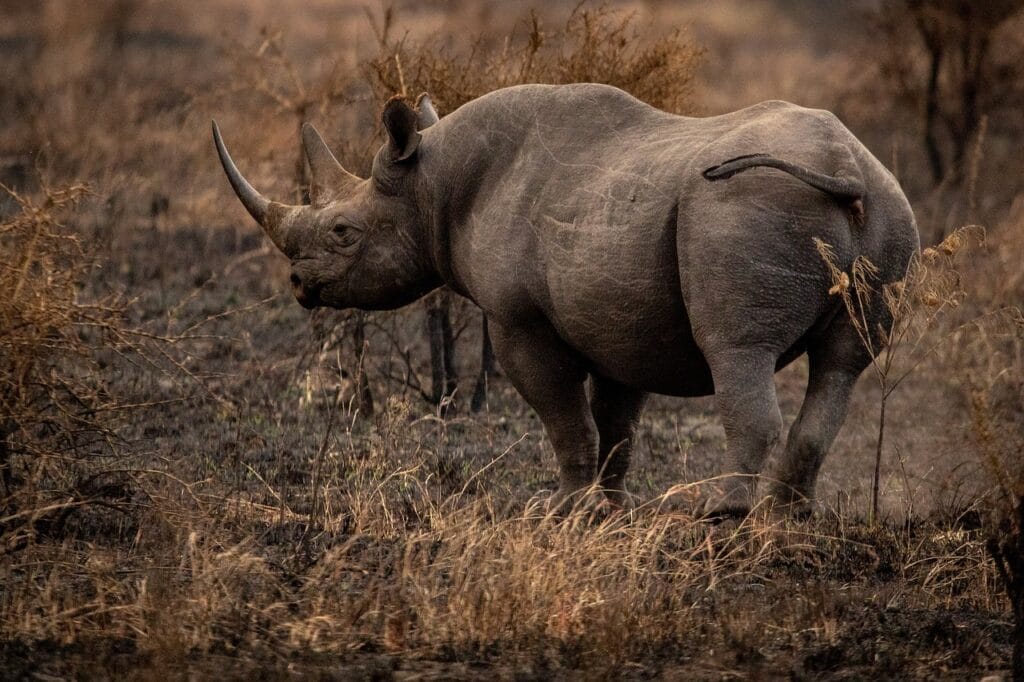
The Big Five refers to five of the most iconic and sought-after animals to see on a safari in Africa. These animals were originally considered the most dangerous to hunt on foot, but today, they are a major attraction for wildlife enthusiasts. Here are some interesting facts about each of the Big Five: 1. Lion Scientific Name: Panthera leo Habitat: Lions are primarily found in grasslands, savannas, and open woodlands, with populations concentrated in East and Southern Africa. Social Structure: Unlike most big cats, lions are highly social animals, living in groups called prides. A pride typically consists of related females, their cubs, and a few adult males. Diet: Lions are apex predators and are carnivorous. They hunt in groups to take down large prey such as wildebeest, zebras, and buffaloes. Conservation Status: Lions are considered vulnerable due to habitat loss, human-wildlife conflict, and poaching. 2. Elephant Scientific Name: Loxodonta africana (African elephant) Habitat: Elephants are found in various habitats across sub-Saharan Africa, including savannas, forests, and deserts. Size: African elephants are the largest land mammals on Earth, with males standing up to 3.3 meters (10.8 feet) tall at the shoulder and weighing up to 6,000 kilograms (13,200 pounds). Social Structure: Elephants live in matriarchal herds led by the oldest female. The herd provides protection and teaches younger members how to find food and water. Diet: Elephants are herbivores, consuming a wide variety of vegetation including grasses, bark, fruits, and tree leaves. Conservation Status: African elephants are listed as vulnerable, with threats including poaching for ivory and habitat destruction. 3. Buffalo Scientific Name: Syncerus caffer Habitat: African buffaloes are found in a variety of habitats, including savannas, grasslands, and forests. Behavior: Buffaloes are highly social animals and typically form large herds for protection. They are known for their strong bonds within the group and often stay close to each other for safety. Diet: They are herbivores, primarily grazing on grasses and occasionally browsing on shrubs and trees. Defensive Traits: Buffaloes are known for being formidable opponents when threatened. They have powerful horns and will defend themselves fiercely against predators, even lions and crocodiles. Conservation Status: The African buffalo is considered to be of “Least Concern,” but certain populations are threatened by diseases like bovine tuberculosis. 4. Leopard Scientific Name: Panthera pardus Habitat: Leopards are highly adaptable and can be found in a range of habitats, including grasslands, savannas, and forests. They are often solitary and nocturnal. Behavior: Leopards are solitary creatures, spending most of their time alone. They are excellent climbers and are known to hoist their kills into trees to avoid scavengers like hyenas. Diet: Leopards are carnivores and skilled hunters, preying on a variety of animals such as antelopes, baboons, and even birds. Conservation Status: Leopards are classified as “Vulnerable,” with threats including habitat loss, poaching, and human-wildlife conflict. 5. Rhinoceros Scientific Name: White Rhino: Ceratotherium simum Black Rhino: Diceros bicornis Habitat: Rhinos are primarily found in grasslands, savannas, and sometimes forests across Southern and East Africa. Size: Rhinos are large herbivores, with white rhinos being the largest of the two species, weighing up to 2,300 kilograms (5,000 pounds). Black rhinos are smaller and more aggressive. Diet: Rhinos are herbivores, feeding on grasses, shrubs, and woody plants. White rhinos are grazers, while black rhinos are browsers, feeding on a wider variety of plants. Conservation Status: Both the white and black rhino populations are severely threatened. The black rhino is critically endangered due to poaching for their horns and habitat loss, while white rhinos are classified as near-threatened but are making a recovery due to conservation efforts.   The Big Five are not only an iconic symbol of African wildlife but also central to wildlife conservation efforts. Responsible safari tourism, like those provided by Future African Safari, can help support conservation initiatives to protect these magnificent animals for future generations. Customize Your Adventure Kilimanjaro 3 tours Safari 9 tours Zanzibar 3 tours

Facts about the Big Five animals Read More »

team, friendship, group

Participating in Community Tourism: A Meaningful Way to Experience Tanzania

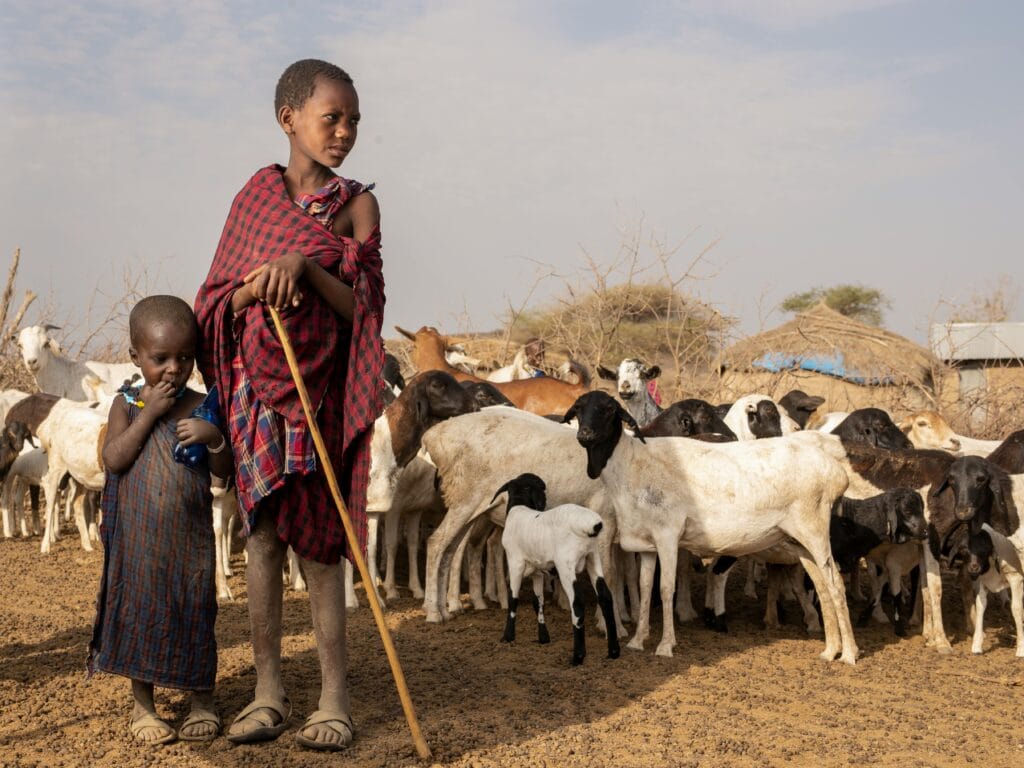
Community tourism offers travelers a chance to engage with local communities, immerse themselves in authentic cultural experiences, and contribute to the sustainable development of the areas they visit. In Tanzania, community tourism not only enhances your safari experience but also supports the livelihoods of local people and helps preserve their unique traditions and natural environments. At Future African Safari, we believe in the power of community-driven tourism to create positive change. Here’s how you can participate in community tourism during your Tanzanian safari and make a lasting impact. 1. What is Community Tourism? Community tourism is a form of responsible travel where local people play an active role in hosting visitors, providing cultural experiences, and sharing their traditions. Unlike traditional tourism, where visitors primarily interact with commercial establishments, community tourism allows travelers to stay in local villages, engage with artisans, participate in cultural practices, and contribute directly to the local economy. In Tanzania, community tourism takes many forms, from visiting Maasai villages in the Serengeti to staying in eco-lodges in remote areas. This type of tourism fosters a deeper connection with the people and places you visit, all while promoting the preservation of local cultures and environments. 2. Supporting Maasai Communities in the Serengeti One of the best ways to experience community tourism in Tanzania is by visiting the Maasai people, one of the most iconic and culturally rich ethnic groups in the country. Maasai communities in and around the Serengeti National Park invite visitors to engage in activities that showcase their traditional way of life. What you can experience: Traditional dances and ceremonies: Join the Maasai in their vibrant dances, which are often performed to celebrate milestones such as births, weddings, and harvests. Guided cultural tours: Walk through Maasai villages with local guides who share stories about their history, traditions, and connection to the land. Art and craft shopping: Purchase handmade crafts such as beaded jewelry, Maasai shukas (cloaks), and wooden carvings directly from the artisans, supporting their livelihoods. Why it matters: By participating in Maasai community tourism, you directly contribute to the sustainability of the community. Your visit helps generate income for local families, enabling them to preserve their traditions and continue practicing their way of life. 3. Staying in Community-Run Eco-Lodges Eco-lodges are an integral part of community tourism in Tanzania, especially in conservation areas like the Ngorongoro Crater, Lake Manyara, and the Selous Game Reserve. These lodges are often run by local communities, providing them with a sustainable source of income while promoting environmental conservation. What you can experience: Eco-friendly accommodation: Stay in solar-powered lodges built from local materials, which are designed to minimize environmental impact while offering comfort and stunning views of nature. Local cultural immersion: Participate in activities like traditional cooking classes, basket weaving, or even learn how to start a fire using Maasai methods. Guided nature walks and wildlife tours: Join local guides for walking safaris, where they teach you about the ecosystem and how they’ve worked to preserve it. Why it matters: Staying in eco-lodges allows you to support sustainable tourism practices that prioritize both the environment and local communities. Your presence helps these communities fund conservation efforts and create employment opportunities, especially in remote areas. 4. Visiting Local Villages and Markets Tanzania is home to a wide array of local markets and villages, each with its own unique customs and offerings. Whether you’re exploring the bustling markets of Arusha or visiting small villages near the Selous Game Reserve, these experiences give you a chance to interact with locals and learn about their daily lives. What you can experience: Traditional markets: Wander through markets filled with fresh produce, spices, handmade clothing, and local crafts. These vibrant marketplaces offer an authentic taste of Tanzanian life. Village tours: Visit rural communities where you can learn about farming practices, cooking methods, and sustainable living. Cultural exchange: Take part in cooking classes or art workshops led by locals, providing a hands-on experience of Tanzanian culture. Why it matters: Your participation in these local experiences helps boost small-scale businesses and ensures that the local population benefits directly from tourism. This also encourages a mutual exchange of knowledge and culture. 5. Supporting Conservation and Wildlife Preservation Initiatives In Tanzania, community tourism is closely linked to wildlife conservation. Many local communities live in or near protected areas like the Serengeti, Ngorongoro, and Tarangire National Parks. By participating in eco-tourism, you are helping fund wildlife protection efforts and preserving Tanzania’s natural heritage. What you can experience: Community-based conservation projects: Visit local community-run conservation initiatives that focus on protecting endangered species, such as elephants and rhinos, while also providing benefits to the surrounding communities. Sustainable farming and animal husbandry: Learn about how local communities practice sustainable agriculture and animal husbandry to coexist with wildlife and protect their environment. Wildlife monitoring programs: Participate in wildlife monitoring programs where you assist in tracking animals or collecting data, providing valuable support for local conservation efforts. Why it matters: Your involvement in these conservation-focused activities helps ensure that tourism benefits both wildlife and local communities. These efforts create a symbiotic relationship where conservation and sustainable development go hand in hand. 6. The Role of Future African Safari in Community Tourism At Future African Safari, we are committed to offering our guests authentic community tourism experiences that are both enriching and impactful. We collaborate with local communities to ensure that tourism activities are beneficial, responsible, and sustainable. By joining one of our safaris, you will have the opportunity to: Stay in community-run eco-lodges or camps Participate in local cultural activities and guided tours Support artisans, farmers, and other local businesses Contribute to conservation efforts that protect Tanzania’s wildlife and natural beauty We work closely with Tanzanian communities to create mutually beneficial partnerships, ensuring that the positive impacts of tourism are felt long after you’ve returned home.  Why You Should Participate in Community Tourism Participating in community tourism offers far more than just an opportunity to learn about a new culture or buy a unique souvenir.

Participating in Community Tourism: A Meaningful Way to Experience Tanzania Read More »

water, nature, kenya

When is the wildebeest migration in Serengeti?

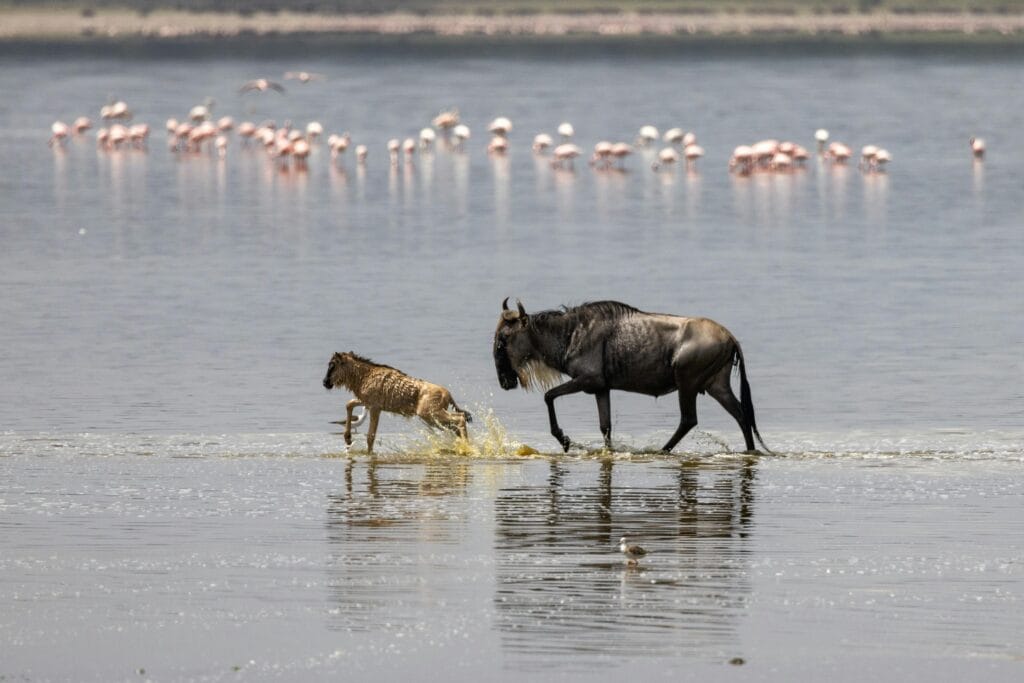
The wildebeest migration in the Serengeti is a year-round phenomenon, but it follows a specific route and timing that depends on the rains and the availability of fresh grazing. The migration is divided into different stages throughout the year: Calving Season (January to March): The wildebeest give birth in the southern Serengeti, where the grass is rich and nutritious. This is one of the best times to see newborn calves and witness predators like lions and cheetahs hunting. Migration North (April to May): As the dry season begins, the wildebeest start moving northward from the southern Serengeti towards the central Serengeti and then into the western corridor. During this time, they follow the rains in search of fresh grass. The Great Migration River Crossing (June to July): This is the most iconic part of the migration when the wildebeest must cross the Grumeti River in the western Serengeti. The dramatic river crossing is often a highlight of safaris, as crocodiles lie in wait and predators follow closely behind. Northern Serengeti and Maasai Mara (August to October): After crossing into the northern Serengeti and Maasai Mara in Kenya, the wildebeest and zebras graze on fresh grass. The migration can be found in this region through the dry season. Return South (November to December): As the rains return, the wildebeest begin their journey southward, completing the circuit. During this time, the herds head back into the Serengeti’s southern plains. While the timing of the migration can vary slightly depending on rainfall and environmental conditions, the best months to witness the river crossings are usually from July to September, while the calving season from January to February is also a top time for wildlife enthusiasts. Customize Your Adventure Kilimanjaro 3 tours Safari 9 tours Zanzibar 3 tours

When is the wildebeest migration in Serengeti? Read More »

An African woman smiles as she weaves in a rural Tanzanian setting, showcasing traditional craftsmanship.

Supporting Local Crafts in Tanzania: A Journey Through Art, Culture, and Community

Tanzania is not only home to breathtaking wildlife and stunning landscapes but also a rich cultural heritage that is expressed through its local crafts. From handwoven textiles to intricate beadwork, Tanzanian crafts reflect the traditions, skills, and creativity of its diverse communities. When you embark on a safari with Future African Safari, you have the unique opportunity to support local artisans, contributing to the preservation of these traditions while enhancing your travel experience. Here’s how you can support local crafts and make a meaningful impact during your safari adventure. 1. Handcrafted Beadwork: A Symbol of Tanzanian Identity Beadwork is an important craft in many Tanzanian communities, particularly among the Maasai people, who are known for their vibrant and intricate beaded jewelry. These pieces are often used for adornment, ceremonial purposes, or as a reflection of the wearer’s social status. What you can find: Necklaces, earrings, and bracelets: Intricately designed and often featuring traditional patterns that symbolize different aspects of Maasai life, such as age, family, or achievements. Headpieces and belts: These items are not only decorative but also carry cultural significance, often used in ceremonies or daily life. Why you should support this craft: By purchasing Maasai beadwork, you directly contribute to the livelihoods of local artisans, many of whom rely on these crafts as a primary source of income. These handcrafted items also make beautiful and meaningful souvenirs that connect you to Tanzania’s rich cultural heritage. 2. Wood Carvings: A Timeless Tanzanian Tradition Tanzanian wood carving is a longstanding tradition, with skilled artisans using locally sourced wood to create beautiful and functional art. Whether you’re in the bustling markets of Dar es Salaam or the serene villages surrounding the Serengeti, wood carvings are a prominent feature of the local craft scene. What you can find: Animal figures and masks: Hand-carved sculptures of iconic African animals such as elephants, lions, and giraffes, reflecting the country’s rich wildlife. Traditional masks: These are often used in cultural ceremonies and are considered to have spiritual significance. Functional items: Carved wooden bowls, spoons, and kitchenware that are as practical as they are artistic. Why you should support this craft: Purchasing wood carvings helps support local artisans and their families. Many of these craftsmen have honed their skills over generations, and your support enables them to continue their craft, preserving the cultural importance of wood carving in Tanzania. 3. Tinga Tinga Paintings: Colorful Expressions of Tanzanian Art Tinga Tinga art, named after the artist Edward Said Tinga Tinga, is a famous Tanzanian painting style known for its bold colors and whimsical depictions of animals and landscapes. This vibrant art form has become iconic in Tanzania, and you can find Tinga Tinga paintings in galleries and markets across the country. What you can find: Animal-themed paintings: Elephants, giraffes, and lions are often the subjects of Tinga Tinga art, each piece brimming with vivid colors and intricate patterns. Landscape and village scenes: These paintings often depict life in Tanzania’s rural areas, showcasing the beauty of the landscapes and local culture. Why you should support this craft: Tinga Tinga artists are part of a thriving creative community that supports local economies. By purchasing these artworks, you not only take home a piece of Tanzania’s cultural identity but also ensure that this art form continues to thrive. 4. Kanga and Kitengé: Colorful Textiles of Tanzania Kanga and Kitengé are brightly colored fabrics that are deeply embedded in Tanzanian culture. These textiles are often worn by women in Tanzania and are used for everything from everyday clothing to ceremonial dress. Kanga, in particular, is known for its printed proverbs and messages of wisdom, making it a unique cultural symbol. What you can find: Kanga: A colorful piece of fabric, often adorned with proverbs, that can be worn as a shawl, headwrap, or skirt. Kitengé: A fabric often worn in formal settings or during celebrations, available in various patterns and colors. Why you should support this craft: Purchasing Kanga and Kitengé textiles supports local artisans, many of whom rely on fabric design and sewing for their livelihood. These items also offer a glimpse into Tanzanian culture, where clothing is not just functional but also tells a story. 5. Woven Baskets and Mats: Sustainable Craftsmanship In Tanzania, many communities practice the art of weaving baskets, mats, and bags from natural materials like sisal, palm leaves, and reeds. These items are both beautiful and functional, with a focus on sustainability and environmental consciousness. What you can find: Handwoven baskets: Perfect for carrying goods, storing items, or decorating your home. Mats: Woven mats are often used in traditional Tanzanian homes and are also popular as picnic mats or home decor. Bags and hats: Woven items like bags and hats are perfect for tourists and serve as practical and stylish accessories. Why you should support this craft: These crafts are often produced by women in rural areas, providing them with a source of income and financial independence. By purchasing woven goods, you help promote sustainable practices and empower local communities. 6. Beverages and Spices: A Taste of Tanzania’s Craft Traditions Tanzania is also known for its unique craft beverages and spices. The country’s rich agricultural heritage allows local communities to produce handcrafted tea, coffee, and spices that you can take home as souvenirs. What you can find: Tanzanian coffee: Known for its rich flavor and high quality, Tanzanian coffee is a perfect gift or souvenir. Spices: Zanzibar, in particular, is famous for its spices, including cloves, cinnamon, and cardamom, which are often sold as handmade products. Herbal teas: Locally grown teas, like those from the slopes of Mount Kilimanjaro, are another popular item. Why you should support this craft: Supporting local beverage and spice producers ensures that small farmers and artisans continue to thrive, helping to preserve Tanzania’s agricultural traditions. 7. Where to Buy Local Crafts on Safari As part of your safari with Future African Safari, you’ll have the opportunity to visit local markets and artisan villages where these crafts are sold. Whether

Supporting Local Crafts in Tanzania: A Journey Through Art, Culture, and Community Read More »

african elephant, africa, botswana

African Safari Holidays

African safari holidays offer some of the most thrilling and unforgettable travel experiences, providing travelers with the chance to explore Africa’s diverse landscapes and encounter its iconic wildlife in their natural habitats. Whether you’re looking to immerse yourself in the wonders of Tanzania, Kenya, South Africa, or Botswana, Future African Safari offers tailor-made safari packages to meet your interests, budget, and travel goals. Choosing the Perfect Safari Destination Africa is home to a variety of landscapes, from vast savannas and lush rainforests to arid deserts and dense wetlands. Each destination offers a unique safari experience, with distinct wildlife, ecosystems, and cultural highlights. Tanzania: Known for its breathtaking national parks, including the Serengeti, Ngorongoro Crater, and Tarangire, Tanzania is the ultimate safari destination for game viewing. With abundant wildlife and the annual wildebeest migration, it’s perfect for those seeking classic African safaris. Combine your safari with a trip to Zanzibar for a beach escape. Kenya: Kenya’s Maasai Mara is famous for its incredible wildlife, especially during the Great Migration when millions of wildebeest and zebras make their way across the Mara River. Kenya also offers cultural experiences with local Maasai villages, making it an enriching destination for both wildlife enthusiasts and those interested in local culture. South Africa: Known for the famous Kruger National Park and the private reserves surrounding it, South Africa offers a more luxury safari experience with top-tier accommodations and easy accessibility. You can also combine a safari with a visit to Cape Town, making it a perfect multi-destination trip. Botswana: Famous for the Okavango Delta, Botswana offers exclusive safaris with diverse wildlife, including lions, elephants, and hippos. It’s ideal for those seeking a more remote and intimate safari experience in a pristine environment. Types of Safari Holidays Different types of safaris can cater to various preferences, from rugged outdoor adventures to luxurious, all-inclusive experiences. Luxury Safari: For those who prefer comfort and high-end experiences, luxury safaris provide five-star accommodations, private game drives, and exceptional service. Think private villas, gourmet meals, and world-class spa treatments set in the heart of wildlife-rich environments. Budget Safari: A budget safari is perfect for those who want to experience the wonders of Africa on a more affordable scale. These safaris still offer game drives and quality accommodations, but with less emphasis on luxury. You’ll experience the same breathtaking wildlife and stunning landscapes, with a more cost-conscious approach. Family Safari: Family safaris are ideal for parents traveling with children. Many safari lodges offer family-friendly accommodations and activities, such as junior ranger programs, wildlife talks, and short game drives. These safaris can be both educational and entertaining for children and adults alike. Walking Safari: A walking safari offers a more intimate way to explore the African wilderness, allowing you to connect with nature and wildlife on foot. Expert guides lead small groups through national parks, providing an immersive experience in the ecosystem, from tracking animal footprints to observing small insects and plants. Photographic Safari: For wildlife photographers, a photographic safari is a dream come true. Specially designed for capturing the best images, these safaris include longer game drives and professional photographers who help you improve your skills and capture the perfect shot. Honeymoon Safari: A safari is a perfect setting for a romantic honeymoon. Whether you’re staying in a luxury tented camp in Tanzania or a secluded lodge in South Africa, a honeymoon safari offers privacy, intimacy, and the chance to experience the natural beauty of Africa together. Safari Activities Safari holidays are not just about game drives. Many African destinations offer a variety of activities that will enrich your experience. Game Drives: The classic African safari experience involves game drives led by expert guides who take you to areas with the highest concentrations of wildlife. Morning and afternoon drives give you the opportunity to spot a wide variety of animals, from the Big Five (lion, leopard, elephant, buffalo, rhino) to cheetahs, giraffes, and birds. Hot Air Balloon Rides: For a truly spectacular experience, take a hot air balloon ride over the savannas or the Okavango Delta. As you soar above the landscapes, you’ll get a bird’s-eye view of the wildlife and enjoy breathtaking sunrises. Boat Safaris: Boat safaris offer a different perspective, allowing you to see animals along rivers and lakes. The Okavango Delta in Botswana, for example, is perfect for mokoro (dugout canoe) rides, where you can quietly glide through waterways, observing wildlife and birdlife from a closer angle. Cultural Experiences: Many safari tours also include visits to local villages, where you can learn about the traditions and lifestyles of indigenous African communities. From Maasai villages in Kenya to Zulu cultural experiences in South Africa, these excursions provide valuable insights into the rich cultures of the region. Conservation Tours: If you’re passionate about conservation, many safaris also offer the opportunity to visit wildlife conservation projects, like elephant sanctuaries and rhino protection initiatives. These tours allow you to contribute to ongoing efforts to protect endangered species. When to Go on Safari The best time for an African safari generally depends on your destination and what you hope to experience. Tanzania and Kenya: The dry seasons from June to October are the best time for game viewing in Tanzania and Kenya. This is when the wildlife congregates around water sources, making it easier to spot animals. South Africa: The best time to visit Kruger National Park and other South African reserves is during the dry winter months of May to September. The cooler weather means animals are more active and easier to find. Botswana: The dry season, from May to October, is the best time to visit Botswana’s Okavango Delta. The water levels in the Delta rise during this time, attracting large numbers of animals, particularly elephants.   Booking Your Safari Holiday Booking an African safari with Future African Safari means you can expect expertly curated itineraries that cater to your interests. Whether you’re looking for a luxury escape, a family adventure, or a budget-friendly experience, we tailor each trip to suit your

African Safari Holidays Read More »

Close-up of a golden monkey perched on a branch in lush green forest.

Gorilla tracking in Uganda and Rwanda

Gorilla tracking in Uganda and Rwanda is one of Africa’s most iconic and rewarding wildlife experiences. Both countries are home to the endangered mountain gorillas, and visitors are given the rare opportunity to trek through lush forests and come face-to-face with these magnificent creatures. If you’re planning a gorilla tracking adventure with Future African Safari, here’s what you need to know about the experience in both Uganda and Rwanda. Gorilla Tracking in Uganda: Bwindi Impenetrable Forest Uganda is home to Bwindi Impenetrable National Park, a UNESCO World Heritage site that offers one of the most incredible gorilla tracking experiences in Africa. The park is located in the southwestern part of the country, and it’s known for its dense, misty forests and rugged terrain. Tracking Experience: Once you arrive at Bwindi, you’ll embark on a guided trek through the forest. The terrain can be challenging, with steep slopes and thick vegetation, so it’s advisable to be in good physical condition. Your guide will help you navigate the forest, and after an hour or more of trekking, you’ll finally encounter a family of mountain gorillas. Gorilla Families: Bwindi is home to over half of the world’s remaining mountain gorillas, and the park is divided into several regions, each with its own gorilla families. During your trek, you may encounter a variety of families, each with its own unique characteristics and behaviors. Permits and Costs: Gorilla tracking permits in Uganda are relatively affordable compared to Rwanda, but they are still a significant part of your travel budget. The cost of a gorilla tracking permit is approximately $700 per person, and this includes the park entry fee, guide, and the chance to spend one hour with the gorillas. Gorilla Tracking in Rwanda: Volcanoes National Park Rwanda’s Volcanoes National Park is another popular destination for gorilla tracking, known for its scenic landscapes, which include lush volcano slopes and bamboo forests. The park is located in the northwest of Rwanda, and it offers a more accessible trekking experience than Bwindi. Tracking Experience: The trails in Volcanoes National Park are generally shorter and less strenuous compared to Bwindi. However, the forest terrain can still be challenging, and the tracking experience is equally thrilling. The trek typically lasts between 1 and 3 hours, depending on where the gorillas are located. Once you find a group, you’ll be able to spend one hour observing them in their natural habitat. Gorilla Families: Volcanoes National Park is home to several habituated gorilla families, including some of the most famous groups, such as the Susa Group and Amahoro Group. The park has done an incredible job of habituating the gorillas to human presence, ensuring that visitors can observe them without disturbing their behavior. Permits and Costs: Gorilla tracking in Rwanda is more expensive than in Uganda, with permits costing around $1,500 per person. This high cost reflects the park’s focus on conservation and the premium nature of the experience. Despite the cost, Rwanda’s volcanoes and the ease of the trek make it a popular destination for many travelers. What to Expect During Gorilla Tracking Regardless of whether you are tracking gorillas in Uganda or Rwanda, the experience is designed to be both educational and awe-inspiring. Guided Trek: Gorilla tracking is always done with a professional guide, who will provide valuable insights into the gorillas’ behavior, their social structures, and the ecosystem they inhabit. The guides are highly trained and knowledgeable, ensuring your safety and an enriching experience. Conservation Efforts: Both Uganda and Rwanda have committed to the conservation of mountain gorillas, and tracking is carefully regulated to ensure that the gorillas remain protected. The funds generated from permits are used for gorilla conservation and to support local communities. Time with the Gorillas: Once you find the gorilla group, you will have a limited time (one hour) to observe and photograph them. This time is precious, as you’ll witness these gentle giants up close, watching them interact, feed, and play. When to Go The best time for gorilla tracking in Uganda and Rwanda is during the dry seasons, typically from June to September and December to February. The conditions during these months are more favorable for trekking, with less rainfall and drier trails. However, both parks are open year-round, and gorilla tracking can be done at any time, with the wet season (March to May) offering fewer tourists and lush green landscapes. Preparing for Gorilla Tracking Gorilla tracking can be physically demanding, so it’s important to come prepared: Physical Preparation: While the trekking may not be extreme, it can be challenging due to the dense vegetation and the altitude. Be sure to bring comfortable shoes and clothes suited for trekking in forested areas. It’s also advisable to have a reasonable level of fitness to enjoy the experience. What to Bring: A few essentials to pack include long-sleeve shirts, pants, a rain jacket, sturdy trekking shoes, insect repellent, and a camera (without flash). Binoculars can also be useful for observing the gorillas from a distance. Health Precautions: It’s important to stay at least 7 meters away from the gorillas for health and safety reasons. Before tracking, you may be required to show proof of a recent negative COVID-19 test, depending on the regulations in place at the time of your visit. Sustainable and Responsible Gorilla Tracking Both Uganda and Rwanda have strong policies in place to ensure the welfare of the mountain gorillas and the communities around them. By choosing to track gorillas through Future African Safari, you’ll be supporting conservation efforts and helping to ensure the future of these incredible creatures. Your permit fees contribute to preserving the habitats of the gorillas and supporting local communities through eco-tourism initiatives. Gorilla tracking in Uganda and Rwanda offers a once-in-a-lifetime opportunity to witness one of the world’s most endangered species in its natural habitat. With Future African Safari, you’ll enjoy a seamless, unforgettable experience, from planning your trek to immersing yourself in the beauty and awe of these magnificent creatures. Customize Your Adventure Kilimanjaro

Gorilla tracking in Uganda and Rwanda Read More »

board, chalk, head

Learning Swahili on Safari: A Fun and Practical Language Experience

Swahili, or Kiswahili, is one of the most widely spoken languages in Africa, with over 16 million native speakers and many more using it as a second language. While on safari in Tanzania, learning some basic Swahili phrases can enrich your experience, allowing you to connect more deeply with locals and immerse yourself in the culture. Whether you’re talking to your guide, interacting with villagers, or simply exploring local markets, understanding Swahili can open doors to unforgettable moments. Here’s how you can start learning Swahili during your safari adventure with Future African Safari. 1. Swahili Basics for Travelers While many Tanzanians speak English, especially in tourist areas, Swahili remains the national language and is widely used across the country. Here are a few basic phrases that will help you navigate your safari and connect with local people: Jambo (jahm-bo) – Hello Habari (hah-bah-ree) – How are you? Nzuri (n-zoo-ree) – Good / Fine Asante (ah-sahn-teh) – Thank you Karibu (kah-ree-boo) – Welcome / You’re welcome Tafadhali (tah-fah-dah-lee) – Please Pole (poh-leh) – Sorry / Apologies Hakuna Matata (hah-koo-nah mah-tah-tah) – No worries (famous worldwide, and it literally means “there are no problems”) Kwaheri (kwah-heh-ree) – Goodbye Learning these simple phrases will help you show respect and engage with locals, who will likely appreciate your effort to speak their language, even if it’s just a few words. 2. Interactive Language Learning on Safari During your safari, your guide can be a great resource for teaching you Swahili phrases related to wildlife, culture, and daily life. Here are some helpful phrases that can enhance your safari experience: Twende (twen-deh) – Let’s go Tembo (tem-bo) – Elephant Simba (sim-bah) – Lion Farasi (fah-rah-see) – Horse Nyumba (nyoom-bah) – House Maji (mah-jee) – Water Vumbi (voom-bee) – Dust Safari (sah-fah-ree) – Journey / Trip (this word is now used worldwide!) As you visit different parks and villages, try to learn the Swahili names for the animals and plants you encounter. This will make your safari more engaging and help you feel like a true explorer! 3. Cultural Immersion: Practice with Locals In many Tanzanian villages, Swahili is the primary language spoken, and you’ll have plenty of opportunities to practice with locals. Whether you’re visiting Maasai villages in the Serengeti or interacting with local artisans, you can ask questions and learn more about their customs in Swahili. Wapi [place]? – Where is [place]? (e.g., Wapi nyumba? – Where is the house?) Jina lako nani? – What’s your name? Jina langu ni [name]. – My name is [name]. Unatoka wapi? – Where are you from? Ninafurahi kukutana nawe. – I’m happy to meet you. Locals are often very friendly and excited to share their language with visitors. Engaging in simple conversations can lead to richer cultural exchanges, whether you’re learning how to cook a traditional dish or understanding the significance of local customs. 4. Swahili on the Go: Apps and Resources For those who want to learn Swahili on the go, there are plenty of language apps and resources that can help you practice during your safari. Some popular options include: Duolingo: Offers bite-sized lessons to help you master basic phrases and vocabulary. Memrise: Features practical Swahili vocabulary and common phrases for travelers. HelloTalk: A language exchange app where you can chat with native speakers to practice Swahili. Learn Swahili by 50 Languages: A great resource for mastering greetings, numbers, and essential travel phrases. These apps allow you to practice your Swahili while traveling between safari destinations, making it easy to incorporate language learning into your adventure. 5. Swahili and Safari: Connecting with Your Guide One of the best ways to learn Swahili on your safari is by interacting with your safari guide. Many Tanzanian guides are fluent in both English and Swahili, and they are often happy to teach you a few words as you go along. Ask your guide to help you with phrases related to wildlife tracking or to identify animals by their Swahili names. For instance, you might hear: Tembo anatembea kwenye savana. – The elephant is walking across the savanna. Simba anakulala chini ya mti. – The lion is resting under the tree. This will not only enhance your safari experience but also give you a deeper connection with the environment and the local culture. 6. Learning Swahili in Zanzibar: A Unique Cultural Blend If your safari includes a trip to Zanzibar, you’ll experience a blend of Swahili and Arabic influences due to the island’s history as a major spice trade center. Zanzibar’s unique culture offers an opportunity to learn some island-specific Swahili phrases and customs: Hodi (hoh-dee) – A greeting when entering a home or space (commonly used in Zanzibar). Mambo (mahm-bo) – What’s up? (casual greeting) Poa (poh-ah) – Cool / Fine (response to Mambo) Learning a bit of Zanzibar’s unique Swahili slang can help you blend in and appreciate the island’s rich cultural tapestry. 7. The Joy of Language and Culture on Safari Learning Swahili on safari is more than just about picking up a few words; it’s about immersing yourself in the culture, connecting with the people, and creating lasting memories. Swahili is a bridge to understanding the heart and soul of Tanzania. As you travel through the Serengeti, visit local villages, or enjoy your time in Zanzibar, the language will enhance your connection to the land and its people. At Future African Safari, we believe that cultural immersion is an integral part of every safari experience. Whether you’re a beginner or just looking to expand your vocabulary, we’re here to guide you through your Swahili learning journey. Book your safari today, and let the language of Tanzania become part of your adventure! Customize Your Adventure Kilimanjaro 3 tours Safari 9 tours Zanzibar 3 tours

Learning Swahili on Safari: A Fun and Practical Language Experience Read More »

Women in vibrant clothing enjoying a seaside walk in Unguja South Region, Tanzania.

How to prepare for a cultural immersion in Zanzibar

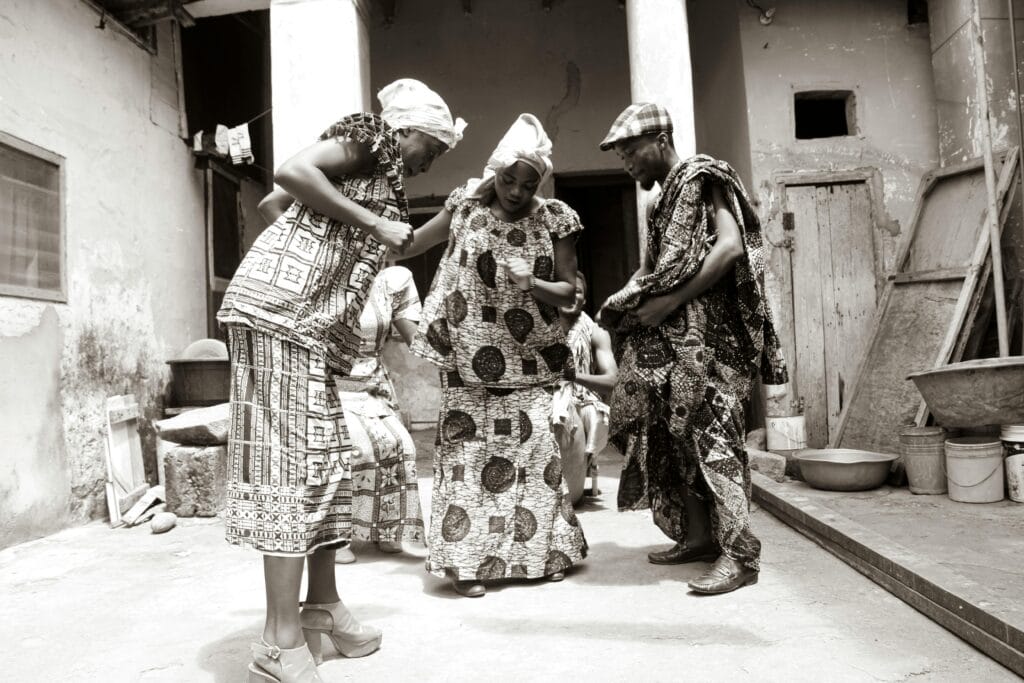
When preparing for a cultural immersion in Zanzibar, it’s essential to approach the experience with respect, an open mind, and a willingness to learn. Zanzibar is rich in history, culture, and traditions, influenced by African, Arab, Indian, and European heritage. Here’s how to ensure you’re ready to fully engage with Zanzibar’s vibrant culture: Learn About Local Etiquette and Traditions Understanding local customs is crucial before embarking on any cultural experience. Zanzibar is predominantly Muslim, and respecting the local customs will help you connect better with the community. Dress Modestly: While on the beach or in resorts, casual clothing is fine, but when visiting towns, villages, or cultural sites, it’s important to dress modestly. Women should avoid wearing revealing clothing, and both men and women should cover their shoulders and knees in public areas. Greetings Matter: Zanzibar has its own set of greetings. A common greeting is “Hujambo” (How are you?), and a polite response is “Sijambo” (I’m fine). If you’re in a more rural area, you’ll find that locals appreciate it when you take the time to greet them before engaging in conversation or asking for directions. Respect for Religion: Zanzibar’s Islamic influence means there are sacred times such as prayer calls. When visiting mosques or local communities, be respectful of prayer times and avoid loud talking or disruptive behavior. Explore Local Markets and Towns Zanzibar’s markets are bustling centers of daily life, offering a glimpse into the local culture. Visiting local markets in places like Stone Town is one of the best ways to immerse yourself in the culture. Spice Tours: Zanzibar is known as the “Spice Island,” and taking a spice farm tour is one of the most immersive experiences you can have. You’ll not only learn about the spices grown here but also get to interact with the farmers and understand the important role spices play in Zanzibar’s economy and culture. Shopping and Bargaining: Markets in Zanzibar can be an excellent place to purchase unique crafts, from handmade jewelry to textiles and carvings. Don’t hesitate to bargain, as this is part of the culture and a way to interact with local vendors. Approach it as a friendly exchange rather than a transaction. Sample Local Food: Zanzibar is famous for its unique fusion cuisine. Dishes like Zanzibar pizza, samosas, and grilled seafood are delicious and often prepared in the local style. Don’t miss trying some fresh coconut juice or spicy pilau rice. Visiting local eateries will give you an authentic taste of the culture. Engage with Local Communities Zanzibar’s residents are known for their warmth and hospitality. To experience a true cultural immersion, engage with the locals. There are several ways to do this: Participate in Community Projects: Many local NGOs and community projects welcome tourists to participate in activities like volunteering, cultural exchanges, or even traditional cooking classes. This not only allows you to learn firsthand but also helps support local initiatives. Home Visits: In some areas, local families open their homes to visitors, offering a chance to learn about daily life in Zanzibar. This might include watching how food is prepared or hearing about local history and stories passed down through generations. Cultural Performances: Zanzibari music and dance are an important part of the island’s heritage. Attending a Taarab music performance or watching a traditional Swahili dance can be a memorable experience. These performances often tell stories and offer insight into Zanzibar’s cultural fusion. Respect the Environment Cultural immersion also involves respecting the natural environment. Zanzibar’s unique flora and fauna, as well as its pristine beaches, are integral to the cultural experience. Beach Etiquette: While Zanzibar’s beaches are inviting, it’s essential to be mindful of the environment. Avoid leaving trash behind and be respectful of local communities who live near the beach. Conservation Efforts: If you’re visiting natural reserves or wildlife parks, follow the rules set in place to protect the island’s ecosystems. Participating in local conservation efforts, such as turtle release programs, can be an enriching experience. Understand Zanzibar’s Historical Significance Zanzibar is home to a rich and complex history. Understanding the island’s past can significantly enhance your cultural immersion. Visit Historical Sites: Explore the House of Wonders, the Sultan’s Palace, and the Old Fort to learn more about Zanzibar’s past, especially its role in the spice trade, Arab and European colonial history, and the slave trade. Stone Town: The historical heart of Zanzibar, Stone Town, is a UNESCO World Heritage site. Wandering through the narrow streets and alleyways will offer a glimpse of life from centuries past, where the influences of Africa, Arabia, and India all intersect. Be Open and Respectful One of the most rewarding aspects of cultural immersion is the opportunity to exchange stories and experiences. As a visitor, showing a genuine interest in Zanzibar’s culture will often be met with kindness and openness. Approach every situation with respect and curiosity, whether you’re interacting with locals, enjoying a meal, or admiring the island’s unique architecture. By embracing Zanzibar’s traditions, respecting local norms, and engaging with its people, you’ll gain a deeper understanding and appreciation of this beautiful and culturally rich destination. This kind of cultural immersion will make your trip unforgettable and help you connect with Zanzibar on a much deeper level. Customize Your Adventure Kilimanjaro 3 tours Safari 9 tours Zanzibar 3 tours

How to prepare for a cultural immersion in Zanzibar Read More »

Scroll to Top