The Tourist

rain, wet, drops

What to Expect on Rainy Season Safaris: A Unique Adventure in the Green Season

The rainy season, often referred to as the “green season,” offers a fresh perspective on African safaris. While many travelers flock to the dry season for wildlife viewing, the rainy months bring their own unique charm and unforgettable experiences. Here’s what you can expect when embarking on a rainy-season safari. 1. Lush Landscapes and Stunning Scenery The rainy season transforms the plains and woodlands into vibrant green paradises. Rivers flow, waterfalls are at their peak, and flowers bloom, creating picture-perfect backdrops for your adventure. Photographers love the dramatic skies, with golden light breaking through stormy clouds for stunning shots. 2. Fewer Crowds and a More Intimate Safari The rainy season sees fewer tourists, offering a more peaceful and private experience. Popular parks like the Serengeti and Ngorongoro Crater feel less crowded, allowing for unobstructed views and personalized game drives. Accommodations and safari packages are often more affordable during this time, making it an ideal option for budget-conscious travelers. 3. Exceptional Birdwatching Opportunities The green season attracts migratory birds, making it a paradise for birdwatchers. You’ll spot colorful species like the European roller, carmine bee-eater, and woodland kingfisher. With the abundance of water and food, birds are active, displaying vibrant plumage and unique behaviors. 4. Wildlife Sightings Are Still Incredible While wildlife may spread out due to abundant water sources, animals are still active and visible. Calving season occurs during the rains (January to March in the Serengeti), where you can witness wildebeest, zebras, and gazelles giving birth. Predators like lions, cheetahs, and hyenas take advantage of the abundance of prey, providing thrilling predator-prey interactions. 5. Quieter and Greener Parks Parks like Tarangire, Ruaha, and Selous, which can be dusty in the dry season, transform into lush havens during the rains. Smaller parks and private reserves also feel more secluded, offering exclusive safari experiences. 6. Challenges to Prepare For While the rainy season has its rewards, there are a few challenges to consider: Road Conditions: Some roads and tracks may become muddy or impassable, particularly in remote areas. Wildlife Movement: Animals are more dispersed due to plentiful water, requiring patience and skilled guides to track them. Weather Variability: Rain showers can be unpredictable, so prepare for sudden downpours and pack accordingly. 7. Packing Tips for Rainy Season Safaris Clothing: Quick-dry clothes, waterproof jackets, and sturdy, waterproof boots are essential. Accessories: Bring a good pair of binoculars, a camera with a rain cover, and a waterproof daypack. Insect Protection: The rains can bring more mosquitoes, so pack insect repellent and wear long sleeves in the evening. 8. Highlights of a Rainy Season Safari Calving Season in the Serengeti: Witness thousands of wildebeest calves taking their first steps, alongside heart-pounding predator action. Lesser Crowds in Ngorongoro Crater: Enjoy more exclusive game drives with fewer vehicles in one of Tanzania’s most iconic locations. Dramatic Landscape Changes: Parks like Selous and Ruaha come alive with greenery, flowing rivers, and an abundance of smaller wildlife species. Book Your Rainy Season Safari with Future African Safari At Future African Safari, we believe the rainy season offers an unmatched safari experience for adventurous travelers. From lush landscapes to unique wildlife moments, this is your chance to see Africa at its most vibrant. Contact us today to plan your green-season adventure and explore the magic of Tanzania’s rainy months! Customize Your Adventure Kilimanjaro 3 tours Safari 9 tours Zanzibar 3 tours

What to Expect on Rainy Season Safaris: A Unique Adventure in the Green Season Read More »

moutains, fog, clouds

Tanzania Safari Weather Guide: Plan the Perfect Adventure Year-Round

Tanzania is a year-round safari destination with a variety of climates, thanks to its diverse geography and proximity to the equator. Whether you’re seeking the Great Migration, climbing Mount Kilimanjaro, or relaxing on Zanzibar’s beaches, understanding the weather will help you make the most of your safari experience. Here’s a month-by-month breakdown of Tanzania’s weather and the best times for different safari adventures. Tanzania’s Climate Overview Tanzania has two main seasons: Dry Season (June to October): Known for clear skies, cool temperatures, and excellent wildlife viewing as animals gather around water sources. Rainy Season (November to May): Divided into the short rains (November to December) and the long rains (March to May), offering lush landscapes and fewer tourists. Month-by-Month Weather Guide January to February Weather: Warm and humid, with occasional short rains. Best For: Calving season in the Serengeti as thousands of wildebeest give birth, attracting predators. Great for birdwatching as migratory species arrive. Travel Tip: Light rain might occur, but roads are generally passable, and crowds are fewer. March to May (Long Rains) Weather: Heavy rainfall, particularly in April. Temperatures remain warm. Best For: Budget-friendly safaris with lush green landscapes and dramatic skies. Ngorongoro Crater and Tarangire remain accessible. Travel Tip: Some remote lodges may close, and wildlife can be harder to spot due to dense vegetation. June to October (Dry Season) Weather: Cool and dry with clear skies. Nights can be chilly, especially in higher altitudes like Ngorongoro. Best For: Peak wildlife viewing in the Serengeti, including the famous river crossings during the Great Migration. Excellent for climbing Mount Kilimanjaro or visiting Ruaha and Selous. Travel Tip: This is the most popular time for safaris, so book accommodations and tours early to avoid disappointment. November to December (Short Rains) Weather: Brief, light rains with warm temperatures. Best For: Quieter parks and fewer crowds. The landscape starts turning green, and migratory birds return. Travel Tip: The short rains are less disruptive than the long rains, making it a great time for both safari and beach holidays. Best Time for Specific Safaris Serengeti’s Great Migration: Best Time: June to October (river crossings) and January to February (calving season). Why: Dry season ensures easier wildlife spotting, while calving season offers predator action. Ngorongoro Crater: Best Time: Year-round, though the dry season (June to October) offers better visibility. Why: Animals are abundant within the crater, regardless of the season. Tarangire and Selous Game Reserves: Best Time: Dry season (June to October) when animals congregate near water sources. Why: These parks have seasonal rivers that attract large concentrations of wildlife during the dry months. Zanzibar Beach Holiday: Best Time: June to February for sunny, dry weather. Why: Perfect for combining a safari with relaxation on the island’s pristine beaches. Packing Tips for Tanzanian Safaris Regardless of the season, pack for variable weather: Dry Season: Light layers for warm days, a jacket for chilly mornings and evenings, and a wide-brimmed hat for sun protection. Rainy Season: Quick-drying clothes, a waterproof jacket, and sturdy boots for muddy trails. All Seasons: Binoculars, sunscreen, insect repellent, and a reusable water bottle are essential year-round.   Book Your Safari with Future African Safari No matter the season, Tanzania offers unforgettable experiences. At Future African Safari, we help you plan the perfect trip, whether you’re chasing the Great Migration, climbing Kilimanjaro, or relaxing on Zanzibar’s beaches. Contact us today to start planning your Tanzanian adventure! Customize Your Adventure Kilimanjaro 3 tours Safari 9 tours Zanzibar 3 tours

Tanzania Safari Weather Guide: Plan the Perfect Adventure Year-Round Read More »

A mother and daughter pack a suitcase for a summer vacation, creating joyful memories.

What to pack for a Zanzibar vacation

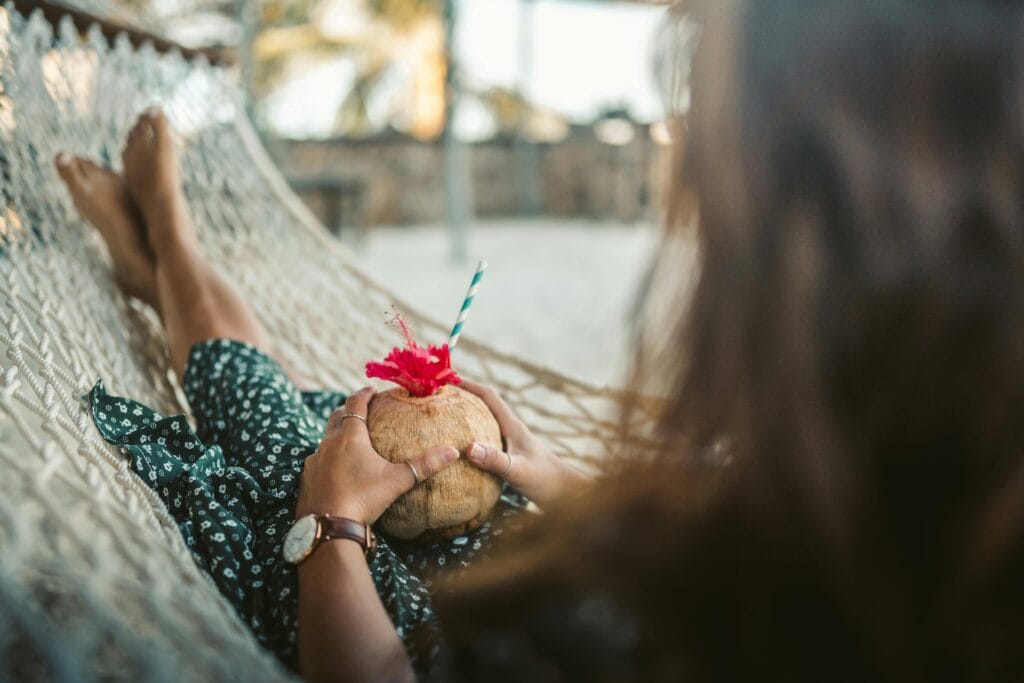
Packing for Zanzibar requires a mix of practical essentials, comfortable clothing, and items to enhance your tropical island experience. Known for its warm climate, stunning beaches, and rich cultural heritage, Zanzibar is the perfect destination to relax and explore. Here’s a comprehensive guide to help you pack for your unforgettable trip. Clothing Essentials Lightweight and Breathable Clothing: Pack light, loose-fitting clothes made of cotton or linen to stay cool in Zanzibar’s tropical climate. Swimwear: Bring at least two swimsuits for beach days, pool lounging, or snorkeling adventures. Cover-ups: A sarong or kaftan is perfect for transitioning from beach to other activities while respecting local customs. Evening Attire: For dinners or nights out, pack casual yet stylish outfits. Conservative Clothing: Zanzibar is a predominantly Muslim region. If you’re exploring Stone Town or local villages, wear clothing that covers your shoulders and knees to respect local culture. Light Sweater or Shawl: Although it’s generally warm, evenings can sometimes feel breezy, especially by the coast. Footwear Comfortable Sandals: Ideal for beach walks and casual outings. Walking Shoes: If you plan to explore Stone Town or go on nature walks, bring comfortable sneakers or sturdy walking shoes. Flip-Flops: Handy for the beach or quick errands. Sun Protection Wide-Brimmed Hat: Essential for keeping the tropical sun off your face. Sunglasses: Polarized lenses are recommended to protect your eyes from the bright sun and glare. Sunscreen: Choose reef-safe sunscreen to protect your skin and Zanzibar’s marine life. Lip Balm with SPF: To prevent sunburn on your lips. Beach and Water Gear Quick-Dry Towel: Great for beach days and water activities. Snorkeling Gear: While some tour operators provide equipment, bringing your own ensures a perfect fit. Waterproof Phone Pouch: Ideal for protecting your phone while kayaking or snorkeling. Reusable Water Bottle: Stay hydrated and reduce plastic waste. Travel Essentials Light Backpack or Tote: For day trips or beach outings. Travel Adapter: Zanzibar uses the British-style Type G plug, so bring an adapter if needed. Power Bank: To keep your devices charged during long days out. Travel Insurance: Ensure you’re covered for medical emergencies and trip cancellations. Passport and Visa: Check visa requirements before traveling. Health and Hygiene Items Insect Repellent: Choose a DEET-based repellent to ward off mosquitoes. Basic First Aid Kit: Include pain relievers, band-aids, antiseptic wipes, and any prescription medications. Hand Sanitizer: A must-have for keeping your hands clean during outings. Wet Wipes: Handy for freshening up on the go. For Cultural and Local Exploration Guidebook or Apps: Learn about Zanzibar’s history and attractions before exploring. Notebook or Journal: Capture memories of your trip. Local Currency: While credit cards are accepted in some places, having Tanzanian Shillings for local markets and small vendors is helpful. Optional Extras Underwater Camera or GoPro: Perfect for capturing Zanzibar’s stunning marine life. Books or E-Reader: Great for relaxing on the beach or during downtime. Lightweight Raincoat: If visiting during the rainy season (April to May), a raincoat might come in handy. Packing thoughtfully ensures you’re prepared to enjoy all that Zanzibar has to offer, from its beautiful beaches to its rich cultural experiences. Remember to pack light, as the island’s laid-back vibe calls for minimalism and comfort. Book your Zanzibar getaway with Future African Safari for a seamless and unforgettable adventure. Customize Your Adventure Kilimanjaro 3 tours Safari 9 tours Zanzibar 3 tours
What to pack for a Zanzibar vacation Read More »

ziff pic

The significance of the Zanzibar International Film Festival

The Zanzibar International Film Festival (ZIFF), often referred to as the “Festival of the Dhow Countries,” is one of the most prestigious cultural events in East Africa. Held annually on the island of Zanzibar, the festival has become a celebrated platform for showcasing African and international film, music, and arts. With its roots deeply embedded in the rich cultural heritage of Zanzibar, ZIFF has grown to become an influential event in promoting African cinema, fostering cultural exchange, and contributing to the tourism and creative industries in the region. A Celebration of African Cinema and Beyond ZIFF plays a vital role in shining a spotlight on African filmmakers, offering them a global stage to showcase their work. The festival’s focus on African stories and experiences provides a unique opportunity to tell diverse and underrepresented narratives, exploring themes ranging from social issues to historical reflections. It also encourages filmmakers to experiment with storytelling, using both traditional and contemporary techniques to create films that resonate with local and global audiences. In addition to African cinema, ZIFF features films from the Middle East, Asia, and Europe, celebrating a wide range of cultural expressions. This mix of international films fosters dialogue and understanding, creating a space where filmmakers from different parts of the world can exchange ideas and perspectives. Promoting Zanzibar’s Cultural Heritage Held in the heart of Stone Town, a UNESCO World Heritage site, the Zanzibar International Film Festival is deeply intertwined with the island’s history and cultural significance. Zanzibar, with its unique blend of African, Arab, and European influences, serves as the perfect backdrop for this celebration of diverse cultures. The festival draws inspiration from Zanzibar’s history as a key trading hub, where different cultures have long coexisted and influenced each other. The picturesque venues, such as outdoor screenings at the Old Fort and the Seafront Arena, provide an immersive experience, allowing festival-goers to enjoy films in the historical surroundings of Stone Town. This environment not only enhances the viewing experience but also strengthens the connection between the arts and the island’s rich cultural heritage. Fostering the Local Creative Industry ZIFF provides a crucial platform for Tanzanian filmmakers and artists, who may otherwise lack access to international exposure. By bringing together local filmmakers, actors, and industry professionals, the festival encourages the growth of Zanzibar’s film industry and creative sectors. Workshops, panel discussions, and masterclasses are often held during the event, allowing emerging filmmakers to hone their skills and build connections with industry experts. The festival also stimulates the local economy, attracting tourists, media, and industry professionals from around the world. The influx of visitors during ZIFF boosts tourism, local businesses, and the hospitality industry, making the festival a key economic driver for Zanzibar. Building Bridges Through Cultural Exchange Beyond the film screenings, ZIFF is a celebration of cultural exchange, bringing together people from diverse backgrounds to share ideas, stories, and experiences. The festival provides a space for networking, collaboration, and the promotion of cross-cultural understanding, strengthening the ties between Zanzibar and the wider world. The event’s blend of film, music, dance, and art creates a vibrant atmosphere that draws attendees from around the world. Whether through showcasing local Swahili music, hosting African cinema showcases, or celebrating international art forms, ZIFF fosters an appreciation for global creativity. Supporting the Tourism Industry For tourists visiting Zanzibar, the festival offers a unique cultural experience that goes beyond the island’s well-known beaches and historic landmarks. ZIFF provides an opportunity to explore Zanzibar’s thriving creative scene and engage with local culture in a meaningful way. As an integral part of Zanzibar’s cultural calendar, the festival attracts not only film lovers but also those interested in arts, culture, and history. The event also contributes to Zanzibar’s growing reputation as a cultural tourism destination. Tourists who attend the festival often extend their stay to explore Zanzibar’s heritage sites, pristine beaches, and vibrant markets, further boosting the local economy. A Platform for Emerging Talent One of the core missions of ZIFF is to discover and promote emerging talent in the film industry. Through various awards and competitions, the festival provides recognition to new filmmakers and artists, often giving them the confidence and visibility needed to continue their creative pursuits. ZIFF has helped launch the careers of many successful filmmakers who have gone on to gain recognition on the international stage. The festival’s emphasis on short films, documentaries, and experimental cinema ensures that even emerging filmmakers have a space to showcase their work and gain recognition from both local and international audiences. The Future of ZIFF As the Zanzibar International Film Festival continues to grow, its impact on African cinema, Zanzibar’s cultural landscape, and the global arts scene is becoming increasingly significant. With the rise of digital platforms and increasing international interest in African storytelling, ZIFF stands at the forefront of shaping the future of cinema in East Africa and beyond. The festival’s role in promoting cultural tourism and its contributions to the local economy and creative industries will continue to make it an essential event for the island and its people. Camping in Zanzibar’s national parks offers a truly immersive experience, allowing you to connect with nature in some of the most beautiful settings the island has to offer. From the lush forests of Jozani to the pristine beaches of Mnemba Atoll, Zanzibar’s diverse landscapes make it an ideal destination for outdoor enthusiasts looking for a unique adventure. Book your camping experience with Future African Safari to ensure you have the perfect camping trip in this island paradise. Customize Your Adventure Kilimanjaro 3 tours Safari 9 tours Zanzibar 3 tours

The significance of the Zanzibar International Film Festival Read More »

tent, camping, outdoors

Camping options in Zanzibar’s national parks

Zanzibar is a tropical paradise known for its pristine beaches and vibrant culture, but the island also boasts stunning national parks that offer a different kind of adventure for nature lovers. For those looking to experience Zanzibar’s wildlife and natural beauty up close, camping in one of the island’s national parks is a fantastic way to connect with the outdoors. From lush forests to coastal reserves, Zanzibar offers a variety of camping options that let you immerse yourself in the island’s natural wonders. 1. Jozani Chwaka Bay National Park Why It’s Worth Camping: Jozani Chwaka Bay National Park is Zanzibar’s only national park and is home to diverse ecosystems, including mangrove forests, coral rag forest, and marshlands. It’s also famous for being the habitat of the Red Colobus Monkey, a species endemic to Zanzibar. Camping here allows you to enjoy the park’s biodiversity while being surrounded by the tranquil sounds of nature. What to Do: The park offers guided nature walks through the forest, where you can spot unique wildlife like monkeys, birds, and butterflies. Night camping in Jozani provides a perfect opportunity for stargazing, and you may even hear the distant calls of nocturnal creatures. Visitors can set up camp near the park’s entrance or arrange for camping experiences with local eco-lodges that specialize in outdoor experiences. 2. Zanzibar Marine Park (Mnemba Atoll) Why It’s Worth Camping: While Zanzibar Marine Park itself doesn’t have traditional camping grounds, nearby islands like Mnemba Atoll provide an excellent opportunity for camping on secluded beaches. The marine park is home to vibrant coral reefs, making it an ideal spot for snorkeling and diving. Spending the night on a remote beach allows you to enjoy the beauty of Zanzibar’s coastline in peace. What to Do: Arrange a beach camping trip with a local operator, where you can camp on white sandy beaches, enjoy water activities like snorkeling or kayaking, and wake up to breathtaking ocean views. Be sure to explore the underwater world, known for its diverse marine life, including sea turtles, dolphins, and colorful fish. 3. Chumbe Island Coral Park Why It’s Worth Camping: Chumbe Island is a protected marine park and a conservation success story, offering visitors a rare opportunity to experience eco-friendly camping. The island is home to an incredible variety of marine life, as well as lush forests and pristine beaches. It’s a great choice for eco-conscious travelers who want to immerse themselves in nature while staying in a sustainably developed environment. What to Do: Camping at Chumbe Island typically involves staying in eco-friendly, rustic cabins or tented camps. The island offers guided tours to its coral reef, as well as nature walks through its forest, where you can spot rare bird species. The island also emphasizes sustainable tourism, so your visit directly supports environmental conservation efforts. 4. Pemba Island (Off the Coast of Zanzibar) Why It’s Worth Camping: While technically separate from Zanzibar, Pemba Island is often considered part of the Zanzibar Archipelago and offers more secluded and adventurous camping opportunities. Known for its lush green hills, mangrove forests, and pristine beaches, Pemba is ideal for those seeking a more remote and natural experience. What to Do: You can camp on the island’s many untouched beaches, explore the dense forests, or go diving in the area’s unspoiled coral reefs. Ngezi Forest Reserve on Pemba offers a beautiful backdrop for nature-based camping, where you can enjoy hiking, birdwatching, and exploring the island’s rich flora and fauna. 5. Forest Reserve Camping Why It’s Worth Camping: Zanzibar’s numerous forest reserves, such as the Ngezi Forest Reserve on Pemba Island and smaller conservation areas on Zanzibar itself, provide great camping options for those looking to explore the island’s lush landscapes. These forests are home to exotic plant species, rare animals, and vibrant birdlife. What to Do: While camping in the forest reserves, enjoy guided walks to learn about the local flora and fauna, or participate in birdwatching sessions. For a more immersive experience, spend the night under the canopy of the forest, listening to the sounds of nature. 6. Eco-Lodges with Camping Options Why It’s Worth Camping: For those who want to enjoy the camping experience without giving up all the comforts, Zanzibar has several eco-lodges that offer a mix of traditional camping and upgraded services. These lodges often have tented camps set in the heart of nature, providing a unique way to experience the island’s wildlife and environment. What to Do: Stay at places like Zanzibar Eco Lodge or Ritz Resort Zanzibar, where you can choose to camp in style with amenities such as showers and dining areas while being surrounded by nature. Many of these eco-lodges offer guided safari tours, nature walks, and beach access, giving you the best of both worlds. 7. Beach Camping on Zanzibar’s Coastal Reserves Why It’s Worth Camping: Zanzibar is home to many coastal areas with breathtaking beaches that are perfect for setting up camp under the stars. Whether you want to stay near the Paje Beach area, Kendwa, or other secluded shores, beach camping offers a great chance to relax, swim, and enjoy the tranquility of the island’s coastline. What to Do: Camp on the soft sands of Zanzibar’s pristine beaches, go for a swim in the warm turquoise waters, or enjoy a beach bonfire as the sun sets. Some coastal campsites are equipped with basic facilities, while others offer more luxurious beachfront accommodations. Things to Remember When Camping in Zanzibar Weather Considerations: Zanzibar’s tropical climate means it’s important to plan your camping trip during the dry season, which runs from June to October. This ensures more comfortable camping conditions and a lower chance of rain. Permits and Regulations: Always check with local authorities or your tour operator to ensure you have the necessary permits and approvals to camp in designated areas. Zanzibar is home to protected areas, and regulations are in place to preserve its natural beauty. Eco-Friendly Practices: Respect the island’s delicate ecosystems by using eco-friendly camping gear, minimizing waste, and following

Camping options in Zanzibar’s national parks Read More »

kk security mrt mobile response crew at work in alley

How safe are Tanzania’s safari lodges?

Tanzania’s safari lodges are generally very safe, especially those that are well-established and operate in popular areas like Serengeti, Ngorongoro, and Tarangire. These lodges prioritize the safety and well-being of their guests, offering secure accommodations with trained staff, reliable security measures, and well-maintained facilities. Here are some factors to consider when assessing the safety of safari lodges in Tanzania: 1. Professional Management and Standards Established Operations: Renowned lodges, especially those in national parks and reserves, are managed by reputable companies with high safety standards. These lodges follow guidelines set by Tanzanian tourism authorities and international safety protocols. Experienced Staff: Lodge staff are trained to handle emergencies, including medical situations and wildlife encounters. Many staff members are also knowledgeable about first aid and safety procedures specific to safari settings. 2. Location and Security Secure Fencing: Many safari lodges in areas with high wildlife populations are surrounded by secure fences to keep animals away from guest areas. This provides a layer of protection during the night, especially against large predators like lions, elephants, or hyenas that may wander near the lodge. Night-time Security: For additional safety, many lodges employ night watchmen or security patrols around the property to ensure guests are protected from potential animal encounters. Guests are typically escorted to their rooms after dark. 3. Wildlife Awareness Guides and Rangers: Lodges typically employ professional safari guides or rangers who are trained in managing wildlife interactions. These guides know how to handle situations where guests might encounter wild animals. They ensure that safaris are conducted in a safe manner, advising guests on how to behave when in the presence of animals. Safety Briefings: Most lodges provide guests with safety briefings upon arrival. These briefings cover how to stay safe when walking around the lodge, during game drives, and on walking safaris. They also teach guests how to react if they come across wild animals outside of the guided safari. 4. Emergency Services and Medical Support Proximity to Medical Facilities: Many lodges are located near medical facilities or have partnerships with local clinics, so in case of emergencies, guests can receive prompt medical attention. For more remote lodges, medical evacuation services are often available, and some lodges have onsite medical kits or basic medical staff. Air Evacuation: Some upscale lodges, especially in more remote locations, offer air evacuation services in case of serious illness or injury. Helicopter or light aircraft evacuation can be arranged to the nearest hospital if needed. 5. Lodging Types and Comfort Luxurious Safari Lodges: Higher-end lodges often offer a very safe environment with luxury facilities, including secure accommodations, private enclosures, and controlled access points. These lodges usually cater to more discerning travelers, prioritizing both comfort and security. Tented Camps: While more adventurous, many of Tanzania’s tented camps are also very safe. They are designed with robust structures and carefully planned layouts to minimize risks from wildlife. They are also monitored by rangers who ensure safety when guests are outdoors. 6. Wildlife Encounters Precautions During Safaris: While encountering wildlife is part of the experience, safety is a priority. Safari vehicles are equipped with safety features and drivers are well-trained to handle wildlife sightings safely. Guests are advised to stay in the vehicle during game drives unless guided by a professional to do otherwise. Wildlife-Proof Rooms: Safari lodges provide rooms or tents that are generally “wildlife-proof” to ensure no animals enter the rooms. It’s rare for animals to intrude, but extra precautions are taken in areas with a higher concentration of large predators. 7. Weather and Natural Risks Weather Considerations: While weather-related risks are typically low, it’s always a good idea to be prepared for occasional heavy rain, strong winds, or extreme heat. Lodges in Tanzania are well-equipped to handle these conditions, with structures designed for both comfort and durability. 8. Safe Transport and Accessibility Transport Safety: Lodges often arrange for transport between airports and the lodge, which is managed by professional drivers familiar with the terrain. These drivers use vehicles that are equipped for safaris and ensure that your journey is safe, even on rugged roads. Safe Walking Tours: Some lodges offer guided walking safaris. These tours are led by expert guides who are well-trained in wildlife tracking and ensuring the safety of guests in close proximity to animals. Walking tours are usually only permitted in areas where the risk of encounters with dangerous animals is minimal. 9. Reputation and Reviews Online Reviews and Recommendations: Before booking, it’s always a good idea to check reviews on travel platforms like TripAdvisor or consult with trusted travel agencies. Established safari lodges often receive high marks for safety and guest satisfaction. Word of Mouth: Recommendations from previous travelers who have visited the lodge are a great way to gauge how seriously safety is taken. Conclusion Tanzania’s safari lodges are generally safe, with most places offering strong security measures, expert guides, and accommodations designed to protect guests from wildlife encounters. By choosing well-established lodges with good reviews and professional management, you can feel confident in the safety of your safari experience. Always follow safety guidelines provided by the lodge, and stay aware of your surroundings to ensure a safe and enjoyable adventure. Customize Your Adventure Kilimanjaro 3 tours Safari 9 tours Zanzibar 3 tours

How safe are Tanzania’s safari lodges? Read More »

Lively street parade with energetic participants in colorful attire, showcasing African culture.

How to enjoy traditional Zanzibari music

Zanzibar, with its rich cultural history and unique blend of African, Arab, and Indian influences, offers a vibrant and captivating music scene. Traditional Zanzibari music reflects the island’s diverse heritage, from the soulful rhythms of Taarab to the beats of Ngoma drumming. Whether you’re visiting a local performance or exploring the sounds in the comfort of your hotel, there are several ways to immerse yourself in the captivating world of Zanzibari music. 1. Attend a Live Taarab Performance Why It’s Worth Enjoying: Taarab is the most iconic form of Zanzibari music, blending Swahili poetic lyrics with a mix of Arabic, Indian, and African musical traditions. The slow, melodic rhythms, accompanied by instruments like the oud, violin, and accordion, create an emotional and moving listening experience. What to Do: Head to venues like Forodhani Gardens in Stone Town, where local musicians often perform live Taarab. Additionally, many hotels and resorts host evening performances featuring Taarab music. If you’re lucky, you may also be able to catch a live Taarab orchestra at events like the Sauti za Busara Festival held annually in Zanzibar. 2. Explore Zanzibar’s Music Festivals Why It’s Worth Enjoying: Zanzibar is home to several music festivals that showcase traditional music alongside modern genres. These festivals are a great way to experience a mix of live performances from local and international artists in the heart of Zanzibar. What to Do: Attend the Sauti za Busara festival, the most prominent music event on the island. It features local Zanzibari music as well as performances from African and global artists. Another option is the Zanzibar International Film Festival, which often includes musical performances, allowing visitors to experience the island’s music culture in an engaging and festive setting. 3. Visit the Zanzibar Cultural Centre Why It’s Worth Enjoying: The Zanzibar Cultural Centre offers a deeper look into the island’s music, arts, and culture. It often hosts performances and educational events focused on traditional music, and it’s a great place to learn more about the history and instruments behind Zanzibari music. What to Do: Attend one of the center’s music performances, where you can hear live traditional music and interact with musicians who explain the cultural significance of the music. This is a great way to connect with Zanzibari music on a deeper level. 4. Learn About Traditional Instruments Why It’s Worth Enjoying: Zanzibari music is defined by its use of traditional instruments, many of which are unique to the island. Understanding these instruments helps to appreciate the music more fully. What to Do: Take the opportunity to learn about the various instruments used in Zanzibari music, such as the oud (a stringed instrument), violin, sitar, drums, and qanun (a type of zither). You can see these instruments played live at performances or visit local music shops where artisans create them. Some cultural centers and resorts even offer short workshops where visitors can try playing them themselves. 5. Experience the Rhythms of Ngoma Drumming Why It’s Worth Enjoying: Ngoma is a type of traditional drumming music from the Swahili coast, often performed during celebrations, ceremonies, and rituals. The deep, rhythmic beats of Ngoma drumming are central to many cultural events on the island. What to Do: Attend a local performance that showcases Ngoma drumming. You may be able to see drummers perform at festivals, weddings, or local gatherings. If you’re feeling adventurous, look for opportunities to participate in a drumming workshop, where you can try your hand at playing these powerful rhythms yourself. 6. Enjoy Zanzibari Music in a Local Restaurant or Café Why It’s Worth Enjoying: If you’re looking for a more casual way to enjoy traditional music, many local restaurants and cafes offer live performances in the evenings. Enjoying Zanzibari music in a relaxed setting allows you to appreciate the tunes while savoring local cuisine. What to Do: Visit popular spots like The Tatu Restaurant or Mercury’s Restaurant in Stone Town, which often feature live Zanzibari music performances. Dining in these venues gives you the opportunity to enjoy music while experiencing the island’s local dishes, such as Zanzibar pizza and fresh seafood. 7. Discover Zanzibari Music Through Dance Why It’s Worth Enjoying: Traditional Zanzibari music is often accompanied by energetic and expressive dance styles. These dances reflect the rhythms and cultural significance of the music, making for an immersive experience. What to Do: Attend a performance where music and dance go hand in hand, such as a Taarab dance show or a Ngoma dance performance. You can also take part in dance workshops that teach you the traditional movements, helping you connect even more deeply with the music. 8. Visit Local Music Shops and Markets Why It’s Worth Enjoying: Exploring local music shops and markets gives you the chance to not only hear music but also purchase instruments or recordings to take home as souvenirs. What to Do: Visit Stone Town’s markets, where you may find traditional music instruments and CDs of Zanzibari music. You can talk to the local musicians and shopkeepers to learn more about the instruments and music that are integral to the island’s culture. 9. Take a Zanzibar Music Tour Why It’s Worth Enjoying: A guided music tour is a great way to explore the island’s music scene while learning from local experts. These tours take you to live performances, music venues, and cultural centers, and provide a deeper understanding of the historical roots of Zanzibari music. What to Do: Book a Zanzibar music tour with a local guide, who can take you to the best spots for traditional music performances and explain the history and cultural significance of each style. Tours may include stops at local music venues, cultural centers, and even private performances. Traditional Zanzibari music offers a deep dive into the island’s rich cultural heritage. Whether you’re enjoying a live performance of Taarab, learning about Ngoma drumming, or dancing to the rhythms of Zanzibar, the music of the island is an essential part of the travel experience. Book your Zanzibar getaway with Future African

How to enjoy traditional Zanzibari music Read More »

Collection of motivational health and fitness messages on white cards, promoting a healthy lifestyle.

Tanzanian safari health tips

When planning a safari in Tanzania, it’s essential to keep health and safety in mind. The adventure offers an incredible opportunity to explore nature and wildlife, but being prepared ensures you can enjoy it to the fullest. Here are some key health tips to help you stay safe and healthy during your Tanzanian safari: 1. Vaccinations and Health Precautions Consult with Your Doctor: Before traveling, make sure to visit your healthcare provider to discuss necessary vaccinations and health precautions. Recommended vaccinations for travelers to Tanzania often include: Yellow Fever: Required if you’re coming from a country with a risk of yellow fever transmission. Hepatitis A & B: Hepatitis vaccines are recommended for travelers visiting rural areas and for those who might be exposed to contaminated food or water. Typhoid: If you’re traveling to more rural areas or plan to eat street food, a typhoid vaccine may be advised. Malaria: Malaria is common in many parts of Tanzania, so your doctor may recommend anti-malarial medication, especially if you’re traveling to lowland areas like Serengeti or the Ngorongoro Crater. Routine Vaccines: Make sure you’re up-to-date on routine vaccinations like MMR (measles, mumps, rubella), polio, and tetanus. 2. Malaria Prevention Use Malaria-Proof Measures: Malaria is a risk in many parts of Tanzania, especially during the wet season. To prevent malaria: Take prescribed anti-malarial drugs as directed by your healthcare provider. Wear long-sleeved clothing and long pants, especially during the evening and night, to minimize mosquito bites. Use mosquito repellent with DEET on exposed skin, particularly in the evenings when mosquitoes are most active. Stay in accommodations with good mosquito netting or air conditioning to avoid bites while sleeping. 3. Stay Hydrated Drink Plenty of Water: The climate in Tanzania can be hot and dry, particularly in areas like the Serengeti. Dehydration is a risk, especially during game drives or hikes. Carry bottled water with you and drink regularly throughout the day. Bottled Water Only: Stick to bottled water from a reliable source to avoid waterborne diseases. Avoid drinking from streams or lakes, as they may be contaminated. Electrolyte Drinks: To maintain your electrolyte balance, consider drinking an electrolyte-replenishing drink, especially after hot days in the field. 4. Food and Water Safety Eat Safely: While Tanzania offers a variety of delicious food, it’s important to eat in places with good hygiene practices. Stick to food that is freshly prepared and avoid street food or uncooked dishes like salads, which may not be properly washed. Avoid Ice: Ice may be made from contaminated water, so it’s safer to avoid drinks with ice unless you’re sure it’s made from purified water. Stick to Cooked Food: Ensure that all meats are fully cooked to avoid foodborne illnesses. In safari lodges, the food is generally prepared with care, but always be cautious when eating outside these controlled environments. 5. Sun Protection Protect Yourself from the Sun: Tanzania’s sun can be intense, especially during midday. Protect your skin from harmful UV rays by: Wearing sunscreen with a high SPF (30 or higher) and reapply it frequently, especially after swimming or sweating. Wearing a wide-brimmed hat and sunglasses to protect your face, eyes, and neck. Dress in lightweight, long-sleeved clothes to cover your skin while still staying cool. 6. Insect Protection Prevent Insect Bites: Aside from mosquitoes, other insects like ticks and flies can carry diseases. To avoid bites: Use insect repellent on exposed skin, especially during early mornings and evenings. Wear light-colored clothing, which is less attractive to bugs. If you’re in the bush or on a walking safari, consider wearing closed shoes and socks to avoid ticks. 7. First-Aid Kit Pack a Basic First-Aid Kit: Bring along a small first-aid kit with essentials for minor injuries or illnesses. Recommended items include: Bandages, antiseptic wipes, and gauze Pain relievers such as ibuprofen or acetaminophen Anti-diarrheal medication, just in case Prescription medications for any personal health conditions Mosquito repellent and sunscreen Anti-nausea tablets for motion sickness (if you’re prone to it on long game drives) 8. Safety and Hygiene Hand Hygiene: Carry hand sanitizer with you and use it regularly, especially before eating. Public restrooms may not always have soap or clean water, so hand sanitizers are essential for maintaining hygiene. Avoid Touching Animals: While animals may seem tame, they can carry diseases like rabies. Never approach or touch animals, even in game reserves or lodges where they may be accustomed to human presence. 9. Travel Insurance Get Travel Insurance: Ensure you have comprehensive travel insurance that covers medical emergencies, evacuation, and safari-related incidents. Check that the insurance also covers coverage for remote areas where medical care may be scarce. 10. Know the Signs of Common Illnesses Be Aware of Common Symptoms: While on safari, it’s crucial to know the symptoms of illnesses like malaria, food poisoning, and dehydration: Malaria: Symptoms can include fever, chills, sweating, headache, and fatigue. If you experience these symptoms, seek medical attention immediately. Dehydration: Signs include dizziness, dry mouth, and dark urine. Drink water regularly and seek shade if you feel dehydrated. Food Poisoning: Symptoms may include stomach cramps, diarrhea, and vomiting. Rest and drink clear fluids if you experience these symptoms, and avoid solid food until you’re feeling better. Conclusion Tanzania offers an amazing safari experience, but like any travel adventure, it’s important to take the right precautions to stay healthy and safe. By staying informed about health risks, taking preventive measures, and preparing appropriately, you can enjoy a worry-free and unforgettable safari. Whether you’re trekking through the Serengeti or relaxing at a lodge, ensuring your health and safety will enhance your safari experience and allow you to focus on the incredible wildlife and landscapes surrounding you. Customize Your Adventure Kilimanjaro 3 tours Safari 9 tours Zanzibar 3 tours
Tanzanian safari health tips Read More »

Dynamic urban street scene with pedestrians and neon signs, capturing nightlife energy.

Exploring the vibrant nightlife in Zanzibar

Zanzibar may be known for its stunning beaches and rich history, but its vibrant nightlife offers an exciting and unique way to experience the island after the sun sets. From beach bars and cultural performances to lively clubs and sunset cruises, Zanzibar’s nightlife scene has something for everyone. Whether you’re in the mood to relax with a cocktail or dance the night away, here’s a guide to exploring Zanzibar’s dynamic after-dark scene. 1. Beachfront Bars and Lounges Why It’s Worth Visiting: Zanzibar’s beautiful beaches provide the perfect backdrop for a laid-back night out. Many beachfront bars and lounges offer relaxed atmospheres where you can enjoy drinks while listening to the sounds of the ocean and taking in the island’s natural beauty. What to Do: Head to places like The Rock Restaurant—famous for its stunning location perched on a rock in the Indian Ocean—or Tatu Restaurant & Lounge for cocktails, seafood, and views of the coastline. These venues are ideal for enjoying a peaceful evening watching the sunset.   2. Sunset Cruises Why It’s Worth Visiting: Zanzibar’s sunsets are nothing short of magical, and there’s no better way to enjoy them than on a sunset cruise. Set sail on a traditional dhow or luxury boat as you glide through the waters around the island. What to Do: Take a sunset dhow cruise from Stone Town or from one of the island’s coastal resorts. Many cruises include music, drinks, and a chance to watch the stunning colors of the sky as the sun dips below the horizon. It’s a great way to start an evening out on the water.   3. Stone Town’s Nightlife Hotspots Why It’s Worth Visiting: Stone Town, the historic heart of Zanzibar, is home to a variety of nightlife venues where locals and tourists mingle. The town’s narrow streets are filled with lively bars, cafes, and restaurants offering live music and entertainment. What to Do: Explore the nightlife in the Forodhani Gardens area, where food stalls and outdoor eateries come alive at night. You can enjoy freshly grilled seafood, local snacks, and a refreshing drink. If you’re in the mood for dancing, head to places like Tatu Zanzibar or The Gold Club for late-night music and dancing.   4. Cultural Performances and Live Music Why It’s Worth Visiting: Zanzibar’s nightlife is deeply rooted in its rich cultural heritage, and many venues offer traditional music and dance performances. These cultural experiences allow visitors to engage with the island’s unique traditions while enjoying the local entertainment. What to Do: Look for restaurants and hotels that host live music events or cultural performances, where you can watch Taarab music (a popular local style) or traditional drumming and dancing. Venues like Zanzibar Serena Hotel often have regular performances, making for a memorable evening.   5. Themed Parties and Events Why It’s Worth Visiting: Zanzibar’s nightlife includes a wide range of themed parties and events, from beach bonfire parties to elegant cocktails on private terraces. Many hotels and resorts host events throughout the year, especially during peak tourist seasons. What to Do: Check with local resorts or tour operators to see if there are any beach parties, full moon parties, or music festivals happening during your stay. These events are a great way to meet people, enjoy great music, and experience Zanzibar’s lively party scene.   6. Late-Night Dining and Street Food Why It’s Worth Visiting: Zanzibar’s street food scene truly comes alive after dark. The food stalls in Stone Town and along the coast offer a delicious variety of local dishes that you can sample while enjoying the evening atmosphere. What to Do: Head to Forodhani Gardens, a popular spot for local snacks and seafood. The vendors here serve up Zanzibar specialties like Zanzibar pizza, Samosas, and grilled fish, perfect for a late-night bite after a day of exploring. It’s also a great spot to soak in the lively, bustling ambiance of the city at night.   7. Nightclubs and Late-Night Bars Why It’s Worth Visiting: For those looking to dance the night away, Zanzibar has a variety of nightclubs and bars where you can enjoy the latest hits or local tunes in a lively, energetic setting. The island offers both high-end venues and casual spots depending on your preference. What to Do: Karma Zanzibar and Chukwani Hotel’s nightclub are popular destinations for those who want to enjoy a night of dancing and upbeat music. For a more intimate vibe, check out local venues with smaller crowds and live DJ performances that keep the energy going until the early hours of the morning.   8. Nighttime Beach Bonfires Why It’s Worth Visiting: A more relaxed, romantic way to enjoy Zanzibar’s nightlife is by attending a beach bonfire. Many resorts and tour operators arrange intimate bonfire events on the beach, where guests can gather around a fire, enjoy drinks, and listen to music under the stars. What to Do: Book a private beach bonfire experience or join one organized by your hotel. This laid-back activity allows you to unwind while enjoying the cool evening breeze and the crackling warmth of the fire.   9. Cocktail Bars with a View Why It’s Worth Visiting: Zanzibar has several rooftop bars and lounges that offer stunning panoramic views of the Indian Ocean. These cocktail bars provide a relaxed atmosphere for enjoying drinks while soaking in the breathtaking views of the sunset or the twinkling lights of Stone Town at night. What to Do: Head to venues like Zanzibar Coffee House or The Terrace Bar at the Zanzibar Serena Hotel, where you can enjoy signature cocktails, international wines, and tapas with an incredible view. It’s a perfect spot for a quiet evening or pre-dinner drinks. Zanzibar’s nightlife offers a perfect balance of relaxation and excitement, with something to suit all tastes. Whether you’re enjoying a sunset cruise, dancing at a lively club, or savoring the local cuisine under the stars, the island’s after-dark scene is the ideal way to add a new layer of excitement to

Exploring the vibrant nightlife in Zanzibar Read More »

knowledge, curiosity, confusion

Common safari myths debunked

When it comes to safaris in Africa, there are a lot of misconceptions and myths that can cloud the excitement of the adventure. From worrying about dangerous wildlife to assuming that safaris are only for the wealthy, these myths can mislead travelers. Let’s debunk some of the most common safari myths to help you enjoy your experience with a clearer perspective: 1. “Safaris Are Only for the Rich” Debunked: While safaris in some luxury lodges and private game reserves can be expensive, there are plenty of affordable safari options available. Budget-friendly campsites, mid-range lodges, and group safari tours can offer incredible experiences without breaking the bank. Additionally, safaris in national parks, like Serengeti or Ngorongoro Crater, can be much more affordable, especially if you’re traveling in a group. 2. “You Have to Be an Expert to Enjoy a Safari” Debunked: You don’t need to be an expert in wildlife or nature to enjoy a safari. Safari guides are highly trained professionals who will provide you with all the information you need to understand and appreciate the animals and ecosystems around you. They’ll share fascinating insights, point out animals, and help you make the most of your experience, whether you’re a first-time safari-goer or a seasoned traveler. 3. “You Can Only See the Big Five on Safari” Debunked: While the “Big Five” (lion, elephant, buffalo, leopard, and rhinoceros) are iconic and highly sought after, there’s so much more to see on safari. Africa is home to an incredible diversity of wildlife, including giraffes, zebras, wildebeests, cheetahs, hyenas, and a wide variety of bird species. Many safari-goers are surprised by the beauty of smaller animals and the delicate interactions that take place in the wild. 4. “Safaris Are Too Dangerous” Debunked: While it’s true that safaris take place in wild environments, the risk is minimal when you follow the guidance of your experienced safari guide. Safari vehicles are designed to keep you safe, and you will always be accompanied by professional guides who know how to navigate animal behavior and potential risks. Walking safaris, which are sometimes viewed as dangerous, are conducted under the supervision of trained rangers, ensuring that safety comes first. 5. “You Have to Stay in Expensive Lodges to Have a Good Safari” Debunked: While luxury lodges and private game reserves offer a premium safari experience, many national parks and reserves offer budget-friendly options, including camping, hostels, and mid-range lodges. In fact, camping on safari can give you an even more immersive experience, allowing you to enjoy the sights and sounds of nature up close. The quality of your safari experience isn’t determined by the price of your accommodation but by the expertise of your guides and the wildlife you encounter. 6. “All Safaris Are the Same” Debunked: Not all safaris are created equal! Safaris can vary greatly depending on the region, park, type of accommodation, and tour operator. You can choose from a variety of experiences, including walking safaris, hot air balloon rides, luxury safaris, self-drive safaris, or family-friendly safaris. Each safari offers a unique way to experience wildlife and nature. For example, a safari in the Serengeti may focus on the Great Migration, while a safari in Ngorongoro Crater offers an opportunity to see a rich concentration of wildlife in a stunning geological setting. 7. “You’ll See Animals Everywhere” Debunked: While safaris are designed to maximize your chances of seeing wildlife, nature doesn’t always follow a schedule. Animals are wild and can be elusive, especially in large parks or during certain times of the day. Early morning and late afternoon are the best times for sightings, as animals are more active then. Sometimes, you may have to be patient and wait for the perfect moment to spot your favorite animal. The thrill of safari lies in the unpredictability and the unique opportunities to observe animals in their natural environment. 8. “Safari Animals Are All Aggressive” Debunked: While some safari animals, like lions or buffalo, can be dangerous if provoked, most animals are not inherently aggressive. In fact, many animals are quite calm and tend to avoid human interaction when they feel safe. Your safari guide will keep you at a safe distance from dangerous animals, and it’s important to respect the wildlife’s space. The real danger usually comes from surprising an animal or getting too close without proper guidance. 9. “You Don’t Need to Worry About Safety on Safari” Debunked: While safaris are generally safe, it’s important to always follow the rules and guidelines set by your safari operator. Never leave the vehicle without a guide, and always be aware of your surroundings. Safari vehicles are designed for safety, and your guide will provide instructions on how to act in the presence of wild animals. It’s also a good idea to have proper vaccinations and travel insurance, especially when visiting remote areas. 10. “Safari Animals Are Always Easy to Spot” Debunked: Spotting wildlife on safari is not always as easy as it seems. Many animals are camouflaged or hidden in dense vegetation, and others are naturally elusive. This is part of the charm of safari — you’re never guaranteed a sighting, and part of the thrill is the challenge of spotting wildlife. Guides are skilled at tracking animals, and they often know where animals are likely to be, but sightings depend on a variety of factors, including the time of day, the season, and the animals’ behavior. 11. “You Can’t Do a Safari with Young Children” Debunked: While safaris can seem like an adult activity, many lodges and tour operators offer family-friendly safaris that are suitable for children. Many safari parks and lodges provide age-appropriate experiences, such as shorter game drives, nature walks, and educational activities. As long as children are of an appropriate age (usually 6 or older for safari drives), a family safari can be a fantastic way to introduce them to the wonders of wildlife and nature. Conclusion By debunking these common safari myths, it’s clear that safaris are an accessible, diverse, and

Common safari myths debunked Read More »

Scroll to Top