
The Tourist

visser, fishing net, africa

How to experience local fishing in Zanzibar

Zanzibar’s coastal waters are teeming with marine life, and fishing has been a vital part of the island’s culture and economy for centuries. Whether you’re an avid fisherman or simply looking to experience an authentic part of Zanzibari life, local fishing offers a fascinating and rewarding experience. From traditional dhow fishing trips to joining local fishermen on the shores, here’s how to immerse yourself in Zanzibar’s fishing culture. 1. Take a Traditional Dhow Fishing Trip One of the best ways to experience local fishing in Zanzibar is by setting sail on a traditional dhow, the wooden sailing vessel that has been used by Swahili fishermen for centuries. These dhows are often handmade using traditional techniques passed down through generations. What to Expect: On a dhow fishing trip, you’ll sail along Zanzibar’s coastline, often with a local fisherman guiding you through the process. You can expect to fish using traditional methods, such as hand lines or nets, while enjoying the beautiful coastal scenery. Where to Go: The coastal villages around Nungwi, Kendwa, and Uroa are popular spots for booking a dhow fishing experience. These areas have a rich fishing heritage and offer opportunities to catch a variety of fish, including tuna, snapper, and barracuda. Why It’s Unique: This experience allows you to connect with Zanzibar’s maritime traditions and learn firsthand about the island’s fishing practices. You’ll also have the opportunity to observe the peaceful rhythm of daily life on the water. 2. Join Local Fishermen on Shore For a more hands-on experience, consider joining local fishermen on the shore as they set up their nets, mend their equipment, and prepare for their catch. What to Expect: Many local fishermen in Zanzibar use beach seines, large nets that are cast from the shore and then hauled back in to catch a variety of fish. You can observe the process and, depending on the fishermen’s permission, even participate in helping pull in the nets. Best Locations: Head to Paje, Jambiani, or Kizimkazi along the southern coast, where the local fishing communities are active. These villages offer authentic fishing experiences and the chance to interact directly with the fishermen. Why It’s Special: This experience offers a glimpse into the daily lives of local fishermen, who rely on the sea for their livelihood. It’s also a wonderful opportunity to learn about sustainable fishing practices and the challenges faced by Zanzibar’s fishing communities. 3. Visit a Local Fish Market A visit to a local fish market is an excellent way to experience the buzz of Zanzibar’s fishing industry and see the wide variety of fish that are caught daily. What to Expect: Zanzibar’s fish markets, such as those in Stone Town and Mkokotoni, are filled with freshly caught fish, including tuna, kingfish, octopus, and prawns. The market is often lively and colorful, with local vendors bargaining for the best prices. Best Time to Visit: The markets are busiest in the morning when the catch is first brought in. Early morning is the best time to see the freshest seafood and to chat with local fishermen and traders. Why It’s Interesting: This is the perfect opportunity to see the result of a successful fishing trip, interact with local traders, and learn about the different types of fish that are popular in Zanzibari cuisine. You can also purchase fresh fish to prepare a meal or to enjoy at a local restaurant. 4. Participate in a Sustainable Fishing Tour For travelers who want to learn about sustainable fishing practices and the impact of overfishing, there are eco-friendly fishing tours that focus on responsible methods of fishing. What to Expect: These tours are often led by organizations that focus on preserving Zanzibar’s marine environment. Participants can learn about coral reefs, sustainable fishing techniques, and the importance of protecting the marine ecosystem. Popular Tours: Several eco-tourism operators in Zanzibar, including Future African Safari, offer sustainable fishing tours where you can join local communities on eco-friendly boats. These tours may include a chance to fish using non-destructive methods like line fishing or catch and release, and often combine the fishing experience with marine conservation education. Why It’s Worthwhile: Sustainable fishing tours are not only informative but also contribute to preserving Zanzibar’s rich marine life for future generations. It’s an enriching experience that allows you to engage with both local culture and conservation efforts. 5. Go Deep Sea Fishing For those seeking a more adventurous and adrenaline-pumping experience, deep-sea fishing is another option to explore the waters of Zanzibar. What to Expect: Deep-sea fishing involves venturing far from the coastline into deeper waters where you can catch larger species such as marlin, sailfish, and tuna. These excursions are typically guided by experienced fishing operators who provide all the necessary equipment. Best Locations: The waters around Kendwa, Nungwi, and Zanzibar’s northern coast are prime locations for deep-sea fishing. Many companies offer half-day or full-day trips, depending on your preferences. Why It’s Exciting: Deep-sea fishing offers a thrilling way to experience Zanzibar’s marine life up close. If you’re lucky, you may even reel in a giant marlin or other prized catches. 6. Learn About Fishing’s Cultural Importance Beyond just the act of fishing, it’s important to understand its cultural significance in Zanzibar. What to Expect: Zanzibar’s fishing industry is closely tied to its heritage, and many families have been involved in fishing for generations. By taking part in local fishing activities, you’ll gain insight into the island’s history and the traditions passed down over the centuries. Why It Matters: Understanding the cultural importance of fishing in Zanzibar enhances your experience. You’ll learn about the challenges local fishermen face, including environmental concerns, and how they continue to adapt to changes in the industry. Zanzibar offers an authentic and enriching experience for travelers who want to delve into local fishing traditions. Whether you choose a dhow fishing trip, join local fishermen on the shores, or explore sustainable fishing practices, there’s no shortage of ways to immerse yourself in this important aspect of Zanzibari life. Future African

How to experience local fishing in Zanzibar Read More »

An African woman carries a bucket on a pristine Zanzibar beach under a clear blue sky.

Cultural etiquette when visiting Zanzibar

Zanzibar is a destination where rich cultural heritage meets beautiful landscapes. While the island welcomes tourists from around the world, it’s important to respect local customs and traditions to ensure a smooth and enjoyable experience. As Zanzibar is predominantly Muslim, cultural norms may differ from what visitors are accustomed to. Here are some key cultural etiquette tips to keep in mind when visiting Zanzibar, so you can navigate the island with respect and appreciation for its people and traditions. 1. Dress Modestly Zanzibar’s population is largely Muslim, and modest dress is important, especially in rural areas, towns, and religious sites. For Women: When visiting Zanzibar’s towns, markets, and especially mosques, women are advised to cover their shoulders, cleavage, and knees. A long skirt or pants and a top with sleeves are ideal. For Men: Men should also avoid wearing shorts in towns and villages, especially in places of worship. Long pants are recommended. Beachwear: Swimwear is appropriate at the beach or pool, but it’s important to cover up when leaving these areas. Consider wearing a sarong or light cover-up when walking through public spaces. 2. Respect for Religious Sites Zanzibar is home to many mosques and other religious sites that are sacred to locals. Dress Code: When visiting mosques, women should wear headscarves, and both men and women should dress conservatively. Behavior: Maintain a respectful demeanor when inside religious sites. Avoid loud talking, inappropriate behavior, or taking photos without permission. Prayer Times: Be mindful of prayer times, as the call to prayer (adhan) is heard five times a day. During these times, it’s respectful to remain quiet and avoid disturbing worshippers. 3. Greetings and Social Interaction Zanzibaris are friendly and welcoming, and a polite greeting goes a long way. Common Greetings: The most common greeting in Zanzibar is “Hujambo?” (How are you?), to which the response is “Sijambo” (I am fine). It’s also customary to greet with a handshake, but be mindful of local customs. Handshakes: Handshakes are common but may be a little more formal than you are used to. If you are greeting a woman, it’s respectful to wait for her to extend her hand first. In some cases, women may prefer not to shake hands with men. Smiles and Politeness: A smile and respectful tone can break the ice in any social setting, whether in a market or during a tour. Locals are appreciative of tourists who make the effort to speak a little Swahili. 4. Photography Etiquette Zanzibar’s stunning landscapes and lively street scenes are tempting to photograph, but it’s essential to ask for permission before taking photos, especially of people. Ask Before You Shoot: Always ask permission before photographing people, particularly in rural areas or markets, as some may not want their pictures taken. Respect Privacy: In religious or private spaces, refrain from taking photos unless explicitly allowed. Cultural Sensitivity: Be mindful of the context; photographing sacred ceremonies, particularly in mosques, is often inappropriate. 5. Tipping and Bargaining Tipping is appreciated in Zanzibar, as it is a key part of the local economy for many service workers. Tipping in Restaurants: A tip of 5-10% is standard if service charge isn’t already included. Tipping for Services: It’s customary to tip guides, drivers, and hotel staff for good service. A small amount, such as $1 or $2, can go a long way in showing appreciation. Bargaining: In markets and with street vendors, bargaining is expected. It’s important to do so in a friendly and respectful manner. Start by offering a lower price, but don’t haggle too aggressively. 6. Respect for Local Traditions Zanzibar’s cultural landscape is deeply influenced by Swahili, African, and Arab traditions. Politeness: It’s important to be polite and avoid showing frustration or anger in public. Zanzibaris value calmness and patience. Gifts: If you are invited to a local home or given a gift, it’s customary to reciprocate with a small token of appreciation. However, large gifts may make the recipient uncomfortable, so keep it modest. Alcohol and Public Behavior: While alcohol is available in tourist areas, public drunkenness is frowned upon. Respect local customs and avoid engaging in excessive drinking in public places. 7. Respect for the Environment and Wildlife Zanzibar is a natural paradise, and respecting its environment is vital. Beach Etiquette: Dispose of trash properly and avoid leaving litter behind on the beach. Many beaches in Zanzibar are not only tourist destinations but also important habitats for marine life. Wildlife: When visiting wildlife areas such as the Jozani Forest or marine parks, follow the guidelines set by local authorities to protect the wildlife and preserve the ecosystem. 8. Avoiding Sensitive Topics When interacting with locals, it’s important to be aware of sensitive topics that may cause discomfort. Politics and Religion: Zanzibar is a politically diverse place, and discussions about politics or religion should be approached with caution. Avoid controversial topics, and always be respectful of others’ beliefs and opinions. Personal Questions: While locals are friendly and curious, it’s best to avoid overly personal questions, especially regarding family or financial matters. 9. Responsible Tourism Zanzibar has become a popular tourist destination, and it’s essential to be a responsible traveler to ensure that the local community benefits from tourism. Support Local Businesses: Buy local crafts and products from markets and artisans rather than mass-produced souvenirs. Conserve Resources: Be mindful of water and electricity usage, as these can be scarce in some areas. Respect Cultural Sites: When visiting historic or cultural sites, ensure that you follow the rules and respect the significance of the places you are exploring. Zanzibar’s culture is deeply rooted in respect, hospitality, and tradition. By adhering to these etiquette tips, you will ensure that your visit is not only enjoyable but also respectful of the island’s heritage. Whether you’re strolling through Stone Town, exploring spice farms, or relaxing on the beach, understanding and embracing local customs will enhance your experience and contribute positively to the community. Future African Safari is here to guide you through these cultural nuances, ensuring you

Cultural etiquette when visiting Zanzibar Read More »

photographer, sunset, nature

Exclusive Safaris for Photographers: Capture the Beauty of Tanzania Like Never Before

For photographers, whether amateur or professional, a safari in Tanzania is the ultimate canvas to capture breathtaking wildlife, stunning landscapes, and the raw beauty of nature. Exclusive photography safaris go beyond the typical game drive, offering tailored experiences designed to provide the best opportunities for stunning shots. Here’s why a photography-focused safari with Future African Safari is the perfect choice to elevate your portfolio. Why Choose an Exclusive Photography Safari? 1. Tailored for Photographers An exclusive photography safari is designed with your needs in mind, from vehicle setups that offer the best angles to flexible timing for optimal light conditions. You’ll have access to private spots, less crowded locations, and expert photographers as your guide. 2. Specialized Equipment and Support Whether you’re using a DSLR or a high-end mirrorless camera, having the right gear and support is essential. Some exclusive safaris offer options to rent or get assistance with specialized gear, such as tripods, bean bags, and camera mounts. 3. Access to Prime Locations Exclusive safaris focus on providing access to some of the most iconic and remote areas where wildlife sightings are frequent, and the landscapes are untouched. These locations ensure that you get rare and stunning shots, whether it’s a dramatic sunset over the Serengeti or an intimate close-up of a lioness hunting. 4. Perfect Lighting and Timing Photographers thrive in the golden hours of early morning and late afternoon. These safaris are designed to ensure you’re in the right place at the right time to take advantage of the soft, warm light that brings out the best in your photos. Top Photography Safari Destinations in Tanzania 1. Serengeti National Park Why It’s Perfect for Photographers: Vast plains, an incredible variety of wildlife, and the Great Migration. Unique Shots: Action-packed moments like river crossings, predator-prey interactions, and wide-angle shots of the savannah. 2. Ngorongoro Crater Why It’s Perfect for Photographers: The crater offers dramatic, panoramic views with a high concentration of wildlife. Unique Shots: Close-up shots of the Big Five, contrasting landscapes, and the surreal views from the crater rim. 3. Tarangire National Park Why It’s Perfect for Photographers: Baobab trees and large elephant herds create striking imagery. Unique Shots: Elephant herds against the iconic baobabs, dramatic sunsets, and birdlife near the Tarangire River. 4. Selous Game Reserve (Nyerere National Park) Why It’s Perfect for Photographers: A more remote and tranquil experience, offering opportunities to photograph wildlife in a pristine environment. Unique Shots: Wildlife shots from river safaris, dramatic landscapes, and less-crowded animal sightings. 5. Lake Manyara National Park Why It’s Perfect for Photographers: A unique combination of forest, savannah, and wetland ecosystems with amazing birdlife. Unique Shots: Tree-climbing lions, flamingos on the lake, and lush forest trails with diverse wildlife. What to Expect on an Exclusive Photography Safari 1. Expert Photography Guides An experienced photography guide knows how to frame a shot, anticipate animal behavior, and offer tips on how to improve your technique. They understand the nuances of light, composition, and the best moments for capturing your perfect shot. 2. Dedicated Photography Vehicles Exclusive safaris typically use vehicles specially designed for photographers. These vehicles are open-topped or have pop-up roofs, offering unobstructed views. You’ll have space to set up your gear and move freely for the best angles. 3. Customizable Itineraries Unlike standard safaris, exclusive photography tours have flexible schedules to allow you to spend as much time as needed at the perfect location. Whether it’s waiting for the light to change or following an animal’s behavior, your safari will be tailored to your pace. 4. Focus on Action Shots Photography safaris give you the chance to capture dynamic action, like predator hunts, dramatic wildlife interactions, and fast-moving herds. Guides are skilled in predicting animal movement, ensuring you’re in the right spot at the right time. Photography Safari Tips Bring the Right Gear: A DSLR or mirrorless camera with a zoom lens (200-400mm) is ideal for wildlife shots. A wide-angle lens is great for landscapes. Use a Tripod or Bean Bag: For steady shots, especially during low-light conditions. Shoot in RAW: This allows for better post-processing flexibility. Be Patient: Wildlife photography often requires waiting for the right moment, so patience is key. Respect the Environment: Stay aware of your surroundings and avoid disturbing wildlife. Why Choose Future African Safari for Your Photography Adventure? At Future African Safari, we specialize in creating exclusive photography safaris that offer unparalleled access to Tanzania’s most photogenic locations. Our services include: Photography-Focused Itineraries: Every tour is designed with photographers in mind. Expert Guides: Experienced guides who understand the intricacies of wildlife behavior and photography. Private Safaris: We offer private, customizable safari experiences tailored to your photography goals. Ready to capture Africa’s beauty through your lens? Contact Future African Safari today to book your exclusive photography safari and turn your dream shots into reality! Customize Your Adventure Kilimanjaro 3 tours Safari 9 tours Zanzibar 3 tours
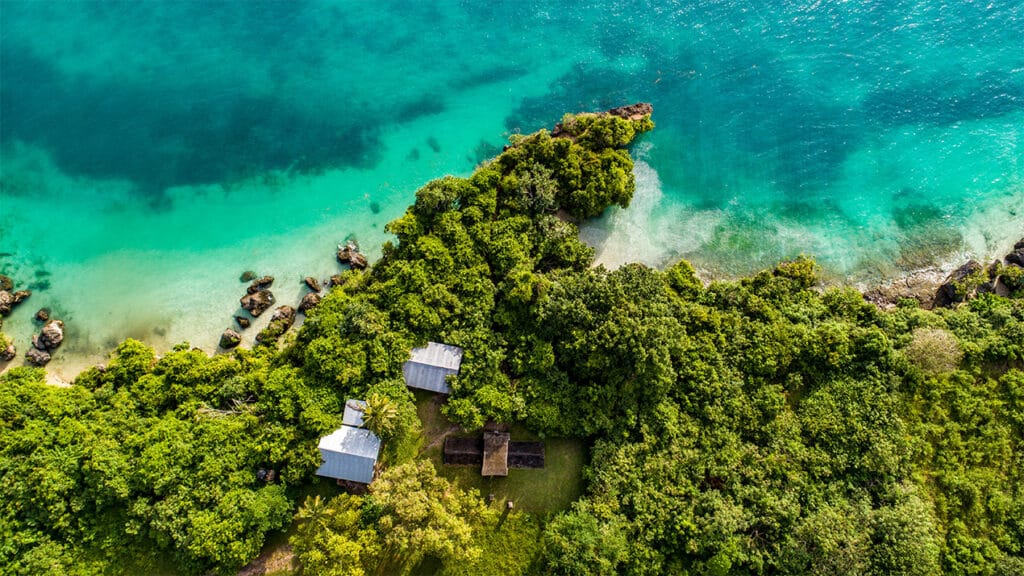
Exclusive Safaris for Photographers: Capture the Beauty of Tanzania Like Never Before Read More »

Vibrant selection of spices in containers at a Georgian market, showcasing diverse flavors.

Zanzibar’s role in the spice trade history

Zanzibar, often referred to as “The Spice Island,” has a long and storied history as a key player in the global spice trade. Positioned in the Indian Ocean off the coast of East Africa, the island became an essential hub for the trade of spices such as cloves, nutmeg, cinnamon, and black pepper. Its strategic location, favorable climate, and historical connections with traders from the Arabian Peninsula, India, and Europe made it a central point in the spice trade for centuries. Today, Zanzibar’s spice plantations, markets, and historical sites stand as a testament to this vibrant chapter in the island’s past. The Arrival of Spices in Zanzibar Spices have been cultivated on Zanzibar for over a thousand years. The island’s favorable climate, with its fertile soil and tropical environment, made it an ideal location for growing a variety of spices. While indigenous plants such as cloves were native to the island, other spices like nutmeg and cinnamon were introduced by early Arab traders. The island became particularly known for its vast production of cloves, which would go on to become the spice most closely associated with Zanzibar. Zanzibar Under Arab Influence In the 9th century, Arab traders began to establish settlements on Zanzibar, and by the 12th century, Zanzibar had become an important part of the Swahili Coast trading network. The Arabs introduced new farming techniques and a variety of crops, including spices, which flourished in the island’s tropical climate. Zanzibar quickly became a central point for the exchange of spices between the East African coast, the Middle East, and India. By the 19th century, Zanzibar’s spice production had reached new heights, particularly with cloves. The island was known to have some of the finest cloves in the world, and the spice trade flourished under the control of the Omani Arabs who ruled Zanzibar at the time. They brought in labor from neighboring regions, and the spice plantations grew rapidly, contributing to the island’s wealth. Zanzibar and the Global Spice Trade Zanzibar’s role in the global spice trade became particularly significant during the 19th century when it was under the control of the Sultanate of Oman. The Omani Arabs established Zanzibar as the primary export center for spices to Europe, the Middle East, and Asia. The demand for cloves, nutmeg, and cinnamon skyrocketed, and Zanzibar became the world’s leading producer of cloves. The spice trade was a key economic driver, and the profits generated from the export of these spices played an important role in shaping the island’s economy and society. The growth of spice plantations was built on the backs of enslaved people, as labor was needed for the harvesting and processing of these crops. The Decline of the Spice Trade In the late 19th and early 20th centuries, Zanzibar’s role in the spice trade began to decline. The arrival of European powers, particularly the British, led to the decline of the Omani influence on the island. During this time, the spice trade became less profitable due to increased competition from other regions, including the larger plantations in Indonesia and India. Despite the decline in global demand, Zanzibar’s spice industry continued to thrive on a smaller scale, and local cultivation persisted. Today, cloves are still grown on the island, and Zanzibar’s spice trade is a vital part of its cultural heritage. Zanzibar’s Spice Farms Today Modern-day Zanzibar still bears the marks of its spice trade history. The spice farms on the island continue to produce cloves, nutmeg, cinnamon, and other spices, though on a more limited scale compared to the heyday of the spice trade. Many of these farms now operate as tourist attractions, offering visitors guided tours to explore the islands’ agricultural heritage. Spice Tours: These tours offer a deep dive into the cultivation process of Zanzibar’s famous spices. Visitors can see the plants up close, taste fresh spices, and learn about the island’s role in the global spice trade. Future African Safari Experience: As part of your Zanzibar experience, Future African Safari offers guided spice tours that provide a glimpse into the island’s rich spice trade history and cultural significance. Legacy of the Spice Trade Zanzibar’s spice trade history has left an indelible mark on the island’s culture, economy, and architecture. The blend of African, Arab, and European influences that came through the spice trade shaped Zanzibar into the unique and diverse destination it is today. The island’s historical sites, like the House of Wonders, the Old Fort, and the Spice Farm museums, showcase the cultural richness that the spice trade brought to Zanzibar. Zanzibar’s spice trade history also continues to influence local cuisine. Spices such as cloves, cinnamon, and cardamom remain staples in Zanzibari cooking, used in dishes like pilau rice, biryani, and local teas. The aromas of these spices fill the air in markets and homes, reminding visitors of the island’s centuries-old connection to the spice trade. Zanzibar’s role in the spice trade is not just a chapter of the past but an ongoing story that shapes the island’s identity. Whether you’re exploring a spice farm, savoring local dishes, or learning about its rich history through guided tours, Zanzibar offers a unique and flavorful journey into the past. Future African Safari can help you uncover the island’s spice trade legacy, combining history with sensory experiences that make Zanzibar a truly remarkable destination. Customize Your Adventure Kilimanjaro 3 tours Safari 9 tours Zanzibar 3 tours

Zanzibar’s role in the spice trade history Read More »

money, wage, coins

Budget travel tips for Zanzibar

Zanzibar, with its stunning beaches, rich culture, and historical landmarks, is a dream destination for travelers. However, it doesn’t have to break the bank. Future African Safari can guide you on how to experience the best of Zanzibar without overspending. Here are some budget-friendly tips for making the most of your trip to this beautiful island. 1. Travel Off-Season To save on accommodation and activities, consider visiting Zanzibar during the off-season (typically April to June). Why?: Prices for flights, hotels, and tours are usually lower during these months. The weather is still warm, though you may experience occasional rain showers. Future African Safari Tip: Traveling in the off-season also means fewer tourists, offering a more authentic experience of the island. 2. Choose Budget Accommodation Zanzibar offers a wide range of accommodations, from luxury resorts to budget-friendly guesthouses and hostels. Affordable Options: Opt for guesthouses, boutique hotels, or Airbnb options in Stone Town or the more rural areas. Alternative: You can also consider staying with local families through homestays, which is a great way to experience authentic Zanzibar at a low cost. Future African Safari Tip: Booking in advance can help secure the best rates, especially if you’re traveling in peak season. 3. Use Public Transportation Getting around Zanzibar can be affordable if you use local transportation options. Dala-Dala: The local minibuses (dala-dalas) are an inexpensive way to travel around the island, especially for short distances. Boda-Bodas: Motorcycle taxis are also common and very affordable for short trips around towns. Experience: Public transport offers a great way to experience local life and interact with friendly locals. Future African Safari Tip: If you’re traveling with a group, consider sharing transport to keep costs low. 4. Eat Like a Local Zanzibar’s street food and local restaurants offer delicious and affordable dining options. Forodhani Gardens: The waterfront food market in Stone Town is a perfect place to sample affordable local snacks like Zanzibar pizza, grilled seafood, and sugarcane juice. Local Cafés: Enjoy a cheap meal at local cafés or restaurants offering traditional Swahili dishes. Future African Safari Tip: Ask locals for recommendations to find the best hidden gems for budget-friendly meals. 5. Explore Free and Low-Cost Attractions Zanzibar is full of stunning sights and experiences that don’t require expensive tickets. Stone Town: Wander through the winding streets of Stone Town and discover its historic buildings, like the Old Fort and House of Wonders, which are often free to visit. Beaches: Zanzibar’s beaches, including Nungwi and Kendwa, are some of the most beautiful in the world and are free to enjoy. Future African Safari Tip: Visit Jozani Forest for a minimal entry fee, where you can see the rare red colobus monkeys and explore the tropical forest. 6. Bargain at Local Markets When shopping at Zanzibar’s markets or for souvenirs, don’t be afraid to haggle. Markets to Visit: Forodhani Gardens and Darajani Market in Stone Town are perfect for browsing handmade crafts and local goods. Souvenirs: Consider buying affordable items like spices, scarves, and woven baskets directly from local artisans. Future African Safari Tip: Start by offering a lower price than the initial asking price and negotiate in a friendly, respectful manner. 7. Skip the Fancy Tours and Opt for Local Guides While organized tours can be expensive, there are cheaper ways to explore Zanzibar. Local Guides: Hiring a local guide for specific experiences, like a spice tour or a visit to the prison island, is often more affordable than booking a tour with large companies. Self-Guided Tours: Many of Zanzibar’s main attractions, such as Stone Town or the beaches, can be explored independently. Future African Safari Tip: Book your tours directly through local providers to avoid high commissions charged by intermediaries. 8. Stay Hydrated with Local Drinks Water can be expensive in Zanzibar if you rely on bottled drinks, so opt for local beverages instead. Fresh Juices: Street vendors offer fresh fruit juices, coconut water, and sugarcane juice at affordable prices. Tea and Coffee: Zanzibar has a thriving café culture, with many local spots offering delicious, budget-friendly cups of Swahili tea and coffee. Future African Safari Tip: Choose freshly squeezed juices and local drinks to experience authentic flavors and stay refreshed without spending much. 9. Take Advantage of Free Activities Zanzibar offers plenty of opportunities to enjoy the island without opening your wallet. Beach Days: Zanzibar’s beaches are its biggest attraction, and the best part is, they’re free to visit! Spend your days lounging on the soft sand, swimming, or enjoying a beachside picnic. Cultural Experiences: Explore the local culture through free experiences, like watching local fishermen at work, or attending public celebrations and festivals if they coincide with your visit. Future African Safari Tip: Join free community events or workshops to learn about local traditions, art, and history. 10. Plan Ahead and Look for Deals Planning your trip in advance can help you secure the best deals and discounts. Book Early: Many guesthouses and hotels offer discounts for early bookings, so plan your trip ahead of time to secure the best prices. Look for Packages: Some tour operators, like Future African Safari, offer affordable safari and beach packages that combine both experiences at a lower cost. Future African Safari Tip: Keep an eye on special deals, especially during the off-season, to save even more. Zanzibar is a beautiful destination that doesn’t have to come with a hefty price tag. By following these budget travel tips, you can experience the island’s rich culture, stunning beaches, and incredible history while keeping costs low. Future African Safari is here to help you plan a budget-friendly trip to Zanzibar that still offers the adventure of a lifetime.    Customize Your Adventure Kilimanjaro 3 tours Safari 9 tours Zanzibar 3 tours

Budget travel tips for Zanzibar Read More »

Explore the wild on a safari with an off-road vehicle carrying adventurers through tropical landscapes.

Ultimate Family Safari in Tanzania – Unforgettable Wildlife Adventures with Kids

Planning a family safari in Tanzania is one of the most rewarding and exciting ways to explore Africa’s wildlife and culture with your loved ones. Whether you’re traveling with toddlers or teens, our carefully crafted family safari packages offer something magical for every age — from thrilling game drives to cultural encounters and eco-lodges with kids’ amenities.   A safari in Tanzania offers an extraordinary adventure for families, combining education, excitement, and the awe of witnessing nature in its purest form. Tailored for travelers of all ages, family-friendly safaris provide safe, engaging, and memorable experiences that everyone will cherish. Here’s what makes a family safari with Future African Safari an unforgettable journey. Book Your Eco-Tourism Safari with Future African Safari At Future African Safari, we are committed to bringing you eco-tourism experiences that are both enriching and sustainable. Explore Africa’s most remarkable destinations while contributing to their preservation. From luxurious eco-lodges to exciting low-impact safaris, we offer packages designed for the responsible traveler. Ready to embark on a sustainable safari adventure? Book your eco-tourism safari today and travel with a purpose! Top Family-Friendly Safari Activities in Tanzania 1. Game Drives Highlight: Spot the Big Five—lions, elephants, leopards, rhinos, and buffalo—while traveling in comfortable, open-top vehicles. Why It’s Great for Families: Guides tailor the pace and focus on animals that excite children, like baby elephants or playful lion cubs. 2. Cultural Visits Highlight: Visit Maasai villages to learn about traditional ways of life. Why It’s Great for Families: Interactive activities like beadwork or traditional dance provide a cultural connection and fun for all ages. 3. Nature Walks Highlight: Explore the bush with a guide, focusing on smaller creatures, tracks, and plants. Why It’s Great for Families: Kids love discovering hidden details and learning survival tips from guides. 4. Hot Air Balloon Rides Highlight: Float over the Serengeti at sunrise. Why It’s Great for Families: A magical, panoramic view of the savannah below; suitable for older kids and teens. 5. Night Safaris Highlight: See nocturnal animals like bush babies and hyenas. Why It’s Great for Families: Adds an element of adventure and mystery that older children will love. Best Family Safari Destinations in Tanzania 1. Serengeti National Park Why It’s Ideal: Wide-open spaces, abundant wildlife, and a chance to witness the Great Migration. Family Tip: Opt for lodges with child-friendly amenities like pools and educational programs. 2. Ngorongoro Crater Why It’s Ideal: Compact and rich with wildlife, making it easier to spot animals without long drives. Family Tip: Shorter game drives make it perfect for younger children. 3. Tarangire National Park Why It’s Ideal: Known for its large elephant herds and ancient baobab trees. Family Tip: Kids will love watching elephants play in the water or learning about the “upside-down trees.” Family-Friendly Lodges and Camps Kid-Friendly Amenities: Many lodges offer family rooms, pools, and special kids’ programs. Meals: Flexible meal times and child-friendly menus. Special Activities: Some lodges offer “Junior Ranger” programs, where kids learn bush skills. Tips for a Smooth Family Safari Pack Smart: Bring sun hats, sunscreen, binoculars, and comfortable clothing. Stay Flexible: Keep the schedule adaptable to children’s needs. Engage Kids: Encourage children to keep a wildlife journal or take photos. Safety First: Follow your guide’s instructions and ensure kids understand the importance of quiet observation. Why Choose Future African Safari for Your Family Adventure? At Future African Safari, we specialize in creating tailor-made family experiences that balance adventure and relaxation. Our expert guides are skilled at engaging children and making every moment educational and fun. From kid-friendly accommodations to customized activities, we ensure your family safari is safe, comfortable, and unforgettable. Ready to create lasting memories with your family? Contact Future African Safari today to start planning your perfect family adventure in Tanzania!   Trusted Resources on Tanzania Safaris Tanzania National Parks: https://www.tanzaniaparks.go.tz Serengeti Travel Guide: https://www.serengeti.com Ngorongoro Crater Conservation Area: https://www.ngorongorocrater.org BirdLife Tanzania: https://www.birdlife.org/partners/tanzania-nature-tanzania/ Our 6-Day Family Safari Package: https://futureafricansafari.com/6-day-full-northern-circuit-safari-with-family-package/ Big Cat Safari Blog: https://futureafricansafari.com/best-parks-for-big-cat-sightings-a-safari-enthusiasts-dream/ Kilimanjaro 3 tours Safari 9 tours Zanzibar 3 tours

Ultimate Family Safari in Tanzania – Unforgettable Wildlife Adventures with Kids Read More »

the mobile walking safari the mobile walking safari robin pope safaris 8 e1662996257444 1000x563 1

Guided Walking Safaris in Ngorongoro: Explore the Wild on Foot

Ngorongoro is renowned for its iconic crater, but beyond the rim lies a hidden adventure—guided walking safaris. These immersive experiences offer an up-close encounter with nature, allowing you to connect deeply with the diverse landscapes and wildlife of this UNESCO World Heritage site. Here’s what makes walking safaris in Ngorongoro an unforgettable part of your Tanzanian journey. Why Choose a Guided Walking Safari in Ngorongoro? 1. Experience Nature Intimately Walking safaris reveal the subtle wonders of the bush: the scent of wild herbs, the chirping of birds, and the tracks of nocturnal animals. With no vehicle noise, the wilderness feels more alive and immediate. 2. Exclusive Access Guided walks often explore areas inaccessible to vehicles, like dense forests, open grasslands, and the crater rim. This gives you a unique perspective and access to hidden gems. 3. Educational and Engaging Your expert guide shares insights about animal tracks, local flora, and the delicate ecosystems within Ngorongoro. Every step is a lesson in survival, adaptation, and natural history. Top Walking Safari Experiences in Ngorongoro 1. Crater Rim Walk Route: Follow trails along the rim with panoramic views of the crater below. Highlights: Spectacular vistas of the 600-meter-deep caldera. Spot forest-dwelling animals like buffalo and colobus monkeys. Best For: Landscape photography and understanding the crater’s geography. 2. Empakaai Crater Hike Route: Descend into the smaller Empakaai Crater, home to a soda lake. Highlights: Flamingos and other waterbirds on the lake. Views of Mount Kilimanjaro and Ol Doinyo Lengai volcano on clear days. Best For: Birdwatching and scenic beauty. 3. Highlands Forest Walks Route: Explore the lush highland forests around the crater rim. Highlights: Discover unique plants and ancient trees. Look for wildlife like bushbucks and forest elephants. Best For: Nature enthusiasts and those seeking a quieter, shaded trek. What You Might Encounter Wildlife: While large predators are avoided on foot, you may see elephants, buffalo, giraffes, and various antelope species. Smaller creatures, from dung beetles to colorful lizards, offer equally fascinating moments. Birdlife: Ngorongoro is a birdwatcher’s paradise, with species like the turaco, crowned eagle, and various sunbirds. Flora: Learn about the region’s diverse plant life, including medicinal uses of native plants. Safety and Comfort Expert Guides: Your safety is the top priority. Guides are trained in wildlife behavior and first aid, ensuring a secure experience. Small Groups: Walking safaris are usually conducted in small groups for minimal impact and better interaction with guides. Preparation: Wear comfortable, neutral-colored clothing and sturdy boots. Bring water, sunscreen, and binoculars. Why Choose Future African Safari for Your Ngorongoro Walking Adventure? Future African Safari offers carefully curated walking safaris led by expert guides passionate about the land and its wildlife. Our tours provide: Tailored Experiences: Customized walks to suit your fitness level and interests. Exclusive Access: Explore off-the-beaten-path routes and hidden gems. Educational Insight: Learn about Ngorongoro’s rich ecosystem from knowledgeable guides. Ready to walk the wild side? Contact Future African Safari to book your guided walking safari in Ngorongoro. Discover Tanzania’s natural wonders step by step! Customize Your Adventure Kilimanjaro 3 tours Safari 9 tours Zanzibar 3 tours
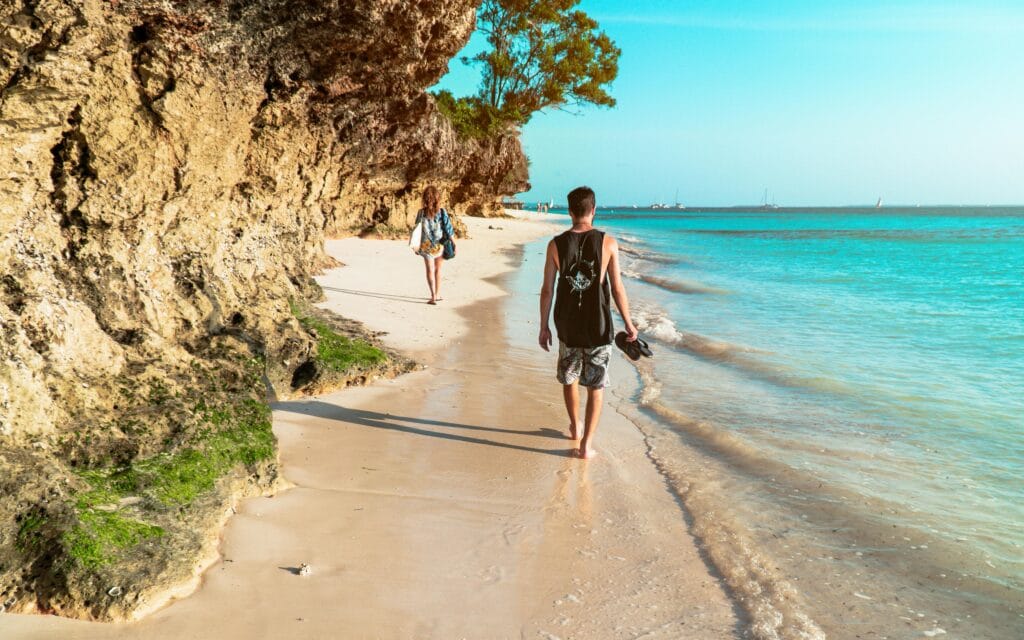
Guided Walking Safaris in Ngorongoro: Explore the Wild on Foot Read More »

beach, ocean, nature

How to experience local life in Zanzibar

Zanzibar offers a unique blend of culture, history, and natural beauty, but to truly immerse yourself in the island’s charm, experiencing local life is a must. Future African Safari invites you to step beyond the tourist hotspots and explore Zanzibar through the eyes of its residents, uncovering the rich traditions, vibrant markets, and everyday life that make the island so special. 1. Visit Local Markets Zanzibar’s bustling markets are the heart of local life, offering a sensory overload of colors, sounds, and smells. Forodhani Gardens: Known for its street food vendors, this market by the sea is perfect for tasting local dishes like Zanzibar pizza and grilled seafood. Darajani Market: In Stone Town, this is where locals buy fresh produce, spices, fish, and meat. Walk through the maze of stalls to see the variety of goods that make up daily life in Zanzibar. Experience: Engage with the friendly vendors, learn about local ingredients, and try your hand at bargaining. 2. Take a Spice Tour Spices play an essential role in Zanzibar’s culture and economy, earning the island its nickname, “The Spice Island.” Spice Farms: Take a guided tour to visit the spice plantations, where you’ll see how cloves, cinnamon, nutmeg, and turmeric are cultivated. Experience: Learn from local farmers who will share their knowledge of spice cultivation and how the island’s trade history with Arab and Portuguese traders shaped the region. 3. Explore Stone Town’s Hidden Corners Stone Town is the cultural heart of Zanzibar and offers countless opportunities to discover local life. Wander the Streets: Explore the narrow alleyways, where you’ll find local shops, artisan crafts, and traditional Zanzibari houses. Visit the Old Dispensary: A beautifully restored building that offers insight into Zanzibar’s history and local architecture. Experience: Stop for a coffee or tea at a local café, and enjoy the slow-paced rhythms of life in Stone Town. 4. Spend Time with Locals in Fishing Villages Zanzibar’s fishing communities provide a glimpse into the island’s traditional way of life. Nungwi Village: Located on the northern tip of the island, Nungwi is known for its traditional dhow boat-building industry. Kendwa Village: This village offers a more relaxed experience, where you can see fishermen preparing their boats, drying fish, and carrying out their daily activities. Experience: Participate in a fishing trip or learn the art of dhow building from local craftsmen. 5. Enjoy Swahili Cuisine at Local Restaurants Swahili food is a reflection of the diverse cultural influences in Zanzibar. Eat at Local Eateries: Skip the tourist restaurants and enjoy a meal at local favorites like Lukmaan Restaurant or Forodhani Gardens. Street Food: Try local snacks such as Samosas, Zanzibar pizza, or Chips Mayai (a Swahili-style omelette with fries). Experience: Enjoy meals shared with families and friends, and ask about the traditional dishes that are special to each family or region. 6. Attend Local Festivals and Events Zanzibar has a vibrant cultural calendar, with local festivals showcasing music, dance, and art. Sauti za Busara: A popular music festival in Stone Town that celebrates African music. Zanzibar International Film Festival (ZIFF): This festival brings together filmmakers, artists, and storytellers from across Africa and the world. Experience: Engage with local performers and artists, and learn about the island’s cultural diversity through music and film. 7. Participate in Traditional Handicraft Workshops Zanzibar has a rich tradition of handicrafts, from weaving and carving to painting and metalwork. Makunduchi Village: Known for its traditional basket weaving and handicrafts. Stone Town Workshops: Learn the art of making kanga (printed fabric) or chandeliers made from shells. Experience: Take home a handmade souvenir while supporting local artisans. 8. Visit a Zanzibar Village or Farm Stay For a deeper immersion into local life, stay with a Zanzibar family in a rural village or participate in a farm stay. Explore Rural Zanzibar: Visit villages on the island’s outskirts, where life remains unchanged by tourism. Farm Stays: Stay with a local family on a spice or fruit farm, and take part in daily farming activities like harvesting crops, tending animals, or preparing meals. Experience: Gain a deeper understanding of how locals live, work, and preserve their traditions in a tranquil, natural setting. 9. Take Part in Community Projects Zanzibar has several community-based tourism initiatives, where you can engage in local development projects. Educational Programs: Visit local schools and learn about the educational system while supporting local initiatives. Conservation Projects: Participate in sea turtle conservation efforts or help with reforestation projects on the island. Experience: Engage with local communities and contribute positively to their growth and development. 10. Learn Swahili Phrases To further connect with locals, learning a few words in Swahili will go a long way. Useful Phrases: “Jambo” (Hello) “Habari?” (How are you?) “Asante” (Thank you) Experience: Locals will appreciate your effort to speak the language, and it will make your interactions more personal and meaningful. By experiencing the local life in Zanzibar, you’ll not only gain insight into the island’s rich culture but also create lasting memories that connect you to the heart of this beautiful destination. Future African Safari can guide you on a journey to explore Zanzibar beyond its beaches and tourist spots, ensuring you connect with the real Zanzibar. Customize Your Adventure Kilimanjaro 3 tours Safari 9 tours Zanzibar 3 tours

How to experience local life in Zanzibar Read More »

beach, woman, walking

Walking Safari Adventures in Africa: An Immersive Journey into the Wild

For those seeking a deeper connection with nature, walking safaris offer an intimate and thrilling way to experience Africa’s wilderness. Unlike traditional game drives, walking safaris immerse you in the environment, engaging all your senses as you traverse the landscape on foot. Tanzania, with its diverse ecosystems and abundant wildlife, provides some of the most rewarding walking safari adventures in Africa. Here’s why these journeys are a must and what you can expect. Why Choose a Walking Safari? 1. Experience Nature Up Close Walking safaris let you step into the heart of the wilderness, where every sound and scent tells a story. You’ll notice the intricate details often missed from a vehicle—tracks in the sand, the scent of wild sage, or the distant call of a hornbill. 2. Encounter Wildlife Differently While large mammals are a highlight, walking safaris emphasize the smaller wonders: insects, birds, and plants. Expert guides also teach you to track animals, read the landscape, and understand wildlife behavior. 3. Thrill of the Unknown There’s an exhilarating sense of adventure when you explore the bush on foot. Every rustle or distant roar heightens the experience, making each encounter more profound. Top Walking Safari Destinations in Tanzania 1. Serengeti National Park Highlight: Explore remote areas where vehicles can’t go, offering a true wilderness experience. Best For: Understanding the Serengeti ecosystem from a ground-level perspective. 2. Tarangire National Park Highlight: Famous for its elephant herds and ancient baobab trees, a walking safari here offers unique landscapes and wildlife encounters. Best For: Close-up experiences with smaller mammals, birds, and plant life. 3. Selous Game Reserve (Nyerere National Park) Highlight: This vast, remote area provides some of the most authentic walking safaris in Africa. Best For: Tracking big game, with a focus on buffalo and elephant movements. 4. Ngorongoro Conservation Area Highlight: Walk along the rim of the Ngorongoro Crater, with panoramic views of this UNESCO World Heritage site. Best For: Scenic landscapes and diverse ecosystems, from highland forests to open plains. What to Expect on a Walking Safari 1. Guided by Experts Walking safaris are led by armed, experienced guides who ensure your safety and enrich the journey with their knowledge of the terrain, wildlife, and local culture. 2. Duration and Intensity Short Walks (2-3 hours): Perfect for beginners or those with limited time. Full-Day Hikes: Explore deeper into the bush, often including a packed lunch. Multi-Day Treks: For the truly adventurous, these involve camping under the stars and deeper immersion in the wild. 3. Wildlife Encounters While large predators are generally avoided on foot, you might encounter elephants, giraffes, or zebras. Birdwatching is also spectacular, and your guide will point out fascinating flora and smaller creatures. Essential Tips for a Walking Safari Wear Neutral Colors: Helps you blend into the environment. Comfortable Footwear: Sturdy boots are essential for uneven terrain. Pack Light: Bring water, sunscreen, a hat, and binoculars. Stay Quiet and Alert: Wildlife is more likely to approach if you’re calm and silent. Trust Your Guide: Their expertise ensures both safety and the best wildlife experiences.   Why Choose Future African Safari for Walking Adventures? At Future African Safari, our walking safaris are crafted to provide a safe, informative, and thrilling experience. With expert guides and exclusive routes, you’ll gain a deeper appreciation of Africa’s natural beauty and wildlife. Whether you’re an avid adventurer or a nature enthusiast, our tours promise an unforgettable journey on foot through Tanzania’s wild landscapes. Ready to step into the heart of the wild? Contact us today to book your walking safari adventure and discover Africa in its purest form! Customize Your Adventure Kilimanjaro 3 tours Safari 9 tours Zanzibar 3 tours

Walking Safari Adventures in Africa: An Immersive Journey into the Wild Read More »

A close-up view of a neatly set dining table in a Zanzibar City restaurant, featuring sleek forks on a stylish mat.

Top-rated restaurants in Zanzibar

Zanzibar is a culinary paradise, offering a mix of traditional Swahili flavors, fresh seafood, and international cuisine. Whether you’re looking for a fine dining experience or a laid-back beachside meal, Future African Safari can guide you to some of the best restaurants on the island. 1. The Rock Restaurant Location: Michamvi PingwePerched on a rock in the middle of the Indian Ocean, The Rock is one of Zanzibar’s most iconic dining spots. Cuisine: Seafood-focused, with fresh catches of the day. Signature Dish: Grilled lobster and octopus. Experience: Dine with panoramic ocean views and enjoy a unique, once-in-a-lifetime setting.Future African Safari Tip: Visit during low tide for a walk to the restaurant or take a boat during high tide. 2. Emerson on Hurumzi Location: Stone TownThis rooftop restaurant offers a magical dining experience with stunning views of Stone Town and the Indian Ocean. Cuisine: Swahili fusion with Persian influences. Signature Dish: Zanzibar spiced fish and date-stuffed chicken. Experience: Enjoy a multi-course tasting menu accompanied by traditional taarab music performances.Future African Safari Tip: Book in advance to secure a sunset dining experience. 3. Forodhani Gardens Location: Stone Town WaterfrontFor a more casual, street-food experience, visit Forodhani Gardens, where local vendors set up stalls each evening. Cuisine: Swahili street food, seafood, and grilled meats. Signature Dish: Zanzibar pizza and freshly grilled seafood skewers. Experience: Stroll along the waterfront and sample a variety of local delicacies.Future African Safari Tip: Try the sugarcane juice for a refreshing accompaniment to your meal. 4. Lukmaan Restaurant Location: Stone TownA local favorite, Lukmaan offers authentic Swahili dishes in a relaxed, no-frills setting. Cuisine: Traditional Swahili and Tanzanian cuisine. Signature Dish: Beef biryani and coconut fish curry. Experience: A great spot to experience local flavors at affordable prices.Future African Safari Tip: Visit during lunchtime for a lively atmosphere and fresh dishes. 5. Bahari Restaurant Location: Kendwa BeachLocated along the pristine Kendwa Beach, Bahari Restaurant offers a mix of local and international cuisine with a beachside ambiance. Cuisine: Seafood, Italian, and Swahili dishes. Signature Dish: Grilled prawns with coconut rice. Experience: Dine with your feet in the sand while watching the sunset over the ocean.Future African Safari Tip: Visit in the evening for a romantic beachfront dinner. 6. Zanzibar Coffee House Café Location: Stone TownThis charming café is a must-visit for coffee lovers and those seeking a light meal or dessert. Cuisine: Light meals, pastries, and specialty coffee. Signature Dish: Homemade cakes and Swahili spiced coffee. Experience: Relax in a cozy, vintage setting and enjoy some of the best coffee on the island.Future African Safari Tip: Try the rooftop terrace for a quiet escape from the bustling streets below. 7. Emerson Spice Tea House Restaurant Location: Stone TownAnother gem from the Emerson collection, this restaurant offers an elegant rooftop dining experience. Cuisine: A fusion of Swahili, Arabic, and Indian flavors. Signature Dish: Tamarind-glazed prawns and saffron-infused rice. Experience: A romantic setting with panoramic views of Stone Town’s rooftops.Future African Safari Tip: Arrive early to enjoy the sunset with a pre-dinner drink. 8. Upendo Beach Zanzibar Location: MichamviUpendo Beach Zanzibar combines luxury dining with a relaxed beach vibe, making it a perfect spot for both day and evening meals. Cuisine: International with a focus on fresh, local ingredients. Signature Dish: Tuna tartare and wood-fired pizza. Experience: Enjoy oceanfront dining with live DJ sets in the evening.Future African Safari Tip: Spend the day lounging by the pool before settling in for dinner. 9. The Silk Route Location: Stone TownKnown for its rich Indian cuisine, The Silk Route offers a flavorful dining experience in the heart of Stone Town. Cuisine: Indian and Swahili fusion. Signature Dish: Butter chicken and garlic naan. Experience: A beautifully decorated interior that reflects the island’s Indian influences.Future African Safari Tip: Pair your meal with a refreshing lassi drink. 10. Beach House Zanzibar Location: Stone Town WaterfrontBeach House Zanzibar offers a blend of Mediterranean and Swahili cuisine in a stylish beachfront setting. Cuisine: Mediterranean, Swahili, and seafood. Signature Dish: Grilled calamari and Swahili seafood platter. Experience: Enjoy al fresco dining with views of the ocean and passing dhows.Future African Safari Tip: Reserve a table for dinner to enjoy the vibrant evening atmosphere. From fine dining to street food, Zanzibar’s restaurant scene offers something for every palate. Future African Safari can help you plan your culinary journey, ensuring you experience the island’s top-rated dining spots and authentic flavors. Kilimanjaro 3 tours Safari 9 tours Zanzibar 3 tours
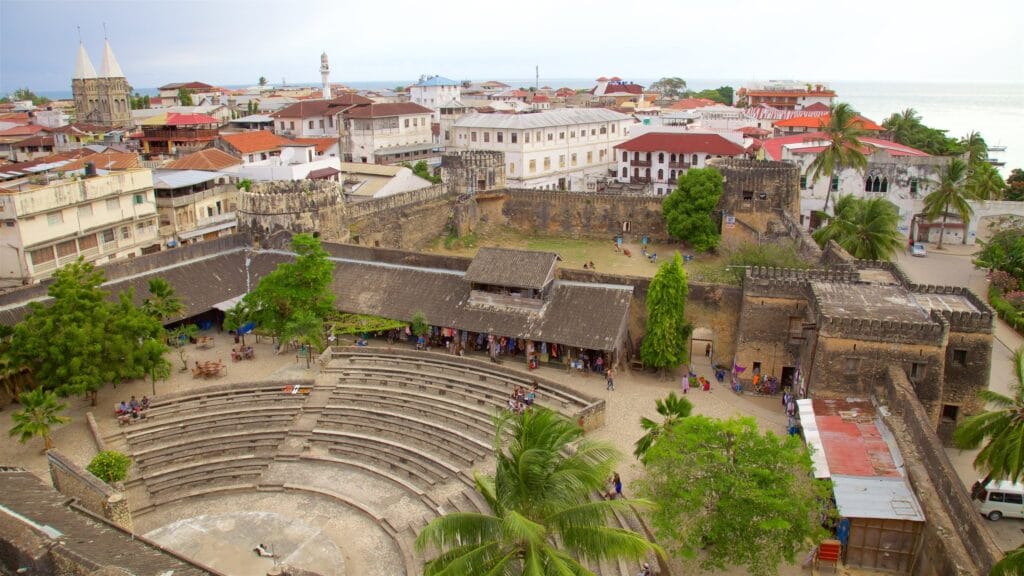
Top-rated restaurants in Zanzibar Read More »

Scroll to Top