How to experience local fishing in Zanzibar
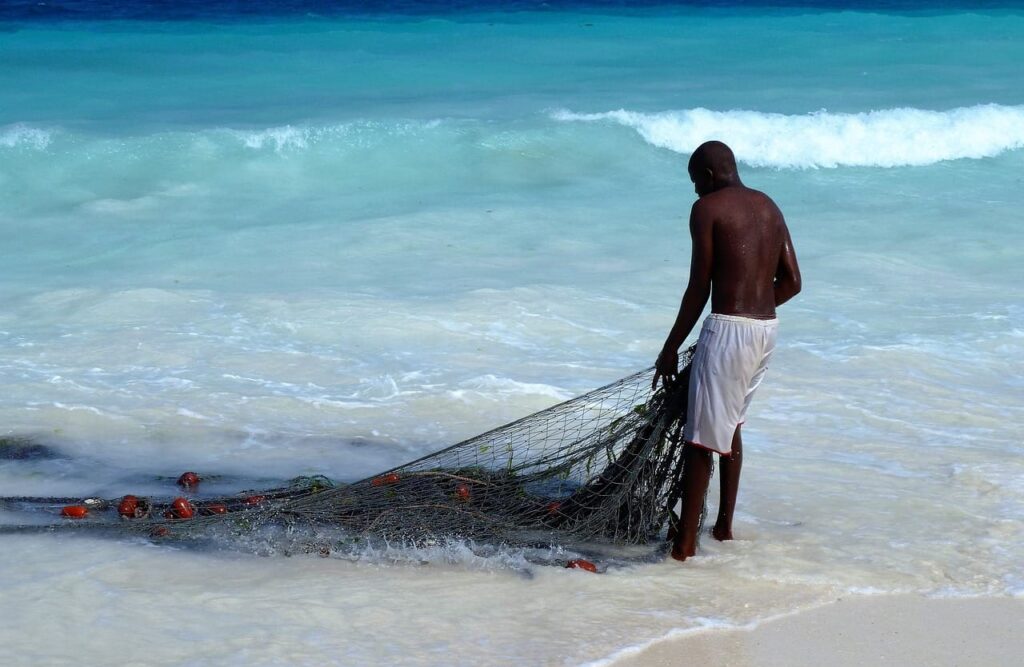
Zanzibar’s coastal waters are teeming with marine life, and fishing has been a vital part of the island’s culture and economy for centuries. Whether you’re an avid fisherman or simply looking to experience an authentic part of Zanzibari life, local fishing offers a fascinating and rewarding experience. From traditional dhow fishing trips to joining local fishermen on the shores, here’s how to immerse yourself in Zanzibar’s fishing culture. 1. Take a Traditional Dhow Fishing Trip One of the best ways to experience local fishing in Zanzibar is by setting sail on a traditional dhow, the wooden sailing vessel that has been used by Swahili fishermen for centuries. These dhows are often handmade using traditional techniques passed down through generations. What to Expect: On a dhow fishing trip, you’ll sail along Zanzibar’s coastline, often with a local fisherman guiding you through the process. You can expect to fish using traditional methods, such as hand lines or nets, while enjoying the beautiful coastal scenery. Where to Go: The coastal villages around Nungwi, Kendwa, and Uroa are popular spots for booking a dhow fishing experience. These areas have a rich fishing heritage and offer opportunities to catch a variety of fish, including tuna, snapper, and barracuda. Why It’s Unique: This experience allows you to connect with Zanzibar’s maritime traditions and learn firsthand about the island’s fishing practices. You’ll also have the opportunity to observe the peaceful rhythm of daily life on the water. 2. Join Local Fishermen on Shore For a more hands-on experience, consider joining local fishermen on the shore as they set up their nets, mend their equipment, and prepare for their catch. What to Expect: Many local fishermen in Zanzibar use beach seines, large nets that are cast from the shore and then hauled back in to catch a variety of fish. You can observe the process and, depending on the fishermen’s permission, even participate in helping pull in the nets. Best Locations: Head to Paje, Jambiani, or Kizimkazi along the southern coast, where the local fishing communities are active. These villages offer authentic fishing experiences and the chance to interact directly with the fishermen. Why It’s Special: This experience offers a glimpse into the daily lives of local fishermen, who rely on the sea for their livelihood. It’s also a wonderful opportunity to learn about sustainable fishing practices and the challenges faced by Zanzibar’s fishing communities. 3. Visit a Local Fish Market A visit to a local fish market is an excellent way to experience the buzz of Zanzibar’s fishing industry and see the wide variety of fish that are caught daily. What to Expect: Zanzibar’s fish markets, such as those in Stone Town and Mkokotoni, are filled with freshly caught fish, including tuna, kingfish, octopus, and prawns. The market is often lively and colorful, with local vendors bargaining for the best prices. Best Time to Visit: The markets are busiest in the morning when the catch is first brought in. Early morning is the best time to see the freshest seafood and to chat with local fishermen and traders. Why It’s Interesting: This is the perfect opportunity to see the result of a successful fishing trip, interact with local traders, and learn about the different types of fish that are popular in Zanzibari cuisine. You can also purchase fresh fish to prepare a meal or to enjoy at a local restaurant. 4. Participate in a Sustainable Fishing Tour For travelers who want to learn about sustainable fishing practices and the impact of overfishing, there are eco-friendly fishing tours that focus on responsible methods of fishing. What to Expect: These tours are often led by organizations that focus on preserving Zanzibar’s marine environment. Participants can learn about coral reefs, sustainable fishing techniques, and the importance of protecting the marine ecosystem. Popular Tours: Several eco-tourism operators in Zanzibar, including Future African Safari, offer sustainable fishing tours where you can join local communities on eco-friendly boats. These tours may include a chance to fish using non-destructive methods like line fishing or catch and release, and often combine the fishing experience with marine conservation education. Why It’s Worthwhile: Sustainable fishing tours are not only informative but also contribute to preserving Zanzibar’s rich marine life for future generations. It’s an enriching experience that allows you to engage with both local culture and conservation efforts. 5. Go Deep Sea Fishing For those seeking a more adventurous and adrenaline-pumping experience, deep-sea fishing is another option to explore the waters of Zanzibar. What to Expect: Deep-sea fishing involves venturing far from the coastline into deeper waters where you can catch larger species such as marlin, sailfish, and tuna. These excursions are typically guided by experienced fishing operators who provide all the necessary equipment. Best Locations: The waters around Kendwa, Nungwi, and Zanzibar’s northern coast are prime locations for deep-sea fishing. Many companies offer half-day or full-day trips, depending on your preferences. Why It’s Exciting: Deep-sea fishing offers a thrilling way to experience Zanzibar’s marine life up close. If you’re lucky, you may even reel in a giant marlin or other prized catches. 6. Learn About Fishing’s Cultural Importance Beyond just the act of fishing, it’s important to understand its cultural significance in Zanzibar. What to Expect: Zanzibar’s fishing industry is closely tied to its heritage, and many families have been involved in fishing for generations. By taking part in local fishing activities, you’ll gain insight into the island’s history and the traditions passed down over the centuries. Why It Matters: Understanding the cultural importance of fishing in Zanzibar enhances your experience. You’ll learn about the challenges local fishermen face, including environmental concerns, and how they continue to adapt to changes in the industry. Zanzibar offers an authentic and enriching experience for travelers who want to delve into local fishing traditions. Whether you choose a dhow fishing trip, join local fishermen on the shores, or explore sustainable fishing practices, there’s no shortage of ways to immerse yourself in this important aspect of Zanzibari life. Future African