The Tourist

g307250e90269b8f4f7ab7712849fbf3ecea13b19e60e9911bb98c07610dd96b8fa8928ff42aad03111846f363d9d12ff49bac53b7e5b5171e42c5e521889f807_1280-4314972.jpg

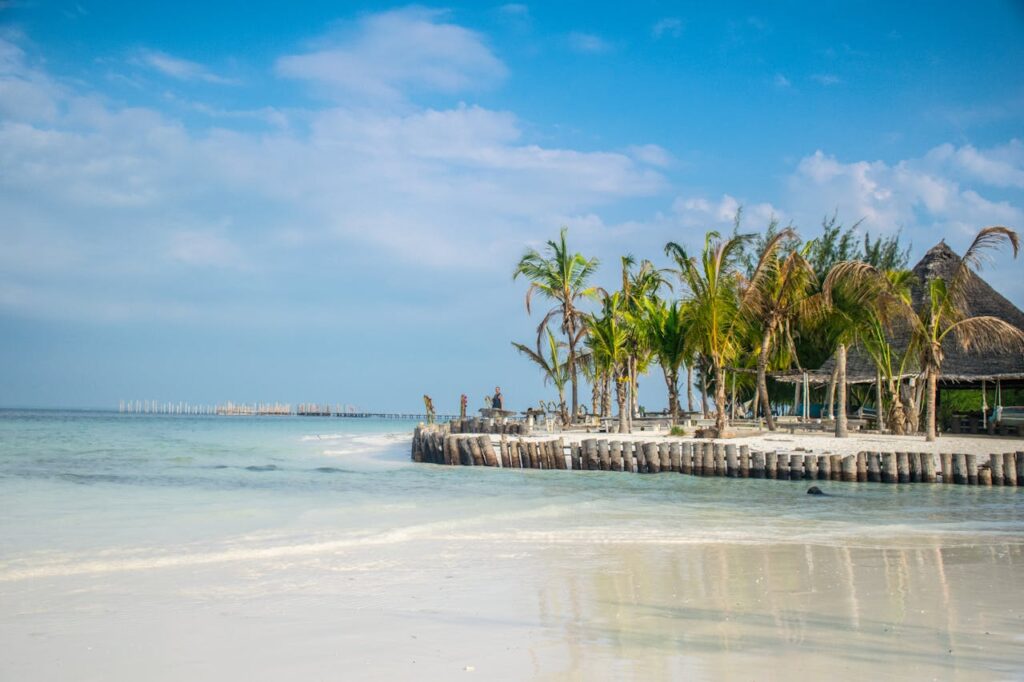
Islands of Solitude: Finding Peace and Privacy in Tanzania’s Archipelagos

Tanzania is often synonymous with vast savannas and iconic wildlife. However, beyond its mainland lies a world of tranquility and seclusion: its stunning archipelagos. These island paradises offer unparalleled opportunities to escape the crowds and reconnect with nature. Zanzibar: A Spice Island Retreat Zanzibar, renowned for its spice plantations and historical Stone Town, also boasts pristine beaches and secluded islands. Escape the bustling main island and venture to the quieter fringes, where you can find secluded coves, white-sand beaches, and crystal-clear waters. Explore the Mnemba Island, a private sanctuary teeming with marine life, or unwind on the idyllic beaches of Pemba Island.   Book Today The Pristine Beauty of Mafia Island Less frequented than its sister islands, Mafia Island offers an authentic and unspoiled experience. Known for its exceptional diving and snorkeling opportunities, Mafia is a haven for nature lovers. Explore the pristine coral reefs, encounter diverse marine life, or simply relax on deserted beaches.   Remote Luxury: The Zanzibar Archipelago For the ultimate in seclusion and luxury, consider a private island escape in the Zanzibar Archipelago. These exclusive retreats offer unparalleled privacy, personalized service, and breathtaking natural beauty. Indulge in world-class amenities, such as private pools, spa treatments, and gourmet dining, while surrounded by the pristine beauty of the Indian Ocean. Kilimanjaro 3 tours Safari 4 tours Zanzibar 3 tours

Islands of Solitude: Finding Peace and Privacy in Tanzania’s Archipelagos Read More »

pexels-photo-10807180-10807180.jpg

Festivals of Africa: Celebrating Life with the Continent’s Most Vibrant Traditions

Africa is a continent pulsating with rhythm, color, and life. Nowhere is this more evident than during its vibrant festivals. These celebrations are a kaleidoscope of music, dance, and cultural expression, offering a unique glimpse into the heart and soul of the African people. A Tapestry of Celebrations From the bustling cities to remote villages, Africa’s festival scene is incredibly diverse. Some festivals celebrate harvests, while others honor ancestors or mark significant life stages. Many are deeply rooted in spiritual beliefs, while others are modern expressions of cultural pride. Harvests and Abundance: Festivals like the Nama Festival in Namibia and the Yam Festival in Nigeria celebrate bountiful harvests, expressing gratitude to the land and its deities. Rites of Passage: The coming-of-age ceremonies, such as the Maasai circumcision rituals or the Himba initiation rites, are marked by elaborate festivities. Cultural Heritage: Festivals like the Panafest in Ghana and the Festival of the Desert in Tunisia showcase the rich tapestry of African arts, music, and dance. Religious Celebrations: Islamic, Christian, and traditional African religions inspire a variety of festivals, each with its own unique customs and traditions. Tanzania: A Tapestry of Vibrant Festivals Tanzania, a land of stunning landscapes and diverse cultures, offers a rich tapestry of festivals throughout the year. From coastal celebrations to inland traditions, these events provide a unique opportunity to immerse yourself in the heart of Tanzanian life. The Spice Island’s Rhythms: Zanzibar Zanzibar, Tanzania’s enchanting island, is renowned for its vibrant culture and lively festivals. Mwaka Kogwa: This Swahili New Year celebration is a highlight of Zanzibar’s cultural calendar. Marked by traditional dances, music, and boat races, Mwaka Kogwa encapsulates the island’s spirit. Sauti za Busara: A renowned music festival showcasing East African and international talent, Sauti za Busara brings together diverse musical genres for a captivating experience. Mainland Magic: Cultural Celebrations Beyond Zanzibar, Tanzania’s mainland boasts a wealth of cultural festivals. Serengeti Cultural Festival: This vibrant event celebrates the Maasai and other local tribes, showcasing traditional dances, music, and handicrafts. Bagamoyo Arts Festival: A haven for artists and culture enthusiasts, the Bagamoyo Arts Festival features a diverse range of performances, exhibitions, and workshops. Nyama Choma Festival: A carnivore’s paradise, this festival celebrates Tanzania’s love for grilled meat, accompanied by live music and cultural performances. Immerse Yourself in the Celebration Attending an African festival is an unforgettable experience. You’ll be captivated by the vibrant colors, the infectious energy of the crowds, and the rhythmic beats of the music. Be prepared to dance, sing, and immerse yourself in the local culture.   When planning your safari, consider coinciding your trip with a festival. It’s an opportunity to experience Africa in a truly authentic and unforgettable way.     Timing Your Visit To experience the magic of Tanzania’s festivals, plan your trip accordingly. Research the dates of the events you’re interested in and book your accommodation well in advance.   Attending a Tanzanian festival is an unforgettable way to connect with the local people, appreciate their rich heritage, and create lasting memories. Book with Us ! Kilimanjaro 3 tours Safari 4 tours Zanzibar 3 tours

Festivals of Africa: Celebrating Life with the Continent’s Most Vibrant Traditions Read More »

g35df16b68ed9a3f0511ec64904929048582817ddfffee6a75f1caadf3bf1fa7f1e10cbc765640d4100f7e7e151abe4febb06a703c75d7241245a50d43545c3ec_1280-4521843.jpg

The Maasai Legacy: Preserving Culture Amidst Modernization in East Africa

The Maasai, a nomadic pastoralist people primarily residing in Kenya and Tanzania, are renowned for their rich cultural heritage and unwavering adherence to tradition. Their distinctive lifestyle, characterized by a deep connection to the land and livestock, has captivated the world’s imagination. However, the Maasai are increasingly confronted with the challenges of modernization, which threatens to erode their traditional way of life. A Tradition Under Pressure The Maasai have historically relied on their livestock for sustenance and social status. Their nomadic lifestyle, dictated by the availability of grazing land, has shaped their worldview and social structure. However, the encroachment of agriculture, urbanization, and government policies has significantly reduced their traditional grazing lands. This has forced many Maasai to adopt a more sedentary lifestyle, leading to changes in their social fabric and economic activities.   Balancing Tradition and Modernity Despite these challenges, the Maasai have shown remarkable resilience in preserving their cultural identity. They have adapted to some modern practices while holding fast to their core values. For instance, many Maasai children now attend school, gaining access to education and equipping themselves with skills for the modern world. However, they continue to speak the Maasai language and participate in traditional ceremonies.   Tourism has also been a double-edged sword for the Maasai. While it has generated income, it has also brought about cultural changes. Some Maasai communities have embraced tourism, offering cultural performances and homestays to visitors. However, there are concerns about the authenticity of these experiences and the potential for exploitation. A Delicate Balance Preserving the Maasai way of life requires a delicate balance between tradition and modernity. It is essential to support initiatives that empower the Maasai to make their own choices while respecting their cultural heritage. By promoting sustainable livelihoods, education, and healthcare, we can help the Maasai navigate the challenges of the modern world without compromising their identity. Future African Safari is committed to responsible tourism and supporting the Maasai community. By choosing a Maasai-owned lodge or participating in community-based projects, travelers can contribute to the preservation of this extraordinary culture. Book Today Kilimanjaro 3 tours Safari 4 tours Zanzibar 3 tours

The Maasai Legacy: Preserving Culture Amidst Modernization in East Africa Read More »

7f31b9d11e52652bbd9c81af5073ebd8 2048x

Crafts of the Savannah: Discovering Traditional African Art and Handicrafts

A safari is not just about wildlife; it’s also an opportunity to immerse yourself in the rich cultural tapestry of Africa. Traditional African art and handicrafts offer a unique window into the soul of the continent. The Beauty of Beads Beadwork is a cornerstone of many African cultures. From vibrant necklaces and bracelets to intricate patterns adorning clothing and accessories, beads tell stories of history, tradition, and personal expression. The Maasai people of Kenya and Tanzania are renowned for their exquisite beadwork, often incorporating bold colors and geometric designs. The Art of Basketry Weaving is a skill passed down through generations. African baskets are not merely utilitarian objects; they are works of art. Crafted from a variety of materials, including grasses, reeds, and fibers, these baskets showcase intricate patterns and remarkable craftsmanship. The Venda people of South Africa are particularly known for their beautifully woven baskets. Carving Tradition Wood carving is another ancient art form found throughout Africa. From intricate masks to functional objects like bowls and spoons, these carvings reflect the creativity and skill of the artisans. The Shona people of Zimbabwe are celebrated for their stone sculptures, while the Makonde people of Tanzania and Mozambique are renowned for their intricate wood carvings. Textiles and Fabrics African textiles are renowned for their vibrant colors and bold patterns. From the intricate kente cloth of Ghana to the colorful tie-dye fabrics of the Yoruba people in Nigeria, these textiles are as diverse as the continent itself. These fabrics are often used to create clothing, home decor, and accessories. Supporting Local Artisans When purchasing African crafts, it’s important to support local artisans. By buying directly from the source, you not only acquire unique and authentic pieces but also contribute to the economic well-being of the community. Many safari operators offer opportunities to visit local craft markets, allowing you to interact with artisans and learn about their craft. Discovering the world of African art and handicrafts is a truly enriching experience. By appreciating the creativity and skill of these artisans, you contribute to preserving a vital part of Africa’s cultural heritage. Book With Us Kilimanjaro 3 tours Safari 4 tours Zanzibar 3 tours

Crafts of the Savannah: Discovering Traditional African Art and Handicrafts Read More »

pexels-photo-25703718-25703718.jpg

Sacred Rituals: The Spiritual Practices of Africa’s Nomadic Peoples

The nomadic peoples of Africa have developed profound spiritual connections to the land, animals, and ancestral spirits. Their rituals and beliefs are intricate tapestries woven with reverence for nature and a deep understanding of their place in the world. A Connection to the Land For nomadic tribes, the land is not merely a resource but a sacred entity. Their spiritual practices are often intertwined with the rhythms of nature. The Maasai, for instance, hold a deep reverence for Mount Kilimanjaro, believing it to be the dwelling place of their god, Ngai. Their rituals involve offerings and prayers to the mountain, seeking blessings for their livestock and protection for their community. Ancestral Spirits and the Afterlife Belief in ancestral spirits is a cornerstone of many nomadic cultures. These spirits are seen as intermediaries between the living and the divine. Rituals to honor ancestors are essential, as they are believed to influence the fortunes of the living. The San people of the Kalahari, for example, hold ceremonies to communicate with their ancestors, seeking guidance and support.   Rites of Passage Nomadic societies place great importance on rites of passage, marking significant transitions in a person’s life. These rituals often involve elaborate ceremonies and symbolic acts. For example, among the Maasai, the circumcision of young men is a crucial rite that signifies their transition from boyhood to manhood.   Harmony with Nature Nomadic peoples have a profound respect for the natural world. Their rituals often reflect this connection. The Himba of Namibia, for instance, have a strong bond with their cattle, which they consider sacred. Their ceremonies involve elaborate body adornments and prayers for the well-being of their herds. It’s crucial to approach the study of these spiritual practices with sensitivity and respect. These traditions are deeply personal and should not be exploited or commercialized. By understanding and appreciating the spiritual lives of nomadic peoples, we can gain a deeper respect for their cultures and their enduring connection to the land.

Sacred Rituals: The Spiritual Practices of Africa’s Nomadic Peoples Read More »

pexels-photo-12592433-12592433.jpg

Warriors and Healers: The Roles of Gender in African Tribal Societies

African tribal societies have intricate social structures that often diverge significantly from Western norms. While generalizations can be misleading, exploring traditional gender roles provides fascinating insights into the rich tapestry of African cultures. Warriors and the Protection of the Community In many African societies, men have historically been associated with the role of warrior. Defending the community from external threats was a paramount responsibility. The courage and physical prowess required for this role were highly valued. However, it’s essential to note that the concept of “warrior” often extended beyond physical combat. It encompassed qualities of leadership, bravery, and a deep connection to the land and its people.   Healers and the Preservation of Life Women, on the other hand, were frequently seen as the custodians of life and health. Their roles as healers, midwives, and herbalists were deeply respected. Traditional knowledge of medicinal plants and healing practices was often passed down through generations of women. This knowledge was crucial for the survival and well-being of the community.   Beyond Stereotypes It’s crucial to avoid oversimplifying these roles. There have always been exceptions to these generalizations. Many women have displayed exceptional bravery and leadership, while men have excelled in roles traditionally associated with women. Additionally, the roles of men and women have evolved over time, influenced by factors such as colonization, globalization, and urbanization. Respect and Understanding Appreciating the complex dynamics of gender roles in African tribal societies is essential for fostering respect and understanding. By recognizing the contributions of both men and women, we can gain a deeper appreciation for the rich cultural heritage of Africa. It’s important to remember that these are broad generalizations, and there is significant diversity among African tribes. Each community has its unique customs and traditions. Kilimanjaro 3 tours Safari 4 tours Zanzibar 3 tours

Warriors and Healers: The Roles of Gender in African Tribal Societies Read More »

bird flora fauna wildlife wallpaper preview

Exploring the Flora of African Safaris: Beyond the Fauna

While the iconic wildlife of Africa often steals the spotlight, the continent’s diverse flora plays an equally vital role in the ecosystem. From the towering baobab trees to the delicate wildflowers, the plant life of Africa is as captivating as its animal kingdom. Contact Today The Savanna Symphony The African savanna is characterized by its vast grasslands, dotted with acacia trees and scattered shrubs. These seemingly simple ecosystems are home to a surprising variety of plant life. Acacias, with their flat-topped crowns and thorny branches, provide shade and sustenance for countless animals. Grasses, such as the resilient red oat grass, feed large herds of herbivores.   Rainforests and Jungles Africa’s rainforests and jungles are bursting with life, and their plant diversity is staggering. Towering trees like mahogany and ebony create a dense canopy that shelters a world of orchids, ferns, and lianas. The undergrowth is a vibrant tapestry of colorful flowers, medicinal plants, and exotic fungi.   Desert Oasis The African desert, while seemingly barren, supports a remarkable array of adapted plants. The iconic baobab tree, with its swollen trunk, stores water for survival during dry spells. Succulents like aloe vera thrive in the harsh conditions, while hardy desert grasses provide sustenance for grazing animals. Book Today The Importance of Plant Life Understanding the flora of Africa is essential for appreciating the delicate balance of the ecosystem. Plants provide food and shelter for animals, prevent soil erosion, and contribute to the regulation of the climate. By learning about the different plant species and their roles, we can gain a deeper appreciation for the natural world. On your next safari, take some time to explore the plant life around you. You might be surprised by the fascinating stories these silent giants can tell. Kilimanjaro 3 tours Safari 9 tours Zanzibar 3 tours

Exploring the Flora of African Safaris: Beyond the Fauna Read More »

Person Holding A Green Plant

Eco-Friendly Safaris: Travel Green in Africa

Africa, a continent renowned for its breathtaking landscapes and abundant wildlife, is also a fragile ecosystem. As responsible travelers, we have a duty to protect this precious environment. Eco-friendly safaris offer an opportunity to experience the wonders of Africa while minimizing our impact. What Makes a Safari Eco-Friendly? An eco-friendly safari prioritizes sustainability and conservation. This involves: Minimal Environmental Impact: Limiting waste, conserving water, and reducing carbon emissions. Community Empowerment: Supporting local communities and fair trade practices. Wildlife Conservation: Protecting wildlife and their habitats. How to Choose an Eco-Friendly Safari When selecting a safari, look for operators that: Prioritize Conservation: Support anti-poaching initiatives and wildlife research. Use Renewable Energy: Employ solar power or other clean energy sources. Minimize Waste: Implement recycling programs and reduce plastic usage. Support Local Communities: Partner with local businesses and employ local staff. Offer Educational Experiences: Promote wildlife conservation and cultural awareness.    Eco-Friendly Practices for Travelers As a traveler, you can also contribute to sustainable tourism by:   Respecting Wildlife: Maintaining a safe distance and avoiding disturbing animals. Reducing Waste: Packing reusable water bottles and minimizing plastic consumption. Supporting Local Communities: Purchasing souvenirs from local artisans. Learning About Conservation: Understanding the challenges facing Africa’s ecosystems. Future African Safari: Committed to Sustainability At Future African Safari, we are passionate about protecting Africa’s natural heritage. We partner with eco-friendly lodges and operators to offer unforgettable safaris that minimize our environmental impact. We are committed to supporting local communities and promoting wildlife conservation. Join us on a journey that not only enriches your soul but also preserves the beauty of Africa for generations to come. Kilimanjaro 3 tours Safari 4 tours Zanzibar 3 tours

Eco-Friendly Safaris: Travel Green in Africa Read More »

IMG 20211109 WA0024

Volunteer on Safari: Making a Difference While Exploring Africa

Are you passionate about wildlife conservation and seeking an adventure of a lifetime? Combining a safari with volunteer work is an incredible way to explore Africa while making a positive impact. Why Volunteer on Safari? Give Back: Contribute to vital conservation efforts and support local communities. Immerse Yourself: Gain a deeper understanding of African culture and wildlife. Unforgettable Experiences: Create lasting memories while making a difference. Personal Growth: Challenge yourself and develop new skills. Types of Volunteer Opportunities Wildlife Conservation: Assist with anti-poaching patrols, animal monitoring, and rehabilitation programs. Community Development: Support education, healthcare, or infrastructure projects. Research and Data Collection: Contribute to scientific studies on wildlife and ecosystems. Ecotourism: Promote sustainable tourism practices and educate visitors about conservation. Balancing Volunteering and Safari Many volunteer programs offer opportunities to experience the beauty of Africa through safaris. You can explore stunning landscapes, encounter incredible wildlife, and relax in comfortable accommodations while enjoying well-deserved breaks from your volunteer work.   Future African Safari: Your Partner in Adventure We believe in responsible tourism and are committed to supporting conservation efforts. We offer a range of volunteer programs carefully selected to ensure a meaningful and rewarding experience. Our expert team will help you choose the perfect project based on your interests and skills. Ready to Make a Difference? Join us on a transformative journey where you can explore Africa’s wonders while contributing to its preservation. Contact Future African Safari today to learn more about our volunteer programs and start planning your adventure. Contact Us Kilimanjaro 3 tours Safari 4 tours Zanzibar 3 tours

Volunteer on Safari: Making a Difference While Exploring Africa Read More »

g3367a7f501937d5626c1dfdfeba560f2379adcc9782e3bdfa45d1c2daac49540f4a78f0108331a0aba08bd204e2e7f582fbb97c0c4d3f5f47122151f1c8b5113_1280-6816049.jpg

The Role of Guides in Enhancing Your Safari Experience

A safari is more than just a journey through the African wilderness; it’s an immersive experience that can be profoundly enriched by the expertise and passion of your guide. Your guide is the key to unlocking the true magic of the bush.   Expert Knowledge and Wildlife Spotting A skilled safari guide possesses an intimate knowledge of the ecosystem, wildlife behavior, and the intricate details of their surroundings. Their keen eyes and ears are attuned to the subtle signs of wildlife, allowing them to spot even the most elusive creatures. From tracking fresh footprints to interpreting bird calls, your guide’s expertise will enhance your chances of incredible wildlife encounters.   Safety and Security Safety is paramount on any safari, and your guide is your first line of defense. They are trained to assess potential risks and ensure the well-being of the group. Whether it’s navigating challenging terrain or understanding wildlife behavior, your guide’s experience will provide you with peace of mind.   Cultural Insights Beyond wildlife, your guide can offer invaluable insights into the local culture, traditions, and communities. Learn about the fascinating lives of people who call the bush home, and gain a deeper appreciation for the delicate balance between humans and nature.   Storytelling and Connection A great safari guide is also a storyteller. They can bring the wilderness to life with captivating tales of wildlife encounters, local legends, and historical events. Their passion for the bush is infectious, and they have a unique ability to create a connection between you and the natural world. Travel with Future African Safari, and have an adventure. Book With Us Personalized Experience Your guide will tailor your safari experience to your interests and preferences. Whether you’re a keen photographer, a bird enthusiast, or simply looking to relax and enjoy the scenery, your guide will ensure you make the most of your time in the bush.   At Future African Safari, we pride ourselves on our exceptional guides. Their knowledge, passion, and dedication to providing unforgettable experiences are the cornerstone of our safaris. Let us introduce you to the guides who will make your African adventure truly extraordinary. Kilimanjaro 3 tours Safari 4 tours Zanzibar 3 tours

The Role of Guides in Enhancing Your Safari Experience Read More »

Scroll to Top