The Tourist

Arusha Town tour 1 870x555 1

10 Unique Souvenirs to Bring Back from Tanzania

Tanzania offers more than just unforgettable memories; it’s a treasure trove of unique souvenirs that capture the essence of the country’s vibrant culture and stunning wildlife. Here are 10 distinctive finds to commemorate your Tanzanian adventure:   Maasai Shuka: Wrap yourself in tradition with a Maasai shuka, a large, colorful shawl worn by the Maasai people. These vibrant cloths, often adorned with geometric patterns and symbolic colors, are a beautiful and practical memento. Tanzanite Jewelry: Tanzania boasts the unique distinction of being the sole source of Tanzanite, a stunning violet-blue gemstone. From delicate earrings to statement necklaces, Tanzanite jewelry adds a touch of Tanzanian elegance to any outfit. Hand-Carved Makonde Sculpture: Admire the artistry of the Makonde people, renowned for their intricate ebony wood carvings. Depicting everything from animals and ancestral spirits to scenes of everyday life, these sculptures are a conversation starter in any home. Tingatinga Painting: Bring home a burst of color with a Tingatinga painting. This unique Tanzanian art style features vibrant acrylics on Masonite board, often depicting wildlife, landscapes, and scenes from daily life. Batik Fabric: Immerse yourself in Tanzanian textiles with batik fabric. This vibrant cloth, featuring intricate patterns created with wax and dye, can be transformed into a stylish scarf, sarong, or even wall hanging. Hand-Woven Basket: Add a touch of African flair to your home with a hand-woven basket. These versatile and beautiful baskets, crafted from sisal or palm leaves, come in various sizes and designs, perfect for storage or display. Coffee from Local Farms: Savor the rich flavors of Tanzanian coffee. From the high-altitude Arabica beans grown on the slopes of Mount Kilimanjaro to the unique Robusta coffee cultivated in the lowlands, Tanzanian coffee offers a delicious taste of the country. Tanzanian Spices: Indulge your inner chef with a selection of Tanzanian spices. From the warmth of Zanzibar cinnamon to the smoky depth of paprika, these flavorful spices will elevate your culinary creations. Handmade Maasai Beadwork: Admire the intricate craftsmanship of Maasai beadwork. From colorful necklaces and bracelets to decorative ornaments, these handcrafted items are a beautiful expression of Maasai culture. Local Art from Zanzibar: Explore the artistic heritage of Zanzibar. From intricate embroidery to hand-painted wooden dhow replicas, Zanzibar offers a unique selection of souvenirs that showcase the island’s rich cultural blend. By bringing home one (or a few!) of these unique souvenirs, you’ll not only have a beautiful reminder of your Tanzanian adventure, but you’ll also support local artisans and preserve Tanzania’s vibrant cultural heritage.

10 Unique Souvenirs to Bring Back from Tanzania Read More »

africa 2629970 1920

Discovering the Rich Tapestry of Tanzania: A Cultural Adventure

Tanzania boasts more than just breathtaking wildlife and stunning landscapes. It’s a vibrant tapestry woven from over 120 ethnic groups, each with its own unique customs, traditions, and artistic expressions. So, delve deeper and embark on a cultural adventure to discover the soul of Tanzania.   Immerse Yourself in the Rhythm of Tanzanian Life:   Swahili Coast: Explore the narrow, winding streets of Stone Town, a UNESCO World Heritage Site. Here, immerse yourself in the rich Swahili culture, a fusion of African, Arabic, and Indian influences. Browse bustling markets overflowing with spices, witness the rhythmic sounds of Taarab music, and learn about the fascinating history of this ancient trade center.   Tribal Encounters: Tanzania is a land of diverse ethnicities. Witness the captivating dance rituals of the Maasai, adorned in their vibrant red shukas and known for their fierce warrior culture. Learn about the agricultural traditions of the Chagga people on the slopes of Mount Kilimanjaro, or explore the unique language and customs of the Hadzabe tribe, known as some of the last remaining hunter-gatherers in Africa.   Festivals and Ceremonies: Immerse yourself in the vibrant spirit of Tanzania by participating in one of the many cultural festivals throughout the year. Witness the celebratory mood of Eid al-Fitr, a joyous occasion marking the end of Ramadan. Experience the energetic drumming and dancing of the Yamanye harvest festival, or be captivated by the colorful costumes and traditional dances during the Mwaka Kogya, a celebration of the Maasai New Year. A Celebration of Art and Crafts:   Explore the Artistic Legacy: Tanzania is a haven for art enthusiasts. Marvel at the intricate beadwork, carvings, and pottery crafted by various communities. Uncover the vibrant hues and storytelling motifs of the Tingatinga paintings, a unique Tanzanian art style. Witness the meticulous work of Makonde carvers, known for their sculptures depicting everyday life and ancestral spirits.   Learn from the Masters: Many villages offer workshops where you can learn traditional artistic techniques firsthand. Try your hand at beadwork, pottery making, or weaving, and take home a unique souvenir imbued with cultural significance. Tanzania’s cultural tapestry is as rich and diverse as its landscapes. By venturing beyond the safari jeep and embracing the warmth of its people, traditions, and artistic expressions, you’ll discover a whole new dimension to this unforgettable East African nation.

Discovering the Rich Tapestry of Tanzania: A Cultural Adventure Read More »

g617d680053186800aee9ab3ec07f14ab876d4cdb1bd3c2883f024e9c9bc9c231cca2f40483187a4e33e335f78451ef0f3507560885798140f10cdb57df533930_1280-1040726.jpg

Unveiling Tanzania’s Hidden Gems: Beyond the Tourist Trail

Tanzania is synonymous with awe-inspiring safaris in the Serengeti and the idyllic island paradise of Zanzibar. However, for the discerning traveler seeking a unique and untouched Tanzania experience, a wealth of hidden gems awaits exploration.   Untamed Wildlife Encounters:   Nyerere National Park (Formerly Selous): As Africa’s largest wildlife reserve, Nyerere National Park, also known as “The Last Great Wilderness,” offers an unparalleled opportunity to immerse oneself in Tanzania’s diverse ecosystems. Explore the sprawling savannahs, vibrant miombo woodlands, and encounter a breathtaking array of wildlife, including majestic elephants, powerful lions, and the elusive black rhinoceros.   Mahale Mountains National Park: Venture beyond the savanna and delve into the verdant embrace of Mahale Mountains National Park. This hidden gem serves as a sanctuary for chimpanzees, providing an exceptional opportunity to witness these close relatives of ours in their natural habitat.   Ruaha National Park: Escape the throngs of tourists and discover Ruaha National Park, a haven for wildlife photographers. This captivating landscape, renowned for its dramatic rock formations and vast herds of elephants, provides the perfect backdrop to capture iconic predators like lions and leopards. Travel with Future African Safari, and have an adventure. Book With Us Secluded Island Escapes:   Mafia Island: For those seeking a tranquil alternative to Zanzibar’s vibrant shores, Mafia Island beckons. Pristine beaches fringed by swaying palm trees, vibrant coral reefs teeming with marine life, and the unforgettable experience of swimming alongside majestic whale sharks transform this island into a haven for relaxation and underwater exploration.   Rubondo Island National Park: Nestled amidst the vast expanse of Lake Victoria, Rubondo Island National Park is a secluded wildlife sanctuary accessible only by boat. Explore the island’s lush forests, encounter playful chimpanzees and a diverse array of birdlife, and discover a hidden paradise untouched by mass tourism. Travel with Future African Safari, and have an adventure. Book With Us   Adventures Beyond the Wild:   Mount Hanang: For the intrepid explorer, Mount Hanang presents a challenging yet rewarding climb. Traverse diverse landscapes, from lush rainforests to volcanic slopes, and be rewarded with breathtaking panoramic vistas encompassing the majestic Tanzanian highlands.   Udzungwa Mountains National Park: A haven for hikers, the Udzungwa Mountains National Park boasts a network of trails winding through vibrant rainforests teeming with unique flora and fauna. Explore cascading waterfalls, discover a diverse array of birdlife, and immerse yourself in the beauty of Tanzania’s Eastern Arc Mountains. Tanzania offers more than just the iconic; it is a land brimming with hidden treasures. Venture beyond the tourist trail, explore these captivating off-the-beaten-path destinations, and unveil the magic of Tanzania’s lesser-known wonders. Kilimanjaro 3 tours Safari 4 tours Zanzibar 3 tours

Unveiling Tanzania’s Hidden Gems: Beyond the Tourist Trail Read More »

pexels-photo-18249090-18249090.jpg

Exploring Tanzania: A Photographer’s Paradise

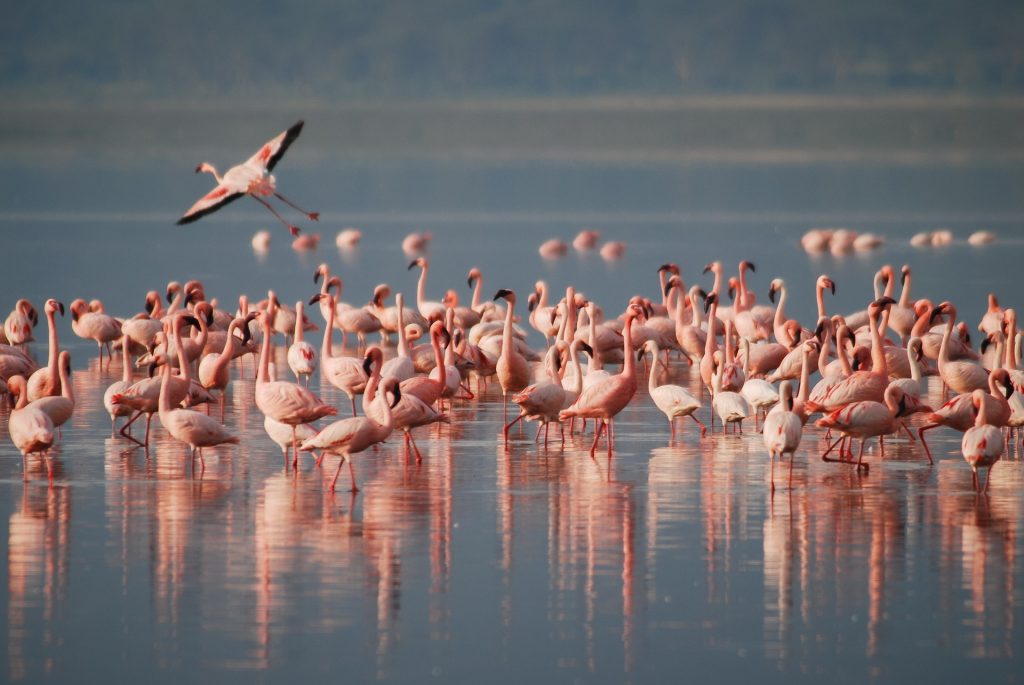
Welcome To Tanzania Where you want to Explore, learn or enjoy Tanzania is the right place for you. Book your Adventure today With Future African Safari. Know More Tanzania isn’t just a safari destination; it’s a photographer’s dream come true. From the vast expanse of the Serengeti to the dramatic cradle of the Ngorongoro Crater, Tanzania offers endless opportunities to capture breathtaking wildlife and stunning landscapes.   Imagine yourself framed by the golden light of sunrise on a hot air balloon safari, overlooking the migration of over a million wildebeest thundering across the plains.    Or picture capturing a pride of lions basking on a kopje, a rocky outcrop dotting the savanna. Tanzania’s diverse wildlife, from the Big Five to cheetahs and zebras, provides a constant spectacle for your lens. But Tanzania is more than just wildlife. The volcanic landscapes of the Ngorongoro Crater, with its misty mornings and diverse ecosystem, create dramatic backdrops. Lush rainforests like those in Mahale Mountains National Park offer a chance to capture chimpanzees swinging through the trees, while crystal-clear lakes like Lake Manyara, teeming with pink flamingos, provide a photographer’s paradise of unique compositions.   Beyond the iconic, Tanzania offers opportunities for adventure photography as well. Capture the thrill of a chimpanzee trek in Gombe Stream National Park, where Jane Goodall made her groundbreaking discoveries. Or document a boat safari along the remote wilderness of the Selous Game Reserve, the largest wildlife reserve in Africa.   Whether you’re a seasoned wildlife photographer or an enthusiastic amateur, Tanzania’s natural wonders promise unforgettable experiences.  So pack your camera, embrace the adventure, and get ready to explore a photographer’s paradise. You might just capture not only stunning images, but a profound appreciation for the untamed beauty of Tanzania. Kilimanjaro 3 tours Safari 4 tours Zanzibar 3 tours

Exploring Tanzania: A Photographer’s Paradise Read More »

shutterstock 1093494356 1

10 Must-See Places in Tanzania for Every Adventure Seeker

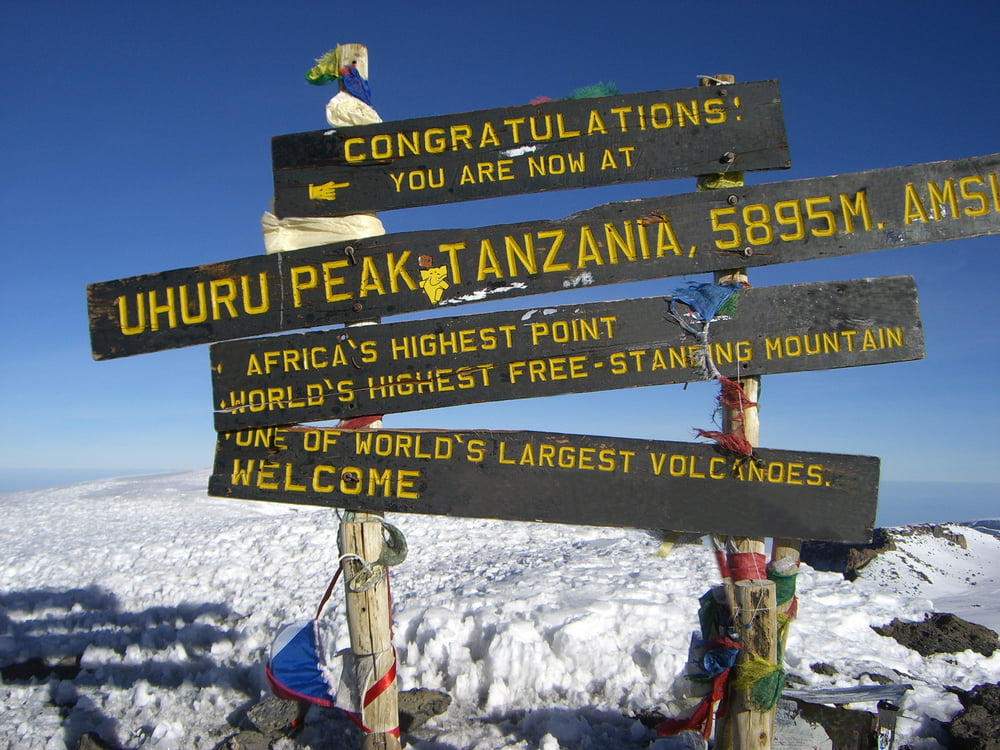
Tanzania is a country in East Africa known for its vast wilderness areas, including the plains of Serengeti National Park, a safari mecca inhabited by the “big five” game (elephant, lion, leopard, buffalo, rhino), and Kilimanjaro National Park, home to Africa’s highest mountain. Offshore lie the tropical islands of Zanzibar and Mafia Marine Park, where whale sharks swim through reefs. Serengeti National Park The Serengeti National Park is a large national park in Tanzania. It is best known for its annual migration of over 1.5 million white-bearded (or brindled) wildebeest and 250,000 zebra and it’s considered one of the seven wonders of Africa. Mount Kilimanjaro Mount Kilimanjaro is Africa’s highest peak and Tanzania’s most iconic image. It is a dormant volcano that stands at 19,341 feet above sea level, offering an incredible trekking experience for adventure seekers. Ngorongoro Crater The Ngorongoro Crater is a breathtaking natural wonder and a UNESCO World Heritage Site. It is home to a variety of wildlife, including lions, elephants, and rhinos, as well as a large population of flamingos. Zanzibar Zanzibar is an archipelago off the coast of Tanzania known for its beautiful beaches and rich cultural heritage. It offers a unique blend of history, culture, and natural beauty, making it a must-visit destination for adventure seekers. Tarangire National Park Tarangire National Park is a hidden gem in Tanzania, known for its large elephant population and stunning baobab trees. It offers a more off-the-beaten-path safari experience compared to other popular parks in the country.   Visit Tanzania Travel with Future African Safari, and have an adventure. Book With Us Lake Manyara National Park Lake Manyara National Park is a scenic park located at the base of the Rift Valley escarpment. It is known for its diverse wildlife, including tree-climbing lions, flamingos, and hippos, as well as its lush greenery and beautiful landscapes. Selous Game Reserve The Selous Game Reserve is Africa’s largest game reserve and a UNESCO World Heritage Site. It is a remote and wild park that offers a truly authentic safari experience, with a variety of wildlife and stunning landscapes to explore. Ruaha National Park Ruaha National Park is one of Tanzania’s best-kept secrets, known for its rugged and untouched wilderness. It offers some of the best game viewing opportunities in the country, with large populations of elephants, lions, and other wildlife. Mahale Mountains National Park Mahale Mountains National Park is a remote and beautiful park located on the shores of Lake Tanganyika. It is home to a population of wild chimpanzees, making it a unique destination for adventure seekers looking to experience primate trekking in a truly wild and natural setting. Conclusion Tanzania is a diverse and spectacular destination for adventure seekers, with a wide range of must-see places to explore. From the iconic Serengeti National Park to the majestic Mount Kilimanjaro, there is no shortage of incredible experiences to be had in this beautiful country. Kilimanjaro 3 tours Safari 4 tours Zanzibar 3 tours

10 Must-See Places in Tanzania for Every Adventure Seeker Read More »

shutterstock 708206644 1

10 Safari Do’s and Don’ts

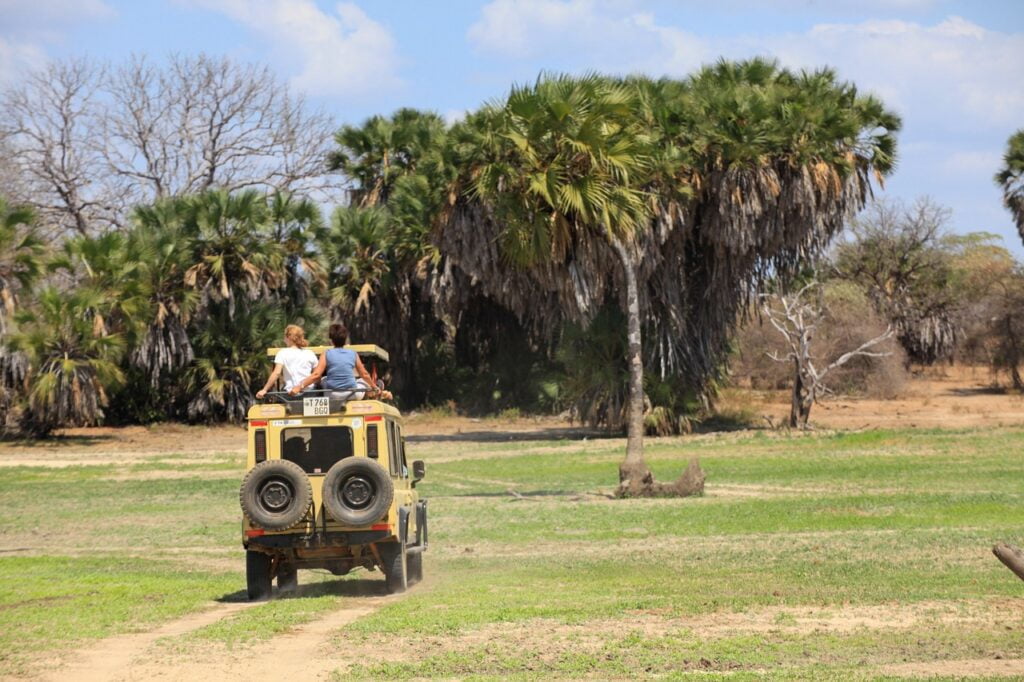
Both vehicles are full of travelers like you, and both are out for their morning game drive. But there’s one major difference between them. You see the vehicle in front? That one is full of people who exude proper safari etiquette. They are responsible wildlife lovers whose actions represent a favorable approach to safari. The second Land Cruiser? Well, that one is full of folks whose behaviors prove less appropriate for safari. Look: the road forks ahead and each vehicle chooses a road. Let’s follow them separately to better understand what to do and what not to do on safari, shall we? Vehicle #1: Good Safari Etiquette 1. DO Be Courteous of Volume A man in the backseat asks the driver: “Are acacia trees negatively affected when giraffes graze their upper canopy?” (Answer: acacias actually depend on large grazing herbivores – View Source). He doesn’t yell or take up all the driver’s attention. Instead, he lets others have the opportunity to ask questions. Being patient and punctual is important on safari, as time and space is both shared and limited. 2. DO Wear Natural Colors Approaching the first vehicle we notice that everyone is wearing natural colored clothing—khaki, olive, brown. Wild animals can respond adversely to bright colors like reds and blacks, while bugs love blue. Also, having a scarf or jacket nearby is highly recommended, as all-day game drives can run the gamut of weather. 3. DO Learn Swahili Greetings A woman in the Land Cruiser spots movement in the bush, and she politely asks the driver to slow down, thanking him in Swahili, “Asanti sana.” Tanzanians appreciate when you try their language out. A little bit goes a long way. Here are some essential phrases to try. 4. DO Pack Light As the first vehicle stops to watch four cheetahs perch on a rock outcropping, peer in the back of the vehicle. Note that everyone’s luggage is compact and durable. Packing only the essentials for your safari, in durable bags, helps getting in and out of the vehicle, while making room for others. 5. DO Tip your Guides In each bag, you’ll find some US dollars, meant to tip each guide after the safari is over. This is an industry-wide expectation. Easy Travel’s professional drivers will be with you nonstop throughout the journey, answering questions, giving cultural context, and providing one of the most memorable trips of your life. So tips are encouraged. Vehicle #2: Not-So-Good Safari Etiquette Now that we’ve seen what some good safari etiquette looks like, let’s check in on the second Land Cruiser and see what we might avoid while searching for that pride of lions. 6. DON’T Get Out of the Vehicle As we pull up, someone is outside the second Land Cruiser, taking photos of an elephant in the distance. This is major safety concern and is not advisable until your experienced driver can find a safe place to do so. Easy Travel guides have decades of experience and will ensure that each passenger is safe and secure at all times. 7. DON’T Be Obnoxious Inside the second vehicle, everyone talks loudly over each other. Be aware of others in your safari group. Make sure that your voice is considerate and not overbearing for you or the wildlife. (Note: many animals are extremely sensitive to sound. Did you know that elephants can hear storms from as far as 150 miles away? They can even hear through their feet! 8. DON’T Be on your iPhone A young man sits in the front of the vehicle and flips through text messages, just as a Bateleur eagle flies overhead with its six-foot wingspan. Missed opportunity! Each safari offers but three to four days of game drives, and, believe me: they will go fast. So turn off your devices and turn on your focus towards wildlife. 9. DON’T Stop for Everything that Moves This Land Cruiser starts and stops every mile because each traveler asks the driver to stop whenever they see a gazelle. Gazelles, though majestic, are everywhere, and your driver wants to show you all of what Tanzania has to offer. Easy Travel guides know all the nooks and crannies of Tanzania and they are excited to show you them off. And this takes time. 10. DON’T Choose Inexperienced Safari Operators Be sure and choose a safari provider that knows what they’re doing. Locally-owned and operated, with state-of-the-art, customized Land Cruisers and over 25 years of safari experience, Easy Travel knows the most exciting regions of each park and reserve in the country. So choose wisely, travel responsibly, and be ready for a life-changing experience. Bottom Line? Safari is all about celebrating the wild places. It’s about honoring the wonderful creatures that live there. So tread lightly, express genuine interest in Tanzanian culture, and choose an outfitter that’s both experienced and responsible. With these in mind, you’re bound to have a life-changing experience

10 Safari Do’s and Don’ts Read More »

shutterstock 1392853628

Tanzania Travel Tips & Useful info

Tanzania Travel Tips & Useful info Planning a safari adventure to Tanzania and want to know a little more about the country? Not sure if you need to take malaria pills or whether you’ll have much WiFi access over there? You’ll find the answers to all these questions and more with our Top Travel Tips covering everything from pre-travel health advice to money, shopping and more. What vaccinations do I need for Tanzania? You should seek medical advice from your local health practitioner before travelling to Tanzania and ensure that you receive all of the appropriate vaccinations. As a guide COVID-19, Polio, Diphtheria, Hepatitis A & B, Typhoid and Tetanus is strongly recommended. Meningitis and Rabies are also recommended. A Yellow Fever International Certificate of Vaccination is required if arriving from countries infected with yellow fever or if you were in transit through infected areas (unless you remained on board or at the airport). This is particularly relevant if travelling from neighbouring African countries. If visiting Zanzibar from mainland Tanzania, a yellow fever certificate must be produced to gain entry. COVID-19 situation in Tanzania The Tanzania government has had a fast response to the Covid-19 situation and is on a national wide campaign to ensure all citizens are vaccinated. Hence, making it safe for all foreigners to visit Tanzania. Here is a link to BBC News coverage on the Tanzania Covid-19 vaccination campaign. Do I need anti-malaria tablets for Tanzania? There is a risk of malaria in Tanzania so it is very important to check with your doctor before you go, to see whether malarial medication is required for the areas you are visiting. Generally, it is good practice to avoid mosquito bites by wearing long-sleeved, light-coloured clothes and wearing a mosquito repellent that contains at least 50% DEET. For more information on the malaria risk in Tanzania visit the NHS Fit to Travel page or the CDC Traveler’s Health page. What is the plastic bag ban? Tanzania has introduced a ban on plastic bags effective from June 1st 2019. All travellers arriving at a Tanzania airport could face heavy fines for using plastic bags in any way, shape or form. These include shopping bags, garbage bags and “zip-lock” plastic bags used for transporting liquids and cosmetics. We recommend that you avoid packing any plastic bags in your suitcase or carry-on luggage before travelling to Tanzania. If you do purchase any items at your departure airport, be sure to take them out of their plastic bags. Double-check your hand luggage before disembarking and leave any plastic bags on the plane. Is it safe to drink tap water in Tanzania? The tap water in Tanzania is not considered safe to drink. You should drink bottled mineral water, which is readily available from shops, hotels and restaurants. Make sure you purchase this from reputable outlets and that the seal on the bottle is not broken. What’s the food like in Tanzania? The most common staples found in Tanzanian cuisine are rice and ugali, a thick, white paste made from cornmeal that is served alongside a sauce-based stew or meat dish. Chapatis, as can be found in India, also make the base of many meals along with beans and mchicha, a green vegetable that resembles spinach. Accompanying these staples are several different meat-centric dishes, such as grilled chicken or nyama choma, roasted beef or goat. Once you hit the coast, seafood makes more of an appearance and one delicious dish is octopus in a creamy coconut curry. Snacks are also widely available, a popular choice of which are samosas, brought over to Tanzania from India. Roasted corn with lemon and chilli salt is also a favourite with locals and can be bought from street-side grills. Meals can be washed down with a hot cup of chai tea or a local beer, such as Safari, Kilimanjaro or Castle. Safe eating while travelling in Tanzania Be wary when eating outside of high-end lodges as sometimes the quality of the meat and the way in which it has been prepared might not be suitable for a sensitive western stomach. Also be aware that food hygiene in Tanzania is much more basic than you will be used to so if something looks unclean, old or badly cooked, it is best to avoid it altogether. It is also a good idea to avoid ice in your drink and eating salad as these might have come into contact with unhygienic water. Is it standard to tip in Tanzania? There is no set procedure when it comes to tipping in Tanzania but be aware that most people in the service industry earn very little and depend on gratuities to make up their income. Safari guides should be tipped the equivalent of about USD $10-15 per day and a few dollars should go to the driver, cook and porters when travelling on an overland safari. If you eat in a restaurant then 10% on top of the bill is a suitable amount to leave. When it comes to taxis, rounding up the fare is a nice way to show your appreciation, especially if they have successfully navigated the chaotic streets of Dar es Salaam for you. What is good to shop for in Tanzania? The most popular purchase for travellers in Tanzania is a traditional wooden carving, usually in the shape of a mask or tribes person. A close second to this are the soapstone sculptures that can be found in boutiques as well as marketplaces. Another excellent item to take home with you is a Maasai blanket, which are brightly coloured and similar in pattern to tartan and can be used as tablecloths, picnic blankets or even clothes. If you’re looking for something to wear, colourful kangas, which look like sarongs, are widely available. You might also want to look out for some tinga-tinga art, a unique style to Tanzania that encompasses bright colours and a cartoon-ish style and usually depicts safari animals or African scenes. Another uniquely Tanzanian product is Tanzanite, a

Tanzania Travel Tips & Useful info Read More »

safari packing list

What to Wear on your Tanzania Safari

What to Wear on your Tanzania Safari Planning what to wear and essentials to bring on your upcoming safari in Tanzania is not all that complicated. Everything you need is most likely in your closet already! Our clothing suggestions apply for all seasons on a Tanzania safari while different guidelines apply if your route is to the peak of Mt. Kilimanjaro or heading down to the famous Zanzibar beach. TANZANIA WEATHER The best wildlife viewing months in Tanzania are during the Dry season from late June to October. The best chance of seeing the wildebeest migration in the Serengeti is during June and July and the time to see the wildebeest calving is late January to February. Tanzania’s main rainy season, or the ‘long rains’, last during about March, April, and May. WHAT KINDS OF CLOTHES ARE RECOMMENDED FOR SAFARI? Casual, comfortable and easy to wash clothes are recommended. The goal is to pack lightly as most lodges and camps will launder clothes for a small fee. Safaris are informal, and there is no need to dress up. Do plan to dress in layers so you can adjust to temperature changes as early morning game drives can be quite cold depending on the time of year while daytime temperatures can get quite warm. Stick to neutral or khaki colors and avoid wearing dark blue or black clothes as these colors tend to attract tsetse flies. Wide brimmed hats, sunglasses, sunscreen, insect repellent are a necessity. After sunset, we recommend that you wear long pants, long-sleeved shirts, and socks and spray insect repellent to avoid being bitten by mosquitoes. RECOMMENDED SAFARI CLOTHING TO BRING T-shirts and tank tops Long-sleeved shirts (for protection from sunburns) Shorts Light long pants or convertible long-short pants Warm fleece pullover or jacket One swimsuit Cotton socks and underwear Pajamas One pair of comfortable walking shoes One pair of sandals or flip-flops Wide-brimmed hat Bandana (for dust) Heavy sweater, gloves, and toque if traveling in the cold season (June – August) CLOTHING FOR ZANZIBAR Please dress modestly when sightseeing in Stone Town or visiting anywhere outside of the beach resorts in Zanzibar. Women should not wear sleeveless or revealing tops and short skirts or thigh-high shorts (Capri trousers or at least knee-length shorts are fine). Men should wear shirts, pants or knee-length shorts. WHAT ARE SOME OTHER ITEMS TO PACK? We strongly recommend that you carry-on all important items such as prescription medication, camera equipment, essential toiletries (please keep in mind many airlines have liquid restrictions) and one or two changes of clothes in case of checked luggage delays or loss. PACK LIGHT! HERE ARE THE TOP THINGS TO BRING WITH YOU ON A SAFARI: Passport Plane tickets Travel Insurance Policy & Emergency Contact Numbers Yellow Fever Vaccination Certificate (if applicable) Safari itinerary U.S. dollars in large and small denominations ($20, $50 & $100 bills should be issued after 2005) Credit cards and ATM bank cards Sunglasses Sunscreen and lip balm Small flashlight or headlamp Insect/Mosquito repellent Eye drops and extra contact lenses or spare glasses (if applicable) Anti-bacterial hand sanitizer Tissue paper and small travel towel (washrooms in Tanzania often don’t have toilet paper or paper towels) Camera, extra memory cards, batteries, and charger, if applicable UK plug adapter and transformer/voltage converter, if applicable Ziplock bags for toiletries, camera equipment, snacks, etc. Personal toiletries Small first aid medical kit including Tylenol or ibuprofen, antimalarial pills, cold and allergy medicine, itch medication, band-aids, stomach ache remedy, antibiotic cream, diarrhea medicine, prescription antibiotic for travelers diarrhea (Ciprofloxacin) and any prescription medications

What to Wear on your Tanzania Safari Read More »

shutterstock 145434622

On Safari Vehicle Etiquette

Most of your time on safari will be spent in the back of a safari vehicle which you will likely share with a number of other keen ‘safari-goers’. So, it is worth keeping a few basic rules of vehicle etiquette on safari in mind: 1. Be ready on time Following proper vehicle etiquette on safari is important. So, always try to be ready to board your vehicle at the agreed time, having been to the toilet and with everything you will need for the day (cameras, binoculars, sunblock etc). 2. Be considerate (and courteous) Be prepared to indulge the interests of others in your group.  They will hopefully do likewise for you. And don’t always rush for the ‘best’ seat. Be considerate of others. Remember to practice good vehicle etiquette on safari. 3. Talk in moderation Try to avoid talking incessantly during game drives, as this can be very disruptive to the other guests and even off-putting for the guide! 4. No sudden movements Avoid standing up or making any sudden movements when close to animals. This will likely startle them and they will either run off or take offence! You should also be careful not to ‘rock’ the vehicle (shuffling in your seat or unnecessary movements) when the other occupants are attempting to get that perfect photograph. 5. Be patient There is no script on safari and it may be that you need to wait by a waterhole or stop to scan the horizon to find something of interest. Be patient (and vigilant) – the next great sighting is likely just around the corner. 6. Do not hog the guide By all means take the opportunity to learn from your guide by asking questions…but be careful not to hog his/her attention at the expense of the other guests. 7. Be prepared Do try to be self-sufficient in terms of binoculars, storage cards, warm clothing, sunblock, bottled water etc. 8. Talk quietly (rather than whisper) This is important not only so that the other participants can enjoy the outdoor experience, but also so as not to disturb the wildlife. Do not whistle or bang on the vehicle to attract an animal’s attention. This is very poor form! 9. Advice for smokers Don’t automatically assume that because you are in the great outdoors that your smoking habit will not bother the other passengers. Try to be considerate and request a ‘smoke’ break/stop – perhaps while the others are taking their ‘comfort’ break. And please DO NOT leave your cigarette ends stomped into the dirt. Put them in your pocket and dispose of them when you get back to camp. 10. Advice for families If you are a family with small children, be aware that others in the vehicle may not think that little Johnny’s antics are very conducive to an enjoyable safari! Where possible, it is always advisable to arrange, or at least request, the sole use of a safari vehicle if you have a family with young children

On Safari Vehicle Etiquette Read More »

shutterstock 89532046

10 Reasons Why You Should Visit Tanzania

There truly is something to suit every kind of holidaymaker in Tanzania. From incredible game reserves teeming with wildlife to glorious beaches, luxurious accommodation and incredible culture and food. Here are just 10 reasons why you should think about spending your next holiday there. 1. The Great Migration Africa is full of amazing wildlife experiences but one of the most spectacular to witness is the Great Migration. A once in a lifetime experience and on the bucket list of many a traveller to Africa, none can surpass this incredible spectacle: a million wildebeest crossing the plains of the Serengeti in search of fresh grass while braving predators and perilous river crossings. 2. Mount Kilimanjaro Located in North Eastern Tanzania, Kilimanjaro is the highest mountain in Africa and can be seen from far into Kenya. The mountain represents a powerful life force for the local Chagga people and all those who have made their lives around the mountain, providing rich volcanic soils for agriculture and an endless source of pure spring waters. 75,000 people climb Kilimanjaro every year so it is not the most untouched mountain, nor is it the most arduous, however it is still an awe inspiring sight to behold and highly recommended for anyone with even a vague interest in mountaineering. 3. Zanzibar What better way to round off a safari adventure through Tanzania than to spend some time relaxing in Zanzibar on one of its beautiful white sand beaches. Known as the “Spice Island”, Zanzibar has brought visitors from other lands since time immemorial – Persians, Chinese, Arabs, Indians and many more have all sailed their vessels into Zanzibar’s harbour over the centuries, bent on trade and sometimes plunder. Make sure to visit Stone Town to explore its spice markets and superb Arabic architecture. If diving is more your thing then learn to dive at one of the many dive centres the local resorts boast – the waters around the island are very clear and host a huge diversity of marine life. 4. The Food Tanzanian cuisine is a mix of traditional African food, with a strong Arabic/Indian influence, especially along the coast and in Zanzibar. Surrounded by the ocean, Zanzibar is renowned for its seafood with most hotels in the area offering a fantastic variety of fresh seafood menus. For the ultimate foodie experience, visit the Stone Town night food market. Offering a variety of delicious eats, this lively market is a must-see to experience the local people and culture. 5. Outstanding Accommodation Options Tanzania provides visitors with a variety of choices when it comes to accommodation. For the ultimate luxury safari experience there is the Four Seasons Serengeti, for those looking for an authentic tented safari experience there are are camps like &Beyond Serengeti Under Canvas and Selous Serena Camp and for honeymooners or couples, Zanzibar offers a plethora of luxury resorts such as Hideaway of Nungwi and Ras Kutani. 6. The Maasai People The Maasai people of East Africa live in southern Kenya and northern Tanzania along the Great Rift Valley on semi-arid and arid lands. They’re well known for the special red cloth they wear which is called a Shuka and their highly energetic customs. They openly welcome visitors to the area to experience their culture and lifestyle first hand. 7. Wildlife and Birdlife Tanzania has the largest concentration and diversity of animals in Africa and there are over 1000 bird species to spot in the country. Tanzania is home to some of the world’s most treasured national parks and game reserves including the Selous Game Reserve, which is the world’s largest game reserve and home  to more than 120,000 elephants, 160,000 buffalos and 2000 rhinos. Selous is also home to large concentrations of hippos, crocodiles and wild dogs. 8. The Ngorongoro Crater A jewel in Tanzania’s crown is the Ngorongoro Crater, the world’s largest intact volcanic caldera and haven to a wondrous array of animal life which makes the crater a “must do” on any visit to Tanzania. The backdrop of the crater walls makes for some stunning photographic opportunities as you see the animals wander through the grasslands on the crater floor towards the lake. 9. The Western and Southern Safari Parks Southern and western Tanzania are very often overlooked by travellers intent on visiting the more well known parks of the north, yet these regions are highly regarded among serious safari-goers. The southern parks of Selous and Ruaha offer seriously good wildlife, plus a wider choice of activities and much better value for money than can be found in Northern Tanzania. The remote western parks of Mahale and Katavi are expensive and more difficult to get to, however they do both offer a unique safari and African wilderness experience.  10. Chimpanzees in Mahale National Park The small and remote Mahale Mountains National Park is found in the very West of Tanzania and on the shoreline of Lake Tanganyika. Chimpanzee treks are the main draw card here and seeing them in their natural habitat is a truly magical experience. When you are with the chimps you will be able to observe their very human-like behaviour as the younger ones play in the trees and the adults observe and squabble amongst themselves.

10 Reasons Why You Should Visit Tanzania Read More »

Scroll to Top