10 Unique Souvenirs to Bring Back from Tanzania
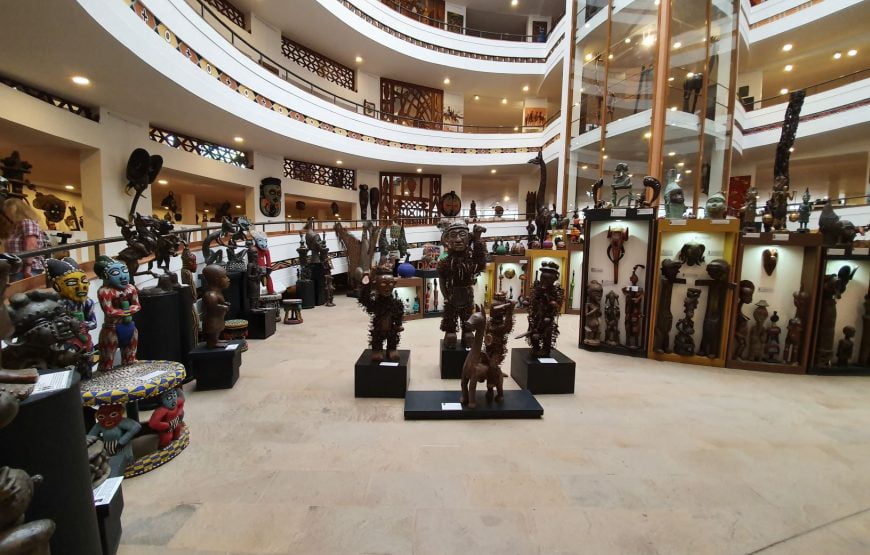
Tanzania offers more than just unforgettable memories; it’s a treasure trove of unique souvenirs that capture the essence of the country’s vibrant culture and stunning wildlife. Here are 10 distinctive finds to commemorate your Tanzanian adventure: Maasai Shuka: Wrap yourself in tradition with a Maasai shuka, a large, colorful shawl worn by the Maasai people. These vibrant cloths, often adorned with geometric patterns and symbolic colors, are a beautiful and practical memento. Tanzanite Jewelry: Tanzania boasts the unique distinction of being the sole source of Tanzanite, a stunning violet-blue gemstone. From delicate earrings to statement necklaces, Tanzanite jewelry adds a touch of Tanzanian elegance to any outfit. Hand-Carved Makonde Sculpture: Admire the artistry of the Makonde people, renowned for their intricate ebony wood carvings. Depicting everything from animals and ancestral spirits to scenes of everyday life, these sculptures are a conversation starter in any home. Tingatinga Painting: Bring home a burst of color with a Tingatinga painting. This unique Tanzanian art style features vibrant acrylics on Masonite board, often depicting wildlife, landscapes, and scenes from daily life. Batik Fabric: Immerse yourself in Tanzanian textiles with batik fabric. This vibrant cloth, featuring intricate patterns created with wax and dye, can be transformed into a stylish scarf, sarong, or even wall hanging. Hand-Woven Basket: Add a touch of African flair to your home with a hand-woven basket. These versatile and beautiful baskets, crafted from sisal or palm leaves, come in various sizes and designs, perfect for storage or display. Coffee from Local Farms: Savor the rich flavors of Tanzanian coffee. From the high-altitude Arabica beans grown on the slopes of Mount Kilimanjaro to the unique Robusta coffee cultivated in the lowlands, Tanzanian coffee offers a delicious taste of the country. Tanzanian Spices: Indulge your inner chef with a selection of Tanzanian spices. From the warmth of Zanzibar cinnamon to the smoky depth of paprika, these flavorful spices will elevate your culinary creations. Handmade Maasai Beadwork: Admire the intricate craftsmanship of Maasai beadwork. From colorful necklaces and bracelets to decorative ornaments, these handcrafted items are a beautiful expression of Maasai culture. Local Art from Zanzibar: Explore the artistic heritage of Zanzibar. From intricate embroidery to hand-painted wooden dhow replicas, Zanzibar offers a unique selection of souvenirs that showcase the island’s rich cultural blend. By bringing home one (or a few!) of these unique souvenirs, you’ll not only have a beautiful reminder of your Tanzanian adventure, but you’ll also support local artisans and preserve Tanzania’s vibrant cultural heritage.