Island

IMG 20230422 WA0000

Tumbatu Island: Discovering the Hidden Cultural Gem of Zanzibar Archipelago

Nestled in the northern part of Zanzibar Archipelago, Tumbatu Island is a cultural gem that offers a unique blend of history, traditions, and pristine natural beauty. Known for its strong cultural identity and vibrant local communities, Tumbatu Island provides an authentic Tanzanian island experience away from the bustling tourist spots. This blog post explores the allure of Tumbatu Island, highlighting its cultural richness, stunning landscapes, and unique attractions. Cultural Heritage Matongo Clan: Tumbatu Island is predominantly inhabited by the Matongo clan, known for their distinct cultural practices and craftsmanship. Their rich traditions and resilient spirit are integral to the island’s identity. Swahili Architecture: Traditional Swahili architecture, with its intricate wooden doors and coral stone buildings, adorns the island, reflecting the historical influences of Arab traders and local craftsmanship. Unique Attractions Kisiwa Cha Matongo: Explore the ancestral lands of the Matongo people, where you can witness traditional ceremonies, dances, and the intricate art of boat building that has been passed down through generations. Ruins of Kizimkazi Mosque: Visit the historic Kizimkazi Mosque, one of the oldest Islamic structures in East Africa, showcasing the island’s long-standing religious and cultural heritage. Clove Plantations: Tumbatu Island is renowned for its clove plantations. Take a tour to learn about the cultivation and processing of cloves, a key export and cultural symbol of Zanzibar. Natural Beauty Pristine Beaches: Relax on secluded beaches with powdery white sands and crystal-clear waters, perfect for swimming, sunbathing, and beachcombing. Coral Reefs: Snorkel or dive into vibrant coral reefs teeming with marine life, offering an underwater paradise for nature enthusiasts. Lush Mangroves: Explore the island’s mangrove forests, home to diverse wildlife and crucial for maintaining the ecological balance of the region. Local Community and Experiences Cultural Immersion: Engage with the local Matongo community to learn about their daily lives, traditions, and crafts. Participate in traditional weaving or pottery workshops to gain hands-on experience. Local Cuisine: Savor authentic Swahili dishes prepared with fresh, local ingredients. Enjoy seafood delicacies and flavorful spices that define Tumbatu’s culinary landscape. Traditional Festivals: If your visit coincides with local festivals, immerse yourself in the vibrant celebrations featuring music, dance, and communal feasts that showcase the island’s cultural vibrancy. Safari and Island Integration Comprehensive Itineraries: Combine your traditional African safari with an island adventure to Tumbatu, offering a balanced experience of wildlife exploration and cultural immersion. Eco-Friendly Tourism: Future African Safari emphasizes sustainable tourism practices on Tumbatu Island, ensuring that your visit supports local communities and preserves the island’s natural and cultural heritage. Tumbatu Island is a hidden cultural gem within the Zanzibar Archipelago, offering a unique blend of history, traditions, and natural beauty. By incorporating Tumbatu into your Tanzanian safari with Future African Safari, you can experience an authentic and enriching island adventure that complements your wildlife explorations, creating a truly memorable journey. Book With Us

Tumbatu Island: Discovering the Hidden Cultural Gem of Zanzibar Archipelago Read More »

Old Fort Gereza 12 Kilwa Kisiwani

Kilwa Kisiwani: Unveiling the Ancient Treasures of Tanzania’s Historic Island

Kilwa Kisiwani, a UNESCO World Heritage Site, is a treasure trove of Swahili history and architecture. Situated off the southern coast of Tanzania, this ancient island once thrived as a major trading hub in the Indian Ocean. This blog post delves into the rich history, archaeological wonders, and cultural significance of Kilwa Kisiwani, making it a must-visit destination for history enthusiasts and curious travelers alike. Historical Significance Ancient Trade Hub: Kilwa Kisiwani was a key player in the medieval Indian Ocean trade network, exchanging gold, ivory, and slaves with merchants from Arabia, Persia, and India. Its prosperity is evident in the grandeur of its historical structures. Swahili Civilization: The island exemplifies the Swahili culture, characterized by a blend of African, Arab, and Persian influences. This unique cultural fusion is reflected in the island’s art, architecture, and societal norms. Architectural Marvels Great Mosque of Kilwa: One of the largest mosques in East Africa, the Great Mosque showcases intricate stone carvings and impressive arches, highlighting the architectural prowess of the Swahili builders. Hassan Ibn Bulhan Complex: This complex includes a palace, mausoleum, and a Great Mosque, serving as a testament to the island’s historical importance and the legacy of its rulers. Ruins of Husuni Kubwa: The remnants of this grand palace reveal the opulence and sophistication of Kilwa’s past, offering a glimpse into the lives of its elite inhabitants. Cultural Heritage Swahili Traditions: Kilwa Kisiwani remains a living example of Swahili traditions, including music, dance, and craftsmanship. Visitors can witness traditional practices that have been preserved over centuries. Local Community: Engaging with the local community provides insights into how the island’s rich history continues to influence contemporary life. Artisans, fishermen, and storytellers keep the island’s heritage alive. Exploring Kilwa Kisiwani on Safari Guided Historical Tours: Future African Safari offers guided tours led by knowledgeable historians and archaeologists, ensuring a comprehensive understanding of Kilwa’s historical and cultural significance. Scenic Boat Rides: Enjoy scenic boat rides to and from Kilwa Kisiwani, experiencing the island’s natural beauty and the tranquility of the Indian Ocean. Cultural Workshops: Participate in workshops where you can learn traditional Swahili crafts, such as pottery and weaving, providing a hands-on appreciation of the island’s cultural heritage. Kilwa Kisiwani is more than just an island; it is a living museum that encapsulates centuries of history, culture, and architectural brilliance. By visiting Kilwa Kisiwani with Future African Safari, travelers can immerse themselves in the rich tapestry of Tanzania’s Swahili heritage, making their safari experience truly unforgettable. Book With Us

Kilwa Kisiwani: Unveiling the Ancient Treasures of Tanzania’s Historic Island Read More »

8htaehngfldo3 l

Sumbawanga: Exploring the Remote Islands of Tanzania

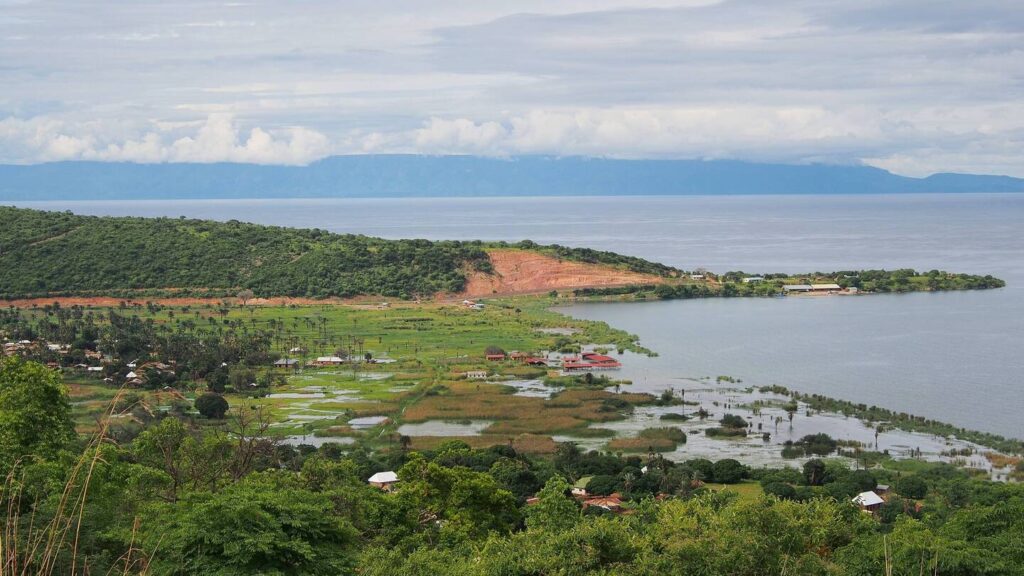
While Zanzibar and Mafia are well-known, Tanzania is home to several other enchanting islands that offer unique experiences away from the crowds. This blog post introduces readers to some of Tanzania’s remote islands, highlighting their distinctive attractions and why they should be included in a safari itinerary. Book With Us Liwonde Island Birdwatching Paradise: Located in Lake Malawi, Liwonde Island is a haven for bird enthusiasts, home to numerous endemic and migratory species. Lake Activities: Enjoy fishing, boating, and picnicking by the lake’s serene waters, surrounded by stunning natural landscapes. Chole Island Unique Ecosystems: Explore diverse ecosystems, including mangroves, savannas, and wetlands, supporting a variety of wildlife. Wildlife Encounters: Spot hippos, crocodiles, and various bird species in their natural habitats. Kizimkazi Island Dolphin Tours: Renowned for its resident population of bottlenose dolphins, Kizimkazi offers unforgettable dolphin-watching experiences. Historic Mosques: Visit ancient mosques that reflect the island’s historical ties to the Swahili coast and Islamic culture. Uncharted Territories Untouched Beaches: Discover pristine, untouched beaches perfect for those seeking solitude and unspoiled natural beauty. Eco-Friendly Retreats: Stay in eco-lodges that emphasize sustainability and minimal environmental impact, allowing you to connect with nature responsibly. Adventure and Exploration Island Hopping: Engage in island-hopping adventures, exploring multiple islands in one trip to experience diverse environments and cultures. Underwater Exploration: Dive into crystal-clear waters to explore hidden coral reefs, shipwrecks, and vibrant marine life. Safari and Remote Island Integration Comprehensive Itinerary: Learn how to incorporate remote islands into your safari itinerary, offering a blend of land-based wildlife and marine adventures for a truly diverse Tanzanian experience. Tanzania’s remote islands offer unique and diverse experiences that cater to adventurous travelers seeking something beyond the typical safari. Let Future African Safari help you uncover these hidden treasures, adding a sense of discovery and exclusivity to your Tanzanian journey. Book With Us

Sumbawanga: Exploring the Remote Islands of Tanzania Read More »

g1a4ea6554d0d22cd406efc33d5702330b3a9a493a2f9f3c87290d21b18f4760494423deed41845cc1ac40732f5271c394062fd037aac374b347e637e82326612_1280-2178656.jpg

Practical Tips for Visiting Tanzania’s Beautiful Islands

Planning a trip to Tanzania’s stunning islands can be an exciting yet daunting task. From Zanzibar to Pemba and Mafia, each island offers unique experiences and attractions. To help you make the most of your island adventure, Future African Safari Tour Company has compiled essential practical tips. Whether you’re a first-time visitor or a seasoned traveler, these insights will ensure a smooth and enjoyable journey through Tanzania’s picturesque islands. Book With Us Best Time to Visit Dry Season (June to October): Ideal for beach activities, diving, and exploring the islands with minimal rainfall and pleasant temperatures. Short Rains (November to December): Fewer tourists and lush landscapes make this a great time for those seeking tranquility and lower prices. Avoid Long Rains (March to May): Heavy rains can disrupt travel plans, affect water activities, and make some areas inaccessible. Travel Logistics Flights and Ferries: Most islands are accessible via flights from Dar es Salaam or Zanzibar. Alternatively, ferries and speedboats connect the main islands, offering scenic and affordable travel options. Visa Requirements: Ensure your passport is valid for at least six months beyond your planned departure date. Obtain a Tanzanian visa in advance or upon arrival, depending on your nationality. Local Transportation: Utilize taxis, car rentals, or local buses for getting around the islands. For a more authentic experience, consider hiring a bicycle or scooter. Health and Safety Vaccinations and Health Precautions: Consult your doctor about necessary vaccinations, such as Yellow Fever, and take precautions against malaria by using mosquito repellent and sleeping under mosquito nets. Travel Insurance: Obtain comprehensive travel insurance that covers medical emergencies, trip cancellations, and lost luggage. Safety Tips: While Tanzania is generally safe for tourists, always stay aware of your surroundings, avoid isolated areas at night, and keep your valuables secure. Accommodation Booking Advance Reservations: Especially during peak seasons, book your accommodations well in advance to secure the best options and rates. Variety of Options: Choose from luxury resorts, boutique hotels, eco-lodges, and budget-friendly guesthouses based on your preferences and budget. Location Considerations: Select accommodations that are conveniently located near the attractions and activities you plan to explore, whether it’s the beaches, dive sites, or cultural landmarks. Cultural Etiquette Respect Local Customs: Dress modestly, especially in Stone Town and local villages. Women should cover their shoulders and knees, and both genders should avoid wearing revealing clothing in public. Language: Swahili is the official language, but English is widely spoken in tourist areas. Learning a few basic Swahili phrases can enhance your interactions with locals. Tipping: It’s customary to tip service providers, such as guides, drivers, and hotel staff. A general guideline is 10-15% of the service cost. Money Matters Currency: The Tanzanian Shilling (TZS) is the local currency, but US dollars are widely accepted in tourist areas. Carry some cash for small purchases and tips. ATMs and Banking: ATMs are available in major towns and tourist spots, but it’s advisable to carry sufficient cash when traveling to remote areas. Credit Cards: Major hotels and restaurants accept credit cards, but smaller establishments may prefer cash payments. Packing Essentials Beachwear: Lightweight, breathable clothing, swimwear, and sun protection essentials like hats, sunglasses, and sunscreen. Light Layers: Evenings can be cool, so pack a light jacket or sweater. Waterproof Gear: Protect your electronics and valuables with waterproof bags or pouches, especially if you plan on engaging in water activities. Snorkeling/Diving Gear: While many resorts provide equipment, bringing your own ensures a perfect fit and hygiene. Local Cuisine and Dining Tips Try Local Dishes: Indulge in Zanzibar’s renowned cuisine, including seafood, biryani, pilau, and spicy curries. Stay Hydrated: Drink bottled or filtered water to avoid waterborne illnesses. Many resorts provide safe drinking water, but always check before consuming tap water. Dining Etiquette: Accept invitations to try local dishes and respect dietary preferences. Inform your server of any food allergies or restrictions. Connectivity and Communication Internet Access: Wi-Fi is available in most hotels and cafes, but connectivity may be limited on remote islands. Consider purchasing a local SIM card for better coverage. Staying Connected: Keep in touch with family and friends by sharing your itinerary and emergency contacts. Use messaging apps for free communication over Wi-Fi. Sustainable Travel Practices Respect the Environment: Avoid littering, minimize plastic use, and participate in beach clean-ups if possible. Support Local Businesses: Choose local guides, buy from local artisans, and dine at locally owned restaurants to support the island communities. Wildlife Conservation: Follow guidelines for interacting with marine life and respect protected areas to help preserve Tanzania’s natural beauty. Visiting Tanzania’s beautiful islands is a rewarding experience filled with natural wonders, cultural richness, and unforgettable adventures. By following these practical tips, you can ensure a smooth and enjoyable trip, allowing you to fully immerse yourself in the magic of Zanzibar, Pemba, Mafia, and beyond. Let Future African Safari Tour Company assist you in planning every detail, making your Tanzanian island adventure seamless and memorable. Book With Us

Practical Tips for Visiting Tanzania’s Beautiful Islands Read More »

zanz2

Exploring the Unguja Island: Culture, Beaches, and Beyond

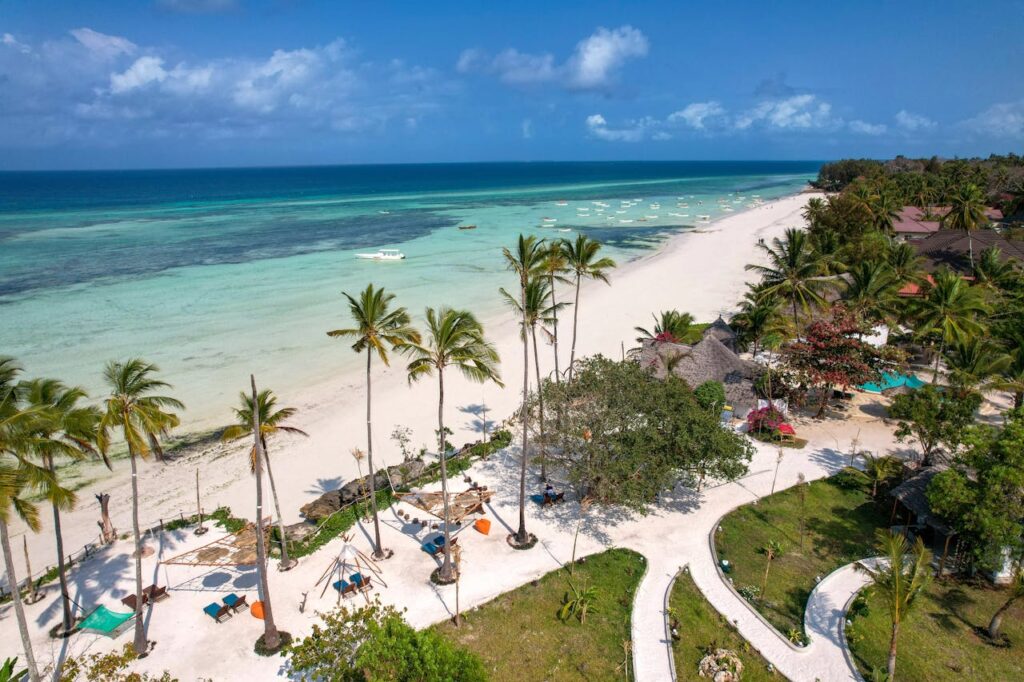
Unguja, the main island of the Zanzibar Archipelago, is a vibrant blend of rich history, stunning beaches, and lively cultural experiences. Often simply referred to as Zanzibar, Unguja offers a diverse range of attractions that cater to all types of travelers. From the bustling streets of Stone Town to the serene shores of its beaches, discover the multifaceted beauty of Unguja with Future African Safari Tour Company. Book With Us Stone Town: The Heart of Unguja Historical Landmarks: Explore iconic sites such as the Sultan’s Palace, the Old Fort, and the Anglican Cathedral, each narrating stories of Unguja’s past. Markets and Bazaars: Immerse yourself in the vibrant atmosphere of Stone Town’s markets. Visit Darajani Market for fresh produce and spices, or browse through local crafts and souvenirs. Architectural Marvels: Admire the intricate architecture characterized by carved wooden doors, narrow alleyways, and stunning stone buildings that reflect a blend of African, Arab, Indian, and European influences. Beaches and Coastal Activities Bwejuu Beach: Known for its long stretches of white sand and clear waters, Bwejuu is perfect for sunbathing, swimming, and beachside relaxation. Kendwa Beach: Famous for its lively atmosphere and stunning sunsets, Kendwa offers excellent swimming conditions and a range of beach activities. Nungwi Beach: One of Unguja’s most popular beaches, Nungwi boasts vibrant coral reefs, making it ideal for snorkeling and diving. Cultural Experiences and Festivals Local Cuisine: Savor the flavors of Zanzibar with dishes like Zanzibar pizza, biryani, and fresh seafood. Visit local restaurants and street food stalls for an authentic culinary experience. Cultural Tours: Participate in tours that introduce you to local crafts such as Tinga Tinga painting, pottery, and weaving. Learn about the island’s Swahili heritage and traditions. Festivals: Experience the island’s vibrant culture through festivals like the Zanzibar International Film Festival and the Sauti za Busara music festival, showcasing local and international talents. Nature and Wildlife Jozani Forest Reserve: Home to the rare Red Colobus monkeys, Jozani offers guided walks through lush mangroves and dense forests, providing a glimpse into Unguja’s unique ecosystem. Mangrove Tours: Explore the intricate network of mangroves through guided canoe tours, learning about their ecological importance and the wildlife they support. Dolphin Watching: Embark on a dolphin-watching tour off the coast of Kizimkazi, where you can observe these playful creatures in their natural habitat. Adventure and Excitement Water Sports: Engage in a variety of water sports including kite surfing, windsurfing, and jet skiing at popular spots like Paje and Jambiani. Dhow Sailing: Experience the traditional sailing vessels of Zanzibar with a dhow cruise, perfect for sunset views and romantic evenings on the water. Scuba Diving and Snorkeling: Discover Unguja’s underwater treasures with vibrant coral reefs, shipwrecks, and diverse marine life. Accommodation Options Luxury Resorts: Indulge in world-class amenities, private beaches, and exquisite dining at Unguja’s top luxury resorts. Boutique Hotels and Guesthouses: Enjoy personalized service and charming accommodations in boutique hotels and guesthouses nestled in Stone Town or along the coast. Eco-Friendly Lodges: Stay sustainably in eco-friendly lodges that prioritize environmental conservation and support local communities. Shopping and Souvenirs Local Markets: Visit the bustling markets of Stone Town for spices, textiles, and handcrafted goods. Bargain for unique souvenirs and immerse yourself in the local shopping culture. Art Galleries: Explore art galleries showcasing local and contemporary African art, offering a diverse range of paintings, sculptures, and crafts.   Unguja Island is a captivating destination that offers a harmonious blend of history, culture, natural beauty, and modern attractions. Whether you’re exploring the historic streets of Stone Town, lounging on pristine beaches, or engaging in cultural activities, Unguja has something for everyone. Let Future African Safari Tour Company create a bespoke itinerary that captures the essence of Unguja, ensuring a memorable Tanzanian island adventure. Book With Us

Exploring the Unguja Island: Culture, Beaches, and Beyond Read More »

beach, island, landscape

Mafia Island: A Diver’s Dream in Tanzania

Mafia Island, part of the Tanzanian Spice Islands, is a diver’s paradise renowned for its rich marine biodiversity, pristine coral reefs, and tranquil beaches. Often referred to as “Mafia for the Birds,” this secluded island offers unparalleled underwater adventures and a peaceful retreat away from the crowds. Explore the wonders of Mafia Island with Future African Safari Tour Company. Book With Us Marine Life and Diving Opportunities Coral Reefs: Mafia Island Marine Park is home to some of the healthiest coral reefs in East Africa, teeming with vibrant corals, sponges, and marine invertebrates. Whale Sharks and Manta Rays: Swim alongside gentle giants like whale sharks and graceful manta rays, particularly around the Mafia Island Marine Park. Diverse Fish Species: Encounter a myriad of fish species, including angelfish, parrotfish, lionfish, and the elusive Napoleon wrasse. Top Diving Spots Kitogani Island: Known for its clear waters and diverse marine life, Kitogani is a must-visit for divers seeking stunning underwater landscapes. Vumbi Island: Offers excellent snorkeling and diving opportunities with shallow reefs perfect for beginners and experienced divers alike. Chole Island: Famous for its spectacular coral gardens and abundant marine species, Chole is ideal for underwater photography enthusiasts. Beaches and Relaxation Kinyerezi Beach: A pristine stretch of sand with crystal-clear waters, perfect for sunbathing, swimming, and leisurely walks. Kilindoni Beach: Offers secluded spots and tranquil surroundings, ideal for those seeking peace and relaxation. Inner and Outer Beaches: Explore the island’s hidden gems with a mix of inner coves and outer beaches, each offering unique beauty and serenity. Cultural and Historical Attractions Historic Sites: Visit the historic sites on Chole Island, including old mission buildings and traditional Swahili architecture. Local Villages: Engage with the friendly local communities, learn about their way of life, and participate in cultural exchanges. Mafia Museum: Discover the island’s history, including its role in the Indian Ocean trade, at the local museum. Adventure and Activities Snorkeling and Swimming: Experience the vibrant underwater world with top-notch snorkeling spots around the island. Fishing Trips: Join local fishermen on traditional dhow boats for a day of fishing and exploring hidden coves. Nature Walks and Bird Watching: Mafia Island is a haven for bird watchers, with numerous species inhabiting the island’s forests and wetlands. Accommodation Options Luxury Resorts and Dive Centers: Stay in upscale resorts that offer comprehensive diving packages, spa services, and gourmet dining. Eco-Lodges: Embrace sustainable living in eco-friendly lodges that blend seamlessly with the island’s natural environment. Beachfront Bungalows: Enjoy intimate and charming accommodations with direct access to the beach and stunning ocean views. Sustainable Tourism Initiatives Marine Conservation: Mafia Island Marine Park focuses on preserving the island’s marine ecosystems through sustainable tourism practices and community involvement. Eco-Friendly Accommodations: Choose accommodations that prioritize environmental sustainability, including energy conservation, waste management, and support for local communities. Community Engagement: Participate in tours and activities that benefit the local population and promote cultural preservation.   Mafia Island is a diver’s dream destination, offering some of the best underwater experiences in Tanzania along with serene beaches and rich cultural encounters. Whether you’re an avid diver, a nature enthusiast, or simply seeking a peaceful getaway, Mafia Island has it all. Let Future African Safari Tour Company craft your perfect Mafia Island adventure, ensuring an unforgettable journey into Tanzania’s marine paradise. Book With Us

Mafia Island: A Diver’s Dream in Tanzania Read More »

Photo of Seashore During Daytime

Pemba Island: Tanzania’s Green Island Paradise

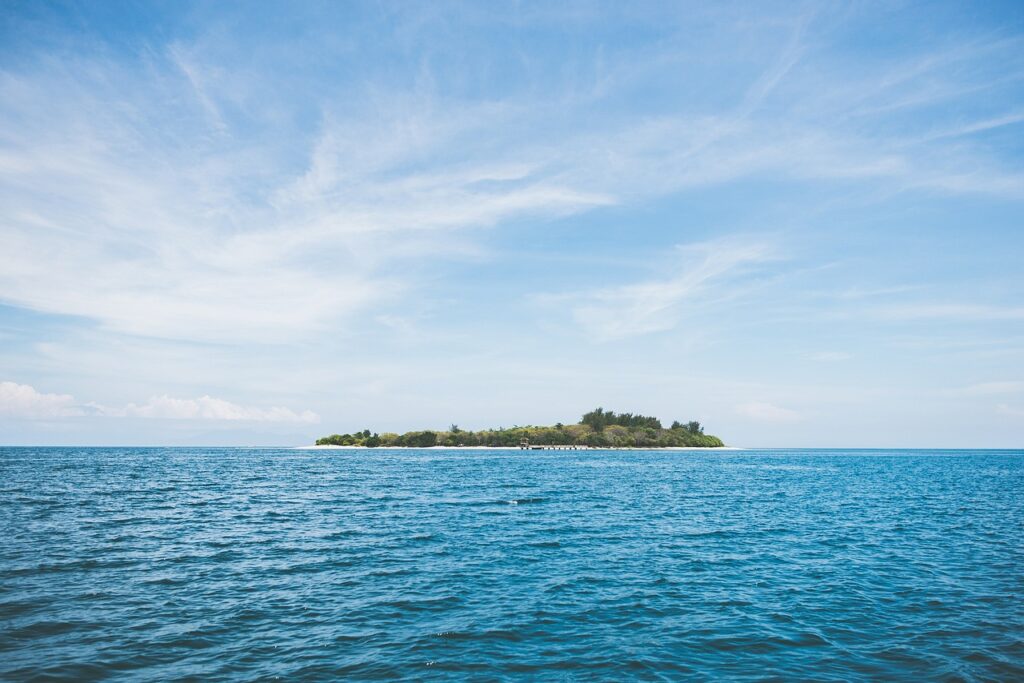
Often overshadowed by its more famous neighbor, Zanzibar, Pemba Island is Tanzania’s verdant paradise, offering lush landscapes, unspoiled beaches, and a tranquil atmosphere. Ideal for travelers seeking serenity and natural beauty, Pemba Island is a hidden gem waiting to be explored. Discover why Pemba should be your next island destination with Future African Safari Tour Company. Book With Us Natural Beauty and Landscapes Lush Greenery: Known as the “Green Island,” Pemba boasts dense forests, rolling hills, and fertile plantations. The island’s untouched landscapes are perfect for eco-tourism and nature enthusiasts. Coral Reefs and Marine Life: Pemba’s surrounding waters are part of the Zanzibar Marine Reserves, home to vibrant coral reefs, colorful fish, and elusive sea turtles. Beaches and Coastal Attractions Mpunguti Beach: Famous for its diving and snorkeling opportunities, Mpunguti Beach offers crystal-clear waters and abundant marine life. Kiwengwa Beach: A pristine stretch of sand ideal for sunbathing, swimming, and leisurely walks along the shore. Vumawimbi Beach: Known for its calm waters and picturesque sunsets, perfect for romantic getaways and relaxation. Adventure and Activities Diving and Snorkeling: Explore Pemba’s underwater paradise with vibrant coral gardens, shipwrecks, and diverse marine species. Mnemba Atoll and Ras Mkumbuu are top diving spots. Kite Surfing: The steady winds and shallow waters make Pemba an excellent destination for kite surfing, especially around Paje and Ngezi Beach. Hiking and Nature Walks: Traverse the island’s verdant trails, visit secluded waterfalls, and discover endemic flora and fauna in Pemba’s forests. Cultural Experiences Local Villages: Engage with the friendly local communities, learn about traditional Swahili culture, and participate in cultural activities such as dhow building and traditional dance. Cultural Festivals: Experience Pemba’s vibrant culture through local festivals, including the annual Pemba Cultural Festival showcasing music, dance, and art. Historical Sites Chake Chake: Pemba’s capital city, Chake Chake, is rich in history with its colonial architecture, bustling markets, and the historic Mtoni Palace ruins. Vumawimbi Ruins: Explore ancient Swahili stone structures and learn about the island’s historical trade connections. Accommodation Options Eco-Lodges and Boutique Hotels: Stay in environmentally friendly accommodations that blend seamlessly with the island’s natural surroundings. Beach Resorts: Enjoy luxurious amenities and stunning ocean views at beachfront resorts offering a range of activities and services. Local Guesthouses: Experience authentic hospitality and personalized service in charming guesthouses located in villages and towns. Sustainable Tourism Conservation Efforts: Pemba Island is committed to preserving its natural environment through various conservation projects, including marine protection and reforestation initiatives. Community-Based Tourism: Support local communities by participating in tours and activities that benefit the island’s residents and promote sustainable practices. Pemba Island offers a serene escape into nature’s embrace, with its lush landscapes, pristine beaches, and rich cultural heritage. Whether you’re an adventure seeker, a nature lover, or simply looking to unwind, Pemba has something for everyone. Let Future African Safari Tour Company help you discover the tranquil beauty of Pemba Island on your next Tanzanian adventure. Book With Us

Pemba Island: Tanzania’s Green Island Paradise Read More »

pexels-photo-14667393-14667393.jpg

Discover Zanzibar: The Jewel of Tanzania’s Coastal Islands

Zanzibar, often referred to as the “Spice Island,” is Tanzania’s most famous archipelago, renowned for its pristine beaches, rich cultural heritage, and vibrant marine life. Whether you’re seeking relaxation, adventure, or a deep dive into history, Zanzibar offers an unforgettable experience. Let Future African Safari Tour Company guide you through the enchanting allure of Zanzibar. Book With Us Historical and Cultural Significance Stone Town: A UNESCO World Heritage site, Stone Town is the heart of Zanzibar. Wander through its narrow alleys, marvel at intricate doors, and explore historical landmarks like the House of Wonders and the Old Fort. Cultural Melting Pot: Influences from Arab, Persian, Indian, and European traders have shaped Zanzibar’s unique culture, evident in its architecture, cuisine, and traditions. Spice Tours: Discover why Zanzibar is called the Spice Island by visiting spice farms. Learn about the cultivation of cloves, nutmeg, cinnamon, and other exotic spices that define the island’s economy and heritage. Beaches and Marine Activities Nungwi and Kendwa: Located on the northern tip, these beaches boast powdery white sands and crystal-clear waters, perfect for sunbathing, swimming, and snorkeling. Paje and Jambiani: Ideal for water sports enthusiasts, these eastern beaches offer kite surfing, windsurfing, and deep-sea fishing. Snorkeling and Diving: Explore vibrant coral reefs teeming with marine life. Mnemba Atoll and Tumbatu Island are popular spots for diving and snorkeling adventures. Unique Experiences Dhow Cruises: Sail on traditional wooden dhows along the coast during sunset. Enjoy the serene beauty of the Indian Ocean while sipping on a refreshing drink. Jozani Forest: Home to the rare Red Colobus monkeys, Jozani Forest is perfect for nature lovers. Take a guided tour to learn about the island’s diverse flora and fauna. Cultural Festivals: Participate in local festivals such as the Zanzibar International Film Festival and the Sauti za Busara music festival to experience the island’s vibrant arts scene. Cuisine and Dining Zanzibar’s Culinary Delights: Savor a fusion of flavors influenced by African, Arab, Indian, and European cuisines. Must-try dishes include Biryani, Pilau, and freshly caught seafood. Local Markets: Visit the Darajani Market in Stone Town to taste local fruits, spices, and street food, immersing yourself in the island’s daily life. Accommodation Options Luxury Resorts: Indulge in world-class amenities at beachfront resorts offering private villas, infinity pools, and spa services. Boutique Hotels and Guesthouses: Experience personalized hospitality in charming boutique accommodations nestled in the heart of Stone Town or along secluded beaches. Eco-Lodges: Stay sustainably in eco-friendly lodges that prioritize environmental conservation and community support. Zanzibar seamlessly blends natural beauty, rich history, and vibrant culture, making it a must-visit destination in Tanzania. Whether you’re exploring the historic streets of Stone Town, lounging on sun-kissed beaches, or diving into the azure waters, Zanzibar promises an unforgettable adventure. Let Future African Safari Tour Company craft your perfect Zanzibar getaway. Book With Us

Discover Zanzibar: The Jewel of Tanzania’s Coastal Islands Read More »

pexels-photo-279574-279574.jpg

Sustainable Tourism on Tanzania’s Islands: Protecting Paradise

Tanzania’s islands are renowned for their pristine beaches, vibrant marine life, and rich cultural heritage. To ensure these treasures remain intact for future generations, sustainable tourism practices are essential. By choosing to travel responsibly, you can help protect these delicate ecosystems and support local communities.   Why Sustainable Tourism Matters The islands of Tanzania are facing increasing pressure from tourism. Unsustainable practices can lead to environmental degradation, loss of biodiversity, and cultural erosion. Sustainable tourism aims to minimize these impacts while maximizing the benefits for local communities. How to Be a Responsible Traveler Choose Eco-Friendly Accommodations: Opt for lodges and resorts that prioritize sustainability, such as those using renewable energy, reducing waste, and supporting local communities. Respect Marine Life: Adhere to snorkeling and diving guidelines, avoid touching coral, and use reef-safe sunscreen. Minimize Your Footprint: Reduce plastic consumption, conserve water, and dispose of waste responsibly. Support Local Communities: Purchase souvenirs from local artisans, eat at local restaurants, and engage with the community respectfully. Educate Yourself: Learn about the island’s ecosystem and cultural heritage to make informed decisions. The Role of Tour Operators Responsible tour operators play a crucial role in promoting sustainable tourism. Look for companies that prioritize environmental protection, support local communities, and offer educational experiences. The Future of Island Tourism By working together, tourists, tour operators, and local communities can create a sustainable future for Tanzania’s islands. By making conscious choices, we can protect these precious ecosystems and ensure that future generations can experience the same beauty and wonder. Book With Us

Sustainable Tourism on Tanzania’s Islands: Protecting Paradise Read More »

prison island tanzania

Beyond the Mainland: Discovering Tanzania’s Tranquil Island Havens

When people think of Tanzania, they often envision the sweeping plains of the Serengeti, the towering heights of Mount Kilimanjaro, or the vibrant cultures of its mainland cities. Yet, just off its coast lies a collection of serene islands, each offering a unique blend of history, culture, and natural beauty. These islands are the perfect escape for those seeking tranquility, adventure, and a taste of paradise. Let’s embark on a journey to discover some of Tanzania’s most captivating island havens. 1. Zanzibar Archipelago: The Jewel of the Indian Ocean Zanzibar, known as the “Spice Island,” is perhaps Tanzania’s most famous island destination. Its rich history as a major trading hub is evident in the architecture of Stone Town, a UNESCO World Heritage site where winding alleyways lead to ornate doors, bustling markets, and centuries-old mosques. Beyond the history, Zanzibar offers pristine beaches with powdery white sands and crystal-clear waters. Whether you’re snorkeling in the coral reefs of Mnemba Atoll, exploring the spice farms, or simply relaxing under a palm tree, Zanzibar provides a perfect blend of relaxation and adventure. 2. Pemba Island: The Green Island Pemba, often overshadowed by its more famous neighbor Zanzibar, is a hidden gem for those seeking a quieter and more authentic experience. Known as the “Green Island” due to its lush landscapes, Pemba is a haven for nature lovers. The island’s fertile land produces an abundance of cloves, earning it a reputation as one of the world’s leading clove producers. Pemba’s coastline is dotted with secluded beaches and small fishing villages, where life moves at a slower pace. The island’s coral reefs are among the richest in the Indian Ocean, making it a paradise for divers and snorkelers. 3. Mafia Island: A Diver’s Dream Mafia Island is a must-visit for underwater enthusiasts. Part of the Mafia Archipelago, this island is renowned for its marine life, particularly within the Mafia Island Marine Park. The park’s protected waters are home to over 400 species of fish, as well as the endangered dugong and nesting turtles. For those who prefer staying above water, Mafia offers tranquil beaches, mangrove forests, and a relaxed atmosphere. It’s the perfect spot for travelers looking to disconnect from the hustle and bustle of modern life and reconnect with nature. 4. Chumbe Island: A Private Eco-Paradise Chumbe Island is a small, privately-owned island off the coast of Zanzibar, dedicated to conservation and sustainable tourism. The Chumbe Island Coral Park is one of the world’s most successful eco-tourism projects, offering guests an opportunity to stay in eco-friendly bungalows while supporting marine conservation efforts. The island’s coral reefs are teeming with life, making it a fantastic spot for snorkeling. Visitors can also explore the island’s nature trails, which wind through pristine forests and lead to historic sites like the Chumbe Lighthouse, built in the early 20th century. 5. Mnemba Island: Luxury and Exclusivity For those seeking the ultimate in luxury and exclusivity, Mnemba Island is the place to be. This private island, located off the northeast coast of Zanzibar, is home to a single, ultra-luxurious resort. Guests here enjoy unparalleled privacy, personalized service, and access to some of the best snorkeling and diving spots in Tanzania. The island’s coral reefs are home to an array of marine life, including dolphins, sea turtles, and tropical fish. With its pristine beaches, turquoise waters, and world-class amenities, Mnemba Island offers a once-in-a-lifetime experience for discerning travelers. 6. Bongoyo Island: A Day Trip Delight For those staying in Dar es Salaam, a visit to Bongoyo Island is a popular day trip option. Just a short boat ride away, this uninhabited island offers beautiful beaches, clear waters, and excellent snorkeling opportunities. Bongoyo’s relaxed vibe makes it a great spot for a day of swimming, sunbathing, and enjoying fresh seafood at the island’s simple beachside restaurant. It’s a little slice of paradise just a stone’s throw from the bustling city. Kilimanjaro 3 tours Safari 4 tours Zanzibar 3 tours

Beyond the Mainland: Discovering Tanzania’s Tranquil Island Havens Read More »

Scroll to Top