Island

Captivating view of St. Joseph's Cathedral in historic Stone Town, Zanzibar, Tanzania.

Zanzibar’s cultural heritage tours

Zanzibar’s rich history and vibrant culture make it a fascinating destination for travelers seeking more than just pristine beaches. With influences from African, Arab, Persian, Indian, and European cultures, the archipelago offers unique heritage tours that immerse visitors in its diverse traditions and historical landmarks. Book Now Stone Town Heritage Walks Stone Town, a UNESCO World Heritage Site, is the cultural heart of Zanzibar. Heritage tours through its narrow streets reveal centuries-old architecture, intricately carved wooden doors, and vibrant marketplaces. Highlights include the House of Wonders, the Old Fort, the Anglican Cathedral (built on the site of the former slave market), and the Persian Baths. Local guides share captivating stories about the sultans, traders, and explorers who shaped Zanzibar’s history. Spice Plantation Tours Zanzibar is famously known as the “Spice Island” for its production of cloves, cinnamon, nutmeg, and other spices. Visiting a spice plantation provides insight into the island’s agricultural heritage and trade history. These tours allow you to see, smell, and taste spices in their natural environment while learning about their cultivation and uses in Zanzibari cuisine and traditional medicine. Swahili Cultural Experiences Swahili culture is deeply woven into Zanzibar’s identity, and cultural tours offer a chance to experience it firsthand. Participate in cooking classes to learn how to prepare traditional dishes like pilau and urojo soup, or join locals for a taarab music performance, where soulful melodies blend Arabic and African influences. Workshops in traditional dhow building and henna art are also available, providing deeper connections to the local lifestyle. Jambiani Village Tours In the fishing village of Jambiani, visitors can engage with the local community through cultural immersion programs. Tours often include visits to seaweed farms, learning about sustainable fishing methods, and witnessing everyday life in the village. Guests can also explore community-led initiatives supporting education and environmental conservation. Makunduchi Festivals For an unforgettable cultural experience, plan your visit around the Mwaka Kogwa Festival, celebrated in the southern village of Makunduchi. This traditional Swahili festival marks the Persian New Year with rituals, music, and feasting. Highlights include playful stick fights and a symbolic burning of a thatched hut to cleanse the past year’s misfortunes. Slave Route Tours Zanzibar played a pivotal role in the East African slave trade. Heritage tours retrace this somber history with visits to significant sites such as the Slave Chambers, the Anglican Cathedral, and the Mangapwani Coral Cave, which served as a hidden holding area for enslaved people. These tours provide important historical context and highlight the resilience of those who endured unimaginable hardships. Traditional Zanzibari Weddings Witnessing or participating in a traditional wedding offers a joyful glimpse into Zanzibari culture. These ceremonies are a vibrant mix of Swahili and Islamic traditions, featuring colorful attire, traditional music, and communal feasts. Some tour operators arrange for visitors to experience mock wedding celebrations, complete with henna applications and dance performances. Michamvi Cultural Forest Walk The Michamvi area offers guided forest walks where visitors can learn about traditional herbal medicine and indigenous conservation practices. Local guides share their knowledge of medicinal plants, folklore, and the spiritual significance of the forest to the Zanzibari people. Cultural Integration with Future African Safari Future African Safari offers thoughtfully curated cultural heritage tours that ensure meaningful engagement with Zanzibar’s traditions. From private guided walks in Stone Town to interactive experiences in remote villages, these tours provide authentic insights into the island’s rich tapestry of life. Customize your Adventure Kilimanjaro 3 tours Safari 9 tours Zanzibar 3 tours
Zanzibar’s cultural heritage tours Read More »

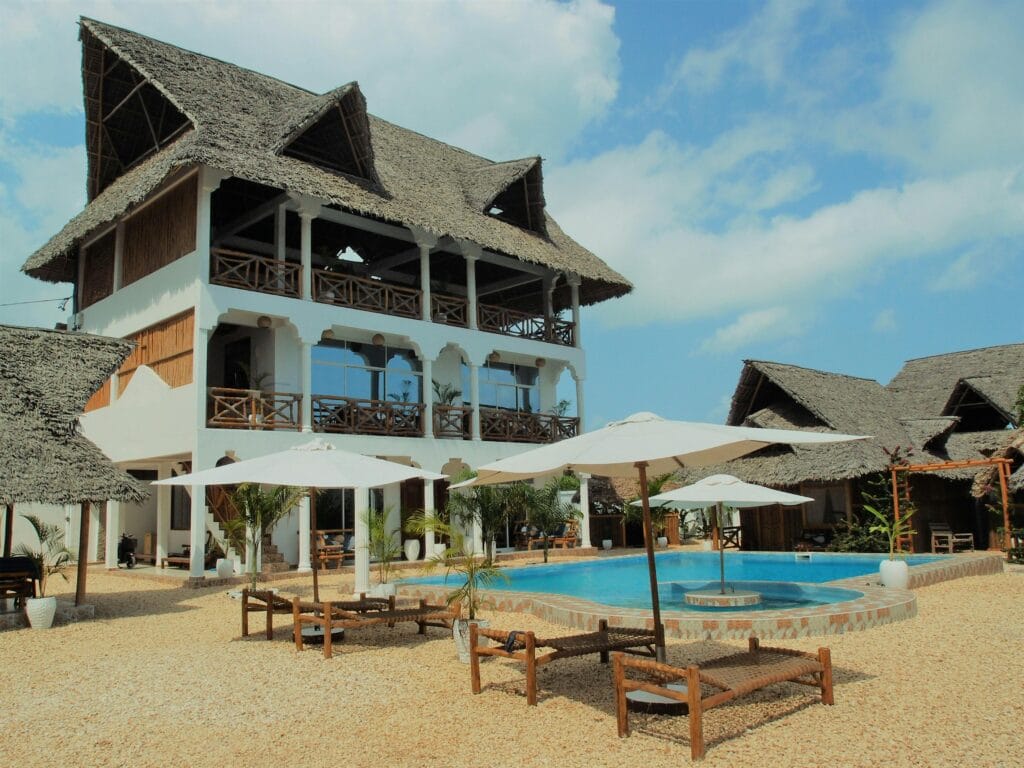
Explore this stunning Zanzibar resort with a pool, surrounded by villas and beautiful architecture.

Top-rated hotels in Zanzibar for safaris

Zanzibar offers a unique blend of luxury, comfort, and proximity to some of the most breathtaking safari experiences. From beachfront resorts to boutique lodges, the island’s top-rated hotels provide the perfect base for exploring its marine parks, spice farms, and vibrant culture. Here are some of the best accommodations that combine relaxation with adventure for safari enthusiasts. Book Now 1. Zuri Zanzibar Nestled on Kendwa Beach, Zuri Zanzibar offers luxury villas and bungalows surrounded by lush tropical gardens. Known for its eco-conscious design, the resort features private beach access and curated experiences, including spice garden tours and dhow safaris. Its proximity to Mnemba Atoll makes it a perfect choice for marine safari lovers. 2. Baraza Resort and Spa Located on the southeastern coast, Baraza Resort is a boutique all-inclusive hotel that celebrates Zanzibar’s Swahili heritage. The opulent villas, adorned with hand-carved furnishings, provide the ultimate in comfort. Guests can enjoy guided reef safaris, cultural excursions, and culinary tours that showcase Zanzibari flavors. 3. The Residence Zanzibar This five-star resort in Kizimkazi offers private pool villas and expansive ocean views. The Residence provides tailored safari experiences such as dolphin-spotting tours, mangrove kayaking, and visits to Jozani Forest. Its serene environment is ideal for honeymooners seeking adventure and relaxation. 4. Mnemba Island Lodge For those looking to combine exclusivity with unparalleled marine exploration, Mnemba Island Lodge is the ultimate retreat. This private island sanctuary offers just 12 beachfront bandas, ensuring an intimate experience. Guests can snorkel, dive, and enjoy boat safaris in the surrounding marine conservation area. 5. Essque Zalu Zanzibar Located in Nungwi, Essque Zalu is renowned for its striking architecture and panoramic ocean views. The hotel offers guided cultural tours, diving expeditions, and excursions to nearby fishing villages. Its infinity pool and waterfront dining make it a favorite for luxury travelers. 6. Tulia Zanzibar Unique Beach Resort This award-winning boutique resort on Pongwe Beach is perfect for eco-conscious travelers. Tulia offers free water sports, including kayaking and paddleboarding, along with curated cultural safaris. The tranquil setting and attentive service create a memorable stay. 7. Zanzibar Serena Hotel Situated in the heart of Stone Town, this historic hotel blends colonial charm with modern amenities. Its location makes it an excellent starting point for walking safaris through Stone Town, spice tours, and dhow cruises. The rooftop terrace provides stunning views of the Indian Ocean. 8. Melia Zanzibar Melia Zanzibar, located near Kiwengwa Beach, offers an all-inclusive luxury experience with activities like snorkeling, diving, and island excursions. The Level Villas come with exclusive perks, including private pools and butler service, catering to safari-goers seeking extra comfort. 9. Park Hyatt Zanzibar Park Hyatt is a luxury hotel set in a historic building in Stone Town. It’s ideal for travelers who want to combine cultural exploration with beachfront relaxation. The hotel offers guided tours to nearby spice farms and markets, along with opportunities for dolphin-spotting safaris. 10. Neptune Pwani Beach Resort & Spa This family-friendly resort on Pwani Mchangani Beach provides all-inclusive comfort with a focus on local culture and adventure. Guests can enjoy day trips to Jozani Forest, spice plantations, and Mnemba Atoll, making it a versatile choice for safari enthusiasts. 11. Gold Zanzibar Beach House & Spa Located on Kendwa Beach, this luxurious resort combines elegance with a laid-back atmosphere. Guests can book snorkeling safaris, sunset dhow cruises, and visits to nearby marine parks. The resort’s prime location makes it easy to explore Zanzibar’s natural and cultural attractions. 12. White Sand Luxury Villas & Spa Set on Paje Beach, this eco-friendly resort offers private villas, fine dining, and a world-class spa. Guests can enjoy kite surfing safaris, lagoon exploration, and guided tours to surrounding villages. It’s a haven for adventure-seekers and luxury travelers alike. These hotels not only provide exceptional service and amenities but also serve as ideal starting points for unforgettable safari experiences in Zanzibar. Future African Safari ensures seamless planning and integration of these stays with adventure-packed itineraries, offering the best of both relaxation and exploration. Customize your Adventure Kilimanjaro 3 tours Safari 9 tours Zanzibar 3 tours
Top-rated hotels in Zanzibar for safaris Read More »

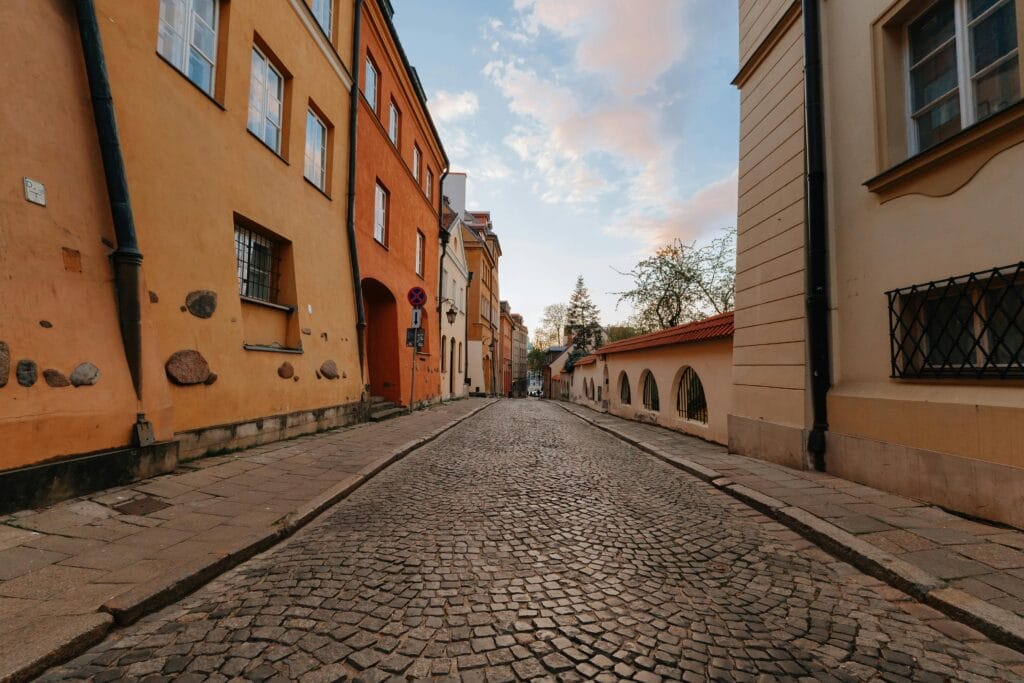
Explore a peaceful, colorful cobblestone street lined with historic architecture in a European town.

Stone Town walking tours

Stone Town, the cultural and historical heart of Zanzibar, is a UNESCO World Heritage Site teeming with vibrant history, intricate architecture, and a lively blend of cultures. Walking tours in this captivating town offer an intimate way to discover its hidden gems, from bustling markets to serene courtyards, all while learning about its unique heritage. Book Now Exploring Iconic Landmarks Start your tour at the House of Wonders (Beit-al-Ajaib), an iconic symbol of Zanzibar’s history and the largest building in Stone Town. Next, visit the Old Fort, a 17th-century fortress with high stone walls, which today hosts cultural events and houses artisan shops. The Sultan’s Palace Museum offers a glimpse into the lives of Zanzibar’s former rulers with its collection of artifacts and royal memorabilia. The Slave Market Memorial Stone Town’s sobering history comes to light at the Slave Market Memorial, located at the site of Zanzibar’s old slave trade market. The guided experience includes the underground chambers where slaves were once held and the Anglican Cathedral, built as a symbol of the end of the slave trade. Forodhani Gardens Stroll through the Forodhani Gardens, a popular evening spot where locals and visitors gather to enjoy street food and ocean views. The gardens are particularly vibrant during the evening market, where you can sample Zanzibari dishes like Zanzibar pizza, fresh seafood skewers, and sugarcane juice. The Narrow Streets and Unique Doors Stone Town’s labyrinth of narrow streets is filled with surprises, from tiny curio shops to charming cafes. One of the highlights of a walking tour is spotting the intricately carved Zanzibari doors, symbols of wealth and craftsmanship, each telling a story of the building’s past occupants. Markets and Local Life A visit to the Darajani Market offers insight into the daily lives of Stone Town’s residents. This bustling market is perfect for picking up spices, fresh produce, and handcrafted items. As you explore, your guide will share stories about the market’s significance and its role in Zanzibari culture. Historic Places of Worship Stone Town’s cultural diversity is reflected in its places of worship. Visit the Malindi Mosque, one of the oldest mosques in East Africa, and the Catholic Cathedral of St. Joseph, with its twin spires dominating the town’s skyline. Freddie Mercury’s House Music enthusiasts will enjoy a stop at the birthplace of Freddie Mercury, the legendary frontman of Queen. Although it’s now a boutique hotel, the house features displays celebrating his life and career, adding a modern cultural twist to the tour. Local Cuisine Stops Many walking tours include stops to sample local delicacies. Enjoy spiced coffee or tea at a traditional café, or savor dishes like pilau rice and biryani at a family-run eatery. Food lovers might also combine the tour with a spice market visit for a deeper dive into Zanzibari flavors. Sunset Views to End the Tour Conclude your tour with a stop at a waterfront café or rooftop terrace to enjoy panoramic views of Stone Town as the sun sets. Popular spots like the Tea House Restaurant or the Africa House Hotel offer perfect vantage points for soaking in the golden hour. A walking tour of Stone Town is not just a journey through its streets but a deep dive into the stories and cultures that have shaped Zanzibar. These tours provide a rich, engaging experience that allows visitors to connect with the essence of this historic town while promoting Future African Safari’s guided tours. Customize your Adventure Kilimanjaro 3 tours Safari 9 tours Zanzibar 3 tours
Stone Town walking tours Read More »

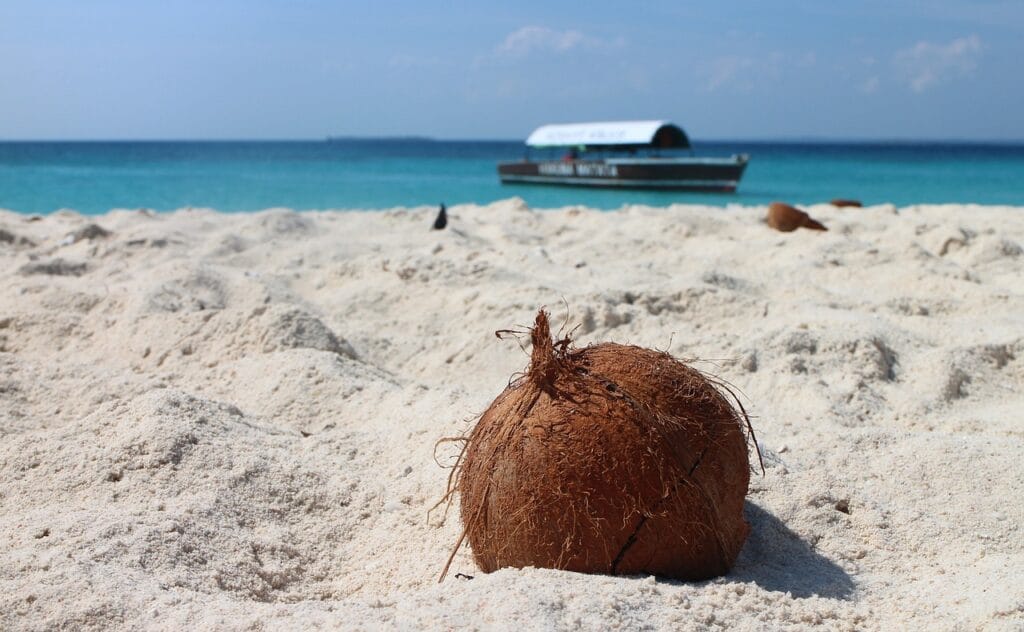
coconut, beach, sand

Best beaches in Zanzibar for safaris

Zanzibar’s stunning coastline offers more than just a place to relax; its beaches are gateways to thrilling safari-style adventures. From exploring marine life to indulging in the local culture, these beaches combine relaxation with opportunities for exploration. Here are the best beaches in Zanzibar that blend idyllic beauty with safari-inspired experiences. Book Now Nungwi Beach Located on the northern tip of Zanzibar, Nungwi Beach is famous for its crystal-clear waters and vibrant atmosphere. Beyond the white sands, it serves as a hub for marine safaris. Guests can embark on traditional dhow boat tours to explore the surrounding coral reefs or dive into the Indian Ocean to encounter exotic marine life. Nearby, you’ll find opportunities for cultural immersion with visits to local fishing villages. Kendwa Beach Just south of Nungwi, Kendwa Beach offers a quieter but equally mesmerizing experience. Known for its calm, deep waters and breathtaking sunsets, Kendwa is ideal for snorkeling safaris, allowing visitors to explore the vibrant coral gardens teeming with marine life. The beach’s serene environment is perfect for unwinding after a day of underwater exploration. Jambiani Beach On Zanzibar’s southeastern coast, Jambiani Beach is a favorite among eco-travelers. Its rustic charm and traditional Swahili fishing culture make it a unique destination. Visitors can join seaweed farming tours or take part in dolphin-watching safaris. The shallow, turquoise waters are perfect for kayaking and stand-up paddleboarding adventures. Paje Beach Known for its wind-swept beauty, Paje Beach is a haven for adventure enthusiasts. Located on the southeast coast, it’s a hotspot for kite surfing safaris, where you can glide over turquoise waters. Paje also offers snorkeling tours and trips to explore the underwater wonders of Zanzibar’s lagoons. Matemwe Beach Matemwe, on the island’s northeast coast, is a quieter beach ideal for those seeking a more intimate safari experience. This area provides access to Mnemba Atoll, one of Zanzibar’s top snorkeling and diving spots. Marine safaris here include encounters with dolphins, sea turtles, and an array of colorful fish. Kiwengwa Beach Often called the “Little Italy” of Zanzibar due to its popularity with Italian tourists, Kiwengwa Beach offers a mix of luxury resorts and traditional charm. Guests can embark on reef safaris or enjoy horseback riding along the expansive shoreline. It’s also a great spot to connect with the local community and learn about Swahili culture. Pingwe Beach Pingwe Beach is home to the iconic Rock Restaurant, perched on a coral outcrop in the ocean. After dining, visitors can enjoy safari-style adventures, such as reef walks during low tide or trips to explore the lagoon. The beach’s tranquil setting makes it perfect for couples or families seeking a peaceful getaway. Michamvi Beach Located on a peninsula on the southeast coast, Michamvi Beach offers a secluded paradise away from the crowds. It’s a prime location for sunset dhow safaris and exploring the mangroves. This beach is perfect for nature lovers looking to combine relaxation with eco-friendly adventures. Chwaka Bay This less-visited area offers a unique blend of beach and forest exploration. Visitors can explore the Jozani Forest nearby, home to the endemic Zanzibar red colobus monkey. Chwaka Bay itself is ideal for quiet walks and birdwatching safaris, offering a different perspective of Zanzibar’s natural beauty. Bwejuu Beach Voted as one of the world’s best beaches, Bwejuu offers pristine white sands and azure waters. It’s a fantastic base for a safari experience in Zanzibar, with activities like reef safaris, snorkeling, and cultural tours to nearby villages. The calm waters and luxurious accommodations make it perfect for honeymooners and families. These beaches offer not just idyllic beauty but also thrilling safari-style adventures that showcase Zanzibar’s rich marine and cultural heritage. Whether you’re diving into the ocean, exploring local traditions, or simply soaking in the sun, Zanzibar’s beaches are destinations that combine relaxation with unforgettable exploration. Customize your Adventure Kilimanjaro 3 tours Safari 9 tours Zanzibar 3 tours
Best beaches in Zanzibar for safaris Read More »

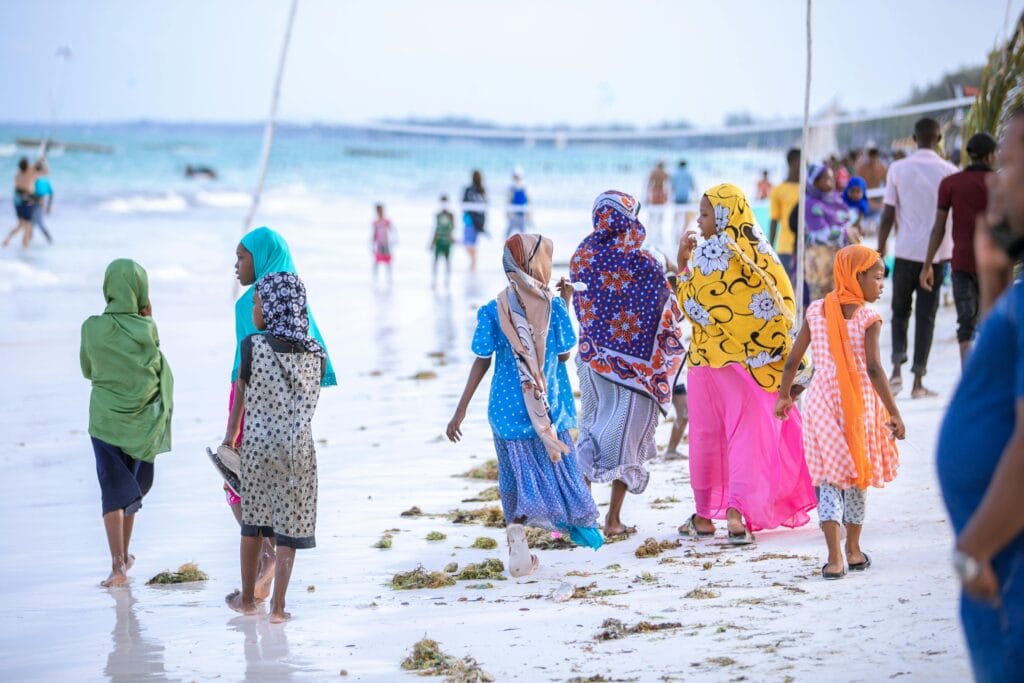
Women in vibrant clothing enjoying a seaside walk in Unguja South Region, Tanzania.

How to prepare for a cultural immersion in Zanzibar

When preparing for a cultural immersion in Zanzibar, it’s essential to approach the experience with respect, an open mind, and a willingness to learn. Zanzibar is rich in history, culture, and traditions, influenced by African, Arab, Indian, and European heritage. Here’s how to ensure you’re ready to fully engage with Zanzibar’s vibrant culture: Learn About Local Etiquette and Traditions Understanding local customs is crucial before embarking on any cultural experience. Zanzibar is predominantly Muslim, and respecting the local customs will help you connect better with the community. Dress Modestly: While on the beach or in resorts, casual clothing is fine, but when visiting towns, villages, or cultural sites, it’s important to dress modestly. Women should avoid wearing revealing clothing, and both men and women should cover their shoulders and knees in public areas. Greetings Matter: Zanzibar has its own set of greetings. A common greeting is “Hujambo” (How are you?), and a polite response is “Sijambo” (I’m fine). If you’re in a more rural area, you’ll find that locals appreciate it when you take the time to greet them before engaging in conversation or asking for directions. Respect for Religion: Zanzibar’s Islamic influence means there are sacred times such as prayer calls. When visiting mosques or local communities, be respectful of prayer times and avoid loud talking or disruptive behavior. Explore Local Markets and Towns Zanzibar’s markets are bustling centers of daily life, offering a glimpse into the local culture. Visiting local markets in places like Stone Town is one of the best ways to immerse yourself in the culture. Spice Tours: Zanzibar is known as the “Spice Island,” and taking a spice farm tour is one of the most immersive experiences you can have. You’ll not only learn about the spices grown here but also get to interact with the farmers and understand the important role spices play in Zanzibar’s economy and culture. Shopping and Bargaining: Markets in Zanzibar can be an excellent place to purchase unique crafts, from handmade jewelry to textiles and carvings. Don’t hesitate to bargain, as this is part of the culture and a way to interact with local vendors. Approach it as a friendly exchange rather than a transaction. Sample Local Food: Zanzibar is famous for its unique fusion cuisine. Dishes like Zanzibar pizza, samosas, and grilled seafood are delicious and often prepared in the local style. Don’t miss trying some fresh coconut juice or spicy pilau rice. Visiting local eateries will give you an authentic taste of the culture. Engage with Local Communities Zanzibar’s residents are known for their warmth and hospitality. To experience a true cultural immersion, engage with the locals. There are several ways to do this: Participate in Community Projects: Many local NGOs and community projects welcome tourists to participate in activities like volunteering, cultural exchanges, or even traditional cooking classes. This not only allows you to learn firsthand but also helps support local initiatives. Home Visits: In some areas, local families open their homes to visitors, offering a chance to learn about daily life in Zanzibar. This might include watching how food is prepared or hearing about local history and stories passed down through generations. Cultural Performances: Zanzibari music and dance are an important part of the island’s heritage. Attending a Taarab music performance or watching a traditional Swahili dance can be a memorable experience. These performances often tell stories and offer insight into Zanzibar’s cultural fusion. Respect the Environment Cultural immersion also involves respecting the natural environment. Zanzibar’s unique flora and fauna, as well as its pristine beaches, are integral to the cultural experience. Beach Etiquette: While Zanzibar’s beaches are inviting, it’s essential to be mindful of the environment. Avoid leaving trash behind and be respectful of local communities who live near the beach. Conservation Efforts: If you’re visiting natural reserves or wildlife parks, follow the rules set in place to protect the island’s ecosystems. Participating in local conservation efforts, such as turtle release programs, can be an enriching experience. Understand Zanzibar’s Historical Significance Zanzibar is home to a rich and complex history. Understanding the island’s past can significantly enhance your cultural immersion. Visit Historical Sites: Explore the House of Wonders, the Sultan’s Palace, and the Old Fort to learn more about Zanzibar’s past, especially its role in the spice trade, Arab and European colonial history, and the slave trade. Stone Town: The historical heart of Zanzibar, Stone Town, is a UNESCO World Heritage site. Wandering through the narrow streets and alleyways will offer a glimpse of life from centuries past, where the influences of Africa, Arabia, and India all intersect. Be Open and Respectful One of the most rewarding aspects of cultural immersion is the opportunity to exchange stories and experiences. As a visitor, showing a genuine interest in Zanzibar’s culture will often be met with kindness and openness. Approach every situation with respect and curiosity, whether you’re interacting with locals, enjoying a meal, or admiring the island’s unique architecture. By embracing Zanzibar’s traditions, respecting local norms, and engaging with its people, you’ll gain a deeper understanding and appreciation of this beautiful and culturally rich destination. This kind of cultural immersion will make your trip unforgettable and help you connect with Zanzibar on a much deeper level. Customize Your Adventure Kilimanjaro 3 tours Safari 9 tours Zanzibar 3 tours

How to prepare for a cultural immersion in Zanzibar Read More »

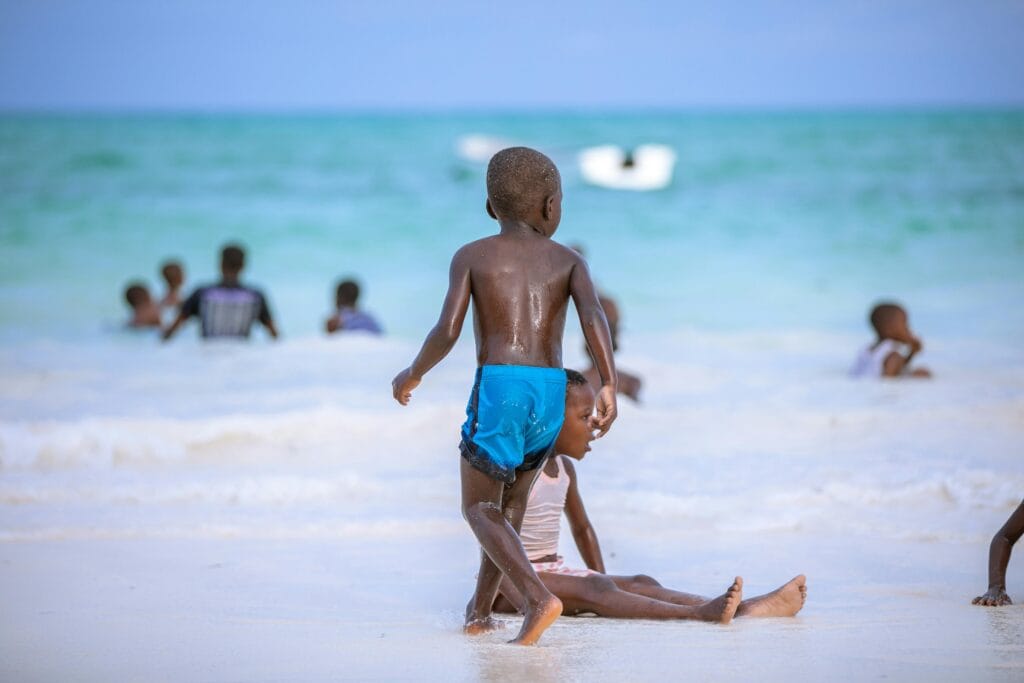
Joyful children playing on a sunny beach in Zanzibar, Tanzania.

Best practices for traveling with children in Zanzibar

Zanzibar is a fantastic destination for families, offering a mix of beautiful beaches, cultural heritage, and wildlife experiences. Traveling with children can be a rewarding adventure if you plan carefully and keep a few important tips in mind. Here are some best practices to ensure you have a smooth and enjoyable trip to Zanzibar with your kids: 1. Choose Family-Friendly Accommodations Kid-Friendly Resorts: Many of Zanzibar’s resorts are family-oriented, offering kid-friendly amenities such as swimming pools, play areas, and babysitting services. Look for resorts that provide children’s clubs, child-friendly menus, and easy access to the beach. Safety First: Check that your accommodation is safe for children. Look for properties with secure grounds, childproof rooms, and proximity to medical facilities, just in case. Space to Play: Opt for accommodation with enough space for your children to explore safely. Villas or family suites with large outdoor areas are great options for active kids. 2. Stay Hydrated and Protect Against the Sun Zanzibar’s tropical climate can be quite hot and humid, which can be tough on young children. Make sure to: Carry Water Bottles: Keep your children hydrated throughout the day by always carrying water. Dehydration can happen quickly, especially during outdoor activities. Sun Protection: Apply sunscreen regularly, especially during peak sun hours (10 a.m. to 4 p.m.). Consider lightweight hats, sunglasses, and long-sleeve clothing to protect from direct sunlight. Shade and Rest: When on the beach or exploring outdoor attractions, find shaded areas for your kids to rest periodically, avoiding too much direct exposure to the sun. 3. Plan Age-Appropriate Activities Zanzibar has something for everyone, and planning activities that are suitable for your children’s ages will make the trip more enjoyable: Beach Time: Zanzibar’s beaches are perfect for families. Spend time swimming, building sandcastles, or just relaxing by the shore. The shallow waters at many beaches like Nungwi and Kendwa are safe for children to enjoy. Wildlife and Nature: Visiting the Jozani Forest to see the endangered Red Colobus monkeys or going on a snorkeling trip can be fascinating for kids. Zanzibar’s marine parks also offer opportunities to see dolphins, which kids love. Cultural Experiences: Explore Stone Town for a cultural experience that’s both educational and fun. Guided tours are often available that focus on stories and legends in a way that will engage younger children. Spice Farm Tours: Spice farm visits are an excellent way to introduce children to Zanzibar’s history and agriculture. Many tours are interactive and allow children to touch and smell various spices. 4. Keep a Flexible Schedule While it’s important to have a plan for your trip, flexibility is key when traveling with children: Rest Periods: Factor in regular breaks during the day for naps, snacks, or just relaxing. Children can get overwhelmed or tired with too much sightseeing. Shorter Tours: Opt for shorter, less tiring tours that can be adjusted to your children’s needs. Choose tours that last around 2–3 hours instead of full-day excursions. Leisure Days: Incorporate leisure days into your itinerary to give your family time to unwind at the beach or the hotel, helping to prevent burnout. 5. Pack Smart for the Whole Family Make sure you pack the essentials for both the weather and the needs of your children: Snacks and Meals: While Zanzibar has great food, children can be picky eaters. Pack snacks, familiar foods, and drinks to ensure your child’s diet isn’t disrupted. First Aid Kit: A basic first aid kit is essential when traveling with children. Include items like plasters, bug repellent, pain relievers, and any medication your child may need. Comfort Items: Bring along comfort items such as toys, books, or familiar bedding to help your children feel more at home during the trip. Mosquito Protection: The tropical climate means mosquitoes can be an issue, particularly in the evenings. Use child-safe insect repellent and cover exposed skin, especially around dusk. 6. Consider the Transportation Options Private Transfers: Private transfers are often more comfortable and safe for families traveling with children. Consider hiring a private car or minivan for airport transfers or day trips. Car Seats: Ensure that your transport is equipped with proper car seats for young children if needed. While some taxis provide them, it’s always best to confirm ahead of time. Public Transport: Zanzibar’s public transport is limited, and buses or local taxis may not be as comfortable or safe for young children. Private transport is a more convenient option for families. 7. Safety and Health Precautions Vaccinations: Check with your doctor about recommended vaccinations for children before traveling to Zanzibar. Common vaccines include Hepatitis A, Typhoid, and routine vaccinations. Malaria Precautions: Malaria is present in Zanzibar, so ensure your children are protected with mosquito repellent, insect nets, and malaria medication if prescribed by a healthcare professional. Local Health Care: Research the nearest medical facilities or hospitals at your destination. Many hotels can assist in case of medical emergencies. 8. Respect Local Customs and Culture Zanzibar has a unique blend of cultures, and it’s important to respect local customs, especially with children: Dress Modestly: Zanzibar is a Muslim island, and it’s polite to dress modestly, especially in towns and villages. Keep swimsuits for the beach, and wear respectful clothing when visiting cultural sites. Interaction with Locals: Teach your children to greet people politely and follow local customs. Children are often warmly welcomed, but it’s important to respect local norms, such as avoiding loud behavior or touching people without consent. 9. Be Mindful of the Ocean While Zanzibar’s beaches are beautiful, the ocean can be dangerous for young children, especially with strong tides and waves in some areas. Swim in Safe Zones: Stick to beaches with calm, shallow waters that are safe for swimming with kids. Areas like Kendwa and Nungwi are ideal for families. Supervision: Always supervise children closely when they are in or near water, even if the conditions seem calm. It’s easy for kids to get swept away by waves or currents. 10. Enjoy the Adventure Zanzibar offers countless opportunities for families

Best practices for traveling with children in Zanzibar Read More »

A man rides a bicycle in the bustling streets of Stone Town, Zanzibar.

Finding the best local guides in Zanzibar

Zanzibar is a cultural and natural paradise, with rich history, stunning landscapes, and diverse wildlife. To make the most of your trip, hiring a knowledgeable local guide can provide invaluable insights into the island’s history, culture, and hidden gems. Here’s how you can find the best local guides in Zanzibar: 1. Check for Certification and Local Knowledge A professional guide should be certified by local authorities, ensuring they are knowledgeable, experienced, and committed to ethical tourism practices. In Zanzibar, tour guides are usually licensed by the Zanzibar Tourism Commission (ZTC), which ensures that they adhere to standards of quality and professionalism. Look for Certification: Ask to see a guide’s certification or check if they’re listed with local tourism organizations. Expertise: The best guides will offer deep knowledge of Zanzibar’s history, culture, and wildlife, from the slave trade era in Stone Town to the unique flora and fauna of its spice farms and marine parks. 2. Ask for Recommendations from Hotels or Tour Operators Many hotels and tour operators in Zanzibar have trusted partnerships with experienced local guides. As Future African Safari can provide tailored tours and highly experienced guides, reaching out to your accommodation or tour company can often lead to reliable recommendations. Hotel Concierge: Hotel staff are often well-connected with local guides and can refer you to a knowledgeable guide for a private or group tour. Tour Operators: Companies specializing in tours, like Future African Safari, often collaborate with certified local guides and can customize tours based on your interests. 3. Use Review Websites and Travel Forums Websites like TripAdvisor, Google Reviews, and Viator offer reviews and ratings for local tour guides in Zanzibar. Travelers who have recently visited Zanzibar often leave valuable insights about their experiences with specific guides, helping you make an informed decision. TripAdvisor: Search for local tour operators or guides in Zanzibar and read past travelers’ experiences to gauge the quality of service. Tour Reviews: Look for reviews mentioning the guide’s knowledge, professionalism, and ability to engage with guests. 4. Engage with Cultural Centers or Museums Zanzibar’s cultural centers, like the Zanzibar National Museum of History & Culture and the House of Wonders, often work with knowledgeable local guides who specialize in the island’s rich history. You can ask about available guided tours when you visit these places, and these tours will provide a deeper understanding of Zanzibar’s cultural heritage. Cultural and Historic Knowledge: If you’re interested in historical sites like the Slave Market, Stone Town, or Jozani Forest, local guides from these centers will offer comprehensive historical knowledge. In-Depth Experience: These guides will enrich your experience with local stories and legends, giving you context and perspective during your visit. 5. Support Responsible and Sustainable Tourism Choose local guides who practice sustainable and responsible tourism, ensuring that your visit contributes to the preservation of Zanzibar’s environment and culture. This includes guiding with respect to the local communities, wildlife, and ecosystems. Ask About Sustainability: Inquire whether the guide supports or works with local conservation efforts or sustainable practices in Zanzibar. Eco-Tourism: A great guide will ensure that your tours, whether to spice farms, marine parks, or historical sites, do not negatively impact the environment or communities. 6. Choose a Guide Who Speaks Your Language Communication is key when touring, especially if you have specific interests or needs. Many guides in Zanzibar speak English, Swahili, and sometimes other languages like French, German, or Italian. Language Compatibility: Ensure the guide speaks your preferred language, so you can enjoy a smooth and informative experience. Personalized Experience: A guide fluent in your language will be able to tailor the tour to your preferences, whether you want more information about culture, nature, or local traditions. 7. Negotiate the Terms of the Tour Once you’ve selected a guide, make sure to discuss the terms of the tour in advance, such as: Duration and Itinerary: Agree on the length of the tour and specific sites or activities you want to include. Price: Ensure you understand the pricing structure, including whether the cost includes transportation, entry fees, and meals (if applicable). Group or Private Tours: Decide whether you want a private guide for a more personalized experience or if you’re happy to join a group tour. 8. Seek Recommendations from Fellow Travelers If you’re staying at a guesthouse, hostel, or resort, asking fellow travelers for their guide recommendations can often lead to discovering fantastic local guides. Personal referrals from others who have had positive experiences with local guides can save you time and ensure a great experience. Social Media and Travel Blogs: Many travelers share their Zanzibar experiences on social media platforms like Instagram, Facebook, or travel blogs, where you might find references to excellent local guides. 9. Support Guides Offering Authentic Experiences For an enriching and authentic experience, seek guides who offer a deeper dive into Zanzibar’s local culture, such as: Spice Tours: Learn about Zanzibar’s role in the spice trade, with guides who have knowledge of the island’s spice farms and traditional methods. Cultural and Village Tours: Discover local village life, crafts, and customs through guided tours that take you beyond the usual tourist spots. Finding the best local guides in Zanzibar is essential for a fulfilling and insightful trip. Whether you’re exploring the historical streets of Stone Town, taking a spice farm tour, or discovering Zanzibar’s vibrant marine life, an experienced local guide will enhance your journey. By doing your research, asking for recommendations, and choosing guides committed to sustainability and responsible tourism, you can ensure a meaningful and enjoyable experience in Zanzibar. Customize Your Adventure Kilimanjaro 3 tours Safari 9 tours Zanzibar 3 tours

Finding the best local guides in Zanzibar Read More »

A vibrant image showcasing pastel-tinted cirrocumulus clouds across a serene sky.

Weather patterns in Zanzibar throughout the year

Zanzibar, an idyllic island off the coast of Tanzania, is renowned for its tropical climate, making it a year-round destination for tourists. Understanding the island’s weather patterns will help you plan the perfect time to visit, whether you’re seeking sunny beach days or favorable conditions for water sports and safaris. Here’s a breakdown of Zanzibar’s weather throughout the year: 1. Dry Season (June to October) Temperature: During the dry season, temperatures in Zanzibar typically range from 24°C (75°F) to 31°C (88°F). This is considered the most pleasant time to visit, as the humidity levels are lower, and the days are mostly sunny. Weather: The dry season is characterized by clear skies, less rainfall, and comfortable conditions for outdoor activities. It’s the ideal time to enjoy Zanzibar’s beaches, explore Stone Town, and partake in water sports like snorkeling and diving. Best For: Safari tours, beach vacations, diving, snorkeling, and general sightseeing. 2. Short Rains Season (November to December) Temperature: Temperatures during the short rains season range between 25°C (77°F) and 30°C (86°F). While it’s not as hot as the peak dry season, the humidity begins to rise. Weather: Zanzibar experiences short, sporadic rain showers, usually in the late afternoon or evening. The rain is not constant, and there are still plenty of dry, sunny hours to enjoy outdoor activities. Best For: Budget travelers (as prices tend to be lower during this time), those who don’t mind a bit of rain, and tourists looking for fewer crowds. 3. Long Rains Season (March to May) Temperature: The temperatures remain fairly consistent, between 24°C (75°F) and 30°C (86°F), but the humidity is at its highest. Weather: The long rains season brings more frequent and heavier rains, often lasting for several hours a day. This is the wettest time of the year, with thunderstorms and downpours common, especially in April and May. Best For: Travelers who prefer to avoid the crowds and don’t mind the wet conditions. This season is ideal for those who enjoy quieter and more relaxed surroundings, though outdoor activities may be limited due to the rain. 4. Transition Periods (January to February) Temperature: The temperatures in these months are typically hot, ranging from 25°C (77°F) to 33°C (91°F). The weather is often sunny and humid. Weather: While there are no heavy rains, the occasional brief shower may occur, but these months are considered quite dry overall. This is the time when Zanzibar sees higher temperatures, making it perfect for beach lovers and water sports enthusiasts. Best For: Those looking for warm weather and plenty of sunshine for beach holidays, diving, and exploring Zanzibar’s natural beauty. Summary Best Time to Visit Zanzibar: The dry season (June to October) is the most popular time to visit, offering warm but comfortable weather, clear skies, and the ideal conditions for outdoor adventures. Low Season Travel: The rainy season (March to May) sees fewer tourists, and while it may rain often, you can still find great deals and enjoy quieter surroundings. Regardless of when you visit, Zanzibar’s tropical climate means you can expect warm temperatures year-round, making it an attractive destination for sun-seekers and adventure lovers alike. Customize Your Adventure Kilimanjaro 3 tours Safari 9 tours Zanzibar 3 tours
Weather patterns in Zanzibar throughout the year Read More »

Flat lay of beach essentials with hat and slippers on sand. Perfect summer vibe.

How to book last-minute trips to Zanzibar

Planning a last-minute trip to Zanzibar can feel like a challenge, but with the right approach and resources, you can enjoy a seamless vacation without all the stress. Zanzibar, with its stunning beaches, rich history, and vibrant culture, is a top destination for those looking for a spontaneous getaway. Here’s how you can book a last-minute trip to Zanzibar with ease: 1. Set Your Travel Dates and Be Flexible When booking a last-minute trip, flexibility is key. While it’s tempting to aim for specific dates, you’ll have a better chance of scoring deals if you remain open to varying your travel plans. Keep these tips in mind: Flexible departure dates: Adjusting your travel dates by just a few days could help you find cheaper flights or accommodations. Last-minute deals: Often, airlines and hotels offer last-minute discounts to fill up empty seats or rooms, so being flexible can work in your favor. 2. Search for Flights to Zanzibar Zanzibar is accessible via direct flights from Dar es Salaam and other major cities in Tanzania, but booking a last-minute flight can sometimes be tricky. Here’s how you can secure one quickly: Use flight comparison websites: Websites like Skyscanner, Google Flights, and Kayak allow you to compare last-minute flight prices across multiple airlines. These platforms also offer alerts for price drops. Check budget airlines: Sometimes budget airlines may offer discounts on last-minute bookings, so don’t forget to check regional carriers flying to Zanzibar. Book directly with airlines: While flight comparison websites are helpful, don’t hesitate to visit airline websites for last-minute offers. If you’re flying from Dar es Salaam, airlines like Precision Air and Air Tanzania frequently offer affordable fares to Zanzibar. 3. Book Accommodation Quickly Zanzibar offers a range of accommodations, from luxury resorts to budget-friendly options. For a last-minute trip, follow these tips to secure the best place to stay: Use accommodation booking websites: Platforms like Booking.com, Airbnb, and Agoda are great for finding last-minute accommodation deals. Filter for properties with free cancellation in case your plans change. Check out last-minute offers: Many resorts and hotels in Zanzibar offer last-minute discounts to attract guests. Don’t hesitate to reach out directly to the property to inquire about availability and discounts. Consider all types of accommodations: Zanzibar offers a variety of lodging options, including boutique hotels, beachfront resorts, and guesthouses. For more affordable last-minute bookings, consider guesthouses or smaller hotels that might have availability. 4. Plan Tours and Activities in Zanzibar Booking activities last-minute in Zanzibar is easy, as many tour operators and local guides are flexible and can accommodate walk-in bookings. However, some of the most popular excursions, such as spice farm tours, snorkeling, and safaris, may require advanced booking, so it’s best to plan as soon as possible. Contact local tour operators: Future African Safari and other local operators can arrange tours for you even on short notice. You may be able to book a tailor-made itinerary for safaris, island tours, or cultural experiences. Look for last-minute deals: Check with local tour companies and hotels for last-minute deals on excursions, especially if you’re traveling during the off-season when there are fewer tourists. 5. Check Travel Packages Many travel agencies, like Future African Safari, offer last-minute vacation packages to Zanzibar that include flights, accommodation, and excursions at discounted prices. Booking a package can save you time and money, as everything is arranged for you, and you won’t have to worry about managing multiple bookings. All-inclusive packages: These packages often offer value for money, combining accommodation, meals, and activities at a fixed price. Safari and Zanzibar combo: If you’re looking for adventure and relaxation, consider booking a safari package on the mainland along with your Zanzibar stay. 6. Pack Light and Be Ready to Go When booking last-minute, you might not have the luxury of time to plan every detail. Packing light can help make your trip hassle-free and give you the flexibility to move quickly. Pack essential items: Include sunscreen, swimwear, light clothing, and any necessary medications. If you’re planning to go on a safari before heading to Zanzibar, don’t forget to pack practical attire for safari adventures as well. Documents and visas: Ensure your passport is valid for at least six months from your planned arrival in Zanzibar, and check if you need a visa. Citizens of many countries can obtain a visa on arrival, but it’s always good to double-check. 7. Keep an Eye on Weather Conditions The weather in Zanzibar is warm and tropical throughout the year, but there are certain months when you can expect more rainfall. The best time to visit Zanzibar for last-minute trips is during the dry season, which runs from June to October. However, even during the rainy season, Zanzibar remains a desirable destination due to its vibrant culture and year-round activities. Avoid the rainy season: If possible, try to plan your trip outside of the rainy months (April and May), as some activities may be limited or canceled due to weather conditions. 8. Use Travel Apps for Convenience To make the process of booking a last-minute trip easier, use apps that can help you manage your trip, find last-minute deals, and stay organized during your travels: Travel booking apps: Apps like Expedia, Booking.com, and Airbnb make it easy to book accommodations and activities. Currency conversion apps: Apps like XE Currency can help you convert local currency (Tanzanian shilling) to your home currency on the go. Maps and navigation: Google Maps or Maps.me can help you get around Zanzibar, whether you’re heading to a hotel, a restaurant, or a cultural site. 9. Consider Travel Insurance When booking a last-minute trip, there’s always a bit of uncertainty. Consider purchasing travel insurance that covers cancellations, delays, and medical emergencies. This will provide you with peace of mind if anything unexpected happens during your travels. Booking a last-minute trip to Zanzibar is entirely possible, with many options available for flights, accommodations, and activities. By staying flexible, using the right resources, and planning ahead where possible, you

How to book last-minute trips to Zanzibar Read More »

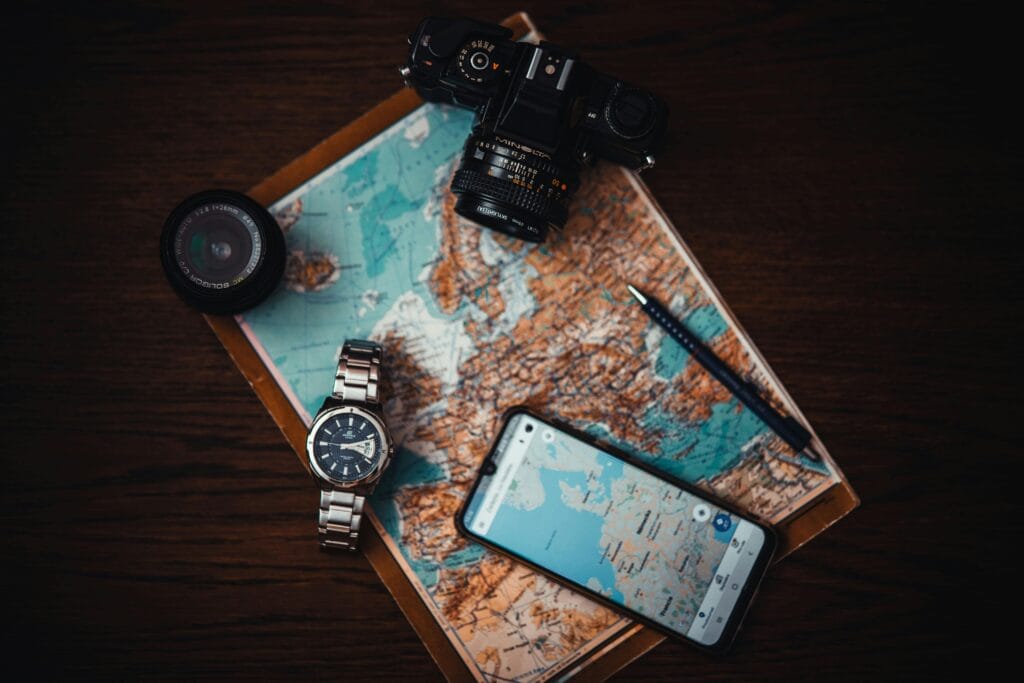
Top view of travel essentials including a map, camera, phone, watch, and lens on a wooden surface.

Planning a multi-destination trip including Zanzibar

Zanzibar is a stunning destination on its own, with its pristine beaches, rich history, and vibrant culture. However, if you’re looking to explore more of Tanzania, a multi-destination trip can offer you a diverse and unforgettable adventure. Whether you’re combining a safari in mainland Tanzania with the serene beaches of Zanzibar or visiting other islands and coastal areas, this guide will help you plan a seamless and exciting multi-destination trip that includes Zanzibar. 1. Decide on Your Other Destinations When planning a multi-destination trip, the first step is to select the other destinations you want to explore alongside Zanzibar. Tanzania offers a variety of travel experiences, from wildlife safaris in national parks to cultural and historical tours. Here are some popular options to consider: A. Serengeti National ParkThe Serengeti is a world-renowned safari destination, home to the Great Migration and an incredible variety of wildlife. If you’re interested in a safari experience before relaxing on the beaches of Zanzibar, the Serengeti is a must-visit. B. Ngorongoro CraterLocated near the Serengeti, the Ngorongoro Crater offers some of the best wildlife sightings in the world. A day trip to the crater allows you to see a wide range of animals in a unique landscape that combines a rich cultural heritage with natural beauty. C. Lake Manyara National ParkFor those who want to explore a smaller park with stunning views and a variety of wildlife, Lake Manyara is an excellent choice. It’s also known for its tree-climbing lions, making it a popular choice for photographers. D. Arusha or Tarangire National ParkIf you’re flying into Tanzania via Kilimanjaro International Airport, Arusha is a great starting point for your multi-destination trip. From here, you can visit the nearby Tarangire National Park, known for its large elephant herds and iconic baobab trees. E. Pemba IslandIf you’re looking for a more secluded beach experience, consider adding Pemba Island to your itinerary. Located just north of Zanzibar, Pemba is less touristy but offers a serene atmosphere, perfect for those looking to escape the crowds. 2. Create a Realistic Itinerary When planning a multi-destination trip, timing is crucial. Zanzibar is a relaxing beach destination, and you’ll want to spend plenty of time enjoying its beauty. Balance this with the adventure of a safari or cultural experiences by allocating enough time to each destination. Safari + ZanzibarFor a well-rounded itinerary, consider spending 4-5 days on safari in places like Serengeti or Ngorongoro Crater. Then, dedicate 4-5 days in Zanzibar for some downtime, beach activities, and exploration of the island’s culture and history. Zanzibar + Pemba Island or Other Coastal DestinationsIf you prefer island hopping, add Pemba Island or other coastal destinations to your Zanzibar trip. 3-4 days on Zanzibar followed by a 2-3 day stay in Pemba will offer a perfect mix of culture, nature, and relaxation. Cultural Exploration + Beach TimeConsider visiting cultural destinations such as Stone Town in Zanzibar, or explore the spice farms before heading to a luxury resort for a few days of relaxation. Zanzibar’s combination of culture and natural beauty makes it a perfect destination for both sightseeing and leisure. 3. Plan Your Transport Getting from one destination to another in Tanzania can be quite straightforward with careful planning. Here are the best options for travel: A. FlightsFor long distances, especially if you’re traveling from mainland Tanzania to Zanzibar, flights are the quickest and most convenient option. Several airlines offer domestic flights between major cities such as Dar es Salaam, Arusha, and Zanzibar. Zanzibar is easily accessible from mainland cities with direct flights available from Dar es Salaam, Arusha, and Kilimanjaro International Airport. B. Road TravelIf you’re traveling between nearby safari destinations, consider private transfers or driving between parks. Tanzania’s road network is well-developed, and you can hire a 4×4 vehicle with a guide for a scenic and educational journey. For example, from Arusha, you can drive to Ngorongoro Crater or Serengeti in a day. C. Ferry to ZanzibarIf you’re already in Dar es Salaam or another coastal city, you can take a ferry to Zanzibar. The ferry ride takes about 1-2 hours, and it’s a popular option for travelers heading to the island from the mainland. Be sure to check ferry schedules and book tickets in advance during busy travel periods. 4. Pack for Multiple Destinations Packing for a multi-destination trip means being prepared for a variety of environments. While Zanzibar is known for its beach resorts and tropical weather, safari destinations may require more practical attire. Here’s what to pack for each type of destination: Safari Neutral-colored clothing (earth tones like beige, khaki, and brown) to blend in with the environment Comfortable walking shoes Sun protection: sunscreen, hat, sunglasses Lightweight long sleeves and pants for sun and bug protection Binoculars and a camera for wildlife viewing A lightweight daypack for safari excursions Zanzibar Swimwear for the beach Light, breathable clothing suitable for hot weather Sunscreen and a hat Waterproof bag for beach gear and excursions Comfortable shoes for exploring Stone Town or spice tours 5. Book with a Trusted Tour Operator Working with a reliable tour operator, such as Future African Safari, will ensure that your multi-destination trip runs smoothly. They can help you plan the entire itinerary, including safaris, flights, local transfers, and Zanzibar beach holidays, so you don’t have to worry about the logistics. Plus, with experienced guides and local knowledge, you’ll make the most out of every stop. 6. Consider the Best Time to Visit The timing of your trip plays an essential role in maximizing your experience in Zanzibar and Tanzania. The best time for a multi-destination trip typically falls during the dry season, which is from June to October. This is when safari parks are more accessible, wildlife is more visible, and the weather in Zanzibar is perfect for beach activities. However, this is also the peak tourist season, so be sure to book your accommodations and tours well in advance. If you’re traveling during the wet season (from March to May), you’ll experience fewer tourists, more

Planning a multi-destination trip including Zanzibar Read More »

Scroll to Top