Island

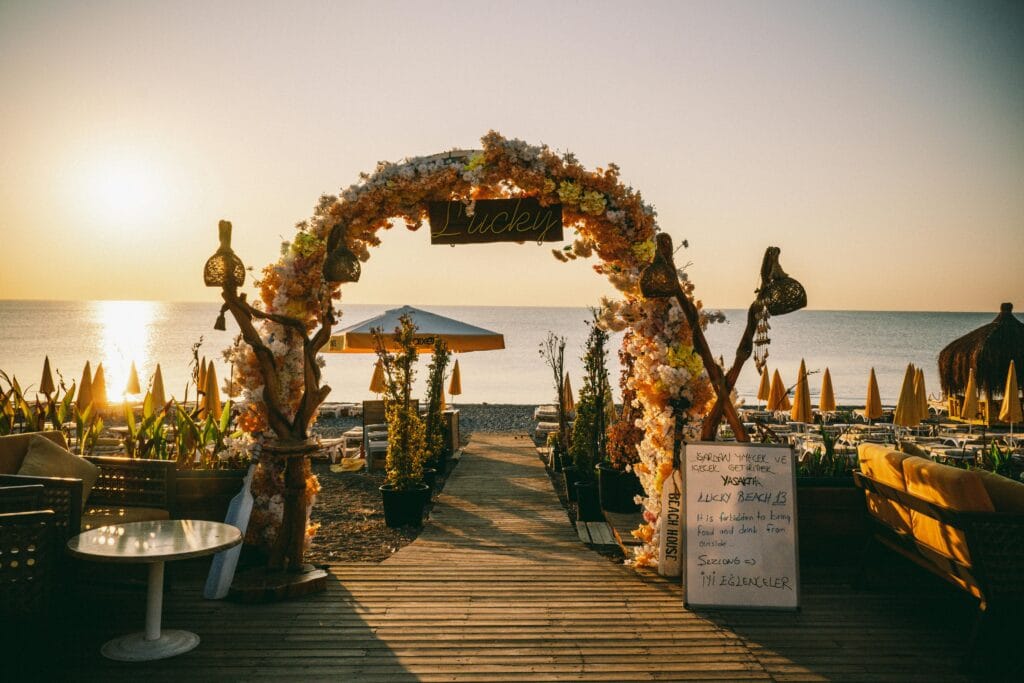
Beautiful floral archway on a beach at sunset, perfect for weddings and events.

How to plan a beach wedding in Zanzibar

Planning a beach wedding in Zanzibar is an unforgettable experience, combining breathtaking scenery, rich cultural heritage, and an idyllic tropical setting. Whether you dream of a simple ceremony with just a few close family members or a grand celebration with guests from around the world, Zanzibar offers the perfect backdrop for your big day. Here’s a step-by-step guide to help you plan the wedding of your dreams on this stunning island.  1. Choose the Right Beach LocationZanzibar is renowned for its pristine beaches, each offering a unique atmosphere. The first step in planning your beach wedding is choosing the perfect beach location that aligns with your vision. Best Beaches for Weddings: Nungwi: Known for its crystal-clear waters and lively atmosphere, Nungwi is ideal for couples who want a more vibrant beach vibe. Bwejuu: If you’re looking for tranquility and privacy, Bwejuu’s serene beaches offer a more intimate and secluded setting. Paje: This beach is perfect for couples who enjoy a laid-back, bohemian vibe with activities like kite surfing and beach parties. Kendwa: Famous for its spectacular sunsets, Kendwa is perfect for couples dreaming of a romantic sunset wedding. Matemwe: A quiet, picturesque beach with coral reefs, ideal for a serene and intimate wedding. 2. Select the Time of YearZanzibar’s climate is tropical, with warm temperatures year-round. However, it’s important to consider the best time to visit based on weather patterns and tourism seasons. Best Time to Get Married: Dry Season (June to October): This is the most popular time for weddings in Zanzibar. The weather is warm, sunny, and dry, offering the ideal conditions for a beach ceremony. Shoulder Season (November to March): These months are great for a more affordable wedding, though the weather can be more unpredictable with occasional showers. Avoid the Rainy Season (April to May): Zanzibar experiences its long rainy season during these months, which could affect your wedding plans. It’s best to avoid this period for outdoor ceremonies. 3. Decide on Your Wedding StyleZanzibar offers a wide variety of wedding styles, from traditional Swahili ceremonies to modern beach celebrations. Choose the style that reflects your personality and the atmosphere you want for your big day. Traditional Swahili Wedding: Incorporate local culture by opting for a Swahili wedding ceremony, complete with vibrant attire, drumming, and local music. Beach Chic: If you prefer a more relaxed vibe, consider a barefoot wedding with casual outfits and beachy decor, such as seashells, candles, and flowing fabrics. Luxury Destination Wedding: For a more glamorous affair, consider a luxury resort that can offer white-glove services, such as private beachfront dinners, premium decor, and a professional photographer. 4. Hire a Local Wedding PlannerPlanning a wedding abroad can be overwhelming, especially when dealing with logistics, vendors, and legal requirements. Hiring a local wedding planner who is experienced in Zanzibar can ease the process and help you make your dream wedding a reality. Why Hire a Planner: Local wedding planners have the expertise and contacts to organize every aspect of your wedding, from obtaining permits to hiring reliable vendors. They can also help navigate any language barriers and ensure cultural traditions are respected. 5. Legal Requirements for a Wedding in ZanzibarBefore you can tie the knot in Zanzibar, there are a few legal requirements to consider. Make sure to complete these steps well in advance of your wedding day. Marriage Certificate: Foreign couples must apply for a marriage license at the Zanzibar Ministry of Justice and Constitutional Affairs. Both partners will need to provide identification (passports, birth certificates), proof of single status, and a witness. Marriage Official: You can choose to have a local official, religious leader, or a professional celebrant perform the ceremony. Your wedding planner can assist with organizing this. Documents: Be sure to have all the necessary documents prepared ahead of time. Your wedding planner can help guide you through the paperwork process. 6. Choose Vendors and ServicesZanzibar offers a range of talented vendors to make your wedding day perfect. Some key services to consider include: Photographer and Videographer: Capture your special moments with a professional photographer who knows how to work with the natural light and stunning backdrop Zanzibar provides. Florist: A local florist can create breathtaking bouquets and arrangements using tropical flowers like frangipani, bougainvillea, and orchids. Catering: For a truly authentic experience, consider local catering options that offer delicious Swahili dishes, such as biryani, samaki (grilled fish), and mishkaki (kebabs). Entertainment: Hire a local band, traditional dancers, or a DJ to provide entertainment during the reception. You could also choose to include a Swahili drumming performance for a cultural touch. Hair and Makeup: Ensure you look your best on your big day by booking a local stylist who is familiar with Zanzibar’s climate and can create a look that lasts all day. 7. Plan Your Reception and CelebrationsAfter the ceremony, celebrate with a reception that reflects your style and preferences. Zanzibar’s stunning beaches and resorts offer a variety of reception options. Beachfront Reception: Host a romantic dinner under the stars on the beach, with candles, lanterns, and fairy lights creating a magical atmosphere. Resort Reception: Many Zanzibar resorts offer luxurious event spaces, with options for private beach dinners or traditional indoor banquet halls. Cultural Celebrations: Incorporate local traditions into your reception, such as a Swahili feast, traditional dances, or a wedding toast with coconut wine. 8. Honeymoon in ZanzibarZanzibar is an ideal honeymoon destination with its luxurious resorts, pristine beaches, and vibrant culture. After your wedding, indulge in a relaxing honeymoon by enjoying private beach dinners, spa treatments, and excursions to explore the island’s history and natural beauty. Romantic Honeymoon Options: Private Beach Resorts: Stay in a luxurious villa or beachfront suite with direct access to the ocean, perfect for a romantic and intimate retreat. Excursions: Take a private boat trip to nearby islands, visit Stone Town for a cultural tour, or explore the Jozani Forest for an eco-friendly adventure. Planning a beach wedding in Zanzibar can be a seamless and unforgettable experience with the right preparation.

How to plan a beach wedding in Zanzibar Read More »

Three vaccine vials with a 'Travel Safe' message arranged on a yellow background, conveying safety and health themes.

Health tips for traveling to Zanzibar

  Traveling to Zanzibar offers an exciting opportunity to explore its stunning beaches, rich culture, and unique wildlife. However, as with any international destination, it’s important to prioritize your health and well-being during your trip. Here are essential health tips for traveling to Zanzibar to ensure a safe and enjoyable experience. 1. Get Vaccinated Before You GoVaccinations are an important part of travel preparation, especially to tropical destinations like Zanzibar. Some vaccines are recommended or required to protect you from diseases that may be prevalent in the area. Recommended Vaccines: Yellow Fever: A yellow fever vaccination is required for travelers coming from countries with a risk of yellow fever transmission. Hepatitis A and B: Hepatitis A can be contracted through contaminated food or water, while Hepatitis B is transmitted through bodily fluids. Typhoid Fever: Typhoid is a risk in areas with poor sanitation, and vaccination is recommended for most travelers. Malaria: While Zanzibar has made significant strides in reducing malaria risk, travelers should consider taking anti-malarial medications if recommended by their doctor. Additional Health Advice: Routine Vaccines: Make sure you are up to date on routine vaccinations like measles, mumps, rubella (MMR), tetanus, and diphtheria. Consult a Travel Health Specialist: Always check with your healthcare provider or a travel clinic well in advance of your trip for personalized vaccination recommendations. 2. Stay Hydrated and Drink Safe WaterZanzibar’s tropical climate can be hot and humid, making it essential to stay hydrated throughout your stay. Drink Bottled Water: Avoid tap water to reduce the risk of waterborne diseases. Stick to bottled water, or use water purification tablets if you’re staying in remote areas. Electrolytes: To combat dehydration, especially in the hot climate, consider drinking electrolyte-rich drinks like coconut water or oral rehydration solutions. 3. Protect Yourself from MosquitoesZanzibar is located in a tropical zone where mosquitoes can transmit diseases like malaria and dengue. Here’s how to minimize your risk: Use Insect Repellent: Apply a repellent with DEET or picaridin on exposed skin and clothing to ward off mosquitoes. Wear Long Sleeves and Pants: During dawn and dusk when mosquitoes are most active, wear long sleeves and pants to minimize exposed skin. Mosquito Nets: If you’re staying in an area with a higher malaria risk, make sure your accommodation provides a mosquito net over the bed or bring your own. 4. Sun ProtectionZanzibar’s sunny climate means that it’s easy to get sunburned, especially if you’re spending a lot of time outdoors. Wear Sunscreen: Use a broad-spectrum sunscreen with an SPF of 30 or higher, and reapply every two hours, especially after swimming. Wear a Hat and Sunglasses: Protect your face and eyes from the sun by wearing a wide-brimmed hat and UV-protective sunglasses. Seek Shade: Whenever possible, take breaks in the shade, particularly between 10 a.m. and 4 p.m. when the sun is at its peak. 5. Be Careful with FoodZanzibar is known for its delicious street food, but it’s important to be cautious about what you eat to avoid foodborne illnesses. Eat Cooked Food: Avoid eating raw or undercooked food, especially seafood or meats. Opt for freshly cooked meals to reduce the risk of stomach upset. Street Food: While street food can be tempting, choose vendors who appear busy with a high turnover, as this indicates freshness. Wash Hands: Always wash your hands with soap and water before eating, or use hand sanitizer when soap isn’t available. 6. Avoiding Travel-Related IllnessesTo keep your digestive system in check while traveling, be mindful of what you consume. Eat at Reputable Restaurants: While Zanzibar has a range of dining options, choose those with good hygiene standards to avoid illnesses like traveler’s diarrhea. Take Probiotics: Consider taking probiotics before and during your trip to help maintain a healthy gut and avoid stomach upset. 7. First-Aid Kit and MedicationIt’s always a good idea to travel with a basic first-aid kit, as well as any personal medications you might need. Pack a First-Aid Kit: Include items like band-aids, antiseptic, pain relievers (ibuprofen or acetaminophen), and any over-the-counter medicines for common travel ailments. Prescriptions: If you take prescription medications, ensure you have enough for your entire stay. It’s also helpful to carry a copy of your prescription in case you need to replace it while abroad. 8. Know the Signs of Malaria and DengueWhile Zanzibar has made strides in reducing malaria transmission, it’s still a risk in some areas. Be aware of the symptoms and seek medical help if necessary. Malaria Symptoms: Fever, chills, sweating, headaches, body aches, and fatigue are common malaria symptoms. Dengue Symptoms: High fever, severe headaches, joint and muscle pain, and rash are typical symptoms of dengue fever. If you experience any of these symptoms during your stay, seek medical attention immediately. 9. Travel InsuranceBefore embarking on your trip, consider purchasing travel insurance that covers medical emergencies, including illness, injury, or trip cancellations. Emergency Services: Zanzibar has several medical facilities, but for serious medical conditions, you may need to be referred to Dar es Salaam or another nearby city. Travel Insurance Benefits: Insurance will ensure that you have access to the appropriate medical care without worrying about high medical costs. 10. Respect Local Health GuidelinesZanzibar has local health guidelines to ensure the safety of travelers and residents alike. Be sure to follow any official health guidelines related to COVID-19 or other public health matters. Stay Informed: Check the latest travel advisories and health updates from local authorities or the World Health Organization (WHO) before traveling. Zanzibar is a tropical paradise that attracts travelers from all over the world. By taking these health precautions and being mindful of your surroundings, you can ensure a smooth and enjoyable trip. Whether you’re exploring the pristine beaches or immersing yourself in the local culture, these health tips will help you stay safe and make the most of your visit. Future African Safari can assist in planning your trip and ensuring a smooth, enjoyable experience on this beautiful island. Customize Your Adventure Kilimanjaro 3 tours Safari 9 tours Zanzibar

Health tips for traveling to Zanzibar Read More »

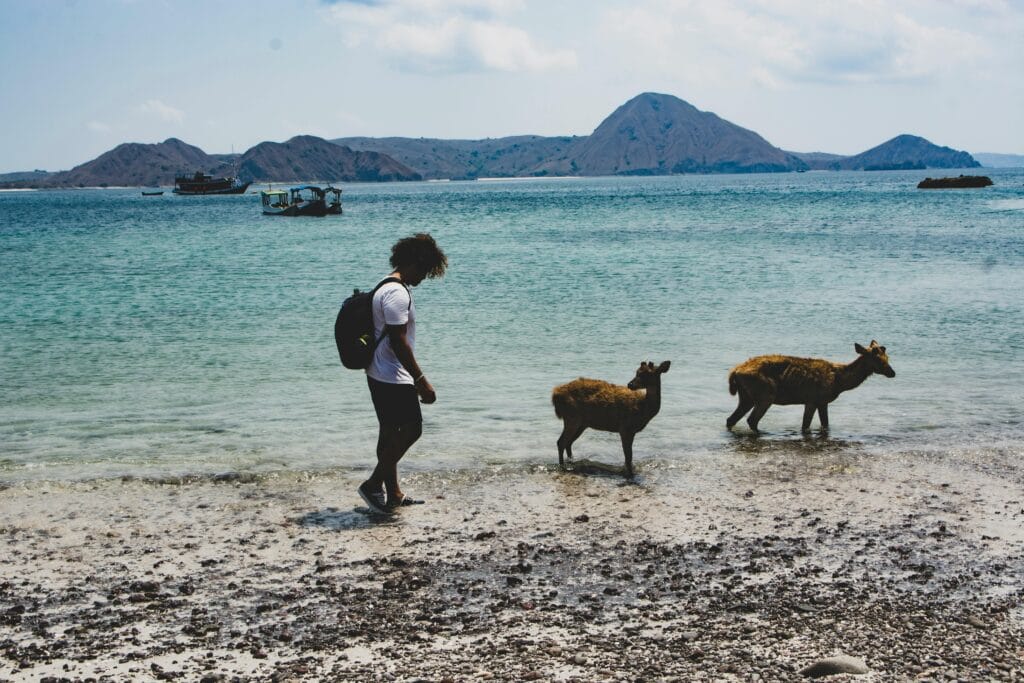
A young traveler encounters wild deer on a pristine beach in Komodo National Park, Indonesia.

Wildlife encounters in Zanzibar’s marine parks

Zanzibar’s marine parks offer some of the best opportunities for wildlife encounters, showcasing the island’s rich biodiversity both above and below the water. With its warm, crystal-clear waters and vibrant coral reefs, Zanzibar is a paradise for marine life, making it an ideal destination for snorkeling, diving, and eco-tourism. Here’s an overview of the incredible wildlife you can encounter in Zanzibar’s marine parks. 1. Menai Bay Conservation AreaThe Menai Bay Conservation Area, located on the southwest coast of Zanzibar, is one of the island’s most protected marine areas. It is home to a variety of marine life, including dolphins, turtles, and a diverse array of fish species. What to Expect: Dolphin Watching: Menai Bay is famous for its resident pods of bottlenose and Indo-Pacific humpback dolphins. Early morning boat trips offer the best chance to see these playful dolphins swimming alongside the boat. Marine Turtles: The area also serves as a breeding ground for sea turtles. Snorkelers can often spot green sea turtles and hawksbill turtles gliding gracefully over the coral gardens. Coral Gardens and Reef Fish: Beneath the surface, the bay features thriving coral reefs teeming with colorful reef fish, including parrotfish, clownfish, and angel fish. 2. Mnemba Atoll Marine ReserveMnemba Atoll is one of Zanzibar’s premier snorkeling and diving destinations. The marine reserve, located just off the northeast coast of the island, is home to an abundance of marine life, including various species of dolphins, fish, and even the occasional whale shark. What to Expect: Diving with Whale Sharks: While whale sharks are rare, they can occasionally be spotted at Mnemba Atoll, particularly during the months of October to March. These gentle giants are a major highlight for divers and snorkelers. Turtles and Rays: The crystal-clear waters are perfect for spotting sea turtles, including the green sea turtle and hawksbill turtle, as well as stingrays and manta rays. Vibrant Coral Reefs: Mnemba Atoll is surrounded by some of Zanzibar’s most stunning coral reefs, which support a wide variety of fish species, such as butterflyfish, damselfish, and groupers. 3. Chumbe Island Coral ParkChumbe Island, located off the western coast of Zanzibar, is a privately protected marine park and one of the best-preserved coral reefs in the Indian Ocean. The island offers eco-tourism experiences focused on sustainable marine life protection. What to Expect: Coral Reef Conservation: Chumbe’s reefs are known for their incredible biodiversity, including hard and soft corals, which are home to a variety of fish species such as parrotfish, snapper, and wrasse. Green Sea Turtles: The waters around Chumbe Island are a sanctuary for green sea turtles, and visitors often have the chance to observe these majestic creatures while snorkeling. Marine Life Excursions: Guided tours of the island’s marine environment offer insight into conservation efforts, as well as opportunities to see octopuses, sea cucumbers, and eels. 4. Kisite-Mpunguti Marine ParkAlthough located slightly further off the southern coast of Zanzibar, Kisite-Mpunguti Marine Park is a popular destination for those looking for vibrant marine wildlife. This protected area, part of the larger Kisite-Mpunguti Marine Protected Area (MPA), is known for its healthy ecosystems and diverse species. What to Expect: Dolphin Encounters: The park is well-known for its resident pods of bottlenose and spinner dolphins, which can often be seen frolicking in the waters. Rich Coral Gardens: The marine park is home to lush coral gardens, offering a habitat for various species of fish, including moray eels, nudibranchs, and flounders. Snorkeling and Diving: Kisite-Mpunguti offers excellent snorkeling and diving opportunities, where you may encounter parrotfish, butterflyfish, and other tropical species. 5. Mafia Island Marine ParkMafia Island, located south of Zanzibar, is part of a larger marine park that offers visitors the chance to witness some of the best marine biodiversity in East Africa. Mafia is less crowded than Zanzibar, making it a haven for marine life and an excellent spot for eco-tourism. What to Expect: Whale Shark Watching: Mafia Island is one of the few places in the world where you can swim with whale sharks. These massive but gentle creatures migrate to the area between October and March. Sea Turtles: Mafia Island’s beaches are nesting grounds for sea turtles, particularly the hawksbill and green turtles, which can often be seen while snorkeling or diving. Coral Reefs and Fish: The surrounding waters are home to pristine coral reefs, where you can spot a wide range of fish species, including triggerfish, wrasse, and moray eels. 6. Sandbanks and Seagrass BedsZanzibar’s coastal waters also contain important seagrass beds and sandbanks, which are essential habitats for juvenile fish, marine invertebrates, and sea turtles. These often-overlooked ecosystems play a critical role in the health of the marine environment and provide great opportunities for wildlife encounters. What to Expect: Snorkeling in Seagrass Beds: Seagrass beds are often home to juvenile fish, and during low tides, you can snorkel along the shallows, where you may spot baby turtles or manatees grazing on the seagrass. Marine Invertebrates: These habitats also support a variety of invertebrates, including sea stars, urchins, and crabs, all of which are fascinating to observe. Zanzibar’s marine parks are a paradise for wildlife enthusiasts, offering an array of unforgettable encounters with both common and rare species. Whether you’re exploring the vibrant coral reefs of Mnemba Atoll or swimming with dolphins in Menai Bay, the island’s diverse marine ecosystems offer something for every adventurer. Experience these breathtaking encounters with Future African Safari, and let us guide you to some of the most remarkable marine life destinations Zanzibar has to offer. Customize Your Adventure Kilimanjaro 3 tours Safari 9 tours Zanzibar 3 tours

Wildlife encounters in Zanzibar’s marine parks Read More »

A bearded man smiling in front of the iconic green dome of Al-Masjid an-Nabawi, Medina.

The influence of Arab culture in Zanzibar

Zanzibar has a rich history shaped by various cultures, but perhaps none has had as profound an influence as Arab culture. The island’s strategic location along the East African coast made it a hub for trade and interaction, particularly with Arab merchants from the Arabian Peninsula. This long-standing relationship has left an indelible mark on Zanzibar’s culture, architecture, cuisine, and way of life. Here’s a closer look at how Arab culture has shaped Zanzibar into the unique destination it is today. 1. The Architecture of ZanzibarOne of the most visible influences of Arab culture in Zanzibar is the distinctive architecture, particularly in Stone Town. The island’s buildings showcase a blend of Arab, Persian, Indian, and African influences, but the Arab contribution stands out. The use of coral stone for construction, large wooden doors with intricate carvings, and narrow winding alleys are all hallmarks of Arab-style architecture. What to Look For: Arabesque Doors: The large, ornately carved wooden doors, often adorned with brass studs, are iconic in Zanzibar. These doors, symbolizing wealth and status, were a direct influence of Arab craftsmanship. Houses with Courtyards: Traditional Arab-style homes often feature an inner courtyard, offering privacy from the bustling streets. This design is still seen in many buildings throughout Stone Town. Mosques and Minarets: The influence of Islam, brought by Arab traders, is most evident in the mosques and minarets scattered around the island. The Old Fort and House of Wonders are examples of buildings that reflect this cultural fusion. 2. Zanzibar’s CuisineThe island’s cuisine has been profoundly influenced by Arab traders and settlers. Spices, herbs, and cooking techniques from the Arab world were introduced to Zanzibar and became an integral part of its food culture. What to Taste: Mishkaki: A popular street food, mishkaki are skewers of marinated meat, often grilled over an open flame. The dish is heavily influenced by Middle Eastern kabobs. Spices: Zanzibar is known as the “Spice Island,” and Arab merchants played a key role in introducing and cultivating spices such as cinnamon, cloves, and nutmeg. Shawarma: The popular Middle Eastern dish, shawarma (spit-roasted meat), is commonly found in Zanzibar’s restaurants, reflecting the Arab taste for grilled meats. 3. The Role of IslamIslam, brought to Zanzibar by Arab traders in the 8th century, is the predominant religion of the island. Arab missionaries and traders not only introduced Islam but also played a significant role in shaping Zanzibar’s spiritual life. What to Experience: Mosques: Zanzibar boasts numerous mosques, with The Big Mosque and the Malindi Mosque being notable examples. These mosques, often featuring traditional Arab architectural styles, are important centers of worship and cultural identity. Ramadan Traditions: The holy month of Ramadan, observed by the majority of Zanzibaris, is celebrated with nightly prayers, feasts, and communal activities, all influenced by Arab customs. Call to Prayer: The sound of the call to prayer, or adhan, is a constant reminder of the island’s Islamic heritage. The calls echo across Stone Town, resonating with the island’s Arab roots. 4. The Swahili LanguageThe Swahili language, widely spoken across East Africa, is a direct product of centuries of Arab influence. Swahili evolved from the interaction of Bantu-speaking African communities with Arab traders, who introduced Arabic vocabulary and grammatical structures into the local language. What to Hear: Swahili, while rooted in African linguistic traditions, incorporates hundreds of Arabic words, particularly in religion, trade, and daily life. Words like kitabu (book), salaam (peace), and shukran (thank you) have Arabic origins. The use of Arabic phrases and expressions in everyday Swahili reflects the deep integration of Arab culture in the island’s identity. 5. Arts and MusicArab influence also extends to Zanzibar’s vibrant arts and music scene. Traditional Zanzibari music is a fusion of African, Arab, Indian, and European elements, creating a unique style known as Taarab music. Taarab, which blends Arabic rhythms and melodies with African instruments, is a cornerstone of Zanzibar’s musical heritage. What to Listen For: Taarab Music: Typically performed with a mix of stringed instruments, percussion, and an orchestra, Taarab is the soundtrack of Zanzibar’s cultural life, played at weddings, festivals, and special events. Poetry and Storytelling: The Arabic tradition of oral storytelling and poetry has influenced local Swahili literature and theater. 6. The Slave Trade and Arab TradersThe influence of Arab culture in Zanzibar is also tied to its tragic history in the transatlantic and Indian Ocean slave trades. Arab traders were deeply involved in the capture and trade of enslaved people, which has left a lasting imprint on the island’s historical and cultural fabric. What to Explore: The Slave Market: The historic Zanzibar Slave Market and the House of Wonders offer a glimpse into this dark period of the island’s history, with Arab traders playing a significant role in the region’s slavery network. The Anglican Cathedral: Built on the site of the former slave market, the Anglican Cathedral in Stone Town is a poignant reminder of the island’s past. 7. The Influence on Zanzibar’s FestivalsZanzibar’s festivals often reflect a blend of Arab and African traditions. These celebrations incorporate Islamic practices, such as fasting and feasting during Ramadan, alongside local customs that have been passed down through generations. What to Celebrate: Eid al-Fitr: The end of Ramadan is marked by large communal prayers and festive meals, showcasing the Arab influence on Zanzibari culture. Sauti za Busara: This annual music festival celebrates a mix of cultural influences, with Arab sounds playing a significant role in the island’s musical diversity. Zanzibar’s rich Arab heritage is an essential part of its identity, woven into the fabric of daily life through its language, cuisine, religion, architecture, and arts. The Arab influence, along with contributions from African, Indian, and European cultures, has shaped Zanzibar into the vibrant, multi-cultural island it is today. Whether you’re exploring Stone Town’s historic sites, tasting the unique spices, or experiencing the island’s vibrant music scene, the legacy of Arab culture is an integral part of what makes Zanzibar so special. Let Future African Safari guide you through the captivating history and culture

The influence of Arab culture in Zanzibar Read More »

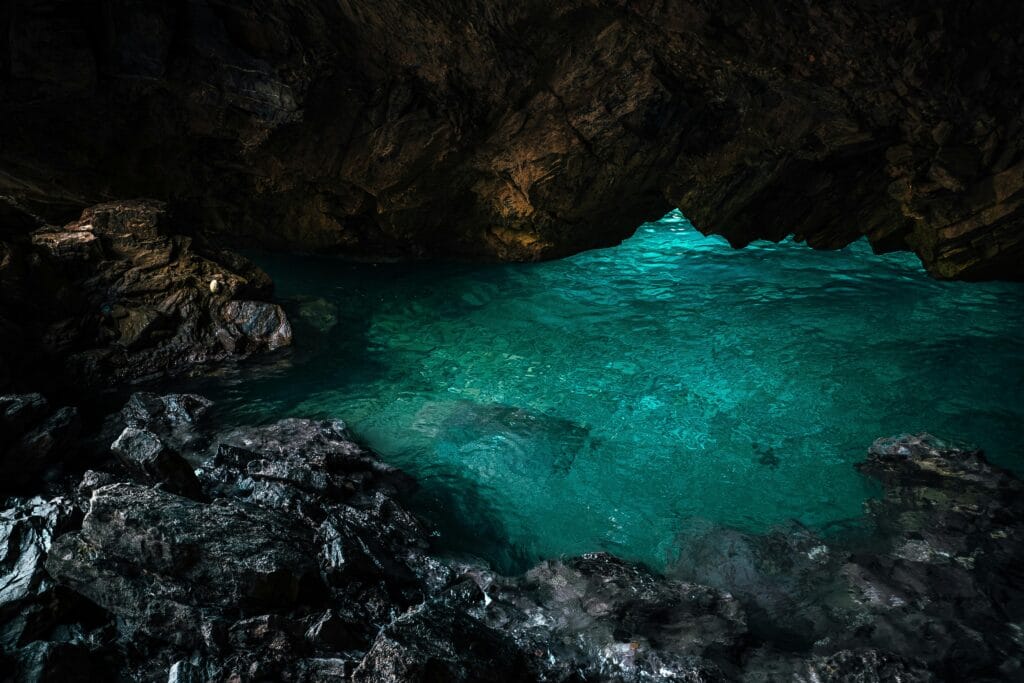
Explore the serene blue waters within a stunning geological cave formation.

Zanzibar’s best-kept secrets: hidden gems

Zanzibar, known for its idyllic beaches and rich cultural history, has many hidden gems that are waiting to be discovered. Beyond the popular tourist attractions, the island is home to unique spots that offer authentic experiences and stunning natural beauty. Here’s a guide to some of Zanzibar’s best-kept secrets—hidden treasures you won’t want to miss during your visit. 1. Paje Beach’s Secret SandbarsWhile Paje Beach is a popular spot for kite surfers, many travelers miss out on the nearby secret sandbars that emerge during low tide. These pristine, isolated sandbanks are perfect for sunbathing, picnicking, or taking a dip in the turquoise waters, away from the crowds. What to Expect: Stunning views and tranquil surroundings. An ideal spot for a private beach experience. Great for photography, especially at sunrise and sunset. 2. The Jozani Forest’s Hidden TrailsJozani Forest is well-known for its red colobus monkeys, but not many visitors venture down the lesser-known trails within the forest. These paths lead to secluded areas filled with unique flora, quiet birdwatching spots, and hidden natural beauty. The untouched parts of the forest provide a serene escape for nature lovers. What to Expect: Peaceful walks through lush greenery and diverse wildlife. A chance to spot rare bird species and hidden streams. An off-the-beaten-path experience in one of Zanzibar’s oldest forests. 3. The Spice Farm Off the Beaten PathWhile Zanzibar is renowned for its spice farms, there are lesser-known plantations on the outskirts of Stone Town where you can enjoy a more personalized tour. These smaller farms offer a more intimate experience with fewer tourists and a deeper connection to the island’s spice culture. What to Expect: Hands-on experience with spice cultivation and a chance to sample fresh spices. A guided walk through plantations where local farmers share their knowledge. Opportunities to purchase rare spices directly from the source. 4. The Mnarani Marine Turtles Conservation PondLocated in Nungwi, the Mnarani Marine Turtles Conservation Pond is a lesser-known sanctuary for endangered sea turtles. Visitors can learn about the conservation efforts to protect these ancient creatures and even get the chance to release a baby turtle into the sea. What to Expect: An educational experience about marine life and turtle conservation. Interaction with turtles in their natural environment. A peaceful setting with fewer crowds, perfect for a meaningful visit. 5. The Secret Beaches of KiwengwaWhile Kiwengwa Beach is a popular destination, there are secluded stretches of coastline nearby that offer quiet retreats. These hidden beaches are perfect for a private escape, with powder-soft sand and crystal-clear waters, ideal for swimming or relaxing in peace. What to Expect: Tranquil, untouched beaches with fewer visitors. Ideal spots for swimming, sunbathing, and picnicking. Scenic walking paths that lead to hidden coves. 6. Matemwe VillageMatemwe is a charming coastal village that’s often overshadowed by more touristy areas. However, it offers a glimpse into authentic Zanzibari life, with friendly locals, traditional houses, and quiet stretches of beach. Visiting Matemwe is like stepping back in time, where you can enjoy the simplicity of island life. What to Expect: Quiet village streets and an authentic local experience. A slower pace of life away from the typical tourist crowds. Access to less crowded beaches and coral reefs perfect for snorkeling. 7. The Mangrove Forests of BumbwiniThe Bumbwini Mangrove Forest is a hidden gem on the northern coast of Zanzibar, often overlooked by tourists. This lush, green ecosystem is home to unique wildlife and provides an excellent spot for kayaking or taking a tranquil walk along the boardwalks that wind through the mangroves. What to Expect: Quiet, reflective moments in a beautiful, natural setting. Birdwatching opportunities with unique species of birds. A peaceful escape from the more commercialized tourist areas. 8. The Lost City of Ras MkumbuuRas Mkumbuu is a lesser-known archaeological site located in the northern part of Zanzibar. This ancient site offers a glimpse into Zanzibar’s past, with ruins dating back to the 13th century, thought to be part of an ancient city that once flourished before it was abandoned. What to Expect: Historical ruins that reveal Zanzibar’s ancient trade connections. A quiet, serene setting ideal for exploring and photography. Insight into Zanzibar’s pre-colonial history, far removed from the typical tourist experience. 9. The Zanzibar Butterfly CentreThe Zanzibar Butterfly Centre is a small, hidden gem in the Kizimbani area, dedicated to conserving the island’s native butterfly species. Visitors can walk through the lush gardens, learn about the life cycle of butterflies, and observe them in their natural habitat. What to Expect: An educational tour that’s perfect for families and nature enthusiasts. A chance to see various butterfly species in a natural setting. A tranquil garden setting, perfect for relaxation and photography. 10. RGoa’s Secret CovesLocated on the east coast of Zanzibar, RGoa is home to several hidden coves and secret beaches that are often missed by visitors. These small, secluded beaches offer a peaceful retreat and are great for swimming, picnicking, or simply enjoying the views. What to Expect: Small, secluded beaches with crystal-clear waters. A more private beach experience, away from the crowds. Unspoiled natural beauty perfect for relaxation. Zanzibar is full of hidden treasures, offering a chance to experience the island in a more authentic and peaceful way. Whether you’re exploring untouched beaches, learning about the island’s history, or enjoying nature at its finest, these hidden gems promise to make your visit truly unforgettable. Let Future African Safari help you uncover the secrets of Zanzibar. Contact us today to plan your personalized island adventure! Customize Your Adventure Kilimanjaro 3 tours Safari 9 tours Zanzibar 3 tours

Zanzibar’s best-kept secrets: hidden gems Read More »

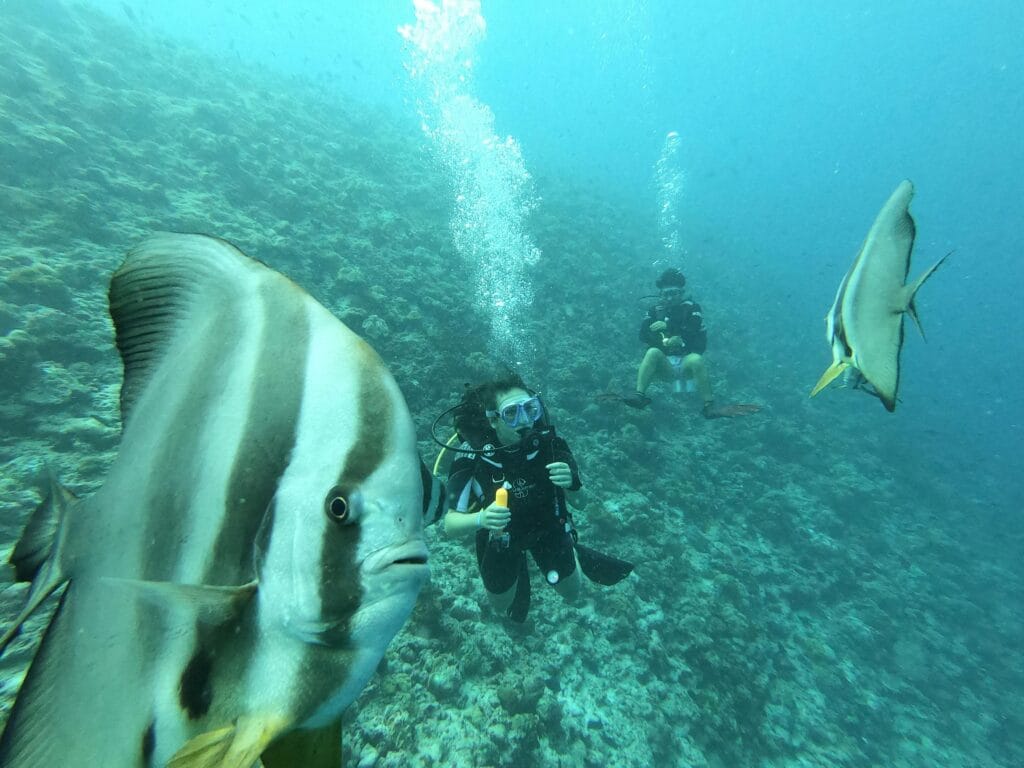
Explore vibrant marine life with divers amidst fish in Maldives' stunning underwater world.

Best snorkeling tours in Zanzibar

Zanzibar offers some of the best snorkeling experiences in East Africa, with crystal-clear waters, vibrant coral reefs, and an abundance of marine life. Whether you’re a seasoned snorkeler or a beginner, Zanzibar’s beaches provide numerous opportunities to explore its underwater world. Here are the top snorkeling tours you shouldn’t miss on your trip to this island paradise. 1. Mnemba AtollKnown as one of the top snorkeling spots in Zanzibar, Mnemba Atoll is a protected marine reserve located off the northeastern coast of the island. The coral reefs here are teeming with diverse marine life, including vibrant fish species, turtles, and even the occasional dolphin. What to Expect: Snorkeling in crystal-clear waters with visibility often exceeding 30 meters. A wide variety of marine species, from clownfish to moray eels and sea turtles. Small boat rides to the island and peaceful, uncrowded beaches. Best Time to Visit: The best time to snorkel at Mnemba Atoll is from October to March, when the waters are calm and visibility is at its peak. 2. Kendwa RocksLocated on the northwest coast of Zanzibar, Kendwa Rocks offers calm, shallow waters perfect for snorkeling. The area around Kendwa is home to coral gardens, where you can spot various fish species like parrotfish, angelfish, and lionfish. What to Expect: Shallow reefs, ideal for beginners. A relaxing and family-friendly atmosphere. Opportunities to enjoy both snorkeling and beach activities in one place. Best Time to Visit: Visit during the dry season, from June to October, for the clearest water conditions. 3. Chumbe Island Coral ParkFor a more eco-friendly snorkeling experience, Chumbe Island offers a unique opportunity to explore one of the most pristine coral reefs in the Indian Ocean. The coral park here is a protected area, with a strict no-touch policy to ensure the preservation of its vibrant marine ecosystem. What to Expect: Vibrant coral reefs and diverse marine life, including large schools of fish, turtles, and even reef sharks. Guided snorkeling tours with knowledgeable marine biologists explaining the reef’s ecosystems. A focus on sustainable tourism and conservation. Best Time to Visit: The reef is best visited during the dry season (June to October) for ideal visibility. 4. Prison Island (Changuu Island)Located just off the coast of Stone Town, Prison Island is famous for its history as a former slave prison and its population of giant tortoises. But it’s also home to some fantastic snorkeling opportunities around the island’s reefs. What to Expect: Snorkeling along the island’s rocky shoreline, where you’ll encounter colorful fish and coral. The chance to swim with sea turtles and enjoy the island’s serene atmosphere. A short boat ride from Stone Town, making it a convenient option for day trips. Best Time to Visit: Year-round, although the best conditions are from November to March. 5. Tumbatu IslandA lesser-known snorkeling destination, Tumbatu Island is located off the northwest coast of Zanzibar. This quiet, uninhabited island offers beautiful reefs with diverse marine life, perfect for those looking to escape the crowds. What to Expect: Rich coral gardens and shallow waters ideal for leisurely snorkeling. A tranquil, off-the-beaten-path experience with fewer tourists. Opportunities to see an array of fish species, starfish, and coral. Best Time to Visit: The best snorkeling conditions are during the dry season, from June to October. 6. Zanzibar Marine Park (Stone Town)If you’re staying in Stone Town, the Zanzibar Marine Park offers excellent snorkeling opportunities just a short boat ride away. This protected area is home to colorful reefs and abundant marine life, making it a perfect choice for those looking to enjoy snorkeling near the town. What to Expect: Shallow reefs, ideal for all skill levels. Opportunities to see dolphins, turtles, and an array of tropical fish. Convenient access from Stone Town. Best Time to Visit: Year-round, although visibility is best from June to October. 7. Pemba IslandFor those willing to venture a bit further, Pemba Island offers some of the best off-the-beaten-path snorkeling spots in Zanzibar. Known for its untouched coral reefs, Pemba offers a more secluded experience compared to Zanzibar’s main island. What to Expect: Unspoiled coral reefs with vibrant marine life. Opportunities for more private and serene snorkeling away from the crowds. Access to unique underwater ecosystems that are less explored by tourists. Best Time to Visit: Visit from June to October for the best conditions, though the island is a great year-round destination. Snorkeling in Zanzibar is an unforgettable experience, offering a chance to explore some of the most beautiful and diverse marine ecosystems in the world. Whether you’re interested in exploring protected coral parks or enjoying quiet, less-visited reefs, Zanzibar has a snorkeling tour for every type of traveler. Looking to book your snorkeling adventure in Zanzibar? Future African Safari can help plan your perfect tour, ensuring an unforgettable underwater experience. Contact us today for personalized snorkeling trips and more! Customize Your Adventure Kilimanjaro 3 tours Safari 9 tours Zanzibar 3 tours

Best snorkeling tours in Zanzibar Read More »

66

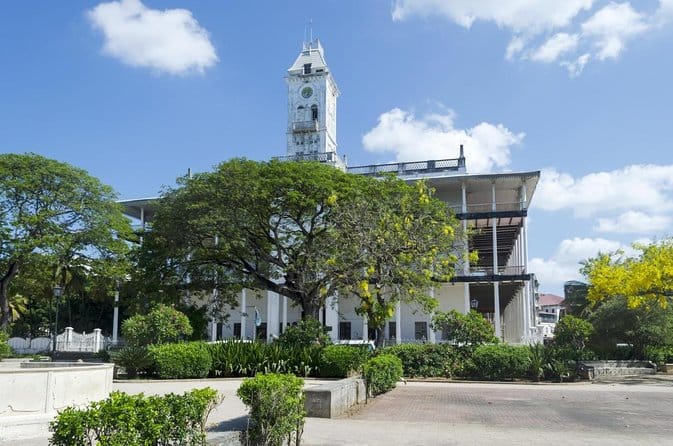
Visiting the House of Wonders: A Journey Through Zanzibar’s Rich History

Located in the heart of Stone Town, the House of Wonders (Beit-al-Ajaib) is one of Zanzibar’s most iconic landmarks and a symbol of the island’s rich history and cultural heritage. This majestic building, with its grand architecture and fascinating exhibits, offers visitors a glimpse into the island’s past, blending Arab, African, and European influences. In this guide, we’ll explore what makes the House of Wonders a must-visit attraction during your trip to Zanzibar. 1. A Glimpse into History Built in 1883 by Sultan Barghash bin Said, the House of Wonders was originally a ceremonial palace. It was the first building in Zanzibar to have electricity and an elevator, earning its name for being a marvel of modern technology at the time. The building served various purposes over the years, including a government office and a museum. Today, it stands as a testament to Zanzibar’s historical significance in the Indian Ocean trade and its multicultural legacy. 2. Architecture That Tells a Story The House of Wonders is a striking example of Swahili and Arab architecture. Its grand white façade, tall pillars, and wide verandas reflect a blend of local and foreign influences. The building’s spacious interior features high ceilings and large open spaces, offering a sense of grandeur that captivates visitors. Highlights of the Architecture: Imposing carved wooden doors, a hallmark of Zanzibari craftsmanship. Intricate balconies offering panoramic views of Stone Town and the nearby harbor. A spacious central courtyard that was once used for ceremonial gatherings. 3. Exhibits and What to See The House of Wonders houses a museum that showcases Zanzibar’s history, culture, and maritime heritage. The exhibits provide a deeper understanding of the island’s role in the spice trade, the influence of the Omani Sultanate, and the daily lives of Zanzibari people. Key Exhibits: Traditional Dhow Boats: Learn about the importance of maritime trade and the craftsmanship of these iconic vessels. Swahili Culture and Traditions: Explore displays of traditional clothing, musical instruments, and household items. Historical Artifacts: Discover relics from Zanzibar’s past, including ancient coins, maps, and photographs. The Sultan’s Throne: A symbol of the island’s royal heritage, once used by the Omani rulers of Zanzibar. 4. Restoration Efforts In recent years, the House of Wonders has undergone significant restoration to preserve its architectural integrity and historical significance. While some sections of the building may be under renovation, efforts are being made to ensure it remains a vital part of Zanzibar’s cultural landscape. 5. Practical Information for Visitors Location:The House of Wonders is situated along the waterfront in Stone Town, near Forodhani Gardens and the Old Fort. Opening Hours:Typically open from 9:00 AM to 6:00 PM, but it’s advisable to check for any changes due to ongoing restoration work. Entrance Fee:A small entrance fee is required, with proceeds supporting the maintenance and restoration of the site. Tips for Visiting: Visit early in the morning or late in the afternoon to avoid crowds and the midday heat. Hire a local guide for a more in-depth understanding of the exhibits and the building’s history. Combine your visit with a walk through Stone Town’s narrow alleys and nearby attractions like the Old Fort and Forodhani Gardens. 6. Nearby Attractions While exploring the House of Wonders, take the opportunity to visit other historical sites in Stone Town: Old Fort (Ngome Kongwe): Located next to the House of Wonders, this 17th-century fort offers insights into Zanzibar’s defensive history. Forodhani Gardens: A lively waterfront park where you can enjoy local street food and watch the sunset. Slave Market Memorial: A sobering reminder of Zanzibar’s role in the East African slave trade. The House of Wonders is more than just a historical building—it’s a gateway to understanding the cultural and historical tapestry of Zanzibar. Whether you’re a history enthusiast, an architecture lover, or simply curious about the island’s heritage, a visit to this iconic landmark is a must. Ready to explore the House of Wonders and other historical treasures of Zanzibar?Let Future African Safari guide you through a personalized cultural tour of Stone Town. Contact us today to start planning your unforgettable Zanzibari adventure! Customize Your Adventure Kilimanjaro 3 tours Safari 9 tours Zanzibar 3 tours

Visiting the House of Wonders: A Journey Through Zanzibar’s Rich History Read More »

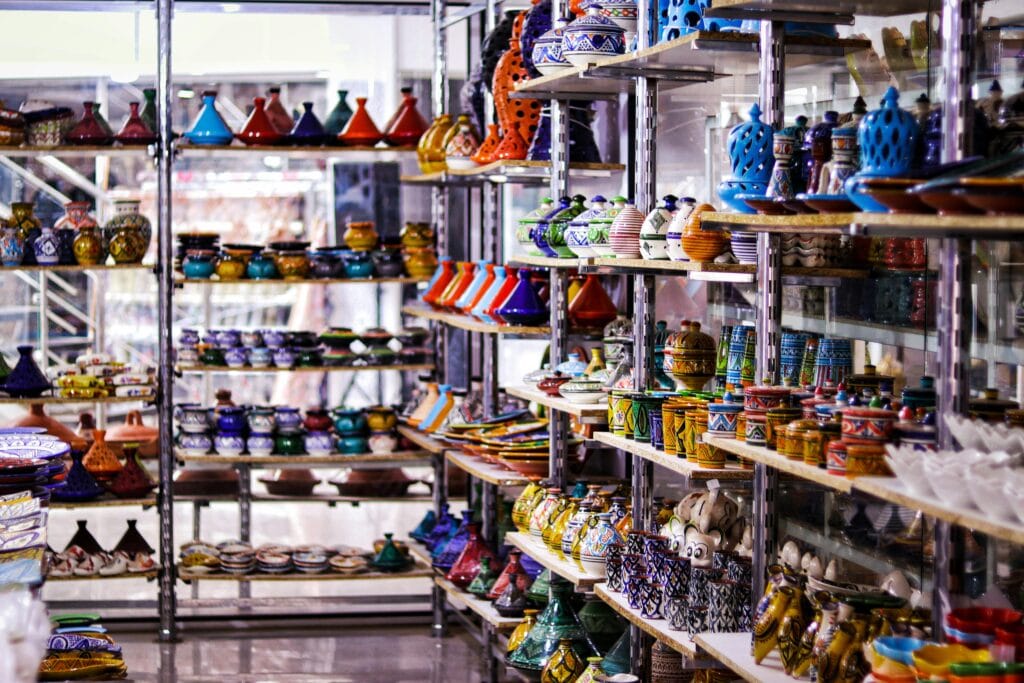
Explore vibrant Moroccan ceramics beautifully displayed in a traditional market setting.

Shopping for Local Crafts in Zanzibar: Where to Find Unique Souvenirs

Zanzibar is a treasure trove of unique local crafts that reflect the island’s rich cultural heritage and artistry. Whether you’re looking for handmade jewelry, intricate wood carvings, or vibrant textiles, Zanzibar offers a wide variety of souvenirs to take home. In this guide, we’ll explore the best places to shop for authentic local crafts and provide tips for a rewarding shopping experience. 1. Darajani Market: The Heart of Local Shopping Located in the heart of Stone Town, Darajani Market is a bustling hub where locals shop for everything from fresh produce to handcrafted goods. It’s an excellent place to experience the vibrant local culture while browsing for unique items. What to Buy: Spices and spice blends Handwoven baskets Traditional Zanzibari jewelry Wooden kitchenware Tips: Arrive early to avoid crowds and get the best selection. Don’t be afraid to haggle—it’s part of the shopping culture. 2. Memories of Zanzibar: High-Quality Souvenirs If you’re looking for a more curated shopping experience, Memories of Zanzibar in Stone Town offers a wide range of high-quality souvenirs. This air-conditioned store is ideal for travelers who prefer fixed prices and a relaxed environment. What to Buy: Tinga Tinga paintings Hand-carved wooden masks Zanzibari spices and teas Locally made soaps and beauty products Tips: Great for last-minute shopping if you’re short on time. Look for fair-trade products that support local artisans. 3. Cultural Arts Gallery: A Showcase of Zanzibari Art Located in Stone Town, the Cultural Arts Gallery features a collection of art and crafts from local artisans. This gallery is a must-visit for those interested in supporting the island’s creative community. What to Buy: Handwoven textiles and kikois Traditional dhow model boats Beaded jewelry and accessories Intricate henna-inspired artwork Tips: Ask the staff about the stories behind the pieces for a deeper cultural connection. Consider purchasing larger items that can be shipped home. 4. Fahari Zanzibar: Handcrafted Luxury Fahari Zanzibar is a social enterprise that empowers local women by providing training and employment in the craft industry. The boutique offers beautifully handcrafted items with a contemporary twist. What to Buy: Leather handbags and accessories Statement jewelry made from natural materials Elegant home décor items Tips: Each purchase supports local women artisans, making it a socially responsible choice. Items here are more expensive but reflect the quality and craftsmanship. 5. Michamvi Market: Hidden Gem for Handmade Crafts Located on the east coast of Zanzibar, Michamvi Market is a hidden gem for travelers exploring beyond Stone Town. This small market offers a variety of handmade crafts and souvenirs in a more relaxed setting. What to Buy: Coconut shell crafts Hand-carved figurines Beaded sandals and bags Tips: Combine your visit with a trip to the nearby beaches for a full-day adventure. Engage with local artisans to learn about their craft and support small businesses. 6. Zanzibar Gallery: A Mix of Art and History Zanzibar Gallery in Stone Town combines art, history, and shopping under one roof. The gallery features traditional crafts alongside historical artifacts, offering a unique shopping experience. What to Buy: Antique furniture and décor Hand-painted pottery Zanzibari doors and carvings Tips: Ideal for collectors or those looking for unique home décor. Shipping services are available for larger items. 7. Forodhani Gardens Night Market: Evening Souvenirs While Forodhani Gardens Night Market is primarily known for its street food, it also offers a selection of small souvenirs and crafts. It’s a great spot for picking up last-minute gifts while enjoying the lively evening atmosphere. What to Buy: Handmade bracelets and necklaces Small wooden carvings Locally made spices Tips: Enjoy a seafood dinner while browsing the market stalls. Cash is preferred, and prices are often negotiable. Shopping Tips for Zanzibar Haggle Respectfully: Negotiating is common, but always be polite and respectful. Carry Cash: Most markets and small shops prefer cash payments in Tanzanian Shillings or US Dollars. Support Local Artisans: Look for shops and markets that promote fair trade and support local communities. Ask for Authenticity: Ensure that the items you purchase are genuinely handcrafted in Zanzibar and not imported. Consider Shipping: If you’re buying large or fragile items, ask the seller about shipping options. ConclusionShopping for local crafts in Zanzibar is more than just souvenir hunting—it’s an opportunity to connect with the island’s culture and support its artisans. From bustling markets to boutique galleries, Zanzibar offers a diverse shopping experience that caters to every traveler’s taste and budget. Ready to explore Zanzibar’s vibrant markets and artisan shops?Let Future African Safari guide you through the best shopping spots and cultural experiences for an unforgettable island adventure. Contact us today! Customize Your Adventure Kilimanjaro 3 tours Safari 9 tours Zanzibar 3 tours

Shopping for Local Crafts in Zanzibar: Where to Find Unique Souvenirs Read More »

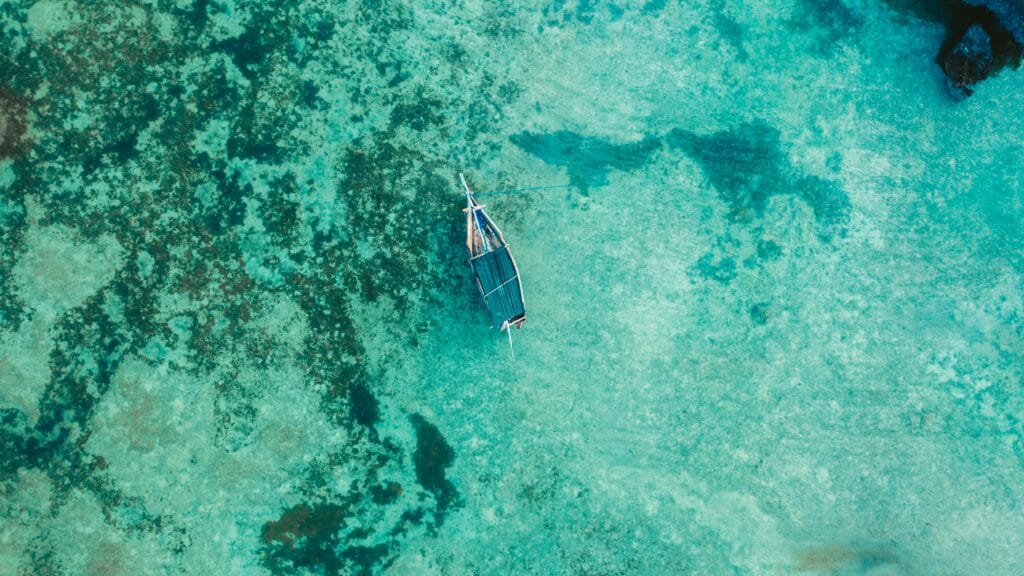
Drone shot of a boat floating in clear turquoise waters of Zanzibar, Tanzania. Serene and scenic top view.

Zanzibar vs. Seychelles: Which Island Paradise Is Right for You?

Choosing between Zanzibar and Seychelles for your next island getaway can be challenging, as both destinations offer stunning beaches, vibrant cultures, and unforgettable experiences. While they share similarities, each island has its unique charm and attractions. In this guide, we’ll compare Zanzibar and Seychelles across various factors to help you decide which destination is right for you. 1. Beaches: Pristine Sands and Turquoise Waters Zanzibar:Known for its powdery white sand beaches and clear blue waters, Zanzibar is a dream destination for beach lovers. Popular beaches like Nungwi, Kendwa, and Paje offer excellent swimming, snorkeling, and kite surfing opportunities. The island’s beaches have a lively atmosphere, with beach bars, restaurants, and activities. Best For: Travelers seeking lively beach vibes, water sports, and vibrant coastal towns. Seychelles:Seychelles boasts some of the most picturesque and secluded beaches in the world. Beaches like Anse Lazio, Anse Georgette, and Anse Source d’Argent feature granite boulders, crystal-clear waters, and lush greenery. These beaches often feel more private and serene compared to Zanzibar. Best For: Honeymooners and those looking for quiet, postcard-perfect beaches. Winner:Choose Zanzibar for lively, accessible beaches and Seychelles for serene, secluded shorelines. 2. Activities and Adventures Zanzibar:Zanzibar offers a rich mix of activities, from historical tours of Stone Town to exploring spice farms and wildlife encounters at Jozani Forest. You can also embark on snorkeling and diving excursions, dolphin-watching tours, and cultural experiences with local communities. Top Activities: Spice tours Snorkeling at Mnemba Atoll Dolphin watching in Kizimkazi Exploring Stone Town Seychelles:Seychelles is a haven for nature lovers and adventure seekers. The islands offer hiking trails, marine parks, and world-class diving spots. The UNESCO-listed Vallée de Mai on Praslin Island is a must-visit for its rare Coco de Mer palm trees. Island hopping is also a popular activity. Top Activities: Hiking in Vallée de Mai Scuba diving at Aldabra Atoll Visiting La Digue Island Sailing and island hopping Winner:Choose Zanzibar for a blend of culture, history, and adventure, and Seychelles for nature-focused activities and exploration.   3. Accommodation Options Zanzibar:Zanzibar offers a wide range of accommodations, from budget-friendly guesthouses to luxury beachfront resorts. Popular areas like Nungwi, Kendwa, and Paje have a variety of options, catering to all types of travelers. Best Picks: Boutique hotels and eco-lodges Luxury resorts with ocean views Budget-friendly guesthouses Seychelles:Seychelles is known for its high-end, luxury resorts and private villas. While there are some mid-range options, the islands primarily cater to luxury travelers. Many accommodations are set in breathtaking locations, offering exclusive experiences. Best Picks: Luxury resorts like Four Seasons Seychelles Private villas with infinity pools Boutique eco-resorts Winner:Choose Zanzibar for a broader range of budget options and Seychelles for luxury and exclusivity.   4. Culture and Heritage Zanzibar:Zanzibar’s rich cultural heritage is a blend of African, Arab, Indian, and European influences. Stone Town, a UNESCO World Heritage Site, is a testament to this diverse history. Visitors can explore its labyrinthine streets, ancient buildings, and vibrant markets. Cultural Highlights: Stone Town tours Swahili cuisine and spice markets Traditional dhow sailing trips Seychelles:Seychelles has a unique Creole culture influenced by African, French, and British heritage. While the islands are less culturally immersive than Zanzibar, visitors can enjoy Creole cuisine, traditional music, and local art. Cultural Highlights: Creole food festivals Art galleries and local crafts Traditional Sega music and dance Winner:Choose Zanzibar for a rich, immersive cultural experience and Seychelles for a more relaxed, Creole-inspired atmosphere.   5. Accessibility and Travel Costs Zanzibar:Zanzibar is relatively easy to reach, with direct flights from major hubs in Africa, Europe, and the Middle East. The cost of flights and accommodations is generally more affordable than Seychelles, making it a popular choice for budget-conscious travelers. Best Time to Visit: June to October (dry season) and December to February. Seychelles:Seychelles is more remote, with fewer direct flights and higher travel costs. It’s often seen as a luxury destination, and prices for flights, accommodations, and activities reflect this. Best Time to Visit: April to May and October to November (shoulder seasons). Winner:Choose Zanzibar for affordability and easier access, and Seychelles for a luxury escape worth the splurge.   Both Zanzibar and Seychelles are stunning island destinations, each offering unique experiences. Choose Zanzibar if you’re seeking a culturally rich, adventurous, and budget-friendly vacation with lively beaches and diverse activities. Choose Seychelles if you’re looking for a luxury escape with serene beaches, world-class diving, and a tranquil atmosphere. Still undecided?Let Future African Safari help you plan your dream island getaway! Contact us to create a personalized itinerary tailored to your preferences, whether you choose the spice island of Zanzibar or the idyllic shores of Seychelles. Customize Your Adventure Kilimanjaro 3 tours Safari 9 tours Zanzibar 3 tours

Zanzibar vs. Seychelles: Which Island Paradise Is Right for You? Read More »

Two travelers with backpacks discuss in front of an airport timetable. Adventure awaits.

How to Get Around Zanzibar: Easy Transportation Tips for Travelers

Zanzibar, with its idyllic beaches, historic Stone Town, and vibrant culture, is a must-visit destination. While the island may seem small, getting around can be a bit tricky if you’re unfamiliar with the transportation options. Whether you’re a solo traveler, a couple, or a family, knowing how to navigate the island efficiently will help you make the most of your trip. This guide covers the best ways to get around Zanzibar with ease. 1. Taxis: Convenient but Pricey Taxis are a convenient way to travel around Zanzibar, especially if you’re going from the airport or port to your hotel. They are widely available in popular tourist areas, but fares can be expensive if not negotiated in advance. Tips for Using Taxis: Negotiate the fare before starting your journey, as taxis in Zanzibar do not have meters. Agree on a price in Tanzanian Shillings (TZS) or US Dollars to avoid confusion. Airport to Stone Town: Expect to pay around $10–$15. Stone Town to Nungwi: Approximately $30–$50. Why Use Taxis: They are comfortable, safe, and ideal for short distances or airport transfers. 2. Dala-Dala: The Local Experience For a true local experience, try a dala-dala, Zanzibar’s version of a shared minibus or van. It’s the most affordable way to travel but can be crowded and uncomfortable for longer journeys. Popular Routes: Stone Town to Nungwi (Route 116). Stone Town to Paje (Route 324). Stone Town to Kendwa. Cost:A one-way trip typically costs between 1,000–3,000 TZS (less than $2 USD). Why Use Dala-Dala: It’s an adventurous and budget-friendly way to experience Zanzibar like a local. Tip: Be prepared for a bumpy ride, and avoid peak travel times if you prefer more space.   3. Car Rentals: Freedom to Explore If you prefer flexibility and freedom, renting a car is a great option. Zanzibar has decent roads, and driving allows you to explore at your own pace. Requirements: An international driving permit (IDP) is required. You’ll also need a local Zanzibar driving permit, which rental companies can arrange for a small fee (around $10). Average Rental Cost:Around $30–$50 per day, depending on the vehicle type and rental duration. Why Rent a Car: It’s ideal for families or groups who want to visit multiple destinations across the island. Tip: Drive cautiously, especially in rural areas where roads may be narrow and less maintained.   4. Motorbike or Scooter Rentals: Great for Adventurous Travelers For solo travelers or couples looking for a fun way to explore, renting a motorbike or scooter is a popular option. It’s perfect for navigating narrow roads and reaching off-the-beaten-path locations. Average Rental Cost:$15–$25 per day for a motorbike or scooter. Why Rent a Scooter: It’s economical, fun, and allows you to explore areas that larger vehicles might not reach. Tip: Always wear a helmet and carry your driving permit, as police checkpoints are common.   5. Bicycles: Eco-Friendly Exploration Bicycles are an eco-friendly and affordable way to explore Zanzibar, especially in areas like Stone Town or along the coast. Many hotels and guesthouses offer bike rentals. Average Rental Cost:$5–$10 per day. Why Use Bicycles: They’re perfect for short trips, exploring villages, or riding along the beachfront. Tip: Stick to well-paved roads and avoid cycling at night for safety.   6. Walking: Explore Stone Town on Foot One of the best ways to experience Stone Town is on foot. The town’s narrow alleys, vibrant markets, and historic landmarks are best explored without a vehicle. Best Areas for Walking: Forodhani Gardens: Enjoy the bustling night market and sea views. Darajani Market: Experience local life and shop for souvenirs. Stone Town’s Historic Sites: Visit the House of Wonders, Old Fort, and the Sultan’s Palace. Why Walk: It’s free, immersive, and the best way to discover hidden gems. Tip: Wear comfortable shoes, carry water, and be prepared to navigate winding streets.   7. Private Transfers: Comfort and Convenience For hassle-free transportation, consider booking a private transfer through a tour operator or your hotel. Private transfers offer a comfortable and air-conditioned ride, ideal for longer distances or families with children. Average Cost:$30–$70 depending on the distance and number of passengers. Why Use Private Transfers: They’re reliable, safe, and perfect for airport transfers or traveling between major destinations. Tip: Book in advance to ensure availability and get the best rates.   8. Boats and Ferries: Island Hopping Zanzibar is part of an archipelago, and exploring nearby islands like Pemba, Chumbe, or Prison Island requires a boat or ferry. Popular Ferry Routes: Dar es Salaam to Zanzibar: High-speed ferries like Azam Marine operate daily. Stone Town to Prison Island: A short boat ride for a day trip. Cost:$30–$60 for a ferry from Dar es Salaam to Zanzibar. Why Use Boats: They’re the only way to reach the surrounding islands, offering scenic views and a unique travel experience.   Getting around Zanzibar is easy once you know your options. Whether you prefer the comfort of a taxi, the adventure of a dala-dala, or the freedom of renting a car or bike, there’s a transportation method to suit every traveler’s style and budget. Ready to explore Zanzibar?Let Future African Safari assist you in planning your trip, from transportation to guided tours, ensuring a seamless and unforgettable experience on the Spice Island. Contact us today! Customize your Tour Kilimanjaro 3 tours Safari 9 tours Zanzibar 3 tours

How to Get Around Zanzibar: Easy Transportation Tips for Travelers Read More »

Scroll to Top