Safari

tribe, men, traditional

Understanding Maasai History and Culture: A Journey into Tanzania’s Iconic Heritage

The Maasai are one of Tanzania’s most renowned ethnic groups, celebrated for their vibrant traditions, striking attire, and enduring connection to the land. Their history and culture are deeply intertwined with the landscapes they inhabit, making them an integral part of the Tanzanian safari experience. Exploring Maasai heritage offers travelers a deeper understanding of their way of life, values, and contributions to the region’s identity. Book Now 1. Who Are the Maasai? The Maasai are a semi-nomadic people primarily residing in northern Tanzania and southern Kenya. With a population of over a million, they have preserved their customs and lifestyle despite modernization. Origins: The Maasai trace their roots to the Nile Valley, migrating southward several centuries ago. Their arrival in the Great Rift Valley coincided with the development of their pastoralist lifestyle. Livelihood: Livestock, particularly cattle, plays a central role in Maasai life, symbolizing wealth, sustenance, and status. They practice sustainable grazing, ensuring the environment remains healthy for both wildlife and their herds. 2. Maasai Culture: Traditions and Practices The Maasai have a rich cultural tapestry that is both spiritual and practical. Dress and Adornments: The iconic red shúkà (cloak) serves as both attire and a cultural identifier. Beadwork, often worn as necklaces or bracelets, is crafted by women and holds symbolic meanings tied to age, status, and community. Language: The Maasai speak Maa, a Nilotic language, alongside Swahili and English in many areas. Rites of Passage: Life is marked by elaborate ceremonies, such as the transition to warrior status (Moran) for young men and marriage celebrations for women. 3. The Maasai’s Connection to Nature Living in harmony with the environment is a cornerstone of Maasai culture. Land Stewardship: The Maasai have traditionally coexisted with wildlife, managing land use in ways that promote biodiversity. Many Maasai villages are located near key conservation areas, including the Serengeti and Ngorongoro. Spiritual Beliefs: The Maasai revere Enkai (God), whom they believe provides rain for their cattle and protects the land. Their spiritual practices often reflect a deep respect for natural cycles and wildlife. 4. Modern Challenges and Adaptations Like many indigenous groups, the Maasai face challenges in preserving their way of life amid modern pressures. Land Displacement: Expansion of conservation areas and urban development have sometimes encroached on Maasai grazing lands. Education and Employment: Many Maasai are embracing education and modern livelihoods while striving to retain their cultural identity. Tourism: Tourism has become a vital source of income, with cultural tours and village visits offering mutual benefits. 5. Experiencing Maasai Culture on Safari Engaging with the Maasai is a highlight of many Tanzanian safaris. Village Visits: Tour authentic Maasai bomas (homesteads) to witness daily life, traditional crafts, and communal activities. Participate in cultural exchanges, such as storytelling, traditional dances, and bead-making workshops. Ceremonies and Performances: Special events, such as warrior dances or initiation ceremonies, offer a window into their rich traditions. Guided Tours: Many Maasai work as safari guides, sharing their intimate knowledge of the land and wildlife. 6. Respecting Maasai Traditions When engaging with Maasai communities, approach interactions with respect and cultural sensitivity: Ask Before Taking Photos: Always seek permission, as some Maasai may be uncomfortable with photography. Support Local Artisans: Purchase beadwork or crafts directly from Maasai women to support their communities. Follow Local Customs: Participate in activities respectfully and dress modestly when visiting villages. Why the Maasai’s Story Matters The Maasai are more than a symbol of Tanzania—they are stewards of the land, keepers of ancient traditions, and an enduring reminder of the importance of living in harmony with nature. By understanding their history and culture, travelers gain deeper insights into the human side of Tanzania’s incredible landscapes. Experience Maasai Heritage with Future African Safari At Future African Safari, we celebrate Tanzania’s cultural diversity by including authentic Maasai experiences in our itineraries. From village visits to guided tours led by Maasai warriors, we offer meaningful interactions that honor their heritage and enrich your journey. Discover the heart of Tanzania. Contact us today to plan a safari that connects you with the Maasai and their extraordinary legacy! Customize your Adventure Kilimanjaro 3 tours Safari 9 tours Zanzibar 3 tours

Understanding Maasai History and Culture: A Journey into Tanzania’s Iconic Heritage Read More »

A person transports firewood on a bicycle down a busy street in Kyela, Tanzania.

Respecting Local Traditions on Safari: A Guide for Travelers

Embarking on a safari in Tanzania is not just about witnessing extraordinary wildlife—it’s also an opportunity to experience the vibrant cultures and traditions of the local communities. Respecting these traditions ensures a meaningful and harmonious exchange, leaving both travelers and hosts with lasting positive impressions. Here’s how to navigate cultural encounters on safari with respect and thoughtfulness. Book Now 1. Dress Modestly and Appropriately While safari attire is often practical and casual, consider dressing modestly when visiting local villages or interacting with communities. What to Wear: Clothing that covers shoulders and knees, especially for women. Avoid overly revealing outfits to show respect for local norms. Why It Matters: Modest dressing reflects cultural sensitivity and fosters a respectful environment. 2. Learn Basic Swahili Phrases Language is a bridge to connection, and even a few words in Swahili can go a long way in showing respect and building rapport. Common Phrases: Jambo (Hello) Asante (Thank you) Karibu (Welcome) Why It Matters: Making an effort to communicate in the local language demonstrates genuine interest and appreciation for the culture. 3. Ask Before Taking Photos Capturing the beauty of Tanzanian culture is tempting, but always seek permission before photographing people, homes, or ceremonies. How to Approach: Politely ask, “May I take a photo?” or its Swahili equivalent, Naomba kupiga picha? Respect a “no” without insisting. Why It Matters: Asking for consent shows respect for personal and cultural boundaries. 4. Show Curiosity Without Intrusion When visiting traditional villages or interacting with locals, curiosity is natural and encouraged—but it’s important to avoid being intrusive. What to Do: Ask open-ended questions about traditions, crafts, or daily life. Listen attentively without imposing your own views. What to Avoid: Asking overly personal or sensitive questions. Touching or handling cultural artifacts without permission. 5. Respect Ceremonies and Sacred Spaces Some cultural practices, ceremonies, or areas hold deep spiritual significance. Be mindful of these during your visit. How to Respect: Follow guidance from your guide or host about behavior during ceremonies. Avoid walking into restricted or sacred spaces unless invited. Why It Matters: Acknowledging the sacredness of certain traditions or places shows a deep level of respect. 6. Support Local Communities Responsibly Your presence can have a positive impact when you consciously support the community. How to Contribute: Purchase handmade crafts or goods directly from artisans. Choose ethical tour operators that prioritize community partnerships. Tip fairly for services provided by local guides or performers. Why It Matters: Supporting locals ensures that tourism benefits the community economically and socially. 7. Embrace Differences with an Open Mind Cultural practices may differ significantly from what you’re accustomed to. Approach these differences with curiosity and an open heart. What to Keep in Mind: Avoid judgment or comparison. Focus on learning and understanding the values behind traditions. Why It Matters: An open-minded approach fosters mutual respect and a deeper cultural exchange. 8. Leave No Trace Respect for the environment is an integral part of respecting local traditions, as many communities have a deep connection to the land. What to Do: Dispose of waste properly and minimize your ecological footprint. Avoid damaging flora or fauna during village visits. Why It Matters: Protecting the environment ensures that future generations can continue to thrive in harmony with nature. A Thoughtful Safari Experience Respecting local traditions enriches your safari journey, transforming it from a sightseeing trip into a meaningful cultural exchange. By embracing Tanzanian customs and showing genuine respect, you’ll forge unforgettable memories while leaving a positive impact on the communities you encounter. Plan a Respectful Safari with Future African Safari At Future African Safari, we emphasize cultural sensitivity in every itinerary. Our guided tours include opportunities to learn about local traditions while ensuring your visit supports and uplifts the communities you meet. Let us help you create a respectful and unforgettable Tanzanian safari experience. Contact us today to start planning! Customize your Adventure Kilimanjaro 3 tours Safari 9 tours Zanzibar 3 tours

Respecting Local Traditions on Safari: A Guide for Travelers Read More »

sunset, camera, landscape

Ideal safari routes for photographers

Tanzania offers a visual feast for photographers, from golden savannahs and towering baobabs to vivid sunsets and iconic wildlife. These safari routes are tailored to capture the most stunning moments, whether you’re a professional photographer or an enthusiastic traveler with a camera. Book Now Northern Circuit: Serengeti, Ngorongoro, and Lake Manyara Best for: Wildlife and Landscape Photography Serengeti National Park: Endless plains, dramatic predator-prey interactions, and the Great Migration make the Serengeti a photographer’s paradise. Visit during sunrise and sunset for soft, golden lighting. Ngorongoro Crater: This unique caldera offers diverse habitats teeming with wildlife, including the elusive black rhino. Panoramic shots of the crater rim and its lush interior are breathtaking. Lake Manyara: Known for its tree-climbing lions and vibrant flamingos, this park is perfect for close-ups of both big and small wildlife. Southern Circuit: Ruaha and Selous Best for: Remote Wilderness and Unique Compositions Ruaha National Park: The dramatic baobab-dotted landscapes and large herds of elephants make Ruaha a hidden gem for striking photographs. Predator activity is abundant, offering opportunities for action shots. Selous Game Reserve: Capture the serenity of river safaris along the Rufiji River. Photographers will love the reflections, birdlife, and relaxed hippos. Western Circuit: Mahale and Katavi Best for: Rare and Intimate Moments Mahale Mountains: Perfect for photographing chimpanzees in their natural habitat. The backdrop of Lake Tanganyika adds an extra layer of beauty. Katavi National Park: A truly wild setting with minimal crowds, ideal for unique wildlife shots, including large pods of hippos and vast herds of buffalo. Coastal and Island Photography: Zanzibar and Mafia Island Best for: Cultural and Marine Photography Stone Town (Zanzibar): Capture the blend of Arab, African, and European influences in its architecture and markets. Sunset dhow cruises provide stunning seascapes. Mafia Island: Underwater photography enthusiasts can capture vibrant coral reefs, whale sharks, and marine life. Photographer’s Tips for a Successful Safari Gear: Bring a telephoto lens (200mm or more) for wildlife, a wide-angle lens for landscapes, and extra batteries. Lighting: Early mornings and late afternoons offer the best natural lighting. Guides: Opt for experienced guides who understand photographers’ needs, including positioning for the best angles. Patience: Some of the most rewarding shots come from waiting for the perfect moment. Book your photography-focused safari with Future African Safari for tailored routes, expert guides, and an unforgettable experience capturing Tanzania’s natural wonders. Customize your Adventure Kilimanjaro 3 tours Safari 9 tours Zanzibar 3 tours

Ideal safari routes for photographers Read More »

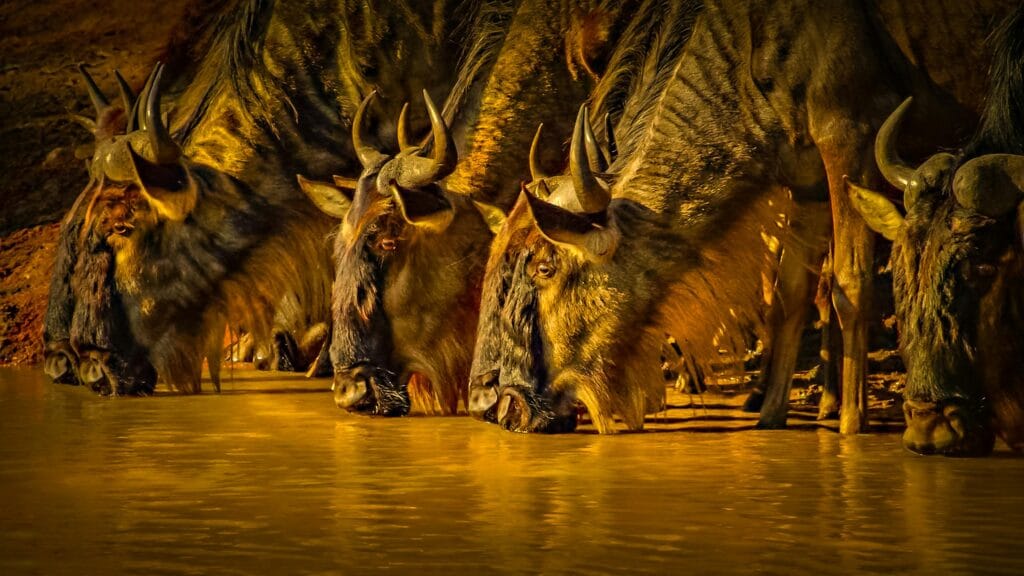
A herd of wildebeest drinks from a watering hole at sunset, capturing the essence of African wildlife.

Perfect itinerary for the Great Migration

Experience the awe-inspiring phenomenon of the Great Migration, where millions of wildebeests, zebras, and antelopes traverse the Serengeti and Masai Mara in search of fresh grazing grounds. This itinerary ensures you’re in the right place at the right time to witness this natural spectacle. Book Now Days 1-2: Arrival in Arusha, Tanzania Start your journey in Arusha, the ideal gateway for Northern Tanzania safaris. Stay overnight in a comfortable lodge and prepare for the adventure. If time allows, visit Arusha National Park or enjoy a walking tour of the town. Days 3-4: Serengeti National Park (Southern Plains) Travel to the southern Serengeti plains, where calving season occurs from January to March. Witness thousands of newborn wildebeests and the predators that follow. Game drives focus on the rich wildlife activity in this region. Days 5-6: Serengeti National Park (Western Corridor) Between May and June, head to the Serengeti’s western corridor, where herds navigate the perilous Grumeti River. Crocodile sightings and dramatic river crossings make this period unforgettable. Days 7-8: Serengeti National Park (Northern Serengeti) In July and August, the herds move north toward the Mara River. Stay in the Kogatende area for a chance to see wildebeests brave the river’s treacherous waters, avoiding crocodiles and predators. Days 9-10: Masai Mara National Reserve, Kenya Between September and October, follow the herds into Kenya’s Masai Mara. The golden savannah teems with wildlife, offering unparalleled game viewing. Combine game drives with cultural visits to Maasai villages for a rounded experience. Days 11-12: Serengeti National Park (Return to Central Serengeti) As the migration cycles back south in November, return to the central Serengeti for superb predator activity and a chance to bid farewell to this epic journey. Optional Extensions Ngorongoro Crater: Add a day to explore this UNESCO World Heritage Site, offering a chance to see the Big Five in a stunning caldera setting. Zanzibar Beaches: Wind down on Zanzibar’s idyllic beaches, enjoying marine excursions or simply relaxing by the turquoise waters. Tips for Timing Your Trip The Great Migration is a year-round event with specific highlights: Calving Season: January to March (Southern Serengeti) River Crossings: June to October (Grumeti and Mara Rivers) Return South: November to December (Northern and Central Serengeti) Book your Great Migration adventure with Future African Safari for expertly crafted itineraries, personalized service, and unforgettable experiences. Customize your Adventure Kilimanjaro 3 tours Safari 9 tours Zanzibar 3 tours

Perfect itinerary for the Great Migration Read More »

massai, people, tanzania

Tanzania’s Cultural Impact on the Safari Experience

Tanzania is world-famous for its spectacular wildlife and breathtaking landscapes, but what truly sets it apart is the deep cultural connection that enriches every safari adventure. The country’s vibrant traditions, diverse communities, and rich heritage create a uniquely immersive experience that goes beyond the savannah. Here’s how Tanzania’s culture leaves an indelible mark on your safari journey. Book Now 1. The Influence of Indigenous Tribes Tanzania is home to over 120 ethnic groups, each contributing its own traditions and perspectives to the safari experience. The Maasai: Known for their striking red attire and pastoral lifestyle, the Maasai people often welcome safari visitors into their villages, offering insights into their way of life. From their traditional dances to their mastery of livestock herding, the Maasai embody a strong connection to the land and its wildlife. The Hadzabe: Living near Lake Eyasi, this hunter-gatherer community showcases ancient survival skills. Joining the Hadzabe on a foraging or hunting excursion is a fascinating step back in time. 2. Local Wisdom in Wildlife Conservation Many of Tanzania’s indigenous communities have coexisted with wildlife for centuries, practicing sustainable living long before modern conservation efforts. Their knowledge is invaluable in maintaining the delicate balance between humans and nature. Community-Based Tourism: Initiatives such as those in the Ngorongoro Conservation Area highlight how local communities play an active role in protecting wildlife while benefiting from tourism revenue. Eco-Cultural Safaris: These experiences combine wildlife viewing with cultural immersion, demonstrating how the two are intrinsically linked. 3. Culinary Adventures on Safari Tanzania’s cuisine adds a flavorful dimension to your safari. Inspired by its diverse cultures and coastal influences, Tanzanian dishes provide a delicious exploration of the country’s heritage. Local Dishes: Enjoy meals like nyama choma (grilled meat), ugali (maize flour porridge), and pilau (spiced rice) at safari lodges or nearby villages. Cultural Cooking Classes: Many safari packages include opportunities to learn traditional recipes, giving you a taste of local hospitality. 4. Traditional Arts and Crafts The artistry of Tanzania’s local craftspeople is evident in the handmade souvenirs that tell stories of culture and heritage. Beadwork and Jewelry: Maasai women create intricate bead designs symbolizing identity and status. Wood Carvings: Makonde sculptures, often depicting family or spiritual themes, are masterpieces of Tanzanian craftsmanship. Tinga Tinga Art: This unique painting style, bursting with color and whimsy, is a cultural hallmark. These crafts are often sold in local markets or at cultural centers, allowing travelers to support artisans directly. 5. Cultural Celebrations and Performances Tanzanian music, dance, and storytelling bring its cultural essence to life during your safari. Traditional Dances: Many lodges host cultural evenings where local communities perform dances that celebrate everything from harvests to weddings. Music and Instruments: Experience the rhythms of the ngoma drum or the melodies of the zeze, instruments deeply rooted in Tanzanian traditions. Storytelling: Around the campfire, listen to tales of the land, its people, and the animals that inspire Tanzanian folklore. 6. Ethical Safari Tourism: Respecting Culture While enjoying Tanzania’s cultural richness, it’s important to approach experiences respectfully: Engage Authentically: Take time to learn about the history and significance of the traditions you encounter. Support Locals: Choose tours and lodges that prioritize community involvement and fair compensation. Embrace Differences: Be open to experiencing a way of life different from your own. Why Tanzania’s Culture Enhances Your Safari A Tanzanian safari is more than just an opportunity to witness incredible wildlife—it’s a chance to connect with the people who have shaped the land for generations. The fusion of culture and nature creates a holistic experience, offering deeper insights into the intricate bond between humanity and the wild. Plan a Culturally Enriched Safari with Future African Safari At Future African Safari, we design itineraries that celebrate both the natural and cultural treasures of Tanzania. From visiting traditional villages to exploring the roots of local art and cuisine, our safaris offer a complete and meaningful journey. Let us help you experience the cultural heartbeat of Tanzania. Contact us today to start planning your adventure! Customize your Adventure Kilimanjaro 3 tours Safari 9 tours Zanzibar 3 tours

Tanzania’s Cultural Impact on the Safari Experience Read More »

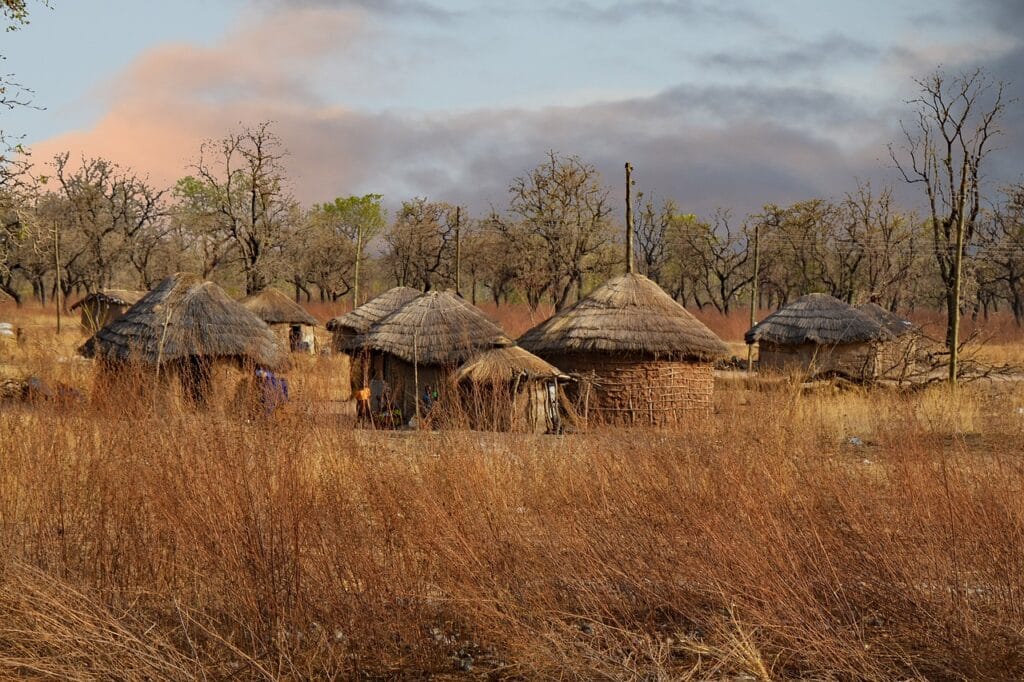
ghana, west africa, africa

Guide to Visiting Traditional Villages in Tanzania: An Immersive Cultural Journey

Tanzania’s traditional villages offer a unique glimpse into the daily lives, customs, and heritage of its diverse communities. Visiting these villages is an enriching experience that goes beyond the typical safari, allowing travelers to connect with the people who call this beautiful country home. Here’s your guide to making the most of your visit while ensuring respect and cultural sensitivity. Book Now 1. Why Visit Traditional Villages? Traditional villages are living museums of Tanzanian culture. They offer: Authentic Experiences: Witness rituals, music, and crafts passed down through generations. Cultural Exchange: Engage with locals, learn their traditions, and share your own stories. Support for Communities: Tourism provides financial support for education, healthcare, and community development. 2. Must-Visit Villages in Tanzania Mto wa Mbu Village: Located near Lake Manyara, this bustling village is a melting pot of over 120 ethnic groups. What to Do: Enjoy guided tours, try local banana beer, and explore vibrant markets. Highlight: Participate in a cooking class to learn how to prepare authentic Tanzanian dishes. Ngorongoro Maasai Villages: Experience the pastoral lifestyle of the Maasai people in the Ngorongoro Highlands. What to Do: Witness traditional dances, learn about livestock practices, and explore their iconic bomas (homesteads). Highlight: Discover the significance of beadwork and its role in Maasai culture. Lake Eyasi Villages: Home to the Hadzabe hunter-gatherers and the Datoga blacksmiths. What to Do: Join the Hadzabe on a hunting trip and watch Datoga artisans forge tools from metal. Highlight: Learn ancient survival skills and listen to captivating oral traditions. Iraqw Villages in Karatu: The Iraqw people are known for their agricultural expertise and distinctive architecture. What to Do: Visit underground homes and participate in farming activities. Highlight: Hear the fascinating history of the Iraqw’s migration and settlement in Tanzania. 3. Tips for a Respectful Visit Dress Modestly: Wear clothing that covers your shoulders and knees as a sign of respect. Learn a Few Words in Swahili: Greetings like “Jambo” (hello) and “Asante” (thank you) go a long way in building rapport. Ask Before Taking Photos: Always seek permission before photographing people, homes, or rituals. Be Open-Minded: Embrace the differences and be curious about their way of life. 4. Activities to Experience in Traditional Villages Craft Workshops: Learn how to make Maasai beadwork, Datoga jewelry, or handwoven baskets. Cooking Classes: Discover the secrets behind dishes like ugali, nyama choma, and spiced curries. Storytelling Evenings: Sit around a fire and listen to tales passed down through generations. Cultural Performances: Enjoy traditional dances and songs that tell stories of love, war, and celebration. 5. Supporting Local Communities Through Your Visit Visiting traditional villages is a way to contribute positively to local communities: Buy Local Crafts: Purchase souvenirs directly from artisans to support their livelihoods. Choose Ethical Tours: Work with operators like Future African Safari that prioritize fair compensation for communities. Respect Traditions: Engage respectfully and honor the cultural significance of what you witness. Why It Matters Traditional villages are the heartbeat of Tanzania’s cultural identity. By visiting and supporting these communities, you help preserve their way of life and foster a deeper understanding of Tanzania’s diverse heritage. Explore Traditional Villages with Future African Safari At Future African Safari, we believe in creating journeys that celebrate Tanzania’s cultural richness. Our carefully curated village tours provide authentic, respectful, and enriching experiences that go beyond the surface. Ready to embark on a cultural adventure? Contact us today to plan your visit to Tanzania’s traditional villages! Customize your Adventure Kilimanjaro 3 tours Safari 9 tours Zanzibar 3 tours

Guide to Visiting Traditional Villages in Tanzania: An Immersive Cultural Journey Read More »

A vintage compass and navigation instrument on an old map, showcasing precision tools for exploration.

Exploring Africa’s Eastern Circuit

The Eastern Circuit is a lesser-explored gem in Africa’s safari offerings, known for its unique blend of wildlife, landscapes, and cultural heritage. Stretching across Tanzania, Kenya, and parts of Uganda, the region promises exceptional safari experiences. Book Now Key Destinations in the Eastern Circuit 1. Saadani National Park, TanzaniaThe only park in East Africa where the bush meets the beach, Saadani offers a rare combination of wildlife and coastal serenity. Enjoy game drives to spot elephants, lions, and antelopes, and take a boat safari along the Wami River to see crocodiles and hippos. Relax on unspoiled beaches after a day of exploration. 2. Tsavo National Parks, KenyaTsavo East and Tsavo West combine to form one of the largest national parks in the world. Famous for its red-dust elephants, dramatic landscapes, and Mzima Springs, Tsavo offers excellent wildlife sightings and is ideal for self-drive safaris. 3. Amboseli National Park, KenyaSet against the backdrop of Mount Kilimanjaro, Amboseli is known for its large elephant herds and stunning photographic opportunities. The park’s open plains also host cheetahs, giraffes, and various bird species. 4. Tana River Primate Reserve, KenyaA hidden treasure for primate lovers, this reserve is home to rare species such as the Tana River red colobus and mangabey monkeys. Walking safaris allow for up-close encounters in this biodiverse area. 5. Mafia Island Marine Park, TanzaniaPart of Tanzania’s Eastern Circuit, Mafia Island offers unparalleled marine biodiversity. Dive or snorkel in its protected coral reefs to spot whale sharks, turtles, and vibrant tropical fish. Unique Activities in the Eastern Circuit Boat Safaris: Rivers like the Wami and Tana provide an alternative way to explore wildlife in their natural habitats. Beach-Wildlife Combo: Saadani and Mafia Island blend the thrill of game viewing with relaxing beach experiences. Cultural Immersion: Visit local communities to learn about Swahili culture, traditional fishing practices, and village life. Adventure Options: Try kite surfing along the coast or trekking around Mount Kilimanjaro’s foothills. Ideal Itineraries for the Eastern Circuit Wildlife and Marine Experience: Combine Saadani National Park with Mafia Island for a mix of land and sea adventures. Classic Kenya Adventure: Explore Amboseli and Tsavo for a diverse safari through Kenya’s iconic landscapes. Tailored Multi-Destination Trips: Combine the Eastern Circuit’s offerings with extensions to Uganda for gorilla tracking or to the Northern Circuit of Tanzania for a broader experience. Future African Safari offers customized tours through Africa’s Eastern Circuit, ensuring an authentic and enriching adventure tailored to your interests. Customize your Adventure Kilimanjaro 3 tours Safari 9 tours Zanzibar 3 tours

Exploring Africa’s Eastern Circuit Read More »

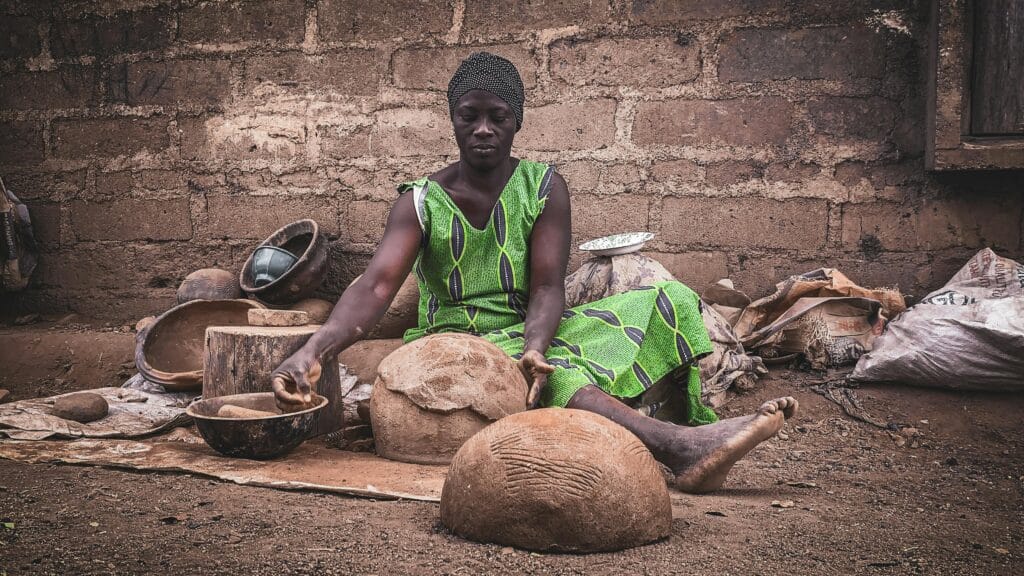
Serious barefooted adult African woman in rustic authentic dress and turban sitting on ground near shabby wall and creating traditional handicraft earthenware

Supporting Local Tanzanian Artisans: Empowering Communities Through Craft

Tanzania’s vibrant artisan scene is a cornerstone of its cultural identity, with each piece of craftsmanship telling a story of tradition, heritage, and community. From intricately beaded jewelry to hand-carved sculptures, supporting local artisans not only helps preserve these rich traditions but also empowers communities economically and socially. Here’s how you can play a part in uplifting Tanzanian artisans during your safari adventure. Book Now 1. Discover the Art of Beadwork The Maasai are renowned for their colorful beadwork, an art form passed down through generations. Each piece—whether a necklace, bracelet, or decorative item—carries cultural significance. Where to Shop: Visit Maasai villages near the Serengeti or Ngorongoro. Many lodges also feature boutiques showcasing these crafts. Why It Matters: Purchasing Maasai beadwork directly from artisans ensures fair compensation and helps sustain their cultural practices. 2. Explore Makonde Wood Carvings The Makonde people, based in southern Tanzania, are celebrated for their intricate ebony wood sculptures. These carvings often depict themes of family, spirituality, and daily life, with the iconic “Tree of Life” being a standout. Where to Find: Art galleries in Dar es Salaam, local markets, or Makonde villages in the Mtwara region. Why It Matters: Supporting Makonde artisans helps preserve this unique art form, which is increasingly threatened by the demand for mass-produced souvenirs. 3. Appreciate Tinga Tinga Paintings Originating in Tanzania, Tinga Tinga art is a bold and colorful painting style inspired by nature and daily life. Its whimsical designs make it a favorite among visitors. Where to Buy: Tinga Tinga Art Cooperative Society in Dar es Salaam, or markets in Arusha and Zanzibar. Why It Matters: By purchasing authentic Tinga Tinga art, you help sustain the artists’ livelihoods and the cooperative initiatives that support them. 4. Invest in Handwoven Baskets and Textiles Tanzanian artisans create stunning baskets, mats, and fabrics using natural materials like sisal and cotton. These items are not only functional but also a reflection of the country’s diverse cultural influences. Where to Find: Local markets such as Mwenge in Dar es Salaam or Mto wa Mbu near Lake Manyara. Why It Matters: Buying handwoven items encourages sustainable practices and provides artisans, especially women, with a reliable income source. 5. Engage with Artisans Directly Interacting with artisans offers a deeper appreciation for their craft. Many safari tours include visits to artisan workshops or cultural villages where you can see the creation process firsthand. What to Expect: Live demonstrations of beadwork, carving, or weaving. Opportunities to try crafting your own souvenir. Stories about the cultural and historical significance of their work. 6. Ethical Ways to Support Tanzanian Artisans Buy Local: Choose authentic, handmade items over mass-produced alternatives. Fair Trade Practices: Support initiatives that prioritize fair wages and ethical sourcing. Spread the Word: Share your discoveries with friends and family to promote Tanzanian craftsmanship globally. Why Supporting Local Artisans Matters Artisans play a vital role in Tanzania’s cultural and economic landscape. By purchasing their work, you contribute to: Cultural Preservation: Ensuring that traditional skills and stories are passed down through generations. Community Development: Supporting local economies and funding education, healthcare, and infrastructure. Sustainable Tourism: Encouraging environmentally friendly practices in crafting and production. Experience Tanzanian Craftsmanship with Future African Safari At Future African Safari, we believe in connecting travelers with the heart of Tanzania’s culture. Our tours include curated experiences that highlight the talents of local artisans, from bustling markets to peaceful workshops. Ready to bring home a piece of Tanzania’s soul? Contact us today to plan your artisan-focused safari adventure! Customize your Adventure Kilimanjaro 3 tours Safari 9 tours Zanzibar 3 tours

Supporting Local Tanzanian Artisans: Empowering Communities Through Craft Read More »

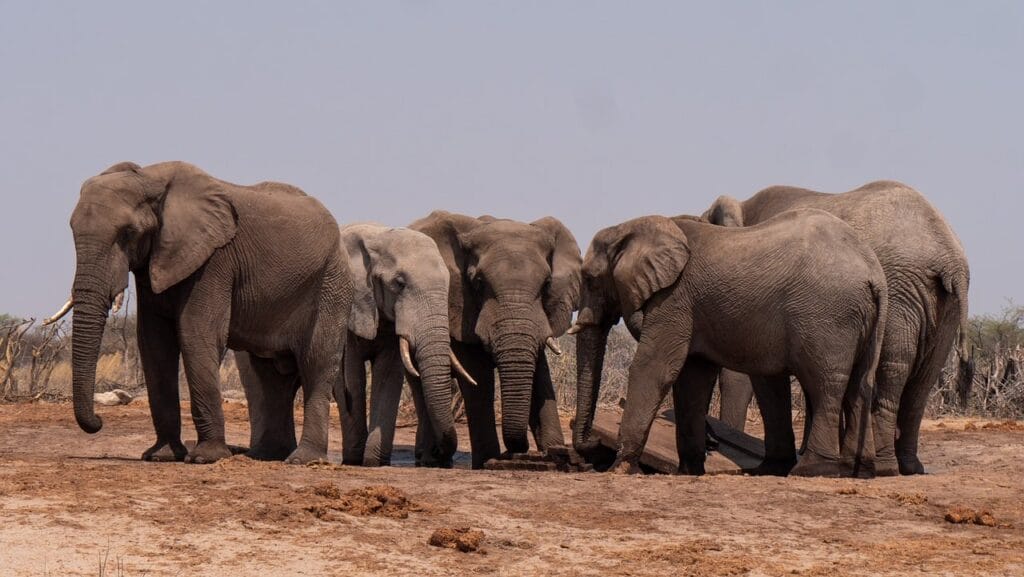
elephant, herd, animals

14-day African safari itinerary

A two-week African safari adventure offers the perfect balance of wildlife exploration, cultural immersion, and relaxation. This sample itinerary spans iconic destinations in Tanzania and Kenya, showcasing the best of East Africa’s safari circuit. Book Now Days 1-2: Arrival in Arusha, Tanzania Start your journey in Arusha, the gateway to Tanzania’s safari circuit. Explore local attractions such as Arusha National Park or relax at your lodge, preparing for the adventure ahead. Days 3-4: Tarangire National Park, Tanzania Head to Tarangire, known for its large elephant herds and iconic baobab trees. Enjoy game drives to spot lions, leopards, and migratory wildlife. The park’s quieter ambiance provides an intimate safari experience. Days 5-6: Ngorongoro Crater, Tanzania Descend into the Ngorongoro Crater, a UNESCO World Heritage Site teeming with wildlife. The crater floor offers a chance to see the Big Five, including elusive rhinos, alongside flamingos and zebras. Days 7-8: Serengeti National Park, Tanzania Continue to the Serengeti for two days of thrilling wildlife encounters. Depending on the season, you might witness the Great Migration or catch predators in action during game drives. Days 9-10: Masai Mara National Reserve, Kenya Cross into Kenya to explore the Masai Mara. Renowned for its lion prides, cheetahs, and open plains, the Mara complements the Serengeti beautifully. Visit a Maasai village for cultural insights. Days 11-12: Amboseli National Park, Kenya Travel to Amboseli, famous for its elephant herds and stunning views of Mount Kilimanjaro. Early morning game drives provide spectacular photographic opportunities. Days 13-14: Nairobi, Kenya Conclude your safari with a journey to Nairobi. Explore attractions like the Giraffe Centre or Karen Blixen Museum before departing for home. Additional Highlights Cultural Experiences: Include visits to local villages or spice farms for a deeper connection to East African culture. Optional Extensions: Add a few days on Zanzibar’s pristine beaches for relaxation or marine activities. Tailored Travel: Future African Safari can customize this itinerary to suit your interests and travel preferences. Book with Future African Safari for a seamless 14-day safari, blending Tanzania and Kenya’s unparalleled wilderness and cultural heritage. Customize your Adventure Kilimanjaro 3 tours Safari 9 tours Zanzibar 3 tours

14-day African safari itinerary Read More »

Group of African children in a Tanzanian village using a laptop outdoors, engaged in learning.

Connecting with Indigenous Communities in Tanzania: A Journey of Cultural Discovery

Tanzania is home to a rich tapestry of indigenous communities, each with its own unique traditions, languages, and ways of life. Beyond the breathtaking wildlife, a visit to Tanzania offers a rare opportunity to connect with these communities, learn their stories, and experience their culture firsthand. Here’s how you can respectfully engage with Tanzania’s indigenous peoples while fostering meaningful connections. Book Now 1. Meet the Maasai: Guardians of the Savannah The Maasai, known for their vibrant attire and iconic beadwork, are one of Tanzania’s most recognized tribes. Where to Connect: Visit villages in the Ngorongoro Conservation Area or around the Serengeti. Many cultural tours include guided walks with Maasai warriors. What to Experience: Participate in a traditional jumping dance (Adumu). Learn about Maasai livestock practices and their deep connection to the land. Explore their intricate beadwork, often symbolizing age, status, and events. 2. Discover the Hadzabe: The Last Hunter-Gatherers The Hadzabe people, residing near Lake Eyasi, are one of the world’s few remaining hunter-gatherer communities. Where to Connect: Lake Eyasi, on the edge of the Ngorongoro Highlands. What to Experience: Join the Hadzabe on a hunting expedition and witness their extraordinary tracking skills. Learn how they forage for wild fruits and use natural remedies from the bush. Hear traditional songs around a campfire, offering a glimpse into their rich oral history. 3. Engage with the Datoga: Masters of Metalwork The Datoga, neighbors of the Hadzabe, are skilled blacksmiths who craft tools and jewelry from scrap metal. Where to Connect: Near Lake Eyasi, often visited alongside Hadzabe excursions. What to Experience: Watch artisans forge tools using traditional methods. Purchase handmade knives, bracelets, and other unique items as keepsakes. Learn about Datoga agricultural practices and their intricate bead-adorned clothing. 4. Explore the Iraqw Culture: Farmers of the Highlands The Iraqw people, settled in the Karatu region, are known for their agricultural expertise and unique architecture. Where to Connect: Karatu, en route to the Ngorongoro Crater. What to Experience: Visit Iraqw homesteads with their distinctive underground homes designed for safety and cool temperatures. Engage in storytelling sessions to learn about their history and myths. Participate in farming activities and discover their techniques for sustainable agriculture. 5. Visit the Chaga Community: Coffee Cultivators of Kilimanjaro The Chaga people live on the slopes of Mount Kilimanjaro and are famous for their coffee farming and banana cultivation. Where to Connect: Villages around Moshi and Kilimanjaro National Park. What to Experience: Tour a coffee plantation and learn the traditional process of coffee production, from bean to cup. Taste local dishes made from bananas, the staple crop of the Chaga. Hike through lush landscapes while hearing tales of Kilimanjaro’s sacred significance. 6. Respectful Engagement with Indigenous Communities When visiting indigenous communities, it’s essential to approach interactions with respect and curiosity: Ask Questions: Show genuine interest in their way of life and traditions. Support Local Economies: Purchase handmade crafts or pay fair fees for cultural experiences. Seek Ethical Tours: Work with operators like Future African Safari that prioritize ethical tourism and give back to the communities. Respect Their Space: Always ask for permission before taking photos and follow local customs. Why Connecting with Indigenous Communities Matters Engaging with Tanzania’s indigenous communities fosters mutual understanding and appreciation. It also supports sustainable tourism, ensuring that these communities benefit directly from your visit. Travelers leave with not just memories but a deeper sense of connection to the people and places they’ve encountered. Experience Indigenous Tanzania with Future African Safari At Future African Safari, we specialize in culturally enriching tours that go beyond the usual safari experience. Our guides are committed to facilitating meaningful interactions with Tanzania’s indigenous communities, ensuring both respect and authenticity. Ready to embark on a journey of cultural discovery? Contact us today to plan your immersive safari experience! Customize your Adventure Kilimanjaro 3 tours Safari 9 tours Zanzibar 3 tours

Connecting with Indigenous Communities in Tanzania: A Journey of Cultural Discovery Read More »

Scroll to Top