Safari

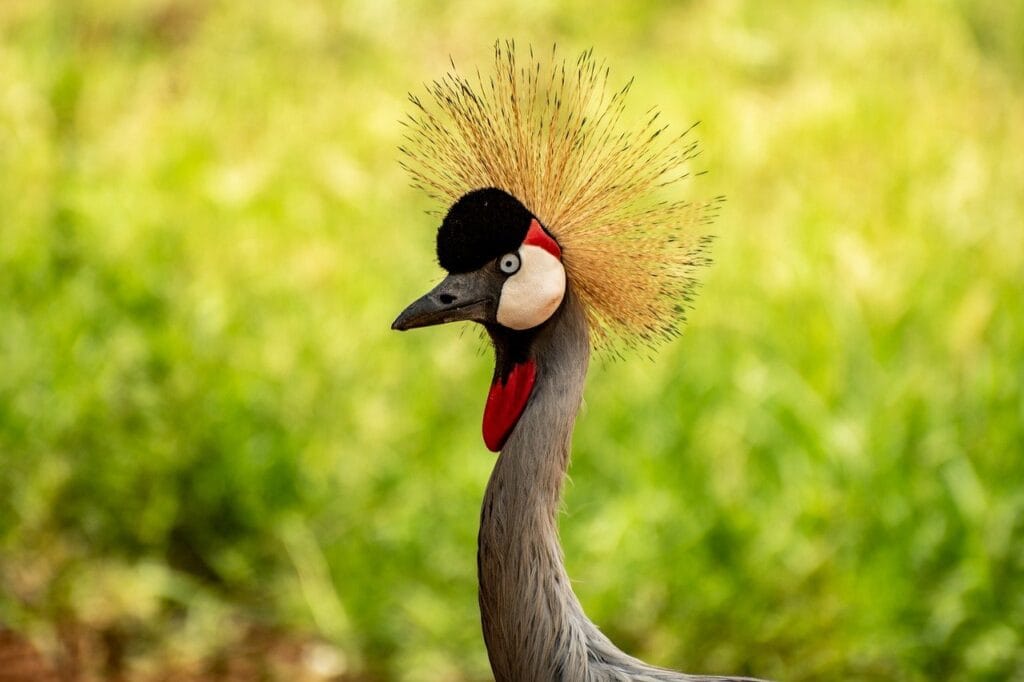
bird, crested crane, crane

How to extend your safari into Uganda

Combining a Tanzanian safari with a journey into Uganda offers an incredible opportunity to experience East Africa’s diverse landscapes and wildlife. Uganda, often called the “Pearl of Africa,” is known for its lush greenery, rich culture, and unique wildlife encounters, such as gorilla and chimpanzee tracking. Here’s how to extend your safari seamlessly. Book Now Start with Tanzania Begin your adventure in Tanzania, exploring iconic destinations like Serengeti National Park, Ngorongoro Crater, and Tarangire National Park. Witness the Big Five, the Great Migration, and breathtaking savannahs. After enjoying Tanzania’s classic safaris, head north toward Uganda for a contrasting experience. Traveling from Tanzania to Uganda Flights:Flights from Kilimanjaro International Airport or Arusha Airport connect to Entebbe International Airport in Uganda. Several regional airlines offer direct or one-stop options, making the journey straightforward. Overland Transfers:For travelers in western Tanzania, crossing overland via Rwanda into Uganda can be an adventurous option, especially if visiting Lake Victoria or the surrounding areas. Key Uganda Destinations Bwindi Impenetrable National Park Highlight: Gorilla trekking is Uganda’s most iconic activity, offering the chance to see mountain gorillas up close in their natural habitat. Details: Small guided groups trek through dense forests for an unforgettable wildlife encounter. A gorilla trekking permit is required and can be arranged in advance. Murchison Falls National Park Highlight: Witness the world’s most powerful waterfall as the Nile River squeezes through a narrow gorge. Activities: Game drives, boat cruises on the Nile, and birdwatching opportunities. Kibale Forest National Park Highlight: Known as the primate capital of the world, this park offers exceptional chimpanzee tracking experiences. Activities: Guided treks, birdwatching, and nature walks. Queen Elizabeth National Park Highlight: Diverse wildlife and unique landscapes, including the famous tree-climbing lions in the Ishasha sector. Activities: Game drives, Kazinga Channel boat safaris, and crater lake explorations. Lake Bunyonyi Highlight: A serene and scenic lake surrounded by terraced hills, perfect for relaxation after an adventurous safari. Activities: Canoeing, swimming, and cultural visits to local communities. Safari Tips for a Combined Trip Permits: Gorilla and chimpanzee trekking permits are essential for Uganda and should be booked months in advance. Packing: Add waterproof clothing, hiking boots, and insect repellent for Uganda’s rainforest terrains. Season: Both countries’ dry seasons (June to September and December to February) are ideal for wildlife viewing and trekking. Health Precautions: Ensure vaccinations and malaria prophylaxis are up to date, and carry a yellow fever vaccination card for entry into Uganda. Why Combine Tanzania and Uganda Diverse Wildlife: Experience Tanzania’s savannah predators and Uganda’s unique primates. Contrasting Landscapes: From Tanzania’s open plains to Uganda’s misty forests and mountains. Cultural Insights: Interact with the Maasai in Tanzania and Batwa pygmies in Uganda for a deeper understanding of East African traditions. Let Future African Safari plan your combined Tanzania-Uganda adventure for a truly unforgettable journey through East Africa. Customize your Adventure Kilimanjaro 3 tours Safari 9 tours Zanzibar 3 tours
How to extend your safari into Uganda Read More »

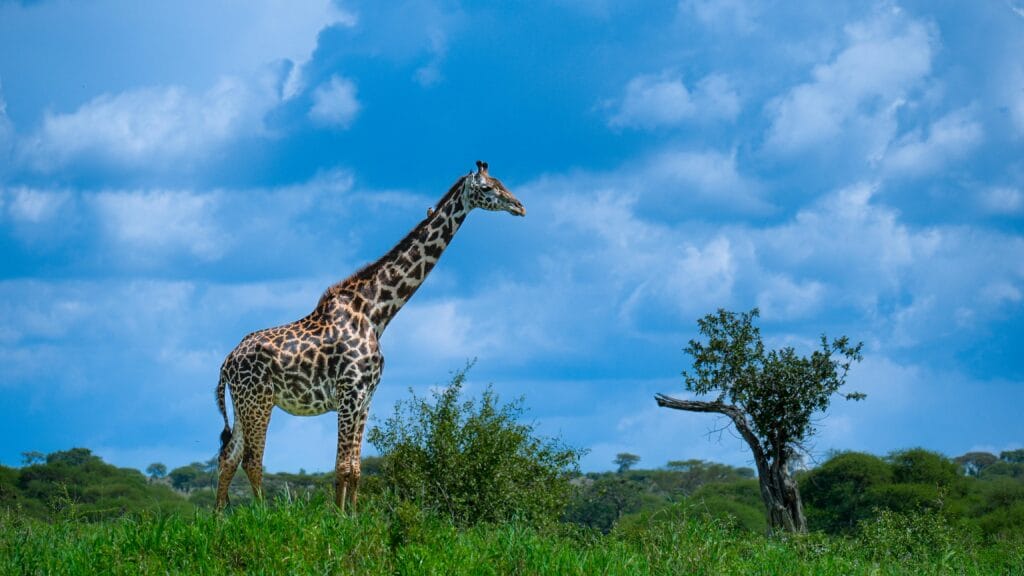
Majestic giraffe standing tall in the vibrant African savanna under a clear blue sky.

5-day Tanzania safari ideas

For travelers with limited time, a 5-day safari in Tanzania offers an unforgettable glimpse of the country’s rich wildlife, iconic landscapes, and diverse ecosystems. Here are three curated ideas for short but immersive safari experiences. Book Now Classic Northern Circuit Safari Explore Tanzania’s most famous parks on a compact itinerary that highlights the best of the Northern Circuit. Day 1: Tarangire National ParkBegin your safari in Tarangire, known for its giant baobab trees, vast elephant herds, and seasonal migration. Enjoy a game drive, spotting lions, giraffes, and birdlife along the Tarangire River. Day 2: Lake Manyara National ParkDiscover Lake Manyara’s diverse habitats, from its lush forests to the alkaline lake filled with flamingos. Look out for tree-climbing lions and playful baboons during game drives. Days 3–4: Serengeti National ParkSpend two days in the Serengeti, witnessing the endless plains teeming with wildlife. Depending on the season, you might catch the Great Migration. Expect sightings of lions, cheetahs, elephants, and countless antelope species. Day 5: Ngorongoro CraterEnd your safari at the Ngorongoro Crater, a UNESCO World Heritage Site and home to the densest concentration of animals in Africa. Enjoy a full day of wildlife viewing, including the chance to spot black rhinos. Southern Circuit Adventure For a more off-the-beaten-path experience, explore the remote and less crowded Southern Circuit. Day 1: Dar es Salaam to Selous Game ReserveFly into the Selous Game Reserve, Africa’s largest wildlife reserve. Take an afternoon boat safari along the Rufiji River, spotting hippos, crocodiles, and aquatic birds. Days 2–3: Selous Game ReserveEnjoy two days of game drives and walking safaris in this vast wilderness. Selous offers a rich diversity of wildlife, including wild dogs, elephants, lions, and over 400 bird species. Day 4: Mikumi National ParkDrive or fly to Mikumi National Park, known for its open savannahs and similarities to the Serengeti. Spot giraffes, zebras, and buffalo during a game drive. Day 5: Mikumi to Dar es SalaamTake a final morning game drive before returning to Dar es Salaam for onward travel. Tailored Safari for Families Perfect for families, this itinerary balances game viewing with cultural experiences and relaxation. Day 1: Arusha to Lake Manyara National ParkStart with a short drive to Lake Manyara, ideal for children due to its compact size and variety of wildlife. Day 2: Ngorongoro CraterDescend into the crater for an exciting game drive, where you’ll encounter a range of wildlife in a breathtaking setting. Day 3: Serengeti National ParkTravel to the Serengeti for a game drive. Enjoy kid-friendly activities like identifying animals and learning about the ecosystem. Day 4: SerengetiSpend a full day exploring the park, with opportunities to spot predators, herbivores, and birdlife. Day 5: Serengeti to ArushaFly back to Arusha, concluding your safari with a relaxed afternoon before departure. Let Future African Safari craft the perfect 5-day itinerary tailored to your preferences, ensuring a seamless and memorable Tanzanian adventure. Customize your Adventure Kilimanjaro 3 tours Safari 9 tours Zanzibar 3 tours
5-day Tanzania safari ideas Read More »

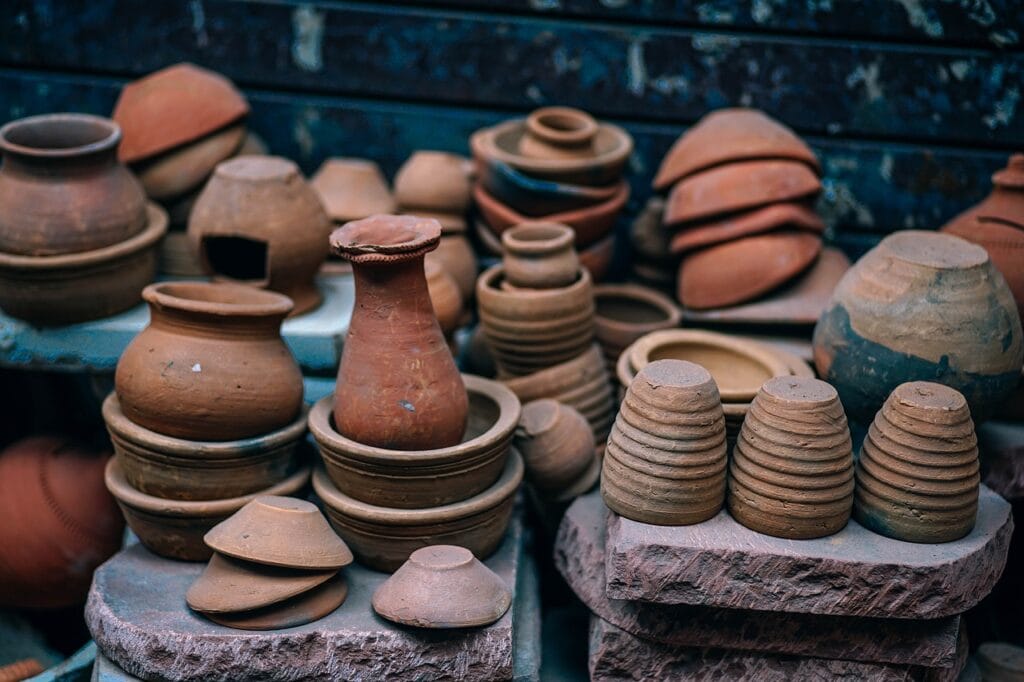
ancient, pottery, pots

Experiencing Tanzania’s Art and Culture: A Journey Beyond the Safari

Tanzania is a treasure trove of art and culture, offering visitors a chance to connect with the soul of its people. Beyond its iconic wildlife and landscapes, the country boasts a vibrant cultural scene rich in history, creativity, and traditions. From intricate crafts to traditional dances, here’s how you can immerse yourself in Tanzania’s artistic and cultural heritage. Book Now 1. The Art of Storytelling Through Crafts Tanzania’s crafts are more than souvenirs; they’re expressions of culture and history. Each item tells a unique story, whether it’s a piece of Maasai beadwork or a Makonde wood carving. Maasai Beadwork: Known for their intricate patterns and vibrant colors, Maasai jewelry reflects the tribe’s social and cultural identity. Visitors can watch artisans at work or participate in bead-making workshops. Makonde Sculptures: The Makonde people of southern Tanzania are renowned for their ebony wood carvings, often depicting spiritual themes or daily life. Look for the iconic “Tree of Life” sculptures, symbolizing family and interconnectedness. Tinga Tinga Paintings: Originating in Dar es Salaam, this art style is characterized by bold colors and whimsical depictions of animals and daily life. 2. Traditional Music and Dance Music and dance are central to Tanzanian culture, serving as a means of storytelling, celebration, and spiritual expression. Ngoma Drumming: Experience the rhythmic beats of Ngoma, a traditional drumming style often accompanied by lively dances. Ngoma performances are common at cultural festivals and community events. Maasai Adumu Dance: Witness the famous jumping dance, performed by Maasai warriors as a display of strength and unity. Visitors are often invited to join in, creating a memorable cultural exchange. Zaramo Dances: These dances from coastal Tanzania incorporate intricate movements and vibrant costumes, showcasing Swahili influences. 3. Visiting Cultural Villages Cultural villages offer immersive experiences where travelers can interact with local communities and learn about their traditions. Mto wa Mbu Village: Located near Lake Manyara, this village provides a glimpse into the lives of Tanzania’s diverse ethnic groups. Try banana beer, visit local markets, and engage with artisans. Engaruka Village: Situated in the Great Rift Valley, this Maasai village showcases traditional agriculture and offers insights into the tribe’s way of life. Lake Eyasi and the Hadzabe Tribe: Meet one of Tanzania’s last remaining hunter-gatherer tribes, the Hadzabe, and learn about their unique customs and survival techniques. 4. Festivals and Celebrations Tanzania hosts a variety of festivals that highlight its rich cultural heritage. Sauti za Busara: Held annually in Zanzibar, this music festival celebrates African rhythms and attracts performers from across the continent. Mwaka Kogwa: A traditional Shirazi New Year festival in Zanzibar, featuring rituals, music, and dance. Karibu/KiliFair: A tourism and cultural event in Arusha, showcasing local art, crafts, and performances. 5. Exploring Historical Sites Tanzania’s history comes alive through its art and architecture. Stone Town, Zanzibar: A UNESCO World Heritage Site, this Swahili trading hub is filled with intricately carved doors, bustling markets, and art galleries. Bagamoyo: Once a center for the East African slave trade, Bagamoyo is now a hub for contemporary art and cultural preservation. Olduvai Gorge: Known as the Cradle of Humankind, this archaeological site offers insights into early human history. 6. Culinary Arts as Culture Tanzanian cuisine is an art form in itself, blending African, Arab, and Indian influences. Cooking Classes: Learn to prepare dishes like ugali, nyama choma, and Zanzibar’s famous spiced curries. Local Markets: Explore bustling markets like Darajani in Zanzibar, where fresh produce and spices abound. Coffee Tours: Visit plantations in the Kilimanjaro region to experience the art of coffee cultivation and roasting. Why Explore Tanzania’s Art and Culture? Delving into Tanzania’s art and culture adds depth to your safari adventure. It fosters meaningful connections with the people, enriches your understanding of the region, and leaves you with unforgettable memories and stories to share. Future African Safari: Your Cultural Gateway At Future African Safari, we craft itineraries that go beyond wildlife, offering opportunities to experience Tanzania’s art and culture firsthand. From visiting artisan workshops to participating in traditional ceremonies, our tours celebrate the vibrant soul of Tanzania. Ready to discover Tanzania’s cultural treasures? Contact us today to begin your journey!   Customize your Adventure Kilimanjaro 3 tours Safari 9 tours Zanzibar 3 tours
Experiencing Tanzania’s Art and Culture: A Journey Beyond the Safari Read More »

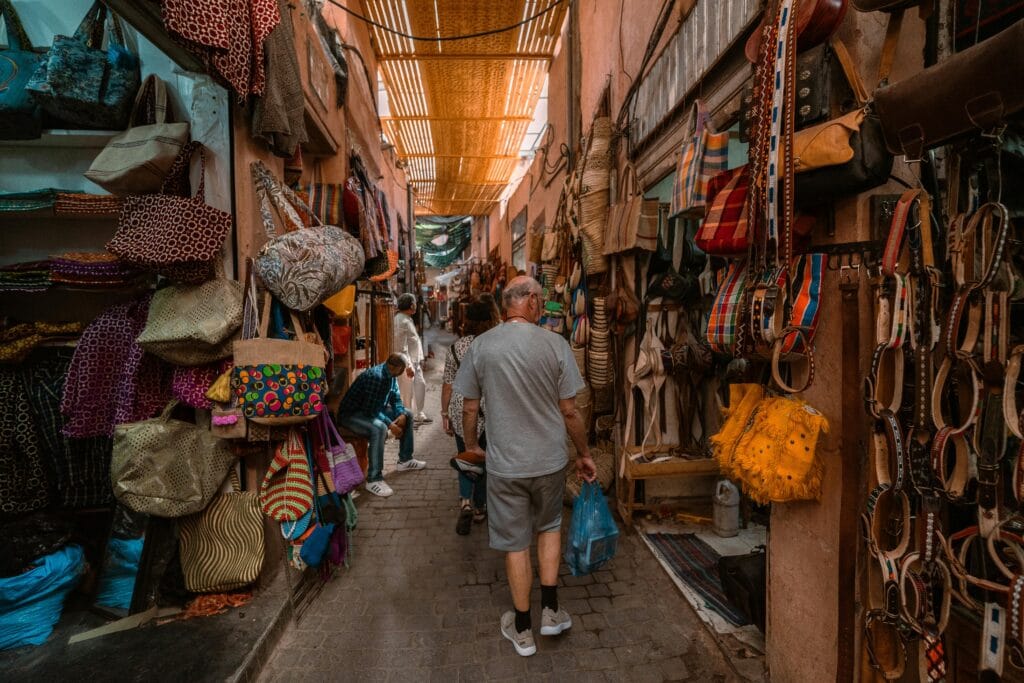
Explore the bustling souk in Marrakech with colorful textiles and local crafts on display.

How Safari Tourism Supports Local Crafts: Preserving Culture and Empowering Communities

Safari tourism in Africa isn’t just about wildlife; it also plays a significant role in uplifting local communities by supporting traditional crafts. From vibrant beadwork to intricately carved wood sculptures, local artisans create unique pieces that reflect their cultural heritage. Here’s how safari tourism fosters the growth of these crafts and helps preserve traditions for future generations. Book Now 1. Economic Opportunities for Artisans Local crafts provide an essential income source for artisans living in safari regions. Tourists are drawn to handmade items like Maasai jewelry, woven baskets, and wooden masks, creating a steady demand for these products. Job Creation: Craft-making empowers individuals, particularly women, to earn a sustainable livelihood. Fair Trade Initiatives: Many safari lodges and tour operators partner with local cooperatives to ensure artisans receive fair compensation for their work. 2. Preserving Cultural Heritage Craft-making is deeply rooted in African traditions, with each piece telling a story of the community’s history, beliefs, or environment. Safari tourism encourages artisans to continue these practices, keeping ancient skills alive. Traditional Techniques: Skills like hand-weaving, bead-making, and wood carving are passed down through generations, ensuring cultural continuity. Cultural Showcases: Many lodges and safari camps host craft workshops where travelers can see artisans at work, fostering appreciation and understanding of local cultures. 3. Encouraging Sustainable Practices Many crafts are made using locally sourced, eco-friendly materials, aligning with the principles of sustainable tourism. Recycled Materials: Artisans often repurpose discarded materials like glass or metal to create beautiful jewelry and décor. Natural Resources: Items like baskets and mats are woven from renewable plant fibers, such as sisal or palm leaves. 4. Creating Memorable Experiences for Tourists Buying a handcrafted souvenir is more than a transaction—it’s an opportunity for travelers to connect with the culture of the places they visit. Tourists gain a deeper appreciation for the artisans’ skills and take home a meaningful piece of their safari experience. Craft Markets: Local markets offer an array of authentic crafts, from textiles to pottery, allowing tourists to explore a variety of art forms. Interactive Workshops: Many safari tours include visits to artisan villages, where guests can try their hand at crafting. 5. Long-Term Community Benefits The funds generated from craft sales often extend beyond individual artisans, supporting entire communities. Community Development: Profits are reinvested in schools, healthcare, and infrastructure, improving the overall quality of life. Empowering Women: In many communities, craft-making is led by women’s groups, providing them with financial independence and a platform for leadership. Why Supporting Local Crafts Matters Every handcrafted item purchased during a safari is a contribution to the livelihoods of artisans and their families. By choosing authentic, locally made products, safari tourists help preserve cultural traditions, promote sustainability, and strengthen communities. How Future African Safari Supports Local Artisans At Future African Safari, we prioritize ethical tourism that benefits local communities. Our tours include opportunities to visit artisan cooperatives and markets, ensuring your trip leaves a positive impact on the people and cultures of Tanzania. Ready to explore the beauty of African craftsmanship? Contact us to plan a culturally enriching safari experience today! Customize your Adventure Kilimanjaro 3 tours Safari 9 tours Zanzibar 3 tours

How Safari Tourism Supports Local Crafts: Preserving Culture and Empowering Communities Read More »

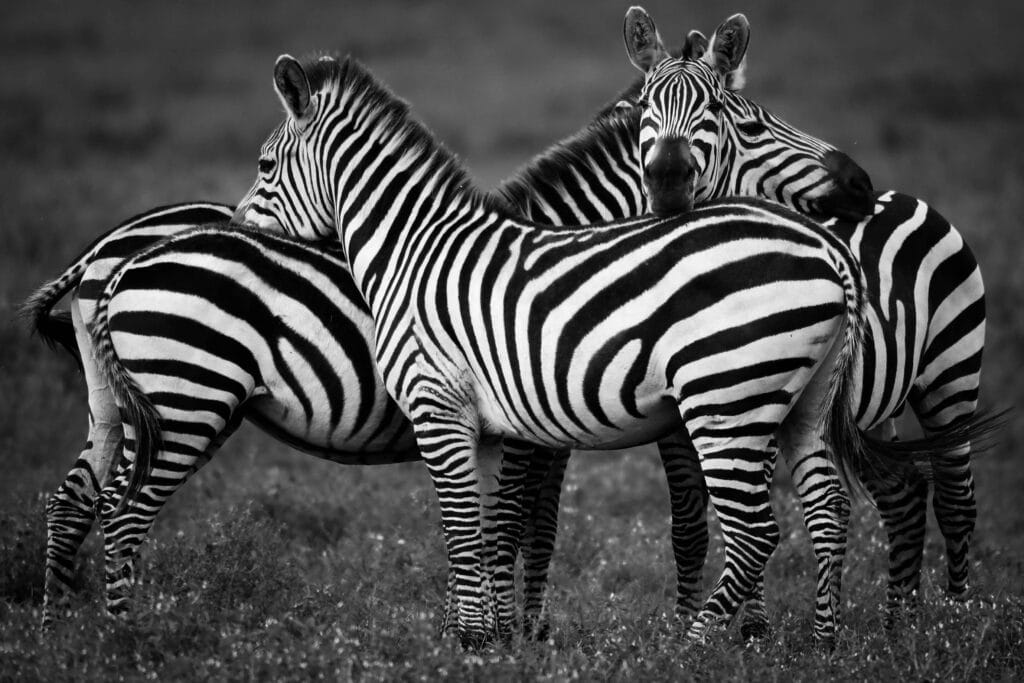
A trio of zebras standing together in a Tanzanian field, showcasing their stripes.

Sample Tanzania safari itineraries

Tanzania offers a range of safari itineraries to suit different travel preferences, durations, and budgets. From exploring world-renowned national parks to discovering lesser-known gems, here are some sample itineraries to inspire your next adventure. Book Now Short Getaway (4–5 Days) Destinations: Serengeti National Park and Ngorongoro Crater Highlights: Serengeti National Park: Iconic savannahs, abundant wildlife, and the Great Migration (seasonal). Ngorongoro Crater: The Big Five, breathtaking views, and compact wildlife viewing. Activities: Daily game drives, cultural visits to Maasai villages, and nature walks around lodge areas. Perfect For: Those with limited time but looking for a rich wildlife experience. Classic Northern Circuit Safari (7–10 Days) Destinations: Tarangire National Park, Lake Manyara National Park, Serengeti National Park, and Ngorongoro Crater Highlights: Tarangire National Park: Elephants, ancient baobab trees, and seasonal wildlife concentrations. Lake Manyara National Park: Tree-climbing lions, flamingos, and picturesque landscapes. Serengeti and Ngorongoro: Unparalleled game viewing and iconic locations. Activities: Game drives, birdwatching, cultural tours, and optional hot air balloon rides. Perfect For: Travelers seeking a comprehensive safari through Tanzania’s most famous parks. Extended Exploration (12–14 Days) Destinations: Northern Circuit parks + Selous Game Reserve and Ruaha National Park Highlights: Selous Game Reserve: Boat safaris, walking safaris, and fewer crowds. Ruaha National Park: Remote wilderness, predator sightings, and dramatic landscapes. Activities: A mix of traditional game drives, water-based safaris, and bushwalking. Perfect For: Adventurous travelers who want to blend popular attractions with off-the-beaten-path experiences. Beach and Safari Combo (7–10 Days) Destinations: Serengeti National Park and Zanzibar Highlights: Serengeti: Thrilling game drives and the possibility of witnessing the Great Migration. Zanzibar: White-sand beaches, spice farms, and cultural tours in Stone Town. Activities: Safari adventures followed by beach relaxation, snorkeling, and historical exploration. Perfect For: Honeymooners, couples, and families looking for a mix of adventure and leisure. Southern Circuit Adventure (7–10 Days) Destinations: Selous Game Reserve, Mikumi National Park, and Ruaha National Park Highlights: Selous and Mikumi: Off-the-beaten-path safaris with fewer crowds. Ruaha: Vast wilderness and diverse wildlife, including large predator populations. Activities: Boat safaris, bush camping, and classic game drives. Perfect For: Nature enthusiasts and those seeking a quieter safari experience. Tailored Family Safari (6–8 Days) Destinations: Tarangire National Park, Lake Manyara, and Serengeti Highlights: Tarangire: Family-friendly lodges with pools and nature walks. Lake Manyara: Shorter game drives and child-focused activities. Serengeti: Unforgettable wildlife sightings for all ages. Activities: Junior ranger programs, cultural visits, and manageable safaris for kids. Perfect For: Families traveling with children. Honeymoon Escape (10 Days) Destinations: Ngorongoro Crater, Serengeti, and Zanzibar Highlights: Ngorongoro: Romantic accommodations with crater views. Serengeti: Luxury lodges and optional hot air balloon rides. Zanzibar: Secluded beaches, private dinners, and spice tours. Activities: Customized game drives and intimate experiences designed for couples. Perfect For: Newlyweds seeking a unique blend of adventure and romance. Key Tips for Your Safari Best Time to Visit: June to October for wildlife viewing and December to March for calving season in the Serengeti. Customizing Itineraries: Future African Safari can tailor trips to your preferences, including special interests like photography, birdwatching, or cultural experiences. Travel Logistics: Fly into Kilimanjaro or Dar es Salaam for easy access to parks. Let Future African Safari craft the perfect itinerary for your dream Tanzanian adventure! Customize your Adventure Kilimanjaro 3 tours Safari 9 tours Zanzibar 3 tours
Sample Tanzania safari itineraries Read More »

Detailed close-up of the vibrant Kenyan flag waving with texture visible.

Combining Kenya and Tanzania in one trip

A combined Kenya and Tanzania safari offers travelers the best of East Africa, blending iconic wildlife destinations, breathtaking landscapes, and vibrant cultures. With a carefully planned itinerary, you can experience the Great Migration, the Big Five, and cultural interactions all in one trip. Below is a suggested route that balances adventure and relaxation. Book Now Days 1–3: Arrival and Masai Mara, Kenya Highlights: Great Migration (seasonal), big cats, and endless savannahs. Experience: Begin your journey in Kenya’s renowned Masai Mara National Reserve. Enjoy game drives in search of lions, cheetahs, elephants, and more. If traveling during migration season, witness the dramatic river crossings. Stay in luxury lodges or tented camps for an authentic safari experience. Days 4–5: Lake Nakuru or Lake Naivasha, Kenya Highlights: Flamingos, rhinos, and lush landscapes. Experience: Visit Lake Nakuru National Park for rhino spotting and flamingo-filled lakeshores or head to Lake Naivasha for boat safaris and Crescent Island walks. Both destinations offer a refreshing break from traditional game drives. Days 6–8: Serengeti National Park, Tanzania Highlights: Iconic savannahs, Great Migration herds, and big cats. Experience: Cross into Tanzania and explore the Serengeti, one of Africa’s premier safari destinations. Spend your days on thrilling game drives and, if timing permits, witness wildebeest and zebra migrations. An optional hot air balloon safari is a must for panoramic views. Days 9–10: Ngorongoro Crater, Tanzania Highlights: The Big Five, stunning landscapes, and high wildlife density. Experience: Descend into this UNESCO-listed caldera for a unique safari experience. The crater floor offers a compact area teeming with wildlife, including lions, rhinos, and hippos. Overnight stays in lodges on the crater rim provide spectacular views. Days 11–12: Tarangire or Lake Manyara, Tanzania Highlights: Elephant herds, ancient baobab trees, and flamingos. Experience: Visit Tarangire National Park, known for its large elephant populations, or Lake Manyara National Park, famous for tree-climbing lions and pink-hued flamingos. Enjoy diverse ecosystems and tranquil game drives. Days 13–15: Zanzibar Extension (Optional) Highlights: Pristine beaches, Stone Town’s history, and spice tours. Experience: Conclude your trip with a relaxing stay on Zanzibar’s white-sand beaches. Explore Stone Town’s cultural charm or embark on a spice tour to learn about Zanzibar’s rich heritage. Key Tips for a Kenya-Tanzania Safari Travel Logistics: Use the Namanga or Isibania border crossings or take a flight between Nairobi and Arusha. Best Time to Visit: June to October offers peak wildlife viewing, including the migration. Visa and Vaccinations: Check visa requirements for both countries and ensure you have necessary vaccinations. Accommodations: Choose from luxury lodges, mid-range camps, or budget-friendly options depending on your preference. Combining Kenya and Tanzania delivers a comprehensive safari experience, showcasing the unmatched beauty and diversity of East Africa. Let Future African Safari help you design the perfect itinerary for a seamless and unforgettable journey across these two incredible destinations. Customize your Adventure Kilimanjaro 3 tours Safari 9 tours Zanzibar 3 tours

Combining Kenya and Tanzania in one trip Read More »

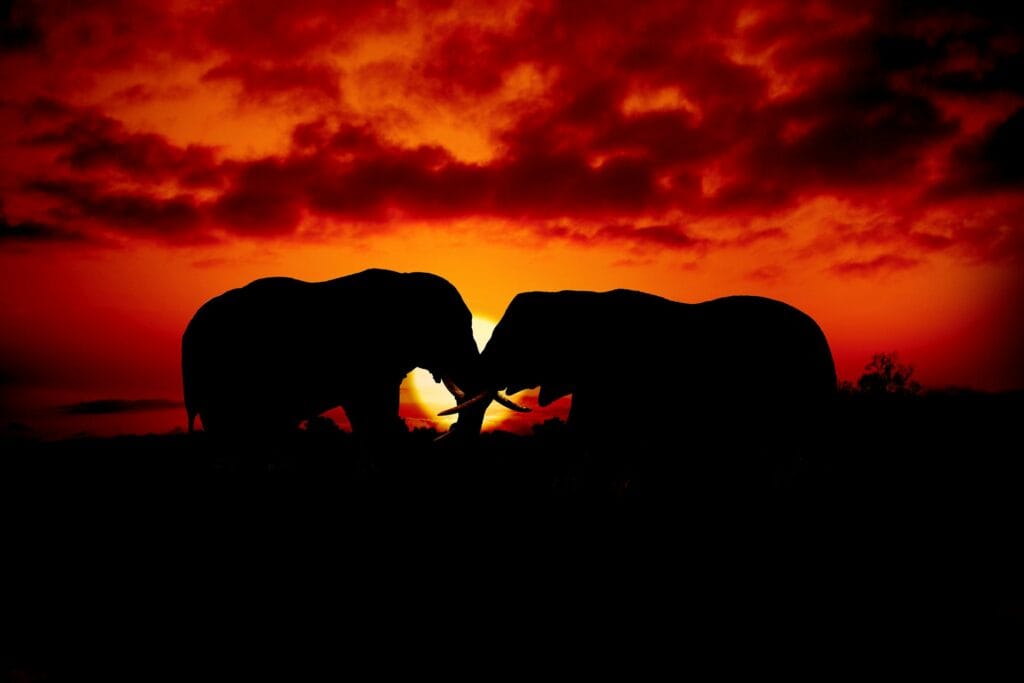
Stunning silhouette of African elephants against a vibrant sunset in Tanzania.

Two-week safari itinerary in Tanzania

A two-week safari in Tanzania allows for an immersive experience, covering the diverse landscapes, wildlife, and cultures of the country. This itinerary combines the famous Northern Circuit with lesser-visited gems and optional relaxation in Zanzibar. It’s designed to balance adventure, exploration, and leisure. Book Now Days 1–2: Arrival and Arusha National Park Highlights: Canoeing on Momella Lakes, game drives, walking safaris, and views of Mount Meru. Experience: Start your safari journey with a gentle introduction to wildlife. Arusha National Park is known for its scenic beauty, featuring giraffes, zebras, and abundant birdlife. Days 3–4: Tarangire National Park Highlights: Famous for its large elephant herds, ancient baobab trees, and diverse bird species. Experience: Enjoy full-day game drives focusing on the park’s wildlife-rich landscapes. During the dry season, the Tarangire River attracts numerous animals, offering excellent photographic opportunities. Days 5–6: Lake Manyara National Park Highlights: Flamingos, tree-climbing lions, and hot springs. Experience: Explore this compact park nestled at the base of the Great Rift Valley escarpment. Game drives showcase its unique mix of forest, grassland, and water ecosystems. Days 7–9: Serengeti National Park Highlights: The Great Wildebeest Migration, big cats, and vast savannah landscapes. Experience: Spend multiple days exploring Serengeti’s different regions, from the central Seronera area to the migration hotspots. Enjoy morning and afternoon game drives, with an optional hot air balloon safari for a bird’s-eye view of the park. Days 10–11: Ngorongoro Crater Highlights: A UNESCO World Heritage Site with a dense concentration of wildlife, including the Big Five. Experience: Descend into the crater for a full-day game drive. Witness lions, rhinos, and other species against the dramatic backdrop of this ancient volcanic caldera. Days 12–13: Lake Eyasi or Cultural Exploration Highlights: Interact with the Hadzabe and Datoga tribes, or visit local villages around Karatu. Experience: Spend these days immersing yourself in Tanzania’s cultural heritage. Learn about traditional ways of life and enjoy activities like bushwalking or hunting with the Hadzabe tribe. Day 14: Departure or Zanzibar Extension Option 1: Return to Arusha for a relaxed day before your international departure. Option 2: Extend your trip with a few days in Zanzibar to unwind on white-sand beaches and explore Stone Town. Key Tips for Your Safari Pack Wisely: Bring comfortable clothing, a good camera, binoculars, and essential travel gear. Stay Flexible: Wildlife movements are unpredictable, so keep an open mind for spontaneous changes in the itinerary. Choose Your Accommodation: Opt for luxury lodges, tented camps, or budget-friendly options based on your preferences. Book Early: Two-week safaris require meticulous planning, so secure your spots early, especially during peak seasons. A two-week itinerary offers a perfect balance of Tanzania’s iconic parks, cultural experiences, and opportunities for relaxation. With Future African Safari, you can customize this journey to suit your preferences for an unforgettable adventure. Customize your Adventure Kilimanjaro 3 tours Safari 9 tours Zanzibar 3 tours
Two-week safari itinerary in Tanzania Read More »

hourglass, time, watch

How to pick the right safari duration

Choosing the right duration for your safari is crucial to ensure you get the most out of your adventure without feeling rushed or overstaying your schedule. The ideal length depends on your interests, budget, and how much you want to explore. Here’s a guide to help you determine the perfect safari duration. Book Now 1. Short Safaris (1–3 Days) Short safaris are ideal for travelers with limited time or those seeking a quick getaway. These can often be planned around weekend trips or added as an extension to other travel plans in Tanzania. Best for: Exploring a single park, such as Tarangire, Lake Manyara, or Arusha National Park. Experiencing a snapshot of wildlife and scenic beauty. Travelers on a tight schedule or budget. Pros: Affordable and time-efficient. Perfect for first-time safari-goers or families with young children. Considerations:Short trips might feel rushed, and you may not experience the full diversity of wildlife or landscapes. 2. Medium-Length Safaris (4–7 Days) A medium-length safari is a sweet spot for most travelers. It offers enough time to visit multiple parks and experience the variety Tanzania has to offer. Best for: Exploring Northern Circuit highlights like Serengeti, Ngorongoro Crater, and Tarangire National Park. Combining game drives, cultural tours, and optional activities like hot air balloon safaris. Wildlife enthusiasts who want more time for sightings. Pros: Comprehensive experience of multiple ecosystems and wildlife. Suitable for photography and wildlife enthusiasts. Considerations:While a week is sufficient for many, it might still feel limiting if you wish to explore lesser-known parks or incorporate relaxed downtime. 3. Long Safaris (8–14+ Days) Longer safaris are perfect for travelers looking to immerse themselves fully in the Tanzanian wilderness. These trips often combine multiple regions, including the Northern and Southern Circuits or even multi-country itineraries. Best for: Serious wildlife enthusiasts and seasoned travelers. Exploring both iconic parks like Serengeti and hidden gems like Ruaha or Selous Game Reserve. Adding cultural experiences, community visits, or beach extensions in Zanzibar. Pros: In-depth exploration of Tanzania’s rich biodiversity and cultures. More opportunities for unique experiences, such as walking safaris and night drives. Considerations:Longer trips can be more expensive and may require careful planning to avoid safari fatigue. 4. Factors to Consider Wildlife Priorities: If you’re interested in specific events, such as the Great Wildebeest Migration or calving season, your trip duration should align with the best times to see them. Travel Distance: If your chosen parks are far apart, factor in travel time between destinations, which can reduce the number of game drives. Budget: Longer safaris naturally cost more due to accommodation, park fees, and additional activities. Medium-length safaris often strike the best balance for most travelers. Travel Goals: Whether you’re seeking a laid-back experience with minimal travel or an action-packed itinerary, your goals will influence how much time you need. Pace Preference: Decide if you prefer to focus on fewer destinations with more in-depth exploration or a whirlwind tour of multiple parks. Suggestions for Safari Duration 1–3 Days: Quick escapes to parks like Tarangire or Mikumi. 4–7 Days: Explore multiple parks on Tanzania’s Northern Circuit or Southern Circuit. 8–14+ Days: Combine safaris with cultural experiences, or add beach relaxation in Zanzibar or Pemba. Picking the right duration ensures you experience a fulfilling safari tailored to your interests and travel goals. With careful planning and expert guidance from companies like Future African Safari, you’ll have the adventure of a lifetime. Customize your Adventure Kilimanjaro 3 tours Safari 9 tours Zanzibar 3 tours
How to pick the right safari duration Read More »

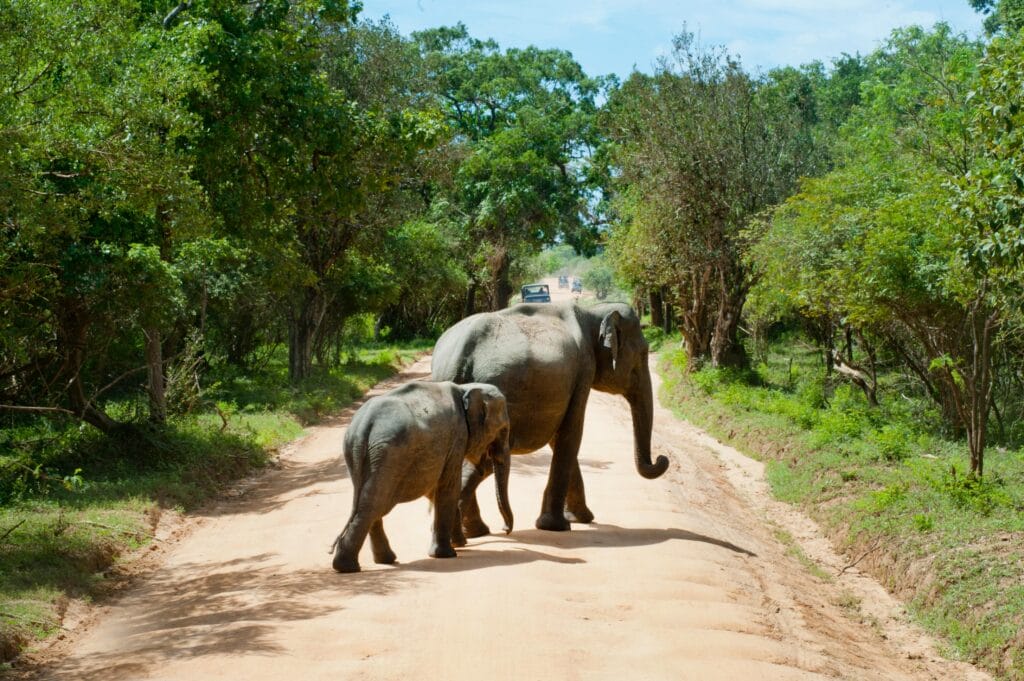
Mother and baby elephants walking on a dirt road in a lush forest in Sri Lanka, showcasing wildlife in natural habitat.

Detailed guide to Southern Circuit safari

Southern Circuit Safari Tanzania offers a raw, off-the-beaten-path wildlife experience unlike any other. Far from the crowds of Serengeti and Ngorongoro, this lesser-known route takes you into vast, untamed parks like Ruaha, Nyerere (formerly Selous), and Mikumi. It’s perfect for travelers seeking immersive safaris, fewer tourists, and authentic African wilderness Book Now 1. Ruaha National Park (3-4 Days) Ruaha National Park is one of the largest and most remote parks in Tanzania, boasting an incredibly diverse ecosystem. This park is known for its vast open savannahs, rugged mountains, and the Great Ruaha River that runs through the park, attracting a wide array of wildlife. What to expect: Wildlife: The park is a haven for predators, with lions, leopards, and cheetahs commonly spotted. It’s also a great place to see large populations of elephants, buffalo, and giraffes. Birdwatching: With over 570 bird species, including migratory species, Ruaha is a birdwatcher’s paradise. Activities: Game drives, walking safaris, and river-based safaris are available to give you a well-rounded experience. How long to stay: Spend 3-4 days exploring the park, which allows time for multiple game drives and leisurely exploration of its varied ecosystems. 2. Selous Game Reserve (3-4 Days) The Selous Game Reserve is one of the largest protected areas in Africa, offering a combination of wilderness and wildlife that is unrivaled. This UNESCO World Heritage site covers more than 50,000 square kilometers of diverse habitats, including savannahs, riverine forests, and wetlands. What to expect: Wildlife: Selous is famous for its population of African wild dogs, along with lions, elephants, buffalo, and a variety of antelope species. The Rufiji River attracts a wealth of wildlife, including hippos, crocodiles, and elephants. Activities: Enjoy boat safaris along the Rufiji River, walking safaris, and game drives. The boat safaris offer a unique perspective on wildlife, allowing you to see animals from the water. Scenic beauty: The reserve’s remote setting, coupled with its natural beauty, provides an incredible backdrop for your safari. How long to stay: 3-4 days gives you ample time to experience Selous’s diverse wildlife and landscapes, along with its unique activities. 3. Mikumi National Park (2-3 Days) Mikumi National Park is located near the town of Morogoro and is one of the most accessible parks in Tanzania’s Southern Circuit. Its proximity to Dar es Salaam makes it an excellent option for those looking to enjoy a shorter safari or a quick wildlife getaway. What to expect: Wildlife: Mikumi is home to large herds of elephants, buffalo, zebras, and giraffes. The park also offers great opportunities for seeing predators like lions, leopards, and wild dogs. Birdwatching: Mikumi is a great location for birding enthusiasts, with over 400 species of birds, including several species of raptors and waterfowl. Scenic beauty: The park’s mix of woodlands, floodplains, and the striking backdrop of the Uluguru Mountains makes for stunning safari views. How long to stay: Spend 2-3 days at Mikumi to enjoy the game drives and explore the park’s rich wildlife and landscapes. 4. Ruins of Kilwa Kisiwani and Songo Mnara (1-2 Days) If you’re interested in culture and history, a visit to Kilwa Kisiwani and Songo Mnara is a must. These ancient Swahili coastal towns were once centers of trade in East Africa and are now UNESCO World Heritage Sites. What to expect: Historical significance: The ruins date back to the 12th century and provide a fascinating insight into the history of the Swahili coast, including the influence of Arab traders. Exploration: Walk through the remains of ancient mosques, forts, and houses, all set on the picturesque islands of Kilwa Kisiwani and Songo Mnara. How long to stay: A 1-2 day excursion to these sites will allow you to delve into the rich history of the region. 5. Udzungwa Mountains National Park (2-3 Days) Located in the southern highlands, Udzungwa Mountains National Park is known for its stunning biodiversity and scenic beauty. This park is a great choice for those who enjoy hiking and exploring unique ecosystems. What to expect: Hiking and trekking: The park offers various hiking trails that take you through lush rainforests, waterfalls, and highland plateaus. The Sanje Waterfalls, one of the tallest in Tanzania, is a highlight of the park. Wildlife: The park is home to a variety of wildlife, including primates such as the endemic Udzungwa red colobus monkey, as well as elephants, buffalo, and a wealth of birdlife. Ecological variety: From tropical rainforests to alpine meadows, the park offers a diverse range of habitats to explore. How long to stay: 2-3 days is enough to explore the park’s hiking trails and experience its natural beauty. 6. Selous and Ruaha Multi-Park Safari For a comprehensive experience of the Southern Circuit, consider combining Selous Game Reserve and Ruaha National Park. This combination allows you to explore two of Tanzania’s largest and most wildlife-rich parks in one trip. What to expect: Diverse ecosystems: From the wetlands of Selous to the savannahs and woodlands of Ruaha, this combination offers a range of landscapes and ecosystems to explore. Wildlife: Both parks are home to abundant wildlife, including the Big Five, wild dogs, and countless bird species. How long to stay: Spend 7-8 days visiting both parks for a deeper safari experience that includes game drives, boat safaris, and walking safaris. Tanzania’s Southern Circuit is an excellent choice for a safari that offers both off-the-beaten-path experiences and spectacular wildlife encounters. Whether you’re exploring the remote wilderness of Ruaha and Selous, enjoying the scenic beauty of Mikumi, or immersing yourself in the cultural history of Kilwa Kisiwani, there’s no shortage of incredible places to explore. With a combination of safari experiences, hiking, and historical tours, a Southern Circuit safari is perfect for those seeking an authentic and less crowded Tanzanian adventure. Customize your Adventure Kilimanjaro 3 tours Safari 9 tours Zanzibar 3 tours

Detailed guide to Southern Circuit safari Read More »

pexels-photo-29673587-29673587.jpg

Exploring Africa’s Great Lakes on Safari: A Water-Inspired Adventure

Africa’s Great Lakes—spanning across the continent’s eastern region—offer not only breathtaking landscapes but also some of the most exciting wildlife safari opportunities. These vast bodies of water are teeming with life, from rare fish species to large mammal populations, and are surrounded by lush, vibrant ecosystems. Exploring the Great Lakes on safari offers a different dimension to the typical African adventure, blending aquatic beauty with the thrill of wildlife sightings. Here’s your guide to discovering Africa’s Great Lakes on safari. Book Now 1. Introduction to Africa’s Great Lakes The Great Lakes of Africa are a collection of large, deep lakes located in the East African Rift Valley. These lakes include: Lake Victoria – The largest lake in Africa, shared by Kenya, Uganda, and Tanzania. Lake Tanganyika – The world’s second-deepest lake, bordered by Tanzania, the Democratic Republic of the Congo (DRC), Burundi, and Rwanda. Lake Malawi – Also known as Lake Nyasa, this lake spans Malawi, Mozambique, and Tanzania. Each lake offers a distinct experience, with a unique combination of wildlife, landscapes, and cultural experiences. 2. Wildlife Around Africa’s Great Lakes While the lakes themselves provide a stunning backdrop, the surrounding habitats are home to diverse and thriving wildlife. Here’s what you can expect when exploring the Great Lakes on safari: Aquatic Life: The lakes themselves are rich in biodiversity, with a range of fish species, including the famous cichlids found in Lake Tanganyika and Lake Malawi. Crocodiles and hippos are frequently seen in the waters of these lakes, offering unique wildlife sightings from the water’s edge. Birdwatching: Flamingos can be seen in large numbers along the shores of Lake Nakuru (in Kenya) and Lake Victoria. Fish Eagles are commonly found on the shores of all three lakes, often perched on trees watching over the water. Herons, Kingfishers, and Pelicans are frequent visitors to the lakes, making them a paradise for birdwatchers. Land Mammals: Lakes like Lake Tanganyika and Lake Victoria are surrounded by national parks and reserves where you can spot a variety of terrestrial animals, including lions, giraffes, elephants, zebras, and buffaloes. Lake Malawi, with its proximity to national parks like Liwonde, is great for spotting elephants, impalas, and waterbuck. Marine Mammals: Otters are found in Lake Tanganyika, and dolphins can be spotted around Lake Malawi, where they thrive in the clear waters. 3. Best Safari Destinations Around the Great Lakes Several iconic national parks and reserves are located around Africa’s Great Lakes, offering incredible opportunities for wildlife viewing. Here’s where to go for your lake-inspired safari adventure: Lake Victoria Region (Kenya, Uganda, Tanzania) Murchison Falls National Park (Uganda): Located on the banks of the Victoria Nile, Murchison Falls is one of Uganda’s most popular parks, offering boat safaris that provide excellent views of hippos, crocodiles, and a variety of birdlife. Kagera Region (Tanzania): Along the shores of Lake Victoria, this area offers an off-the-beaten-path experience with wildlife like hippos, giraffes, and antelope. Serengeti National Park (Tanzania): While not directly on Lake Victoria, the Serengeti is near the lake and offers extraordinary wildlife experiences, especially for the Great Migration, which can be seen in the northeastern part of the park. Lake Tanganyika Region (Tanzania, DRC, Burundi, Rwanda) Gombe Stream National Park (Tanzania): This park is famous for its chimpanzee research, and its position on the shores of Lake Tanganyika offers stunning views while tracking primates. Mahale Mountains National Park (Tanzania): Known for its chimpanzee population and remote location on the shores of Lake Tanganyika, Mahale is a pristine and tranquil spot for wildlife safaris. Kahuzi-Biega National Park (DRC): Situated near Lake Tanganyika, this park is known for its mountain gorillas and offers an exciting and challenging safari for wildlife enthusiasts. Lake Malawi Region (Malawi, Mozambique, Tanzania) Liwonde National Park (Malawi): Located on the Shire River, which flows into Lake Malawi, Liwonde is home to large populations of elephants, hippos, crocodiles, and a variety of birdlife. Lake Malawi National Park (Malawi): A UNESCO World Heritage Site, this park is centered around the lake and is great for water-based safaris, snorkeling, and diving, with abundant marine life and breathtaking underwater ecosystems. Sao Tome and Principe (Mozambique): While not directly part of the lake, these islands are close to Lake Malawi and are known for their pristine beaches and unique wildlife. 4. Activities to Enjoy on a Great Lakes Safari Safari activities around the Great Lakes go beyond traditional game drives, offering a combination of water-based and land-based experiences: Boat Safaris: Many of the lakes are perfect for boat safaris. Whether it’s a guided boat ride on Lake Tanganyika to view hippos and crocodiles or a birdwatching tour on Lake Malawi, these aquatic adventures offer a different perspective on wildlife. Snorkeling and Diving: Lake Malawi is particularly known for its crystal-clear waters and abundant fish species, making it a popular spot for snorkeling and diving. Explore the underwater world of colorful cichlids and other endemic species. Chimpanzee Tracking: The Great Lakes region is home to several chimpanzee populations, especially around Lake Tanganyika (Mahale Mountains and Gombe Stream). Tracking these intelligent primates through the forest is a truly unique experience. Walking Safaris: Explore the rich ecosystems surrounding the lakes on foot. Walking safaris are a great way to engage with nature and learn about the flora and fauna. 5. Best Time to Visit the Great Lakes for Safari Dry Season (June to October): This is the best time to visit for game viewing, as animals congregate around water sources, and the foliage is less dense. The weather is sunny, making for comfortable travel and excellent visibility. Green Season (November to May): The rainy season brings lush landscapes, fewer tourists, and opportunities for birdwatching, as migratory species arrive. However, some roads may be less accessible during the peak of the rains. 6. Tips for a Great Lakes Safari Pack Light and Smart: Comfortable clothing, sunscreen, a hat, and binoculars are essential. Don’t forget a waterproof bag or camera for those boat safaris. Health Precautions: Ensure you’ve received necessary vaccinations and take malaria

Exploring Africa’s Great Lakes on Safari: A Water-Inspired Adventure Read More »

Scroll to Top