Safari

ocean, sea, rock

Wildlife Reserves Near Dar es Salaam: Nature’s Wonders Close to the City

Dar es Salaam, Tanzania’s bustling coastal metropolis, offers more than beaches and cityscapes. For travelers seeking wildlife adventures, there are several incredible reserves and parks within reach of the city. These destinations are ideal for day trips or short getaways, providing a taste of Tanzania’s famed biodiversity without requiring extensive travel. Here’s your guide to the best wildlife reserves near Dar es Salaam. Book Now 1. Selous Game Reserve (Nyerere National Park) Distance from Dar es Salaam: ~4-5 hours by road or a 45-minute flight. The Selous Game Reserve, now part of Nyerere National Park, is one of Africa’s largest and most diverse wildlife areas. Covering an expansive area of over 30,000 square kilometers, it’s renowned for its untamed beauty, diverse ecosystems, and impressive wildlife populations. What to See: Lions, elephants, hippos, crocodiles, giraffes, and large herds of buffalo. The Rufiji River, which winds through the reserve, is home to a wealth of aquatic wildlife and birds. Unique Experience: Boat safaris along the Rufiji River offer a chance to see wildlife from a unique perspective while enjoying the tranquility of the water. Best Time to Visit: June to October for dry-season wildlife viewing, though birdwatching is excellent during the wet season (November to May). 2. Saadani National Park Distance from Dar es Salaam: ~3-4 hours by road or 30 minutes by flight. Saadani National Park is unique as it’s the only wildlife park in Tanzania that borders the Indian Ocean. Here, you can witness a rare combination of beach and bush experiences, making it a standout destination near Dar es Salaam. What to See: Lions, elephants, giraffes, warthogs, and baboons roam the park, while green turtles nest along the coastline. You may also spot dolphins and whales in the ocean. Unique Experience: Relaxing on pristine beaches after a game drive or exploring the Wami River for crocodiles and hippos. Best Time to Visit: January to February and June to August for optimal wildlife viewing. 3. Mikumi National Park Distance from Dar es Salaam: ~4-5 hours by road. Mikumi National Park is often referred to as a “little Serengeti” due to its open plains teeming with wildlife. It’s one of the most accessible parks from Dar es Salaam, making it a favorite for weekend trips or quick safaris. What to See: Lions, zebras, elephants, giraffes, hippos, and wildebeest are commonly spotted. The park is also a haven for bird enthusiasts, with over 400 species recorded. Unique Experience: A guided game drive through Mikumi’s Mkata Floodplain, which is a hotspot for predator and prey interactions. Best Time to Visit: June to October for dry-season game viewing. 4. Pugu Hills Nature Reserve Distance from Dar es Salaam: ~30-40 minutes by road. For those looking for a quick escape into nature, the Pugu Hills Nature Reserve offers a serene retreat close to the city. Though it’s not a traditional safari park, it’s an excellent spot for hiking, birdwatching, and enjoying the natural landscape. What to See: Monkeys, bush babies, and various bird species, including hornbills and kingfishers. Unique Experience: Guided walks through lush forests and caves used by the Zaramo people for traditional ceremonies. Best Time to Visit: Year-round, as activities are not heavily dependent on wildlife migration. 5. Dar es Salaam Marine Reserve System Distance from Dar es Salaam: ~30-60 minutes by boat. For a completely different kind of wildlife experience, explore the Marine Reserve System, a cluster of islands just off the coast of Dar es Salaam. These reserves protect vibrant coral reefs and marine life, offering excellent opportunities for snorkeling, diving, and wildlife observation. What to See: Dolphins, sea turtles, colorful fish, and stunning coral formations. Unique Experience: Snorkeling or scuba diving in the crystal-clear waters around Bongoyo and Mbudya Islands. Best Time to Visit: Year-round, though the dry season (June to October) offers calmer seas for water activities. 6. Ruvu South Forest Reserve Distance from Dar es Salaam: ~1-2 hours by road. Ruvu South Forest Reserve is a lesser-known gem near Dar es Salaam, offering an opportunity to explore Tanzania’s unique coastal forests. This reserve is rich in biodiversity and is particularly appealing to nature lovers and birdwatchers. What to See: Rare bird species, small mammals, and a variety of plant life, including indigenous tree species. Unique Experience: Exploring dense forest trails and discovering rare plant species in a tranquil setting. Best Time to Visit: Year-round, though trails may be easier to navigate during the dry season. Planning Your Wildlife Adventure Visiting wildlife reserves near Dar es Salaam provides an excellent opportunity to combine urban exploration with nature-based adventures. Whether you’re seeking a traditional safari experience, a marine adventure, or a peaceful nature escape, there’s a destination to suit your interests. Pro Tip: Book your trips with a trusted tour operator like Future African Safari to ensure a seamless and well-organized experience. They can help you arrange transportation, accommodation, and guided tours to maximize your time in Tanzania’s wild side. Customize your Adventure Kilimanjaro 3 tours Safari 9 tours Zanzibar 3 tours

Wildlife Reserves Near Dar es Salaam: Nature’s Wonders Close to the City Read More »

balance, bar, shoes

Most popular safari activities in Tanzania

Tanzania offers an unparalleled range of safari activities that cater to all types of travelers. From thrilling game drives to cultural encounters, here are the most sought-after experiences to include in your Tanzanian safari. Book Now Game Drives in Iconic Parks What to Expect: Explore world-famous parks like the Serengeti, Ngorongoro Crater, and Tarangire in custom safari vehicles. Witness the Big Five, predators in action, and vast herds of herbivores. Highlights: The Great Migration in the Serengeti, lion prides in Ngorongoro, and elephant herds in Tarangire. Hot Air Balloon Safaris What to Expect: Float above the Serengeti at sunrise, enjoying a bird’s-eye view of the plains and wildlife below. Highlights: A unique perspective of the Great Migration, panoramic vistas, and a champagne breakfast after landing. Walking Safaris What to Expect: Explore on foot in areas like Selous Game Reserve and Ruaha National Park, guided by experienced rangers. Highlights: Up-close encounters with nature, learning about tracks and smaller fauna, and a deeper connection with the wilderness. Night Game Drives What to Expect: Discover the nocturnal world of predators and prey in parks like Tarangire and private reserves. Highlights: Spotting elusive species like leopards, hyenas, and bush babies under the cover of darkness. Cultural Tours What to Expect: Visit Maasai villages, Hadzabe hunter-gatherer communities, and other tribes to learn about their traditions and way of life. Highlights: Participating in dances, exploring traditional huts, and experiencing local hospitality. Birdwatching Safaris What to Expect: Ideal for bird enthusiasts, Tanzania’s parks and wetlands host over 1,000 bird species, including flamingos, fish eagles, and bee-eaters. Highlights: Lake Manyara’s pink-hued flamingos and Tarangire’s diverse bird population. Boat Safaris What to Expect: Glide along rivers in Selous or Lake Tanganyika to view hippos, crocodiles, and aquatic birdlife. Highlights: Unique water-based wildlife encounters and serene landscapes. Photography Safaris What to Expect: Capture stunning landscapes and wildlife moments with professional guides who know the best spots and lighting. Highlights: Early morning and sunset drives designed for perfect shots of the African wilderness. Luxury Bush Dining What to Expect: Indulge in gourmet meals under the African sky, surrounded by the sounds of nature. Highlights: Private dining setups in the Serengeti or Ngorongoro with a touch of romance and exclusivity. Conservation Activities What to Expect: Learn about conservation efforts, visit wildlife sanctuaries, or participate in anti-poaching programs. Highlights: Rhino tracking initiatives and visits to local community projects supporting wildlife preservation. Whether you’re an adventure seeker, a nature lover, or a cultural enthusiast, Tanzania’s safari activities promise unforgettable memories. Future African Safari is your trusted partner in tailoring experiences that align with your interests, ensuring every moment is as enriching as it is exciting. Customize your Adventure Kilimanjaro 3 tours Safari 9 tours Zanzibar 3 tours

Most popular safari activities in Tanzania Read More »

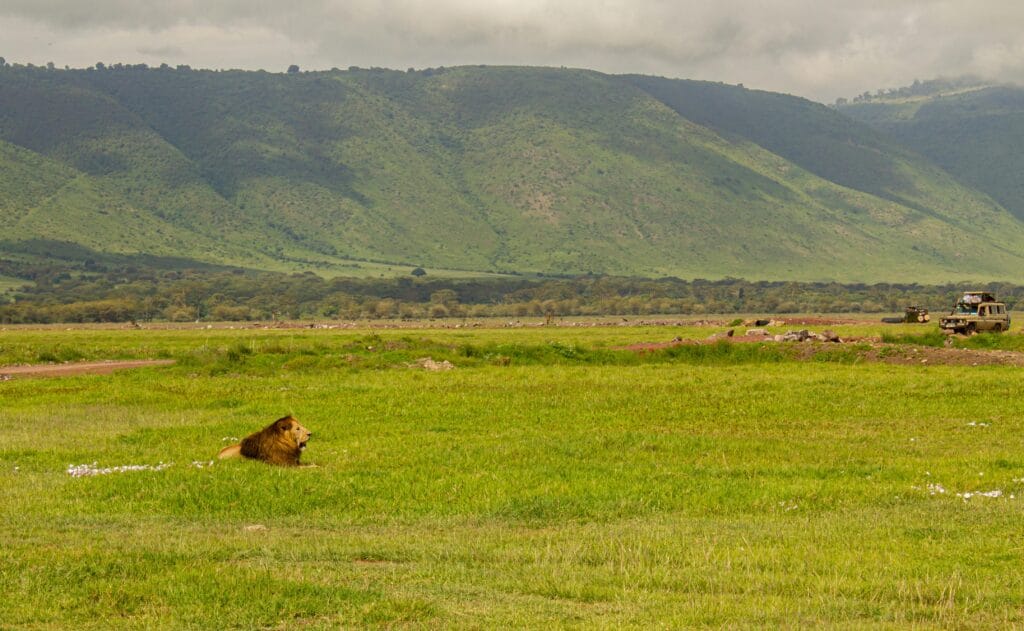
A majestic lion resting in the lush green plains of Ngorongoro Crater, Tanzania.

Ngorongoro Crater Wildlife Guide – A Safari Haven in Tanzania

Ngorongoro Crater Wildlife Guide: Welcome to one of the most breathtaking safari experiences in Africa. The Ngorongoro Crater in northern Tanzania is a UNESCO World Heritage Site and one of the most wildlife-rich areas on the continent. This ancient volcanic caldera offers travelers the rare opportunity to witness an extraordinary concentration of animals — including the famous Big Five — within a stunning, enclosed ecosystem. In this guide, we’ll walk you through everything you need to know about wildlife in the Ngorongoro Crater, the best times to visit, and why this destination should be at the top of your Tanzania safari bucket list. Book Now 1. The Big Five in Ngorongoro Crater The Ngorongoro Crater is one of the best places in Africa to spot the Big Five—the lion, leopard, elephant, buffalo, and rhinoceros. Due to its unique geography, the crater provides a habitat where these animals thrive, and sightings are often frequent. Lions: Ngorongoro Crater is home to a large population of lions, and the crater’s dense animal population means you have a good chance of seeing them. Lions are often seen lounging on the grassy plains or hunting herds of wildebeest and zebras. Leopards: Though more elusive, leopards can occasionally be spotted resting in trees or hunting smaller prey in the early morning or late evening hours. Elephants: The crater hosts a significant number of elephants, and they are often seen roaming the grasslands or near water sources. These majestic animals are typically easy to spot, and you may even witness large herds feeding and interacting. Buffaloes: Large herds of buffaloes roam the crater, particularly around the grassy plains. Their numbers often increase during the dry season when they gather around waterholes. Rhinoceros: The black rhinoceros is one of the most sought-after sightings in the crater. While they are not as common as some other species, the Ngorongoro Crater is one of the few places in Africa where you can see the critically endangered black rhino in the wild. 2. Other Iconic Wildlife in Ngorongoro Crater Aside from the Big Five, the Ngorongoro Crater is home to an impressive variety of other animals, making it a fantastic destination for wildlife lovers. Cheetahs and Hyenas: Though less abundant than lions, cheetahs and hyenas are occasionally spotted in the crater. Cheetahs are often seen in the open plains, hunting smaller animals like gazelles, while hyenas are usually seen in packs, scavenging or hunting. Wildebeest and Zebras: The plains of the crater are teeming with herds of wildebeest and zebras. These grazers form a significant part of the ecosystem, and their constant movement is an important part of the crater’s food chain. Gazelles and Antelopes: The crater is home to various species of gazelles and antelopes, including Grant’s gazelle, Thomson’s gazelle, and the impala. These animals are frequently seen grazing on the open grasslands and are often prey for predators like lions and cheetahs. Hippos: Ngorongoro Crater is also home to a sizable population of hippos, particularly in the crater’s water bodies like the Ngoitoktok Springs. You can often spot them basking in the sun or wallowing in the water. 3. Birdwatching in Ngorongoro Crater For birdwatchers, the Ngorongoro Crater is a paradise, with over 500 species of birds recorded in the area. Whether you’re a seasoned birder or a casual observer, the variety of species and the scenic landscape provide an exceptional birdwatching experience. Flamingos: The crater’s soda lake, Lake Magadi, attracts flamingos, especially during the wet season. These birds create a striking pink contrast against the lake’s blue waters. Crowned Crane: One of the most iconic birds in the crater, the crowned crane is often seen wandering the open plains. Its striking appearance with a golden crown makes it a favorite among bird enthusiasts. Raptors and Vultures: The crater is home to a variety of raptors, including the majestic white-backed vulture, griffon vultures, and eagles. These birds of prey can often be seen soaring above the crater or perched on rocks, hunting for carrion or smaller prey. Pintailed Whydah: A beautiful songbird, the pintailed whydah is a common sight in the crater, particularly in areas with long grasses. Its vibrant colors and long tail make it an interesting species to spot. 4. Ngorongoro Crater’s Unique Ecosystem The Ngorongoro Crater is often described as a “microcosm of East Africa’s wildlife.” Its diverse landscapes—ranging from grasslands to forests to swamps—create the ideal environment for a wide variety of species. The Crater Floor: The flat floor of the crater, with its grassy plains, woodlands, and wetlands, is home to many herbivores, such as wildebeest, zebra, and gazelles, as well as large predators like lions and cheetahs. Water Sources: The crater has several freshwater lakes and springs, including the Ngoitoktok Springs and Lake Magadi, which attract a variety of wildlife, from buffaloes to flamingos. These water sources are crucial to the survival of animals, particularly during the dry season. Ngorongoro Forest: The lush forest on the crater’s rim provides a habitat for a range of species, including monkeys like the black-and-white colobus and various bird species. This area is also home to elephants, which can often be seen feeding on the forest’s vegetation. 5. Best Time to Visit for Wildlife Viewing The Ngorongoro Crater offers excellent wildlife viewing year-round, but the time of your visit can affect what you see and the overall experience. Dry Season (June to October): This is the best time for wildlife viewing, as the animals gather around water sources and are easier to spot. The weather is typically sunny, with minimal rain, making it ideal for safari game drives. Wet Season (November to April): While the wet season brings lush greenery and a vibrant ecosystem, some areas of the crater may be less accessible due to rain. However, this is the time to witness newborn animals, and birdwatching is at its peak with many migratory species arriving in the area. 6. Conservation Efforts in Ngorongoro Crater The Ngorongoro Conservation Area is a UNESCO World Heritage Site, and

Ngorongoro Crater Wildlife Guide – A Safari Haven in Tanzania Read More »

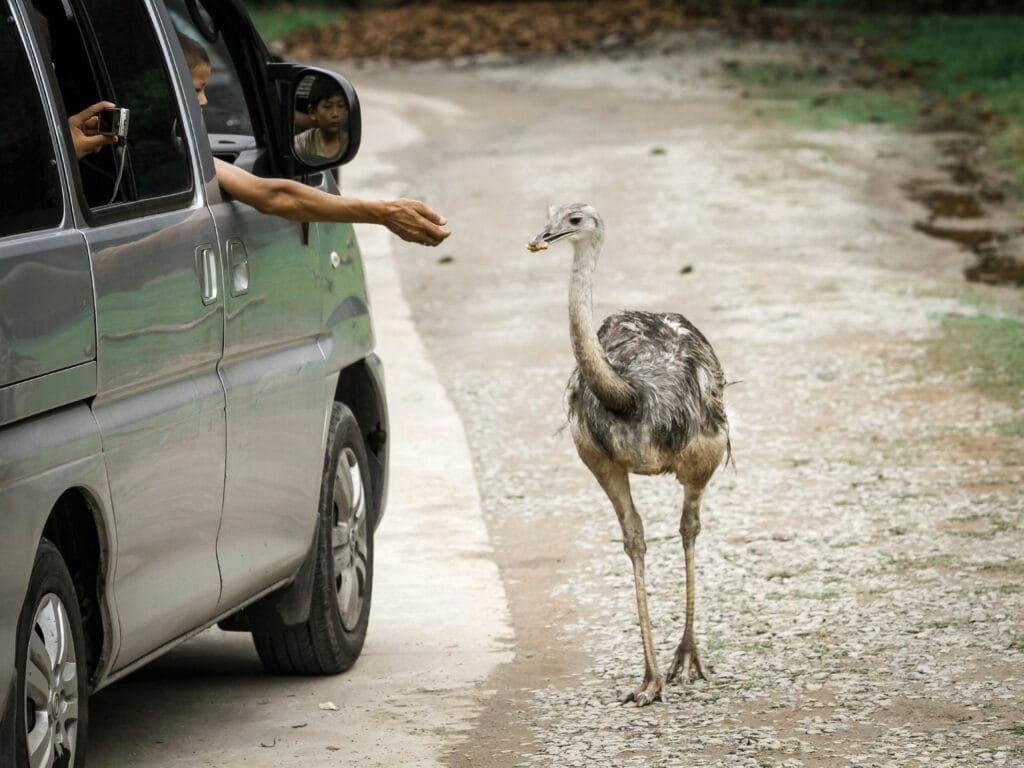
A common ostrich approaches a vehicle for feeding on a rural road.

Common safari travel mistakes

Embarking on a safari is a thrilling experience, but it’s easy to make missteps, especially for first-time travelers. Avoid these common mistakes to ensure a seamless and enjoyable safari adventure. Book Now Overpacking or Underpacking Mistake: Bringing too much or forgetting essentials. Tip: Stick to lightweight, versatile clothing and limit luggage to what’s necessary. Don’t forget safari staples like neutral-colored clothing, sunscreen, and insect repellent. Ignoring Health Precautions Mistake: Not taking recommended vaccinations or anti-malaria medication. Tip: Consult a travel clinic well in advance and pack a basic first-aid kit for emergencies. Choosing the Wrong Season Mistake: Booking a safari without understanding seasonal differences. Tip: Research the best time to visit based on your interests, whether it’s the Great Migration or predator sightings. Lack of Planning for Early Mornings Mistake: Underestimating how early game drives start. Tip: Be prepared for pre-dawn departures, and pack warm clothing for chilly mornings. Not Respecting Wildlife Etiquette Mistake: Getting too close to animals or being noisy. Tip: Follow your guide’s instructions and observe animals from a safe distance to avoid disturbing them. Neglecting Camera Prep Mistake: Forgetting spare batteries, memory cards, or a proper zoom lens. Tip: Test your camera gear beforehand and bring backups to capture the stunning wildlife moments. Failing to Research Safari Operators Mistake: Choosing operators without checking their reviews or reputation. Tip: Opt for experienced and ethical companies like Future African Safari for well-organized, sustainable trips. Ignoring Local Customs and Culture Mistake: Disrespecting local traditions or not engaging with local communities. Tip: Learn basic Swahili phrases and be open to experiencing cultural tours to enhance your trip. Underestimating the Sun Mistake: Forgetting sunscreen, hats, or hydration. Tip: Protect yourself with SPF, wear a wide-brimmed hat, and drink plenty of water throughout the day. Skipping Travel Insurance Mistake: Overlooking the importance of coverage for emergencies. Tip: Get comprehensive travel insurance to cover medical issues, cancellations, or unexpected events. With proper preparation and the right mindset, you can avoid these common pitfalls and focus on enjoying the incredible landscapes, wildlife, and cultures of Tanzania. Future African Safari is here to guide you every step of the way, ensuring a smooth and unforgettable journey. Customize your Adventure Kilimanjaro 3 tours Safari 9 tours Zanzibar 3 tours

Common safari travel mistakes Read More »

nature, mountain, travel

Why Visit Arusha Before Your Safari: The Gateway to Tanzania’s Wildlife Adventures

Arusha, a vibrant city located in northern Tanzania, serves as the gateway to some of the country’s most renowned national parks and wildlife reserves, including Serengeti, Ngorongoro Crater, and Mount Kilimanjaro. While many travelers are eager to head directly into the wilderness, spending some time in Arusha before your safari can enhance your experience in several ways. From cultural exploration to preparation for the adventure ahead, here’s why Arusha is a must-visit destination before embarking on your safari. Customize your Adventure 1. A Smooth Transition to Your Safari Adventure Arusha is conveniently located near Tanzania’s top safari destinations, making it the perfect base to acclimatize and prepare for your upcoming safari. After a long flight, taking a day or two in Arusha allows you to rest and adjust to the time zone before heading into the more remote areas of the Serengeti or Ngorongoro Crater. Recover from Jetlag: Arriving in Arusha gives you the opportunity to rest, recover from any travel fatigue, and adjust to the local time zone, ensuring you’re refreshed and ready to explore the wildlife when you begin your safari. A Gateway to Parks: Arusha is strategically positioned as a hub for safaris, making it easy to access nearby parks like Serengeti, Tarangire, Lake Manyara, and Ngorongoro. Spending time in Arusha can allow you to better plan your route and explore multiple destinations efficiently. 2. Cultural Exploration and Local Experiences Arusha offers visitors a unique cultural experience that can enhance your overall safari journey. The city is home to various local tribes, including the Maasai, Chaga, and Meru, whose customs and traditions can be explored during your stay. Taking the time to immerse yourself in the local culture provides insight into the history and way of life in this part of Tanzania, making your safari experience even more meaningful. Visit Local Markets: Arusha’s bustling markets, such as the Maasai Market, are a great place to purchase authentic crafts, jewelry, and clothing from local artisans. It’s also an opportunity to interact with locals and learn about their culture. Maasai Villages: A visit to a nearby Maasai village gives you the chance to experience the traditional lifestyle of this famous tribe. You can see how they live, watch their dances, and hear their stories, which adds depth to your safari journey. Cultural Tours: Arusha is rich in history, and you can visit museums and historical sites to learn more about Tanzania’s culture, such as the Arusha Declaration Museum, which marks an important political event in the country’s history. 3. Preparation and Safari Logistics Before heading into the parks, Arusha is an excellent place to finalize your safari preparations. Many safari operators, including those offering tailored experiences with Future African Safari, are based in the city, and they provide essential services such as guided tours, safari gear rentals, and expert advice on your itinerary. Finalize Your Safari Plan: Arusha offers an opportunity to meet with safari guides and operators, discuss your preferences, and adjust the details of your trip, including lodging options, safari activities, and any special requests. Rent Gear and Equipment: If you’ve forgotten any essential safari items, Arusha has plenty of shops where you can rent or purchase things like binoculars, cameras, and other safari essentials. 4. Mount Kilimanjaro: A Breathtaking Introduction to Tanzania’s Natural Beauty Located just outside of Arusha, Mount Kilimanjaro stands as the highest peak in Africa and offers a stunning introduction to Tanzania’s natural wonders. While many visitors come to climb Kilimanjaro, even a brief visit to the base of the mountain offers a chance to marvel at its breathtaking beauty. Day Trips to Kilimanjaro: If you’re not planning to climb the mountain, you can take a day trip to view its majestic slopes. The clear view of Kilimanjaro at sunrise or sunset provides a perfect start to your Tanzanian adventure. Scenic Tours: Arusha itself offers picturesque views of the mountain, and nearby national parks like Kilimanjaro National Park provide opportunities for day hikes and cultural tours related to the mountain’s indigenous peoples. 5. Access to Unique Nature and Wildlife Experiences Before heading deep into the national parks, you can enjoy a variety of nature experiences around Arusha. These include day trips to nearby parks and reserves where you can get a taste of Tanzania’s wildlife without venturing too far. Tarangire National Park: Just a few hours from Arusha, Tarangire is home to a wide range of wildlife, including large herds of elephants. A day trip here offers a preview of the safari adventures that await in the Serengeti and Ngorongoro. Lake Manyara National Park: Famous for its tree-climbing lions and flamingos, this park is another excellent option for a quick safari experience near Arusha before heading to larger parks. 6. Experience Tanzanian Cuisine and Hospitality Arusha is a great place to indulge in traditional Tanzanian cuisine, which can be a highlight of your visit. From delicious street food to fine dining, you’ll have plenty of opportunities to sample local delicacies and enjoy the warmth of Tanzanian hospitality. Try Traditional Dishes: Don’t miss the chance to try dishes like ugali (maize porridge), nyama choma (grilled meat), and sukuma (collard greens). Arusha also offers a variety of international cuisines, but local food is a must for any traveler. Local Coffee: Tanzania is known for its coffee, and Arusha offers numerous coffee shops where you can enjoy a freshly brewed cup, often sourced from the region’s own coffee plantations. 7. A Relaxing Start to Your Tanzanian Adventure After your long journey to Tanzania, Arusha provides a great place to unwind before diving into the excitement of a safari. Whether you’re relaxing at a luxury lodge or enjoying a quiet moment in a local café, Arusha’s laid-back atmosphere is perfect for starting your trip at a more leisurely pace. Rest and Recover: Spend some time in one of Arusha’s peaceful resorts or lodges, where you can enjoy spa treatments, relaxation, and beautiful views before heading into the adventure of a lifetime. Conclusion: Arusha as the Perfect

Why Visit Arusha Before Your Safari: The Gateway to Tanzania’s Wildlife Adventures Read More »

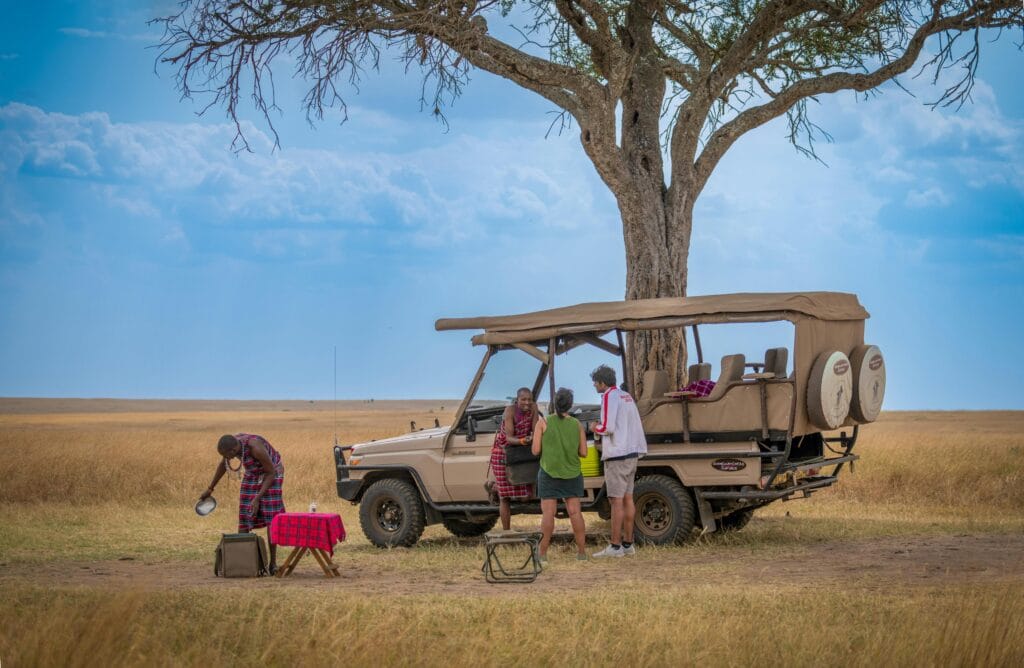
Group enjoys a safari near an acacia tree, showcasing a travel adventure experience.

Bush camping vs. lodge safari experiences

When planning a safari in Tanzania, one of the key decisions to make is choosing between bush camping and staying in a lodge. Each offers a unique way to experience the wilderness, and the choice largely depends on your preferences, budget, and sense of adventure. Here’s a comparison to help you decide. Book Now Bush Camping: Immersing Yourself in Nature Highlights Close to Wildlife: Hear the roar of lions or the call of hyenas from your tent at night. Authentic Experience: Get closer to the ruggedness of the African wilderness. Budget-Friendly: Generally more affordable than lodge accommodations. Starlit Skies: Enjoy unparalleled views of the Milky Way, far from light pollution. What to Expect Basic Facilities: Tents with simple bedding and shared or portable bathrooms. Outdoor Dining: Meals are often prepared over a campfire or on-site kitchen. Camaraderie: Group camping creates a sense of community among travelers. Safety Measures: Professional guides ensure your safety despite the proximity to wildlife. Who It’s For Adventure seekers who want to connect deeply with nature. Travelers on a tighter budget who prioritize experience over luxury. Lodge Safari: Comfort in the Wild Highlights Luxurious Amenities: Comfortable beds, private bathrooms, and sometimes even pools and spas. Scenic Locations: Many lodges are strategically placed to offer stunning views of landscapes or waterholes. Gourmet Dining: Enjoy a wide array of freshly prepared meals, often paired with fine wines. Relaxing Ambiance: Perfect for unwinding after a long day of game drives. What to Expect Modern Facilities: Running water, electricity, and Wi-Fi are common features. Personalized Service: Staff cater to your needs, enhancing your overall experience. Cultural Touches: Many lodges incorporate local architecture and decor to reflect Tanzanian heritage. Who It’s For Families, honeymooners, or those seeking a more comfortable safari experience. Travelers who value convenience and are willing to spend more for luxury. Making the Choice For Adventure: Opt for bush camping if you want to immerse yourself in the wild and enjoy an authentic experience. For Comfort: Choose a lodge if you prefer a relaxed safari with modern conveniences and privacy. For Both: Consider combining the two. Start with the adventure of bush camping and end your trip in the luxury of a lodge for a balanced experience. Whether you’re drawn to the raw adventure of bush camping or the refined comforts of a safari lodge, Future African Safari offers tailored options to suit your needs. Both experiences promise unforgettable memories in the heart of Tanzania’s iconic landscapes. Customize your Adventure Kilimanjaro 3 tours Safari 9 tours Zanzibar 3 tours

Bush camping vs. lodge safari experiences Read More »

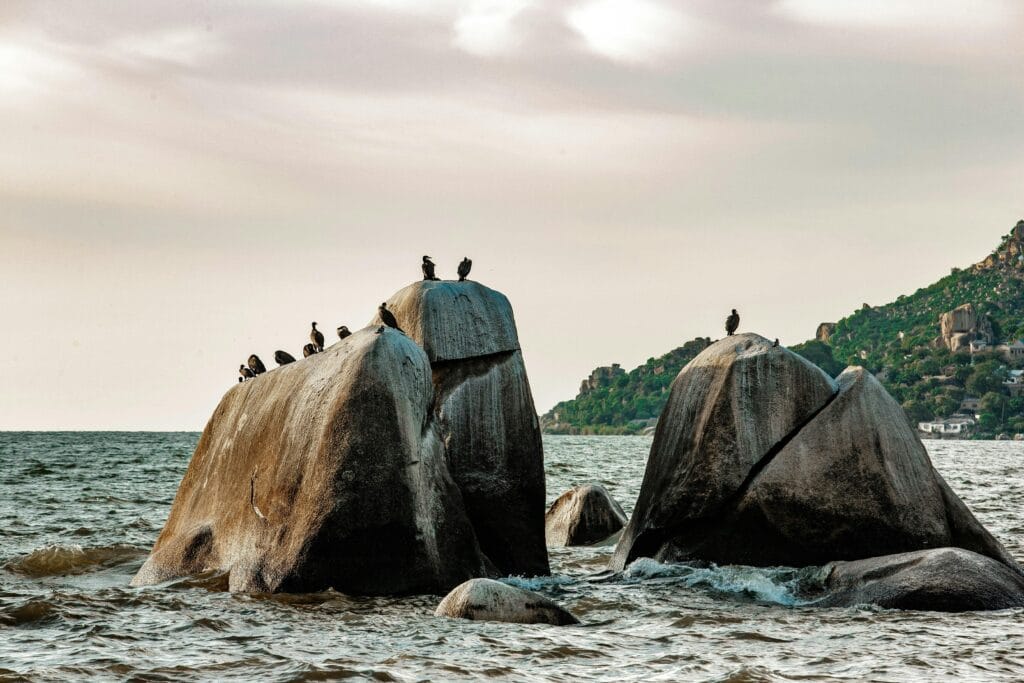
Stunning view of Bismark Rock in Lake Victoria, Tanzania, with perched birds at sunset.

Visiting Lake Victoria Near Tanzania’s Parks: A Hidden Gem for Safari Enthusiasts

While Tanzania is renowned for its iconic national parks and game reserves, many travelers overlook the stunning beauty of Lake Victoria, the largest freshwater lake in Africa, located near some of Tanzania’s top safari destinations. This tranquil body of water, surrounded by rich cultural history, vibrant wildlife, and breathtaking landscapes, offers an incredible complement to a safari adventure in Tanzania. Whether you’re seeking relaxation, cultural immersion, or additional wildlife experiences, visiting Lake Victoria near Tanzania’s parks is a must. Customize your Adventure 1. Proximity to Tanzania’s Major Parks Lake Victoria is situated near several of Tanzania’s world-famous parks, making it an ideal addition to any safari itinerary. Located in the northwest of the country, it borders the Serengeti National Park, Murchison Falls National Park, and Ngorongoro Conservation Area. This makes it a convenient spot for combining a classic African safari with time spent exploring the cultural and natural wonders of the lake. Serengeti and Lake Victoria The Serengeti, located just a few hours’ drive from Lake Victoria, is one of the most famous wildlife reserves in the world. After a thrilling safari in Serengeti, you can take a detour to the lake for a change of pace. Visitors to Lake Victoria can explore its islands and nearby communities, often in the comfort of a boat tour, offering panoramic views of the lake and a chance to spot unique birdlife and aquatic creatures. Ngorongoro and Lake Victoria The Ngorongoro Crater, also located near Lake Victoria, is a UNESCO World Heritage Site home to an incredible array of wildlife. After your adventure in the Crater, a visit to Lake Victoria offers a peaceful contrast with activities like boat rides or fishing. 2. What to Do Around Lake Victoria Lake Victoria isn’t just about the scenic views; it offers a variety of activities for tourists to enjoy. Here are some of the top experiences: Boat Tours and Fishing Trips Fishing on Lake Victoria: Known for its large population of Nile perch, fishing trips on the lake are a popular activity. Visitors can take part in local fishing activities or go on a guided fishing tour to try their luck at catching these massive fish. Boat Tours: A relaxing boat ride on Lake Victoria allows you to explore the surrounding islands and enjoy the peaceful ambiance. You’ll get a chance to see local fishing villages and witness unique waterbirds, including kingfishers and cormorants. Cultural Experiences Visit Local Villages: Many villages around Lake Victoria offer opportunities for cultural immersion. You can interact with local communities, learn about their traditional way of life, and enjoy authentic meals prepared with local ingredients. Lake Victoria’s History: The lake has a rich cultural history, and you can visit historical sites that celebrate its role in the trade and exploration of Africa, particularly the journey of explorers like John Hanning Speke, who first discovered the lake in the 19th century. Birdwatching Home to Unique Birds: The lake and its surrounding wetlands provide a habitat for a wide variety of bird species. For avid birdwatchers, Lake Victoria is a prime destination, with opportunities to spot species such as pelicans, cormorants, herons, and more. The surrounding islands and shores offer excellent birdwatching from both land and boat. 3. Nearby Islands and Attractions Several islands in Lake Victoria are worth visiting, each offering something unique to visitors. Some notable ones include: Rubondo Island National Park Overview: Located in the western part of Lake Victoria, Rubondo Island is a national park known for its diverse wildlife, including primates like chimpanzees and various species of birds. The island offers excellent hiking trails and a chance to observe wildlife in their natural habitat. What to Do: Hiking, birdwatching, boat tours, and wildlife spotting are popular activities here. Rubondo Island is perfect for those seeking a quiet, off-the-beaten-path safari experience. Ukerewe Island Overview: As the largest island on Lake Victoria, Ukerewe Island offers rich cultural experiences and scenic beauty. Known for its lush landscapes, the island is home to the local Ngeya people who maintain traditional lifestyles. What to Do: Explore the charming villages, interact with the locals, and take scenic walks around the island to see the picturesque landscapes and wildlife. It’s an excellent spot for those interested in cultural tourism and eco-tourism. 4. Unique Wildlife Experiences at Lake Victoria Although Lake Victoria itself is not known for large mammals like those found in Serengeti, it is home to a range of interesting wildlife that can be spotted during your visit. Aquatic Wildlife Nile Perch: The lake is famous for its Nile perch, a large fish that can grow up to 200 kilograms. Fishing tours can give you a chance to learn more about this important species. Aquatic Birds: As a vital water source for many birds, Lake Victoria attracts a large number of waterfowl species. This makes it a great destination for birdwatching, especially around the shoreline and islands. Chimpanzees and Monkeys Rubondo Island National Park is one of the few places where you can spot wild chimpanzees in the area surrounding the lake, and you can also see monkeys like the blue monkey or vervet monkey. 5. Best Time to Visit Lake Victoria The best time to visit Lake Victoria largely depends on the activities you wish to do and the kind of safari experience you’re looking for. Here’s what you should consider: Dry Season (June to October): This is the ideal time for wildlife safaris in nearby parks like Serengeti and Ngorongoro. For boat tours and fishing, the weather is generally pleasant and dry. Rainy Season (November to April): While the rainy season may bring some muddy roads, the lush vegetation around the lake provides a stunning landscape, and birdwatching is particularly excellent during this period. However, some remote areas may be harder to access during the wettest months. Conclusion: A Perfect Addition to Your Safari Adventure Lake Victoria near Tanzania’s parks is a beautiful, diverse, and unique destination that complements any safari in Tanzania. Whether you’re relaxing after a thrilling game

Visiting Lake Victoria Near Tanzania’s Parks: A Hidden Gem for Safari Enthusiasts Read More »

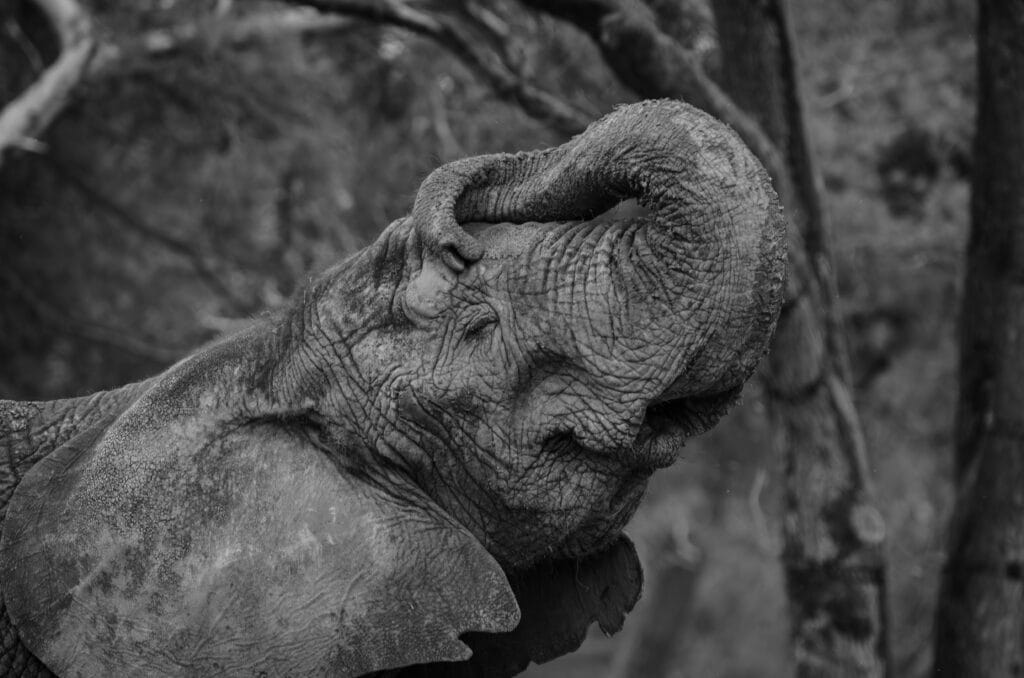
Close-up of an African elephant in a serene black and white setting.

Planning your first African safari

Essential Tips for Your First African Safari Embarking on your first African safari is an exciting and transformative experience. The opportunity to witness breathtaking landscapes and iconic wildlife up close can be a dream come true. To make the most of your adventure, careful planning is essential. Here’s a guide to help you prepare for your first African safari. Book Now 1. Choosing the Right Destination Africa offers a variety of safari experiences, each with unique highlights: Tanzania: Known for the Serengeti, Ngorongoro Crater, and the Great Migration. Kenya: Famous for the Maasai Mara and its diverse ecosystems. South Africa: Offers family-friendly safaris in malaria-free zones and the renowned Kruger National Park. Botswana: Ideal for luxury safaris and water-based adventures in the Okavango Delta. 2. Deciding the Best Time to Go The timing of your safari affects the type of experience you’ll have: Dry Season (June to October): Best for game viewing as animals gather around water sources. Wet Season (November to May): Great for birdwatching and lush scenery, with fewer tourists and lower costs. 3. Selecting Your Accommodation Safari accommodations range from luxury lodges to budget-friendly camping: Luxury Lodges: Offer premium amenities, gourmet meals, and stunning views. Tented Camps: Combine the charm of camping with modern comforts. Budget Camping: A cost-effective option for adventurous travelers. 4. Packing Wisely A well-packed bag ensures you’re prepared for the safari’s unique conditions: Clothing: Neutral-colored, lightweight, and breathable outfits for layering. Footwear: Comfortable walking shoes or boots. Accessories: Sunglasses, a wide-brimmed hat, and a scarf for dust protection. Gear: A good-quality camera, binoculars, and a daypack for essentials. 5. Understanding Safari Etiquette Respecting the environment and wildlife enhances your experience: Silence is Key: Keep noise to a minimum to avoid scaring animals. Stay Inside the Vehicle: For safety, only exit when permitted by your guide. No Flash Photography: It can disturb the animals and other visitors. 6. Health and Safety Precautions Vaccinations: Check requirements for yellow fever and other vaccines. Malaria Prevention: Bring mosquito repellent and consider anti-malarial medication. Travel Insurance: Covers emergencies, cancellations, and medical needs. 7. Booking with a Trusted Operator Choosing a reliable safari company is crucial for a seamless adventure. Future African Safari offers: Customized Itineraries: Tailored experiences to match your interests. Expert Guides: Knowledgeable professionals to enhance your journey. Comfortable Vehicles: Equipped for safe and enjoyable travel. A well-planned safari ensures your first encounter with Africa’s incredible wildlife and landscapes is unforgettable. Future African Safari is here to guide you every step of the way, from choosing the perfect destination to ensuring your trip is smooth and memorable. Customize your Adventure Kilimanjaro 3 tours Safari 9 tours Zanzibar 3 tours

Planning your first African safari Read More »

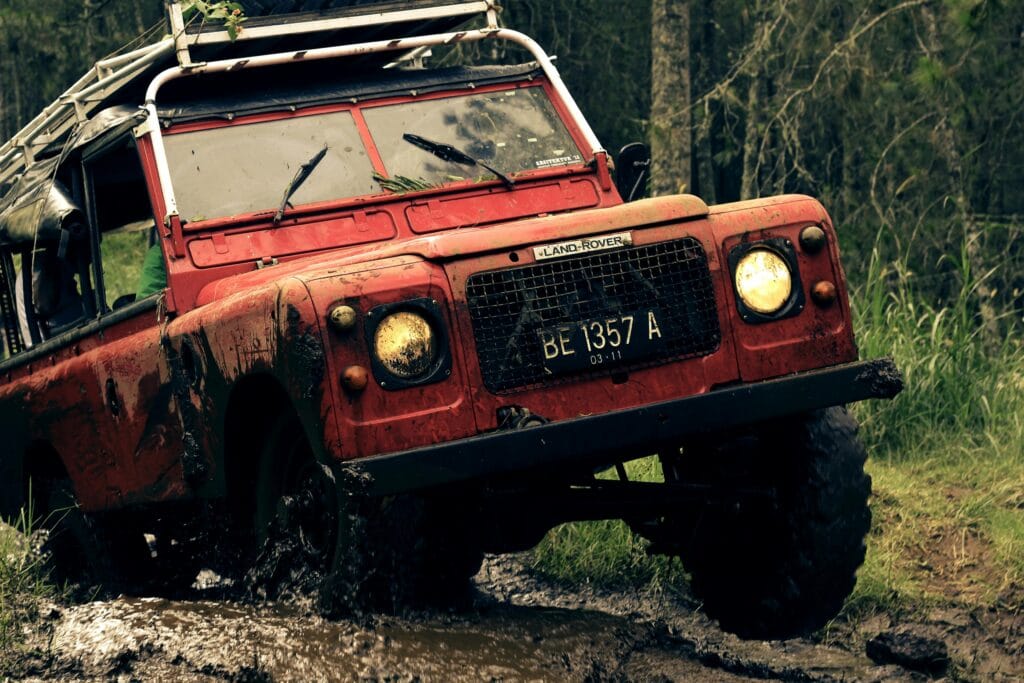
A rugged vintage Land Rover conquers a muddy trail, showcasing off-road capabilities and adventure spirit.

Choosing the right safari vehicle

Understanding Safari Vehicle Options Selecting the right safari vehicle is a key factor in ensuring a comfortable and memorable safari experience. Depending on the destination, terrain, and your travel preferences, the type of vehicle can significantly impact your journey. Here’s a guide to help you make an informed decision. Book Now 1. Types of Safari Vehicles Open-Sided 4×4 Vehicles Best For: Game viewing in private reserves and parks. Features: No windows, offering unobstructed views and excellent opportunities for photography. Common Destinations: Serengeti National Park, Ngorongoro Crater, and other premium reserves. Pros: Enhanced wildlife viewing, closer proximity to nature. Cons: Less protection from dust, rain, and insects. Closed-Sided 4×4 Vehicles Best For: Long drives, road safaris, and journeys through rough terrains. Features: Windows and pop-up roofs for game viewing while providing protection from the elements. Common Destinations: Tanzania’s Northern Circuit parks and long-distance safaris. Pros: Comfort, safety from dust and weather. Cons: Slightly restricted visibility compared to open-sided vehicles. Minibuses Best For: Budget safaris and large groups. Features: Pop-up roofs for game viewing. Common Destinations: Kenya and Tanzania’s accessible game parks. Pros: Affordable, spacious for group travel. Cons: Limited off-road capabilities, less rugged. Luxury Safari Vehicles Best For: Exclusive safaris and high-end travel experiences. Features: Enhanced comfort with air conditioning, leather seats, and amenities like charging ports. Common Destinations: Exclusive game reserves and lodges. Pros: Maximum comfort, personalized experience. Cons: Higher cost. 2. Factors to Consider When Choosing a Vehicle Group Size: Larger groups require spacious vehicles like minibuses or custom safari trucks, while smaller groups can opt for more intimate open-sided 4x4s. Comfort Level: For long drives or multi-day safaris, choose vehicles with adequate legroom and air conditioning. Destination Terrain: Rugged terrains like those in Selous Game Reserve or Ruaha National Park require robust 4×4 vehicles. Photography Needs: Open-sided vehicles are ideal for photographers, offering unobstructed views. 3. Specialized Features to Look For Pop-Up Roofs: Perfect for standing up and observing wildlife from a higher vantage point. Ample Storage: Space for luggage, camera gear, and personal items. Onboard Amenities: USB ports, refrigerators, or cool boxes for drinks. Safety Gear: Fire extinguishers, first-aid kits, and radios for communication. 4. Why Future African Safari’s Vehicles Stand Out Future African Safari ensures guests have the best possible experience by providing: Well-Maintained Fleet: Regularly serviced vehicles designed for safety and comfort. Expert Drivers and Guides: Knowledgeable professionals who enhance your journey with insights and expertise. Customized Experiences: Options to choose the vehicle type based on your safari itinerary and preferences. Choosing the right safari vehicle enhances not just your comfort but also your overall adventure. With Future African Safari, you’re guaranteed a vehicle suited to your needs, ensuring a seamless and enjoyable journey through Tanzania’s breathtaking landscapes. Customize your Adventure Kilimanjaro 3 tours Safari 9 tours Zanzibar 3 tours

Choosing the right safari vehicle Read More »

cheetah, wilderness, wildlife

Serengeti Wildlife Viewing Seasons: The Best Times to Visit for Unforgettable Safari Experiences

The Serengeti National Park in Tanzania is one of the most iconic wildlife destinations in the world, known for its diverse ecosystems and abundant wildlife. Whether you’re hoping to see the Great Migration, catch a glimpse of the Big Five, or simply enjoy the beauty of the African plains, the Serengeti offers incredible wildlife viewing year-round. However, different seasons offer unique opportunities for wildlife sightings, so understanding the seasonal patterns can help you plan the best time to visit. Customize your Adventure 1. The Dry Season (June to October): Peak Wildlife Viewing Time Why It’s Great for Wildlife Viewing: The dry season is considered the best time for wildlife viewing in the Serengeti. The vegetation thins out, making it easier to spot animals. Additionally, animals congregate around the remaining water sources, making sightings more frequent. What to Expect: Great Migration: The Great Migration is often in full swing during the dry season, with hundreds of thousands of wildebeest, zebras, and gazelles traveling through the Serengeti in search of fresh grazing. This is an excellent time for seeing dramatic river crossings, where animals brave crocodile-infested waters to continue their journey. Big Cats: Lions, cheetahs, and leopards are more visible as they hunt for prey near waterholes and along the plains. Other Wildlife: Elephants, giraffes, buffalo, and rhinoceros can be spotted more easily as they move around the park in search of food and water. Best for: Game drives, birdwatching, and wildlife photography. 2. The Wet Season (November to May): A Lush and Quiet Time for Wildlife Viewing Why It’s Great for Wildlife Viewing: While the wet season is not as popular as the dry season for wildlife viewing due to the thicker vegetation and heavier rainfall, it still offers a unique and rewarding experience, especially for those seeking a quieter, more intimate safari. What to Expect: Baby Animals: The wet season is when many animals give birth, so you’ll have the chance to see young calves, cubs, and other baby animals. This is a heartwarming and special aspect of wildlife viewing. Birdwatching: The Serengeti is a birdwatcher’s paradise during the wet season. Migratory birds from Europe and Asia flock to the park, and the lush landscape makes it easier to spot a variety of species. Fewer Tourists: Since fewer tourists visit during the wet season, you’ll have a more peaceful safari experience and can often enjoy wildlife sightings without the crowds. What to Keep in Mind: While the wet season offers lush scenery and fewer tourists, the rain can make certain areas difficult to navigate, especially for self-driving tourists. Some lodges may be closed or have limited access due to muddy roads. Best for: Birdwatching, photography, and a more tranquil safari experience. 3. Peak Great Migration (May to July): Witness the River Crossings Why It’s Great for Wildlife Viewing: The Great Migration is a major highlight in the Serengeti, and the best time to witness the dramatic river crossings is from May to July. During this period, large herds of wildebeest, zebras, and gazelles arrive at the Mara River in the northern Serengeti, where they attempt to cross the river while being pursued by predators and crocodiles. What to Expect: River Crossings: The river crossings are an unforgettable sight—dozens, even hundreds, of wildebeest and zebras leap into the Mara River, with crocodiles waiting for a meal. This is one of nature’s most thrilling spectacles. Predator Action: Lions, cheetahs, and hyenas are also drawn to the river crossings, where they take advantage of the vulnerable animals crossing the river. Best for: Game drives focused on the Great Migration, predator action, and river crossing photography. 4. The Shoulder Seasons (April and November): Quiet but Rewarding Why It’s Great for Wildlife Viewing: The months of April and November are considered shoulder seasons in the Serengeti, with fewer tourists and lower prices. The weather can be unpredictable, with occasional rain showers, but these months still offer great opportunities for wildlife viewing. What to Expect: Green and Lush Landscape: After the rains, the Serengeti becomes lush and green, and the landscape offers beautiful contrasts for photography. While the rains can make the roads muddy, this is an excellent time to see animals in their most vibrant environment. Baby Animals: The newborn animals are still in the park, and you’ll be able to witness adorable sightings of young wildlife. Fewer Tourists: With fewer visitors during these months, you’ll have a more private and serene safari experience. Best for: Budget-conscious travelers, peaceful safaris, and nature photography. 5. The Short Rainy Season (November to December): A Time of Transition Why It’s Great for Wildlife Viewing: While the short rainy season typically occurs between November and December, it is a transitional period that offers a different kind of safari experience. What to Expect: Good for Birdwatching: As rains begin to return, the Serengeti comes alive with migratory birds. This is a great time for avid birdwatchers. Less Crowded: While some areas may be less accessible, the Serengeti is still relatively uncrowded, giving you more chances for intimate wildlife encounters. Emerging Wildlife: The short rains bring lush vegetation, and although animals are more scattered, the growing greenery provides a stunning backdrop for photography. Best for: Birdwatching, budget-friendly safaris, and a quieter experience. Conclusion: Best Time for Serengeti Wildlife Viewing The best time for Serengeti wildlife viewing depends on the type of experience you’re hoping for. If you want to see the Great Migration and river crossings, the dry season (June to October) is ideal. For quieter, more intimate safaris, the wet season (November to May) offers a lush environment and fewer tourists. No matter when you visit, the Serengeti will provide unforgettable wildlife sightings and a safari experience like no other. Plan your Serengeti safari with Future African Safari for an unforgettable adventure during the best wildlife viewing season! Kilimanjaro 3 tours Safari 9 tours Zanzibar 3 tours

Serengeti Wildlife Viewing Seasons: The Best Times to Visit for Unforgettable Safari Experiences Read More »

Scroll to Top