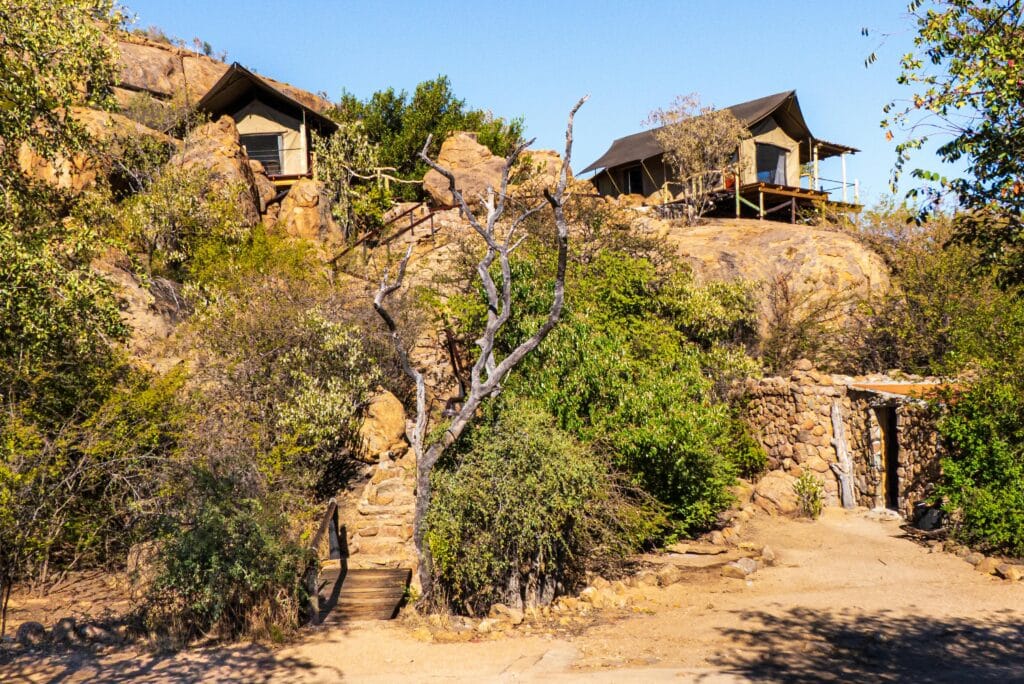
The Tourist

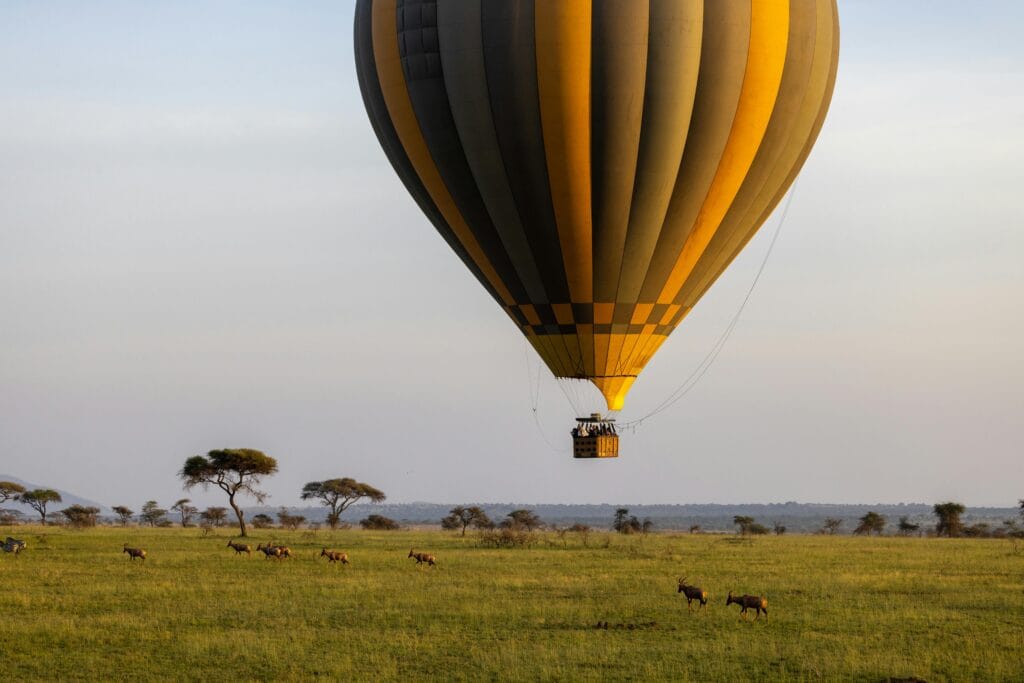
safari, hot air balloon, sunset

Wildlife Conservation Safari Tours: Explore and Protect Africa’s Natural Wonders

Embarking on a wildlife conservation safari is more than just an adventure—it’s a journey that helps protect Africa’s magnificent landscapes and endangered species. These specialized tours offer travelers an immersive experience while directly contributing to vital conservation efforts. By choosing a conservation-focused safari, you become a part of the solution, supporting initiatives that safeguard wildlife and uplift local communities. Here’s what you need to know about wildlife conservation safaris and some top destinations to consider. What Are Wildlife Conservation Safaris? Conservation safaris go beyond traditional tours by prioritizing environmental sustainability and wildlife protection. They often involve: Hands-On Conservation Work: Participate in activities like animal tracking, habitat restoration, or anti-poaching patrols. Educational Experiences: Learn from conservation experts about the challenges facing Africa’s wildlife and the efforts to protect them. Support for Local Communities: Many conservation safaris invest in community development, ensuring locals benefit from tourism. Top Conservation Safari Destinations in Africa 1. Lewa Wildlife Conservancy, Kenya Lewa is a leader in rhino conservation and offers an exceptional safari experience. Conservation Focus: Home to both black and white rhinos, Lewa’s efforts have helped increase rhino populations. Community Initiatives: Lewa supports local schools, healthcare programs, and sustainable agriculture. Unique Experience: Track rhinos and elephants with expert guides while learning about anti-poaching efforts. 2. Kruger National Park, South Africa One of Africa’s largest game reserves, Kruger is at the forefront of wildlife conservation. Anti-Poaching Efforts: The park has advanced anti-poaching units to protect rhinos and elephants. Research Opportunities: Some tours offer behind-the-scenes access to research projects and conservation labs. Community Partnerships: Kruger’s programs invest in local communities, ensuring they benefit from conservation efforts. 3. Serengeti National Park, Tanzania The Serengeti is synonymous with the Great Migration, but it’s also a critical area for conservation. Wildlife Protection: Conservation projects focus on protecting big cats, elephants, and other iconic species. Eco-Tourism Initiatives: Lodges in the Serengeti follow sustainable practices to minimize their environmental impact. Educational Safaris: Learn about the delicate balance of the Serengeti ecosystem from experienced guides. 4. Okavango Delta, Botswana A UNESCO World Heritage Site, the Okavango Delta offers low-impact, conservation-focused safaris. Community Involvement: Many lodges are community-owned, ensuring that tourism revenue benefits local people. Wildlife Monitoring: Participate in conservation activities such as animal tracking and birdwatching surveys. Eco-Friendly Practices: Safari camps prioritize sustainability, using solar power and eco-friendly materials. 5. Gorongosa National Park, Mozambique Gorongosa is a remarkable example of a park reborn through conservation efforts. Restoration Projects: Once devastated by war, Gorongosa has undergone extensive restoration, bringing back wildlife. Community Development: The park invests in education, healthcare, and economic opportunities for local communities. Safari Experience: Guests can witness conservation in action and learn about the park’s ongoing efforts. 6. Etosha National Park, Namibia Etosha offers stunning landscapes and a strong commitment to wildlife conservation. Endangered Species: The park is home to endangered species like the black rhino and cheetah. Research and Education: Some tours include visits to research centers where scientists work to protect Namibia’s wildlife. Sustainable Tourism: Many lodges operate with eco-friendly practices, reducing their environmental impact. Activities You Can Expect on a Conservation Safari Wildlife Tracking: Join guides to track animals in their natural habitat, contributing to ongoing research. Anti-Poaching Patrols: Some safaris allow you to accompany rangers on patrols, gaining insight into their crucial work. Habitat Restoration: Participate in tree planting or other projects that restore degraded habitats. Educational Workshops: Learn from conservationists and researchers about the challenges facing Africa’s wildlife. Why Choose a Conservation Safari? Make a Difference: Your travel dollars directly support conservation projects and local communities. Gain Deeper Insights: Experience Africa’s wildlife and ecosystems in a meaningful, educational way. Sustainable Travel: Conservation safaris prioritize eco-friendly practices, minimizing your environmental impact. Connect with Nature: Get closer to wildlife than on a typical safari, with unique opportunities to observe and contribute. Travel Responsibly with Future African Safari At Future African Safari, we believe that tourism can be a powerful force for good. Our conservation safari tours are designed to give you an unforgettable experience while contributing to the protection of Africa’s wildlife and support for local communities. Whether you’re tracking lions in the Serengeti or assisting with rhino conservation in Kenya, your journey with us makes a difference. Book your conservation safari today and become a part of Africa’s conservation story! Customize Your Adventure Kilimanjaro 3 tours Safari 9 tours Zanzibar 3 tours
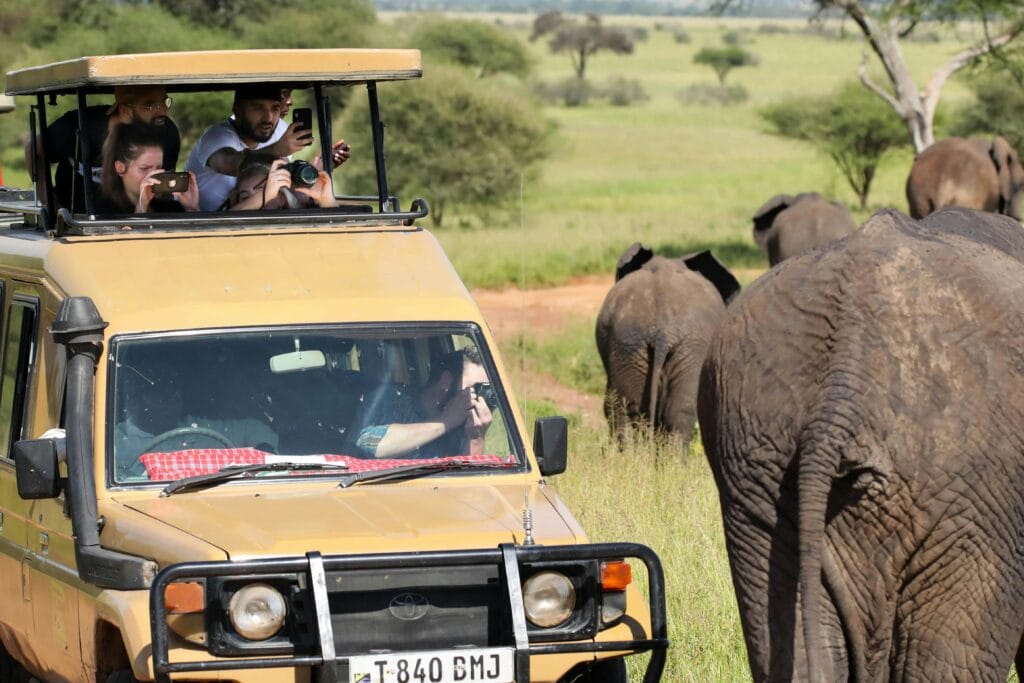
Wildlife Conservation Safari Tours: Explore and Protect Africa’s Natural Wonders Read More »

leopard, safari, africa

Best Ethical Safaris in Africa: Travel Responsibly and Make a Difference

For travelers seeking more than just adventure, ethical safaris offer a way to explore Africa’s breathtaking landscapes and wildlife while supporting conservation efforts and local communities. An ethical safari focuses on sustainability, wildlife protection, and cultural respect, ensuring that your journey leaves a positive impact. Here are some of the best ethical safari destinations in Africa that prioritize responsible tourism. 1. Singita, South Africa, Tanzania, and Zimbabwe Singita is renowned for its luxurious yet eco-conscious lodges and reserves. Their commitment to conservation and community development sets a high standard for ethical tourism. Wildlife Protection: Singita supports anti-poaching units and conservation projects that protect endangered species like rhinos and elephants. Community Engagement: They invest in education, healthcare, and job training for local communities, ensuring that tourism benefits the people who live nearby. Sustainability Practices: Singita lodges operate with minimal environmental impact, using renewable energy and eco-friendly construction. 2. Wilderness Safaris, Botswana and Namibia Wilderness Safaris offers incredible wildlife experiences with a strong focus on conservation and sustainable tourism. Conservation Initiatives: They manage extensive private concessions that protect vast tracts of wilderness and endangered species. Community Partnerships: Their “Children in the Wilderness” program educates local youth about conservation, creating future environmental stewards. Eco-Lodges: Many of their camps use solar power, recycle waste, and support water conservation efforts. 3. Ol Pejeta Conservancy, Kenya Located in the Laikipia region, Ol Pejeta is a model for ethical tourism and wildlife conservation. Rhino Sanctuary: It’s home to the last two northern white rhinos and hosts one of the largest black rhino populations in East Africa. Community Development: Ol Pejeta works closely with local communities, providing education, healthcare, and employment opportunities. Sustainable Practices: The conservancy promotes eco-friendly tourism and offers low-impact accommodations. 4. Grootbos Private Nature Reserve, South Africa Grootbos is a leader in ethical tourism, combining luxury with conservation and community upliftment. Floral Conservation: The reserve protects the unique fynbos ecosystem and offers guided tours that educate visitors about biodiversity. Community Initiatives: Grootbos runs a Green Futures College that trains local people in conservation and hospitality skills. Sustainability: The reserve is committed to sustainable energy use, water conservation, and waste reduction. 5. Maasai Mara Conservancies, Kenya The private conservancies around the Maasai Mara are excellent examples of ethical tourism in action. Community Ownership: These conservancies are leased from Maasai landowners, who receive income from tourism while retaining grazing rights for their cattle. Wildlife Protection: Conservancies provide critical habitat for wildlife and reduce the environmental pressure on the main reserve. Cultural Respect: Guests can engage with the Maasai people through respectful, community-led cultural experiences. 6. Nkhotakota Wildlife Reserve, Malawi Nkhotakota has undergone a remarkable transformation thanks to responsible tourism and conservation efforts. Wildlife Reintroduction: African Parks, which manages the reserve, has reintroduced elephants and other species, restoring the ecosystem. Community Benefits: Tourism revenue supports local education and healthcare projects, improving the quality of life for nearby villages. Eco-Tourism Focus: Lodges in the area operate sustainably, minimizing their impact on the environment. 7. Okavango Delta, Botswana The Okavango Delta is not only a UNESCO World Heritage Site but also a shining example of ethical tourism. Low-Impact Tourism: Safaris in the delta are often conducted on foot or by traditional mokoro (canoe), minimizing disturbance to wildlife. Community Empowerment: Many lodges are community-owned or employ local staff, ensuring that tourism benefits nearby villages. Conservation Funding: Tourism revenue helps protect this fragile ecosystem and its diverse wildlife. 8. Mahale Mountains National Park, Tanzania Known for its chimpanzee trekking experiences, Mahale Mountains National Park offers one of Africa’s most ethical wildlife encounters. Primate Conservation: Strict guidelines ensure that visitors maintain a safe distance from the chimpanzees, protecting them from human-borne diseases. Eco-Friendly Lodges: Accommodations like Greystoke Mahale operate sustainably, using solar power and supporting local communities. Research Support: Tourism helps fund ongoing primate research and conservation efforts. 9. Desert Rhino Camp, Namibia Located in the remote Palmwag Concession, Desert Rhino Camp offers an intimate, ethical safari experience focused on rhino conservation. Rhino Conservation: The camp works with Save the Rhino Trust to protect the desert-adapted black rhino population. Community Involvement: Local communities benefit from employment opportunities and receive a share of tourism revenue. Sustainability Practices: The camp is designed to have minimal impact on the fragile desert environment. 10. Virunga National Park, Democratic Republic of Congo Virunga is Africa’s oldest national park and a beacon of ethical tourism in challenging circumstances. Gorilla Protection: The park is home to critically endangered mountain gorillas, and tourism funds anti-poaching efforts and ranger salaries. Community Projects: Virunga’s tourism revenue supports local communities with education, healthcare, and sustainable development initiatives. Environmental Initiatives: The park operates renewable energy projects, including hydroelectric plants, that benefit surrounding communities. Why Choose an Ethical Safari? Conserve Wildlife: Your visit directly supports efforts to protect Africa’s incredible biodiversity. Empower Communities: Ethical tourism ensures that local people benefit from conservation and tourism initiatives. Travel Sustainably: Reduce your environmental footprint by choosing operators committed to eco-friendly practices. Gain Deeper Connections: Ethical safaris offer meaningful cultural exchanges and authentic experiences. Travel Ethically with Future African Safari At Future African Safari, we believe in responsible tourism that benefits both wildlife and local communities. Our ethical safari packages are designed to give you an unforgettable experience while ensuring that your journey leaves a positive impact. From eco-friendly lodges to community-led tours, we prioritize sustainability and cultural respect in every aspect of your adventure. Book your ethical safari today and travel with a purpose—explore Africa while making a difference! Customize Your Adventure Kilimanjaro 3 tours Safari 9 tours Zanzibar 3 tours

Best Ethical Safaris in Africa: Travel Responsibly and Make a Difference Read More »

A couple shares a romantic embrace by the ocean, capturing a moment of love.

Planning a honeymoon in Zanzibar

Planning a honeymoon in Zanzibar promises an unforgettable experience, with its stunning beaches, rich culture, and romantic atmosphere. Whether you’re looking for relaxation on the beach, adventure in nature, or cultural immersion, Zanzibar offers a variety of experiences that make it the perfect destination for newlyweds. Here’s how to plan the ultimate honeymoon in Zanzibar. 1. Choose the Right Time to Visit Zanzibar is a year-round destination, but the best time to visit for a honeymoon is during the dry season, which runs from June to October and December to March. The weather is warm and sunny, perfect for lounging on the beach, exploring the island, and enjoying outdoor activities. The rainy season (from April to May) is less ideal for a honeymoon, as it tends to be wetter, though it may offer fewer tourists and more affordable rates.   2. Select the Perfect Accommodation Zanzibar offers a wide range of accommodations, from luxury resorts to boutique hotels, many of which are designed with honeymooners in mind. When choosing where to stay, consider the following: Luxury Resorts: Zanzibar is home to several luxury resorts offering private villas, beachfront suites, and all-inclusive packages. Many of these resorts offer romantic touches such as candlelit dinners on the beach, couples’ spa treatments, and private excursions. Beachfront Villas and Boutique Hotels: For a more intimate experience, consider renting a private beachfront villa or staying in a boutique hotel. This offers more privacy and the chance to enjoy Zanzibar’s beauty in a secluded setting. All-Inclusive Packages: Opting for an all-inclusive package can take the stress out of planning, providing meals, activities, and transfers included in the price. This allows couples to relax and focus on enjoying their time together. 3. Plan Romantic Activities and Experiences Zanzibar is a perfect mix of relaxation and adventure, with plenty of activities to enjoy as a couple. Here are some top romantic activities to consider for your honeymoon: Private Sunset Dinners: Zanzibar’s sunsets are legendary, and a private dinner on the beach with a view of the sunset is a must. Many resorts and hotels offer private beach dining experiences for honeymooners, complete with candles, fresh seafood, and local delicacies. Spice Tour: Zanzibar’s history is intertwined with its spice trade, and taking a guided spice tour is a great way to learn about the island’s cultural heritage while exploring lush spice plantations. It’s also a sensory experience, as you’ll be able to smell, taste, and touch the spices grown here. Dhow Cruise: A traditional wooden dhow cruise is a romantic way to explore the coastline. You can enjoy a relaxing sail, watch the dolphins, and even swim or snorkel in the crystal-clear waters. For a more exclusive experience, consider booking a private dhow cruise. Island Hopping: Take a day trip to nearby islands like Prison Island, where you can interact with giant tortoises, or Mnemba Atoll, known for its pristine coral reefs and fantastic snorkeling opportunities. Spa Treatments: Many resorts offer couples’ spa treatments that include massages, facials, and relaxation therapies. Enjoy a day of pampering together in a serene, peaceful environment. 4. Enjoy Zanzibar’s Beaches Zanzibar is home to some of the most beautiful beaches in the world, with white sand, turquoise waters, and palm trees swaying in the breeze. These are the best beaches to consider for your honeymoon: Nungwi Beach: Located on the northern tip of Zanzibar, Nungwi Beach is known for its crystal-clear waters and vibrant atmosphere. It’s a perfect location for couples who enjoy lively nightlife, water sports, and beautiful beach walks. Kendwa Beach: For a more peaceful and romantic setting, Kendwa Beach is ideal. It’s known for its serene atmosphere and calm waters, making it perfect for swimming, sunbathing, and evening strolls. Paje Beach: If you’re looking for a quieter, more laid-back beach experience, Paje Beach offers stunning views and clear waters. It’s a great place to relax, but also ideal for adventure activities like kite surfing, paddleboarding, and snorkeling. 5. Experience Zanzibar’s Culture and Heritage For couples interested in cultural experiences, Zanzibar has a fascinating history and vibrant local culture. Here are some activities that will introduce you to the island’s rich heritage: Stone Town Tour: Zanzibar’s Stone Town, a UNESCO World Heritage site, is an iconic area full of winding alleys, historic buildings, and markets. Take a walking tour to explore the history of the island, including the House of Wonders, the Sultan’s Palace, and the Old Fort. Visit the Spice Farms: Zanzibar is often called the “Spice Island,” and its spice farms offer an educational and delicious experience. You’ll see, smell, and taste spices like cloves, cinnamon, and nutmeg. Cultural Festivals: Depending on when you visit, you may be able to catch a local festival, such as the Zanzibar International Film Festival or Sauti za Busara music festival. These events offer a chance to experience the island’s vibrant culture and local art scene. 6. Consider Special Honeymoon Packages Many resorts in Zanzibar offer honeymoon packages that include special perks for couples, such as: Complimentary Romantic Dinners: Many honeymoon packages include a special romantic dinner by the beach or a private candlelit dinner. Couples’ Spa Treatments: Enjoy pampering spa experiences designed specifically for honeymooners, including massages, facials, and romantic baths. Excursions and Tours: Some resorts include excursions like dolphin watching, spice tours, or private dhow cruises as part of the honeymoon package. 7. Travel Tips for Your Zanzibar Honeymoon Visa and Vaccinations: Check whether you need a visa for Tanzania (which includes Zanzibar). Also, make sure that you’re up to date with vaccinations, including yellow fever and malaria prophylaxis, if necessary. Money: The local currency is the Tanzanian Shilling, though US dollars are widely accepted. It’s a good idea to carry some local currency for small purchases. Weather: Zanzibar is tropical, so pack light, breathable clothing, and be prepared for occasional rain showers, especially during the rainy season (April-May). Zanzibar offers everything you need for a magical and romantic honeymoon: breathtaking beaches, luxurious resorts, exciting activities, and a rich cultural

Planning a honeymoon in Zanzibar Read More »

Elephant roaming the savanna with Mount Kilimanjaro in the background, showcasing the beauty of African wildlife.

How Safari Tourism Helps Wildlife: A Vital Role in Conservation

Safari tourism is often seen as a way for travelers to experience Africa’s most breathtaking wildlife and landscapes. However, the positive impact of safari tourism goes far beyond just providing a memorable experience for visitors. In fact, it plays a crucial role in the conservation of wildlife and the protection of endangered species across the continent. Here’s how safari tourism is helping wildlife thrive. 1. Funding Conservation Efforts One of the most direct ways safari tourism helps wildlife is by generating revenue for conservation programs. Park Fees and Donations: Entrance fees paid by tourists go directly toward the maintenance of national parks, reserves, and wildlife protection initiatives. Anti-Poaching Initiatives: Many safari operators and parks invest the money generated from tourism into anti-poaching efforts. This funding allows rangers to protect endangered species like rhinos, elephants, and lions from illegal hunting. Research and Monitoring: Safari tourism provides funding for scientific research to better understand wildlife populations, their behavior, and the ecosystems they rely on. 2. Creating Protected Habitats Safari tourism helps establish and maintain protected areas where wildlife can live and thrive undisturbed. National Parks and Reserves: Many safari destinations are located in national parks or private game reserves, which are legally protected from exploitation, deforestation, and development. Wildlife Corridors: Safari tourism supports the creation of wildlife corridors, which allow animals to safely migrate between habitats without encountering human settlements or roads. Sustainable Land Use: Through eco-tourism, land that might otherwise be used for agriculture or development is preserved for conservation, ensuring a safe haven for wildlife. 3. Promoting Sustainable Practices Safari tourism often encourages sustainable and responsible practices that directly benefit wildlife. Eco-Friendly Lodges and Camps: Many safari lodges and camps are designed with environmental sustainability in mind, using renewable energy sources like solar power, minimizing water consumption, and reducing waste. Low-Impact Safaris: Activities like walking safaris, boat tours, and small group game drives limit environmental disturbance while still offering close-up encounters with wildlife. Wildlife-Friendly Farming Practices: In some areas, safari tourism supports sustainable agriculture that coexists with wildlife, reducing human-wildlife conflict and promoting biodiversity. 4. Increasing Awareness and Education Safari tourism also serves as a powerful educational tool, increasing awareness about wildlife conservation and environmental protection. Conservation Education: Tourists learn about the importance of preserving wildlife and ecosystems, which inspires them to support conservation efforts back home. Local Guides as Educators: Many safari guides are local community members who share their knowledge of the land, animals, and the challenges of conservation. Their expertise fosters greater respect for wildlife and its preservation. Conservation Messaging: Many safari operators integrate conservation messaging into their experiences, helping visitors understand the issues that wildlife faces, such as habitat loss, poaching, and climate change. 5. Reducing Poaching and Habitat Destruction In regions where safari tourism thrives, poaching and habitat destruction often decline. Alternative Livelihoods for Locals: Safari tourism provides employment opportunities for local communities, reducing the need for individuals to rely on illegal hunting or logging to survive. Incentivizing Wildlife Protection: The revenue generated by safari tourism creates an economic incentive for communities to protect wildlife rather than exploit it for short-term gain. Community-Based Conservation: In many areas, local communities are directly involved in wildlife protection efforts, benefiting from the revenue generated by tourism while ensuring the long-term sustainability of wildlife populations. 6. Supporting Endangered Species Safari tourism has helped raise funds for some of Africa’s most endangered species. Rhino and Elephant Protection: Tourism revenue supports efforts to protect species that face the threat of extinction, such as rhinos and elephants, through anti-poaching patrols, habitat restoration, and wildlife translocation. Breeding Programs: Funds from tourism help support captive breeding programs for critically endangered species, ensuring their survival for future generations. Successful Reintroductions: Some safari destinations, like South Africa’s Addo Elephant Park and Namibia’s desert-adapted black rhinos, have used tourism funds to successfully reintroduce species to areas where they had been driven to extinction. 7. Providing Incentives for Conservation By supporting wildlife tourism, communities and governments are incentivized to prioritize conservation over exploitation. Sustainable Wildlife Viewing: Instead of hunting or habitat destruction, safari tourism provides a way to view and appreciate wildlife, generating income through responsible and sustainable tourism. Policy Support for Conservation: The financial benefits of safari tourism encourage governments to adopt policies that protect wildlife and promote biodiversity. Safari Tourism with Future African Safari: A Commitment to Conservation At Future African Safari, we believe in the power of tourism to make a positive impact on wildlife and the environment. Our safari packages are designed to contribute to conservation efforts while providing unforgettable experiences. By traveling with us, you’re directly supporting wildlife protection, local communities, and sustainable tourism practices. Book your safari today and join us in helping Africa’s wildlife thrive for generations to come! Customize Your Adventure Kilimanjaro 3 tours Safari 9 tours Zanzibar 3 tours

How Safari Tourism Helps Wildlife: A Vital Role in Conservation Read More »

A breathtaking aerial view of kiteboarding along a clear coastal shoreline, perfect for adventure sports enthusiasts.

The best time for kite surfing in Zanzibar

Zanzibar is a top destination for kite surfing enthusiasts, thanks to its steady winds, warm waters, and stunning beaches. If you’re planning a kite surfing trip to Zanzibar, it’s essential to know the best time to visit to make the most of the island’s conditions. 1. Best Time for Kite Surfing in Zanzibar Zanzibar offers ideal kite surfing conditions year-round, but the best time to visit depends on the wind patterns and weather conditions. The peak kite surfing season in Zanzibar runs from June to October and December to March. June to October (Peak Season):This is considered the best time for kite surfing in Zanzibar. During these months, the northeast trade winds blow consistently, offering strong and steady winds that range from 15 to 25 knots, which are perfect for kite surfers of all levels. The weather is dry and sunny, making it the ideal time for both kite surfing and enjoying the island’s beaches. December to March (Secondary Peak):The wind conditions during this period are also excellent, with moderate to strong winds ranging from 15 to 20 knots. The weather is warm and sunny, although occasional rain showers can occur, particularly in January and February. This is another great time for kite surfing, though slightly less consistent than the June-October window. 2. Wind Conditions in Zanzibar Zanzibar’s kite surfing season is largely driven by the prevailing trade winds. Northeast Trade Winds:From June to October, the northeast trade winds dominate, providing perfect conditions for kite surfing. The winds are consistent and steady, ideal for both beginners and advanced kite surfers. Southeast Trade Winds:From November to April, Zanzibar experiences the southeast trade winds, which are lighter and less predictable. While still suitable for kite surfing, especially for beginners, the winds are not as reliable or strong as the northeast trade winds. 3. Best Locations for Kite Surfing Zanzibar has some fantastic spots for kite surfing, where the conditions are perfect for catching the wind and enjoying the waves. Paje Beach:This is Zanzibar’s most popular kite surfing destination. Located on the southeastern coast, Paje benefits from steady winds and shallow waters, making it an excellent spot for both beginners and experienced kite surfers. It’s also home to a thriving kite surfing community, with plenty of schools offering lessons and equipment rentals. Kendwa Beach:On the northwestern coast, Kendwa is known for its beautiful beaches and calmer waters. While it’s not as windy as Paje, it offers a more relaxed atmosphere and is ideal for those looking for a quieter kite surfing experience. Nungwi Beach:Located at the northern tip of Zanzibar, Nungwi is another good kite surfing destination. The winds here are generally favorable, though the conditions may not be as consistent as Paje. Nungwi offers a lively beach atmosphere, making it a great spot for both kite surfing and relaxing afterward. 4. Things to Keep in Mind Crowds:The peak months from June to October can be quite busy with kite surfers, so it’s a good idea to book your accommodation and lessons in advance. If you prefer a quieter experience, consider visiting during the shoulder months (December to March). Water Conditions:Zanzibar has a mix of flat water and wave conditions, so it’s important to choose the right spot for your skill level. Paje, for example, offers flat, shallow waters, while Kendwa has slightly more challenging waves. Kite Surfing Schools:Zanzibar is home to numerous kite surfing schools, especially in Paje. These schools offer lessons for all levels, equipment rental, and even guided sessions, making it easy for both beginners and experienced surfers to enjoy the island’s kite surfing conditions. Zanzibar’s reliable wind patterns, beautiful beaches, and warm waters make it one of the best destinations for kite surfing in Africa. The most ideal times to visit are from June to October and December to March, when the conditions are perfect for catching the wind and riding the waves. Whether you’re a seasoned pro or a beginner, Zanzibar’s kite surfing scene has something to offer every thrill-seeker. Customize Your Adventure Kilimanjaro 3 tours Safari 9 tours Zanzibar 3 tours
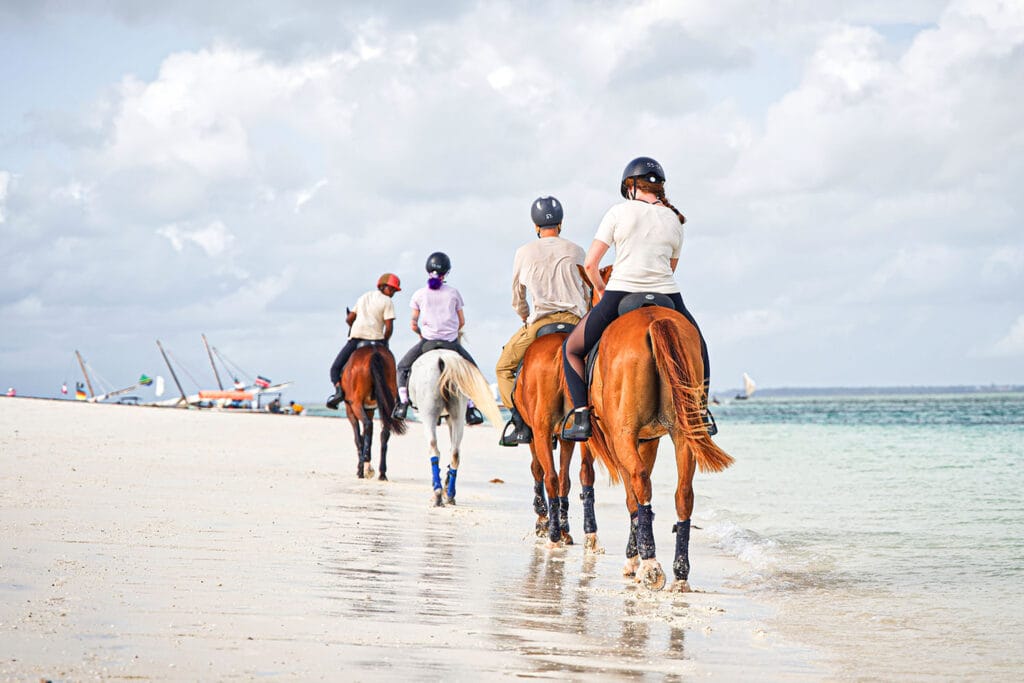
The best time for kite surfing in Zanzibar Read More »

A family poses together against a rustic stone wall in Cuando Cubango Province, Angola.

Supporting Local Communities on Safari: How Your Travel Can Make a Difference

Safari adventures in Africa are about more than just experiencing the thrill of wildlife and vast landscapes—they’re also about supporting the communities that live alongside these natural wonders. When you choose to travel with a responsible safari operator, you play an important role in uplifting local communities, preserving their culture, and contributing to their economic growth. Here’s how your safari can have a positive impact on the communities you visit. Book Your Safari with Future African Safari: Supporting Communities Through Travel At Future African Safari, we believe that responsible tourism has the power to change lives. Our safaris are designed to promote cultural exchange, support local communities, and contribute to conservation efforts. Whether through staying in locally owned lodges, engaging in cultural experiences, or participating in community development projects, your safari can help ensure that local communities thrive alongside Africa’s natural beauty. Book your safari today and support local communities while exploring the wonders of Africa. 1. Eco-Friendly Accommodations with Local Ownership Many safari lodges and camps are locally owned and operated, meaning the revenue generated from your stay directly benefits the surrounding communities. These eco-lodges often: Create Jobs: From guides and cooks to hospitality staff and maintenance workers, your visit creates employment opportunities. Support Education and Healthcare: Some lodges allocate funds to local schools, clinics, and infrastructure projects. Promote Cultural Preservation: Local staff help preserve traditional customs and ensure that their culture is shared respectfully with guests. 2. Cultural Experiences and Community Tours A great way to connect with local communities is by engaging in cultural exchanges. These experiences offer a deeper understanding of the area while benefiting the community: Maasai Village Visits: In Kenya and Tanzania, Maasai villages offer insight into their rich traditions, allowing guests to learn about their way of life while directly supporting their livelihoods. Craft Markets: Buying locally made crafts, clothing, and jewelry helps sustain traditional artisans and promotes fair trade. Community-Led Wildlife Tours: In places like Uganda and Botswana, communities often lead nature walks or bird-watching tours, allowing you to explore the land from their perspective while supporting their livelihoods. 3. Conservation Projects That Benefit Both Wildlife and People Many conservation projects are designed to protect both the environment and local communities. When you choose a safari that supports these initiatives, you contribute to the health of the ecosystem while improving the lives of the people who live there: Anti-Poaching Initiatives: Conservation programs often employ local people as rangers or guides, providing them with stable income while protecting wildlife. Sustainable Agriculture Projects: Some safaris contribute to agricultural programs that teach local communities how to farm sustainably, providing food and resources while preserving the environment. Revenue Sharing Programs: In areas like the Serengeti or Okavango Delta, a portion of safari fees often goes toward community development projects that directly benefit the local population. 4. Creating Economic Opportunities By choosing a safari that prioritizes local involvement, you help stimulate the local economy. This includes: Supporting Local Businesses: Your visit to a small, locally-owned business, whether it’s a restaurant, shop, or farm, helps keep the community thriving. Promoting Responsible Tourism: Community-based tourism programs are designed to ensure that local populations benefit from tourism, without the negative effects of mass tourism. Training and Capacity Building: Many safari operators offer training to local guides and community members in hospitality, conservation, and entrepreneurship, ensuring that communities are empowered for the future. 5. Volunteering and Giving Back Some safari packages offer guests the opportunity to volunteer while they travel. You can contribute to projects such as: Wildlife Conservation: Participate in habitat restoration, anti-poaching patrols, or animal tracking. Community Development: Volunteer at local schools or clinics, helping to improve education and healthcare. Environmental Awareness: Join local initiatives that focus on protecting the environment and raising awareness about sustainable practices. 6. Supporting Fair Trade Initiatives Many safari operators work with local artisans, farmers, and suppliers who adhere to fair trade principles. This ensures that workers are paid a fair wage and that local businesses grow sustainably. When you purchase goods or services, you support these ethical initiatives and contribute to the long-term well-being of the community. 7. Minimizing Your Environmental Impact Supporting local communities also means respecting the environment they depend on. Choose safari operators who: Promote Low-Impact Travel: Use eco-friendly vehicles, minimize waste, and conserve water and energy. Adopt Sustainable Practices: Use renewable energy, recycle, and promote responsible wildlife viewing that doesn’t disturb animals. Encourage Conservation Education: Learn about the local ecosystem, wildlife, and conservation efforts during your trip, and leave a positive impact through your actions. Customize Your Adventure Kilimanjaro 3 tours Safari 9 tours Zanzibar 3 tours

Supporting Local Communities on Safari: How Your Travel Can Make a Difference Read More »

Children in Alexandria exploring a local bakery with fresh bread, reflecting Egyptian street culture.

Traveling Zanzibar with kids: tips and tricks

Traveling to Zanzibar with kids can be an exciting adventure filled with beautiful beaches, cultural experiences, and wildlife encounters. While Zanzibar is an incredible destination for families, planning ahead ensures a smooth and enjoyable trip for everyone. Here are some essential tips and tricks for traveling to Zanzibar with kids. 1. Choose Family-Friendly AccommodationZanzibar has a wide range of accommodation options, from luxury resorts to cozy beachside villas. For families traveling with kids, it’s important to choose places that cater to their needs, offering kid-friendly amenities and services. Family Resorts: Look for resorts with family rooms, kid-friendly pools, and activities such as kids’ clubs, playgrounds, or organized excursions tailored for young travelers. Private Villas: Renting a private villa can give your family more space and privacy, making it easier to manage your kids’ routines. Many villas come with kitchenettes, so you can prepare meals for picky eaters. Childcare Services: Some luxury resorts offer babysitting services or childcare facilities, which can be a huge help for parents wanting some time to relax. 2. Pack Smart for the Tropical ClimateZanzibar’s tropical climate is warm year-round, with high humidity and temperatures often exceeding 30°C (86°F). Being prepared for the heat and humidity will ensure your kids stay comfortable and safe during your trip. Sun Protection: Pack a good quality sunscreen (SPF 30 or higher), sunglasses, and hats to protect your children from the strong sun. You’ll also want to dress them in lightweight, long-sleeved clothing to shield their skin from sunburn. Insect Repellent: Zanzibar is known for mosquitoes, particularly at dawn and dusk. Bring a DEET-based insect repellent or citronella spray to protect your kids from bites. Mosquito nets are also helpful, especially when staying in open-air or rural accommodations. Lightweight Clothing: Loose, breathable clothes made from cotton are ideal for the hot climate. Don’t forget swimwear, as Zanzibar is famous for its pristine beaches. 3. Prepare for Long Travel TimesIf you’re traveling from mainland Tanzania or a long-haul flight, consider the long travel times to Zanzibar, especially for young children. Make the journey more comfortable and stress-free with these tips: Snacks and Entertainment: Pack plenty of snacks, drinks, and entertainment to keep your kids occupied during long flights or drives. Consider downloadable games, books, or favorite toys to help keep them distracted. Frequent Breaks: During long drives to the airport or between activities, plan frequent breaks for bathroom stops and to stretch out. This is particularly important for younger kids who may get restless. Travel Pillow and Blanket: A travel pillow and blanket can make naps more comfortable, especially during long flights or car rides. 4. Be Mindful of Food and Water SafetyWhile Zanzibar offers delicious and diverse food, it’s important to be cautious about what your kids eat to avoid foodborne illnesses. Eat at Reputable Places: Opt for restaurants with good hygiene practices. Street food can be tempting, but it may not always meet safety standards. Avoid Tap Water: Stick to bottled or purified water for drinking and brushing teeth. Encourage your children to avoid ice, as it may be made from tap water. Child-Friendly Meals: Zanzibar’s cuisine may be unfamiliar to your kids, so choose milder dishes like rice, grilled chicken, or pasta. Be sure to inquire about any spices in local dishes. 5. Plan Kid-Friendly ActivitiesZanzibar is a fantastic destination for family fun, offering a wide range of activities that kids will love. Plan your itinerary to include both relaxing and educational experiences that will keep your children entertained. Beaches: Zanzibar is famous for its beautiful beaches. Many of them have calm, shallow waters perfect for young children to splash around safely. Nungwi and Kendwa are great beaches for families. Snorkeling and Glass-Bottom Boat Rides: Take your kids on a glass-bottom boat ride to explore the coral reefs without getting wet. For older children, snorkeling can be a thrilling activity, allowing them to see colorful fish and marine life. Wildlife Experiences: Visit the Jozani Forest, home to the rare red colobus monkeys, or take a boat trip to Prison Island to meet the giant tortoises. These wildlife encounters will provide educational and fun experiences for your kids. Spice Tour: A spice farm tour can be a great sensory experience for kids, allowing them to learn about Zanzibar’s rich agricultural history while smelling and tasting fresh spices. Stone Town: While a walking tour through Stone Town can be fascinating for adults, some kids may find it a bit overwhelming. If you visit, consider keeping the tour short and making stops at local markets for some fun souvenirs. 6. Manage Health and SafetyEnsuring your child’s health and safety while traveling is a top priority, especially in a tropical destination like Zanzibar. Vaccinations: Make sure your kids are up to date on vaccinations, including those for yellow fever, typhoid, and hepatitis A. Malaria is also a concern, so speak with your healthcare provider about the best precautions, such as malaria tablets. Travel Insurance: Invest in comprehensive travel insurance that covers medical emergencies for your family. This is important in case of any unexpected illness or injury during your trip. First-Aid Kit: Pack a first-aid kit with essentials like band-aids, antiseptic wipes, pain relief, and any prescription medications your kids may need. It’s also helpful to carry anti-diarrheal medication in case of stomach upsets. 7. Take Your Time and Stay FlexibleWhen traveling with kids, things don’t always go as planned, so it’s important to stay flexible and take it slow. Pace Your Activities: Avoid over-scheduling. Allow plenty of downtime at the beach or by the pool to keep the kids happy and relaxed. Be Prepared for Change: Whether it’s a change in weather or an unplanned delay, having a relaxed attitude will make your trip much more enjoyable for the whole family. Keep Safety in Mind: Always keep a close eye on your children, especially when swimming or exploring. Teach them about safety in the water, and ensure they wear life vests if necessary. Traveling to Zanzibar with kids offers the chance

Traveling Zanzibar with kids: tips and tricks Read More »

Алтайский пейзаж

Top Eco-Tourism Safari Destinations: Explore Africa Sustainably

Africa is a continent of vast landscapes and unparalleled wildlife. As more travelers seek to connect with nature, eco-tourism has become a powerful way to explore its wonders responsibly. From sustainable lodges to wildlife conservation programs, eco-tourism safaris allow you to enjoy Africa’s beauty while preserving it for future generations. Here are some of the top eco-tourism safari destinations that offer incredible experiences with a focus on sustainability. 1. Serengeti National Park, Tanzania The Serengeti is one of Africa’s most iconic eco-tourism destinations, famous for its Great Migration and diverse wildlife. Sustainable practices in the Serengeti include: Eco-Friendly Lodges: Many lodges operate with solar energy and water conservation practices. Conservation Projects: Proceeds from safaris often go to fund anti-poaching efforts and habitat restoration. Community Involvement: Some safaris offer visits to local villages, where your tourism directly benefits the community. 2. Okavango Delta, Botswana Botswana’s Okavango Delta is a UNESCO World Heritage Site, known for its pristine beauty and unique ecosystem. Eco-tourism in the Delta focuses on: Low-Impact Safari Activities: Canoeing and walking safaris allow you to experience the wildlife without disturbing the natural environment. Sustainable Lodges: Many accommodations are built with local materials and operate off the grid, using solar power and waste management systems. Wildlife Conservation: By choosing eco-tourism, you contribute to preserving endangered species like African wild dogs and rhinos. 3. Bwindi Impenetrable Forest, Uganda Home to half of the world’s remaining mountain gorillas, Bwindi Impenetrable Forest offers eco-tourism experiences that help protect these critically endangered animals. Eco-friendly aspects of a visit include: Gorilla Trekking Permits: Fees from permits fund gorilla conservation and local community projects. Community-Based Tourism: Local guides, many from nearby villages, share their knowledge of the forest and the gorillas they work to protect. Sustainable Lodges: Eco-lodges in the area minimize their environmental footprint through waste reduction and energy-efficient practices. 4. Chobe National Park, Botswana Chobe is home to one of the largest concentrations of elephants in Africa. Eco-tourism here focuses on: Conservation Efforts: Entrance fees fund anti-poaching initiatives and wildlife monitoring programs. River-Based Safaris: Eco-friendly boats powered by solar energy give you a peaceful and low-impact way to explore the park. Local Partnerships: Community-run lodges and camps ensure that a portion of the revenue supports local development and conservation. 5. Madikwe Game Reserve, South Africa Madikwe is a private reserve that has earned its reputation for both luxury and sustainability. The eco-tourism initiatives here include: Wildlife Conservation: Proceeds from safaris go directly toward preserving endangered species like rhinos and wild dogs. Eco-Friendly Accommodations: Lodges are designed with minimal environmental impact in mind, featuring sustainable building materials and water-saving practices. Community Engagement: The reserve works with local communities to create jobs and provide educational opportunities. 6. Zambezi River, Zambia The Zambezi River offers a unique eco-tourism experience, combining pristine river environments with abundant wildlife. Eco-tourism here focuses on: Water-Based Safaris: Explore the river by canoe or boat, minimizing your impact while offering a chance to observe wildlife like elephants, hippos, and crocodiles. Conservation Education: Learn from experts about sustainable fishing practices and conservation efforts to protect the river ecosystem. Sustainable Lodges: Many of the camps and lodges use renewable energy and recycle waste to reduce their environmental footprint. 7. Namib Desert, Namibia The Namib Desert is one of the oldest deserts in the world, with a stunning landscape of sand dunes and unique wildlife. Eco-tourism here is focused on: Low-Impact Safaris: Small group tours reduce the environmental impact while offering travelers a chance to experience the desert’s beauty. Sustainable Accommodations: Many lodges use solar energy, minimize water usage, and are built from sustainable materials. Conservation Partnerships: Proceeds from safaris help fund wildlife research and protect the desert’s endangered species, including desert-adapted elephants and black rhinos. Why Choose Eco-Tourism? Sustainable Travel: Eco-tourism reduces your carbon footprint while supporting conservation and local communities. Authentic Experiences: Engage with nature in a way that fosters respect for wildlife and local cultures. Positive Impact: Your visit contributes to preserving Africa’s most treasured ecosystems for future generations. Book Your Eco-Tourism Safari with Future African Safari At Future African Safari, we are committed to bringing you eco-tourism experiences that are both enriching and sustainable. Explore Africa’s most remarkable destinations while contributing to their preservation. From luxurious eco-lodges to exciting low-impact safaris, we offer packages designed for the responsible traveler. Ready to embark on a sustainable safari adventure? Book your eco-tourism safari today and travel with a purpose! Customize Your Adventure Kilimanjaro 3 tours Safari 9 tours Zanzibar 3 tours
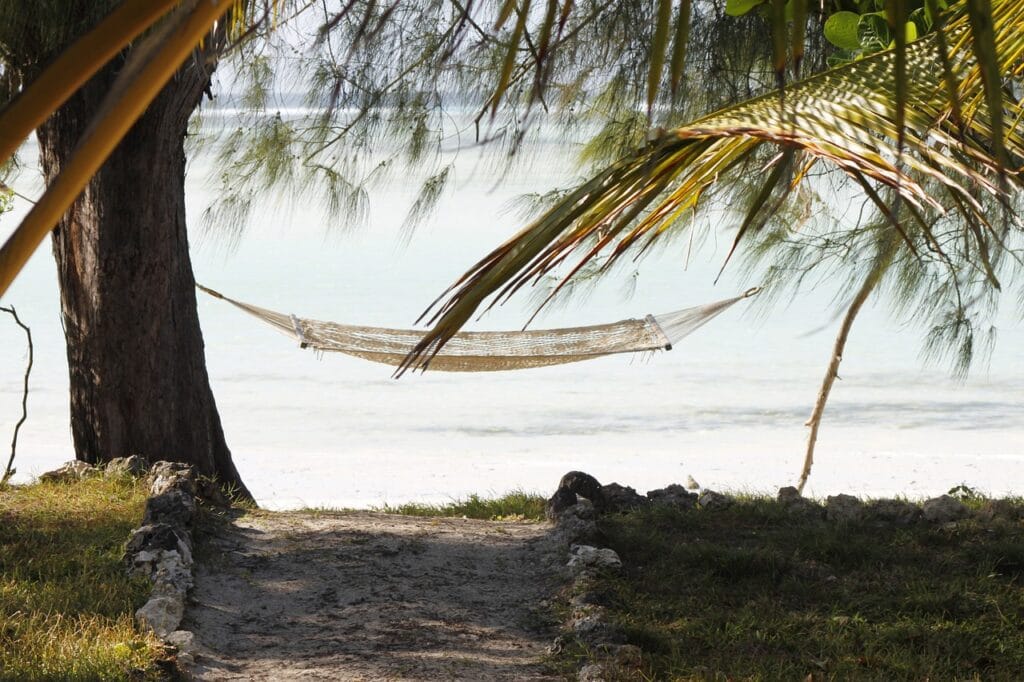
Top Eco-Tourism Safari Destinations: Explore Africa Sustainably Read More »

Beautiful floral archway on a beach at sunset, perfect for weddings and events.

How to plan a beach wedding in Zanzibar

Planning a beach wedding in Zanzibar is an unforgettable experience, combining breathtaking scenery, rich cultural heritage, and an idyllic tropical setting. Whether you dream of a simple ceremony with just a few close family members or a grand celebration with guests from around the world, Zanzibar offers the perfect backdrop for your big day. Here’s a step-by-step guide to help you plan the wedding of your dreams on this stunning island.  1. Choose the Right Beach LocationZanzibar is renowned for its pristine beaches, each offering a unique atmosphere. The first step in planning your beach wedding is choosing the perfect beach location that aligns with your vision. Best Beaches for Weddings: Nungwi: Known for its crystal-clear waters and lively atmosphere, Nungwi is ideal for couples who want a more vibrant beach vibe. Bwejuu: If you’re looking for tranquility and privacy, Bwejuu’s serene beaches offer a more intimate and secluded setting. Paje: This beach is perfect for couples who enjoy a laid-back, bohemian vibe with activities like kite surfing and beach parties. Kendwa: Famous for its spectacular sunsets, Kendwa is perfect for couples dreaming of a romantic sunset wedding. Matemwe: A quiet, picturesque beach with coral reefs, ideal for a serene and intimate wedding. 2. Select the Time of YearZanzibar’s climate is tropical, with warm temperatures year-round. However, it’s important to consider the best time to visit based on weather patterns and tourism seasons. Best Time to Get Married: Dry Season (June to October): This is the most popular time for weddings in Zanzibar. The weather is warm, sunny, and dry, offering the ideal conditions for a beach ceremony. Shoulder Season (November to March): These months are great for a more affordable wedding, though the weather can be more unpredictable with occasional showers. Avoid the Rainy Season (April to May): Zanzibar experiences its long rainy season during these months, which could affect your wedding plans. It’s best to avoid this period for outdoor ceremonies. 3. Decide on Your Wedding StyleZanzibar offers a wide variety of wedding styles, from traditional Swahili ceremonies to modern beach celebrations. Choose the style that reflects your personality and the atmosphere you want for your big day. Traditional Swahili Wedding: Incorporate local culture by opting for a Swahili wedding ceremony, complete with vibrant attire, drumming, and local music. Beach Chic: If you prefer a more relaxed vibe, consider a barefoot wedding with casual outfits and beachy decor, such as seashells, candles, and flowing fabrics. Luxury Destination Wedding: For a more glamorous affair, consider a luxury resort that can offer white-glove services, such as private beachfront dinners, premium decor, and a professional photographer. 4. Hire a Local Wedding PlannerPlanning a wedding abroad can be overwhelming, especially when dealing with logistics, vendors, and legal requirements. Hiring a local wedding planner who is experienced in Zanzibar can ease the process and help you make your dream wedding a reality. Why Hire a Planner: Local wedding planners have the expertise and contacts to organize every aspect of your wedding, from obtaining permits to hiring reliable vendors. They can also help navigate any language barriers and ensure cultural traditions are respected. 5. Legal Requirements for a Wedding in ZanzibarBefore you can tie the knot in Zanzibar, there are a few legal requirements to consider. Make sure to complete these steps well in advance of your wedding day. Marriage Certificate: Foreign couples must apply for a marriage license at the Zanzibar Ministry of Justice and Constitutional Affairs. Both partners will need to provide identification (passports, birth certificates), proof of single status, and a witness. Marriage Official: You can choose to have a local official, religious leader, or a professional celebrant perform the ceremony. Your wedding planner can assist with organizing this. Documents: Be sure to have all the necessary documents prepared ahead of time. Your wedding planner can help guide you through the paperwork process. 6. Choose Vendors and ServicesZanzibar offers a range of talented vendors to make your wedding day perfect. Some key services to consider include: Photographer and Videographer: Capture your special moments with a professional photographer who knows how to work with the natural light and stunning backdrop Zanzibar provides. Florist: A local florist can create breathtaking bouquets and arrangements using tropical flowers like frangipani, bougainvillea, and orchids. Catering: For a truly authentic experience, consider local catering options that offer delicious Swahili dishes, such as biryani, samaki (grilled fish), and mishkaki (kebabs). Entertainment: Hire a local band, traditional dancers, or a DJ to provide entertainment during the reception. You could also choose to include a Swahili drumming performance for a cultural touch. Hair and Makeup: Ensure you look your best on your big day by booking a local stylist who is familiar with Zanzibar’s climate and can create a look that lasts all day. 7. Plan Your Reception and CelebrationsAfter the ceremony, celebrate with a reception that reflects your style and preferences. Zanzibar’s stunning beaches and resorts offer a variety of reception options. Beachfront Reception: Host a romantic dinner under the stars on the beach, with candles, lanterns, and fairy lights creating a magical atmosphere. Resort Reception: Many Zanzibar resorts offer luxurious event spaces, with options for private beach dinners or traditional indoor banquet halls. Cultural Celebrations: Incorporate local traditions into your reception, such as a Swahili feast, traditional dances, or a wedding toast with coconut wine. 8. Honeymoon in ZanzibarZanzibar is an ideal honeymoon destination with its luxurious resorts, pristine beaches, and vibrant culture. After your wedding, indulge in a relaxing honeymoon by enjoying private beach dinners, spa treatments, and excursions to explore the island’s history and natural beauty. Romantic Honeymoon Options: Private Beach Resorts: Stay in a luxurious villa or beachfront suite with direct access to the ocean, perfect for a romantic and intimate retreat. Excursions: Take a private boat trip to nearby islands, visit Stone Town for a cultural tour, or explore the Jozani Forest for an eco-friendly adventure. Planning a beach wedding in Zanzibar can be a seamless and unforgettable experience with the right preparation.

How to plan a beach wedding in Zanzibar Read More »

savannah, africa, safari

Conservation-Focused Safaris in the Serengeti: Protecting Africa’s Heartbeat

The Serengeti is one of Africa’s most iconic and pristine wildernesses, home to the Great Migration and an array of wildlife. A conservation-focused safari here isn’t just an opportunity to witness nature at its finest—it’s also a chance to contribute to its preservation. Here’s why a conservation safari in the Serengeti should be at the top of your list: Customize Your Adventure Explore Serengeti with Future African Safari At Future African Safari, we are passionate about sustainability and conservation. Our Serengeti safaris not only give you a chance to see the park’s wildlife up close but also offer you the opportunity to contribute to conservation efforts. With our expert guides, eco-friendly accommodations, and focus on community involvement, your safari will leave a lasting, positive impact on both you and the Serengeti. Book your conservation-focused Serengeti safari today and be part of the solution! 1. Support Wildlife Conservation Efforts The Serengeti is a hub for ongoing wildlife conservation. By choosing a conservation-focused safari, you help fund crucial projects such as: Anti-poaching Initiatives: Collaborating with local rangers to protect endangered species like rhinos and elephants. Wildlife Corridors: Supporting the creation and maintenance of corridors for migrating animals to move safely across the landscape. Monitoring Populations: Contributing to programs that track animal health, migration patterns, and biodiversity. 2. Stay in Eco-Conscious Lodges Many lodges in the Serengeti are designed with sustainability in mind. These eco-lodges are: Solar-Powered: Using renewable energy to minimize environmental impact. Water-Efficient: Employing water-saving technologies and practices, essential in the arid landscape. Locally-Owned: Benefiting local communities and reinvesting into conservation and community development. 3. Engage with Local Communities Serengeti’s neighboring communities play a vital role in conservation. Conservation-focused safaris offer: Cultural Experiences: Visits to local villages where you can learn about sustainable farming, traditional practices, and conservation initiatives. Community-Led Safaris: Join local Maasai and other indigenous groups on guided tours that share both cultural heritage and their role in wildlife protection. Direct Impact: Some safaris contribute to education, healthcare, and infrastructure projects within these communities, supporting both people and wildlife. 4. Learn from Expert Guides Guides on conservation-focused safaris are often trained to educate travelers on local ecosystems, wildlife behaviors, and conservation challenges. They: Share insights on how to minimize your impact. Highlight the significance of preserving the Serengeti’s biodiversity. Explain ongoing conservation strategies in the park and beyond. 5. Participate in Conservation Activities Some conservation-focused safaris offer unique, hands-on experiences such as: Tree Planting Programs: Help restore the Serengeti’s natural landscapes and combat deforestation. Wildlife Tracking: Participate in monitoring efforts by tracking and observing wildlife. Conservation Workshops: Learn from experts about the challenges of preserving one of the world’s most famous ecosystems. 6. Ethical Wildlife Viewing During your safari, ethical practices are paramount. You’ll enjoy wildlife encounters without disturbing the animals, respecting their space and natural behaviors. Conservation-focused safaris also: Limit vehicle numbers in sensitive areas. Avoid chasing or feeding animals. Follow strict guidelines to ensure minimal environmental disturbance. Customize Your Adventure Kilimanjaro 3 tours Safari 9 tours Zanzibar 3 tours
Conservation-Focused Safaris in the Serengeti: Protecting Africa’s Heartbeat Read More »

Scroll to Top