Safari

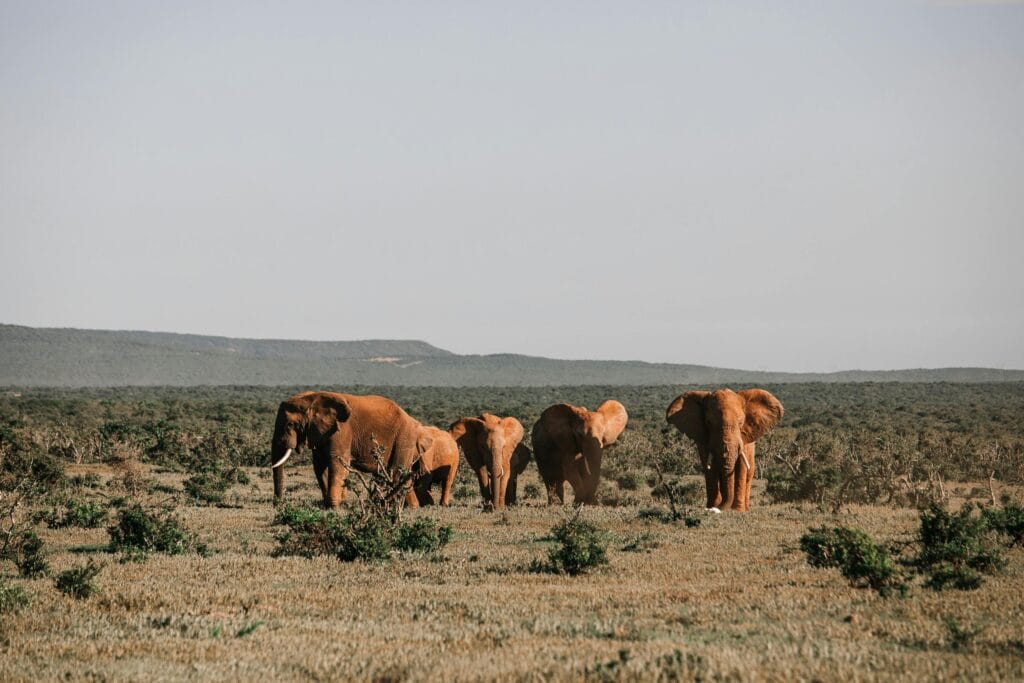
A herd of African elephants grazing on a sunlit savanna, showcasing wildlife in their natural habitat.

Must-See Wildlife in Ruaha National Park: Tanzania’s Best-Kept Secret

Ruaha National Park, Tanzania’s largest national park, is a haven for wildlife enthusiasts seeking raw and untouched wilderness. Stretching across 20,000 square kilometers, this remote park is a biodiversity hotspot, offering an incredible range of species that thrive in its diverse landscapes of miombo woodlands, savannahs, and riverine forests. With fewer tourists than other Tanzanian parks, Ruaha promises an intimate and exclusive safari experience. Customize your Adventure 1. Lions: The Kings of Ruaha Ruaha is home to one of Africa’s largest lion populations, making it a premier destination for observing these majestic predators. What Makes Them Special: Lions in Ruaha are known for their unusual hunting techniques, including taking down large prey like giraffes and buffaloes. The pride sizes here are larger than average, with some boasting over 20 members. Best Spots:Along the Great Ruaha River, where lions often rest in the shade or stalk prey. 2. African Elephants: Gentle Giants Ruaha’s elephants are among the most iconic residents of the park, seen in impressive herds that roam the park’s open plains and woodlands. Highlights: Observe them digging into riverbeds during the dry season to access underground water. Elephants in Ruaha play a crucial role in shaping the ecosystem by breaking trees and creating pathways. 3. Leopards: Masters of Stealth Leopards are elusive and mysterious, but Ruaha offers some of the best chances to spot them in Tanzania. Where to Look: The park’s riverine forests and rocky outcrops are prime leopard habitats. Early morning and late evening game drives increase your chances of a sighting. 4. African Wild Dogs: Endangered Predators Ruaha is a critical stronghold for the endangered African wild dog, also known as the painted wolf. Why They’re Special: These highly social animals are known for their cooperative hunting and strong pack bonds. Their unique coat patterns make each wild dog individually identifiable. Best Time to See Them:During the dry season, when packs are more active and easier to track. 5. Greater and Lesser Kudu: Elegant Antelopes Ruaha is a hotspot for kudu sightings, particularly the greater kudu, which is rare in other parts of East Africa. Highlights: Male greater kudus are distinguished by their striking spiraled horns. They are often found in the miombo woodlands and dry riverbeds. 6. Birds of Prey: Raptors and Vultures With over 570 recorded bird species, Ruaha is a birder’s paradise, especially for those fascinated by raptors. Key Species: Martial eagles, bateleurs, and crowned eagles are commonly seen soaring above the savannahs. Ruaha also supports a healthy population of vultures, essential for the ecosystem. 7. Giraffes: Towering Beauties Ruaha is home to a significant population of giraffes, often seen gracefully moving across the plains or browsing from acacia trees. Interesting Fact:The giraffe is Tanzania’s national animal, and Ruaha provides a stunning backdrop to observe them in their natural habitat. 8. Crocodiles and Hippos: River Dwellers The Great Ruaha River and its tributaries are lifelines for aquatic species, particularly crocodiles and hippos. Highlights: Hippos can be seen wallowing in pods, particularly during the midday heat. Crocodiles bask along the riverbanks, waiting for an unsuspecting prey to come too close. 9. Cheetahs: Speed in Action While less common than lions or leopards, cheetahs roam Ruaha’s open plains, where their speed is a critical advantage. Where to Spot Them: Look for cheetahs in the grassy plains during early morning drives. 10. Rare and Lesser-Seen Mammals Ruaha’s diversity extends to rarer species that excite wildlife enthusiasts. Notable Species: Roan Antelope: These rare antelopes are among the most striking animals in the park. Sable Antelope: Found in the park’s miombo woodlands, their curved horns and dark coats are unforgettable. Honey Badgers: These fearless creatures are occasional sightings in Ruaha. Why Visit Ruaha for Wildlife? Diverse Ecosystems:The variety of habitats supports an extraordinary range of species. Off-the-Beaten-Path:Fewer tourists mean you’ll enjoy undisturbed wildlife encounters. Unique Safari Experiences:Beyond game drives, Ruaha offers walking safaris, allowing you to explore the park on foot and connect deeply with its ecosystems. When to Visit Ruaha National Park Dry Season (June to October):Wildlife congregates around water sources, making animals easier to spot. Wet Season (November to May):The park turns lush and green, and birdwatching is exceptional with the arrival of migratory species. Ruaha National Park is a wildlife gem that delivers unforgettable safari moments in its raw, untamed landscapes. Whether it’s the sight of a lion pride on the hunt, the grace of a kudu in the woodlands, or the playful antics of elephants by the river, Ruaha promises a safari like no other. Book your Ruaha adventure with Future African Safari and experience the best of Tanzania’s wilderness.  4o Kilimanjaro 3 tours Safari 9 tours Zanzibar 3 tours

Must-See Wildlife in Ruaha National Park: Tanzania’s Best-Kept Secret Read More »
pexels-photo-29695769-29695769.jpg

Exploring Lake Manyara’s Diverse Habitats: A Microcosm of African Beauty

Nestled at the base of the Rift Valley escarpment, Lake Manyara National Park is a treasure trove of diverse ecosystems, wildlife, and breathtaking landscapes. Though small compared to other Tanzanian parks, it punches well above its weight, offering a condensed yet incredibly rich safari experience. From dense forests to shimmering soda lakes, the park’s varied habitats make it a haven for wildlife and a feast for the senses. Book Now 1. The Groundwater Forest: A Shady Sanctuary As you enter Lake Manyara National Park, you’re greeted by a lush, evergreen groundwater forest. This habitat, sustained by natural springs, creates a cool, shaded environment perfect for a variety of wildlife. Wildlife Highlights: Blue monkeys and olive baboons are commonly seen foraging among the trees. Bushbucks and duikers move quietly through the undergrowth. Unique Features:The forest’s canopy is alive with birdlife, including the striking silvery-cheeked hornbill. 2. The Acacia Woodlands: Where Predators Roam Beyond the forest lies the open acacia woodland, a prime area for spotting larger mammals and predators. Wildlife Highlights: Tree-climbing lions, a rare phenomenon, are a key attraction. These big cats lounge in the branches of acacia trees, providing unique photographic opportunities. Elephants roam freely here, often seen stripping bark from trees. Birdlife:Keep an eye out for crested guinea fowls and hornbills. 3. The Alkaline Lake: A Flamingo Paradise Lake Manyara itself is a shallow, alkaline soda lake that dominates the park’s landscape. Its fluctuating size depends on the season, but its importance as a habitat remains constant. Wildlife Highlights: Flocks of flamingos create a pink haze along the shoreline, especially during the wet season. Other waterbirds like pelicans, storks, and herons thrive in the lake’s nutrient-rich waters. Why It’s Special:The lake’s reflective surface creates stunning photo opportunities, especially at sunrise and sunset. 4. The Rift Valley Escarpment: A Scenic Backdrop The towering Rift Valley escarpment provides not only a dramatic backdrop but also a unique habitat for wildlife. Wildlife Highlights: Klipspringers and other rock-dwelling animals navigate the steep cliffs. Raptors, including eagles and vultures, soar above the escarpment. Visitor Experience:The escarpment offers panoramic views of the park and the lake below, ideal for photography and peaceful contemplation. 5. The Hot Springs: Bubbling Wonders Near the southern edge of the park, geothermal activity manifests as hot springs, locally known as “Maji Moto.” Why Visit: These bubbling springs create an otherworldly landscape against the arid plains. The area is a favorite spot for waterbirds and serves as a unique ecosystem within the park. Interesting Fact:The springs are a reminder of the volcanic activity that shaped the Rift Valley millions of years ago. 6. The Open Plains: A Contrast of Life The grassy plains of Lake Manyara National Park stretch toward the lake and support grazing animals and their predators. Wildlife Highlights: Zebras, wildebeests, and giraffes are commonly seen grazing. Predators like hyenas and leopards lurk, adding excitement to the plains. Birdlife:Birds of prey like martial eagles and tawny eagles are often spotted scanning the plains for a meal. 7. Seasonal Changes in Habitats Lake Manyara’s habitats transform dramatically with the seasons, offering unique experiences year-round. Wet Season (November to May): The lake swells, attracting thousands of flamingos and other waterbirds. Lush greenery covers the park, making it a haven for herbivores. Dry Season (June to October): Wildlife congregates around water sources, making it easier to spot large mammals. The receding lake exposes mudflats that attract different bird species. Why Lake Manyara is a Must-Visit Biodiversity Hotspot:With over 400 bird species and a variety of mammals, the park is ideal for wildlife enthusiasts. Compact Yet Diverse:The park’s small size allows visitors to experience multiple ecosystems in a single day. Unique Attractions:From tree-climbing lions to bubbling hot springs, Lake Manyara offers surprises at every turn. Customize your Adventure Kilimanjaro 3 tours Safari 9 tours Zanzibar 3 tours

Exploring Lake Manyara’s Diverse Habitats: A Microcosm of African Beauty Read More »

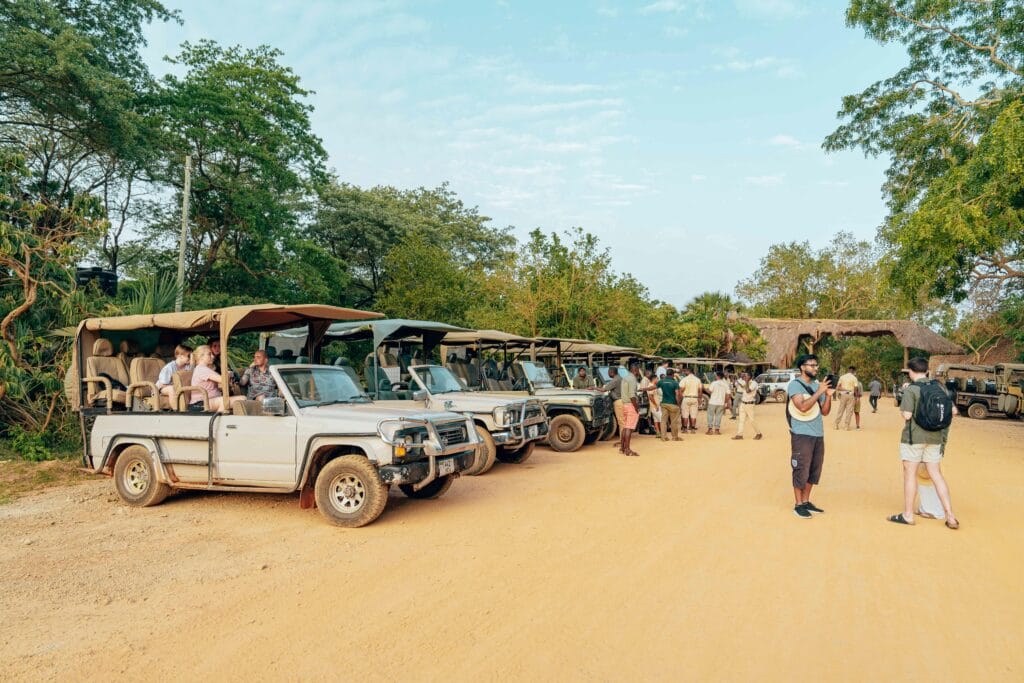
A group of people preparing for a safari tour in open-top 4x4 vehicles on a sunny day.

Differences between open and closed safari vehicles

When it comes to safari vehicles, one of the key decisions you’ll face is whether to choose an open or closed vehicle. Each type has its advantages, depending on your preferences for wildlife viewing, comfort, and overall safari experience. Here’s a breakdown of the differences to help you choose the best option for your trip with Future African Safari. Book Now Open Safari Vehicles Open safari vehicles are the most popular choice for those looking for an immersive, unfiltered wildlife experience. Enhanced Wildlife Viewing: With no walls or windows to obstruct the view, open vehicles provide an unobstructed 360-degree view of the surroundings, allowing you to spot animals from all angles. Better Photography Opportunities: The open design makes it easier to take clear, unrestricted photos, whether you’re capturing a lion’s roar or a herd of elephants in the distance. More Connection with Nature: Being close to the elements enhances the feeling of adventure, with the sounds, smells, and even the wind in your hair contributing to the experience. Higher Visibility: Open vehicles are great for viewing wildlife, especially for birdwatching and spotting elusive creatures that might otherwise remain hidden in dense foliage. Vibrant Atmosphere: Traveling in an open vehicle with a small group can feel more social and lively, as everyone shares the excitement of animal sightings. However, there are some considerations: Exposure to the Elements: Open vehicles provide little protection from sun, rain, dust, or cold, so it’s essential to be prepared with sunscreen, layers of clothing, and rain gear. Less Privacy: Since there are usually multiple passengers, it can be a bit crowded, especially in peak safari seasons. Closed Safari Vehicles Closed safari vehicles offer a more sheltered and comfortable way to experience a safari, providing additional protection and privacy. Climate Control: Closed vehicles provide shelter from the weather, keeping you warm on chilly mornings and offering protection from the midday sun, rain, and wind. More Comfort: These vehicles often have air conditioning, cushioned seats, and other amenities that ensure a more relaxed experience, especially during long drives. Privacy: For couples or families, a closed vehicle offers a more intimate experience without the presence of other passengers. Safety and Security: Closed vehicles can provide added peace of mind when driving through areas with potentially dangerous wildlife, as you are fully enclosed and protected. Less Disruption: The enclosed nature of the vehicle can minimize distractions and noise, allowing for a more serene safari experience. However, the closed design has its drawbacks: Limited Viewing: While closed vehicles often have large windows, the view can be somewhat obstructed, especially for taller passengers or during peak safari times when the vehicle is full. Reduced Wildlife Interaction: The feeling of being separated from the environment is lessened in a closed vehicle, and the absence of open-air exposure can make it feel less adventurous. Which Option is Best for You? Choose Open Vehicles If: You prioritize wildlife viewing and photography opportunities. You want a more immersive, adventurous safari experience. You’re prepared for the weather conditions and want to connect more closely with nature. Choose Closed Vehicles If: You prefer comfort, privacy, and protection from the elements. You’re traveling with children, elderly passengers, or anyone who needs more shelter. You want a more relaxed and less physically demanding experience. Both open and closed vehicles offer unique safari experiences, and the right choice depends on what kind of adventure you want to have. Future African Safari ensures that whatever your choice, you’ll have a fantastic, memorable journey through Tanzania’s breathtaking landscapes. Customize your Adventure Kilimanjaro 3 tours Safari 9 tours Zanzibar 3 tours

Differences between open and closed safari vehicles Read More »

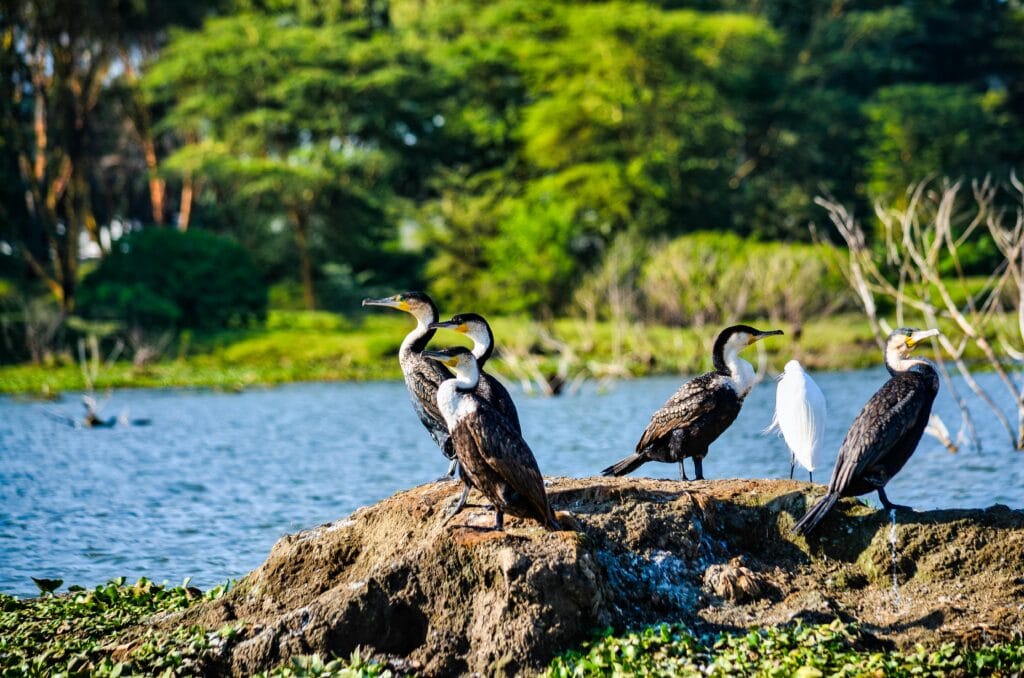
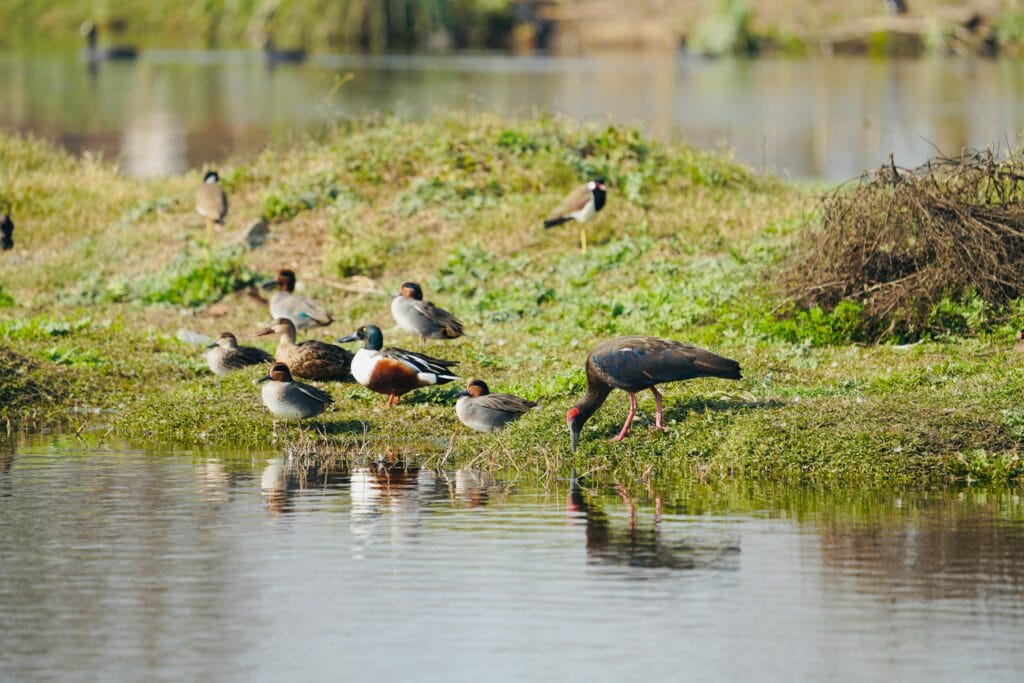
Diverse bird species by Lake Nakuru, Kenya, showcasing vibrant wildlife and natural beauty.

Lesser-known facts about Tanzania’s wildlife

Tanzania, renowned for its stunning landscapes and rich biodiversity, is home to some of the world’s most iconic wildlife. However, beyond the well-known sights of the Serengeti’s wildebeest migration and the Ngorongoro Crater’s rich wildlife, there are some fascinating and lesser-known facts about Tanzania’s wildlife that even seasoned travelers may not know. Here are some intriguing details to discover on your safari with Future African Safari. Book Now 1. Home to the Largest Lion Population in Africa Tanzania is home to the largest lion population in Africa, with approximately 16,000 lions residing within its borders. These majestic creatures can be spotted in numerous national parks, including Serengeti and Ruaha. The Serengeti alone holds a significant portion of this lion population, making it one of the most reliable places for lion sightings. While lions are often associated with the Big Five, their high numbers in Tanzania offer a particularly rewarding experience for safari-goers. 2. The Elephants of Tarangire are Unique Tarangire National Park is renowned for its high density of elephants. What makes the elephants in Tarangire unique is their tendency to migrate in large herds, particularly during the dry season when they travel long distances to find water sources. The park’s elephants are also famous for their enormous tusks, some of the largest in Africa, which has led to the park being recognized as an elephant haven. 3. The Rare and Endangered Wild Dogs of Ruaha Ruaha National Park is one of the best places in Tanzania to see the African wild dog, a species on the brink of extinction. This highly social and elusive predator is known for its teamwork and intricate hunting strategies. Despite their endangered status, Ruaha’s wild dog populations have been steadily increasing due to the park’s vast, relatively untouched wilderness. 4. The Serengeti’s Uniquely Diverse Ecosystem While the Serengeti is best known for its plains and the Great Migration, it also boasts a remarkable range of ecosystems, from grasslands and forests to rivers and swamps. These diverse environments support a wide variety of wildlife, including the rare black rhino, leopards, cheetahs, and countless bird species. The Serengeti ecosystem is also one of the oldest in the world, having existed for millions of years. 5. The Enigmatic Colobus Monkeys of Gombe Stream National Park Gombe Stream National Park, located on the shores of Lake Tanganyika, is home to a remarkable species of colobus monkey that can only be found in this region. These black-and-white colobus monkeys are an iconic feature of the park and are part of its unique primate population. The park is also famous for its chimpanzee population, where groundbreaking studies by Jane Goodall have helped scientists learn more about our closest relatives in the animal kingdom. 6. Ngorongoro Crater’s Ecosystem is Self-Sustaining The Ngorongoro Crater, often called the “Garden of Eden,” is one of the most concentrated wildlife areas in Tanzania. What’s fascinating is that the ecosystem within the crater is almost completely self-sustaining. Due to the abundance of food and water in the crater, it supports a variety of animals year-round, including a high concentration of endangered black rhinos. The closed ecosystem has made it one of the best places for wildlife viewing, with elephants, zebras, buffalo, and lions all inhabiting the area. 7. Tanzania is Home to Over 1,000 Bird Species Tanzania is a paradise for birdwatchers, with over 1,000 species of birds, including both migratory and resident species. The country is a prime destination for bird enthusiasts due to its diverse ecosystems, ranging from coastal areas to savannas and wetlands. National parks like Lake Manyara and the Selous Game Reserve are particularly renowned for their birdlife, with flamingos, eagles, and ostriches among the many species you might spot. 8. The Baobab Trees Are Home to Many Species Tanzania is also home to some of the oldest and most impressive baobab trees in Africa, particularly in Tarangire National Park. These ancient trees are not only a stunning feature of the landscape but also support various wildlife. From providing shelter to birds and insects to being a food source for elephants during dry spells, baobabs play an integral role in the local ecosystem. 9. Tanzania is the Birthplace of the African Penguin While penguins are typically associated with colder climates, Tanzania is home to a unique population of African penguins. These birds can be found along the coastline of the Indian Ocean, particularly on the small island of Mafia. The African penguin is an endangered species, but efforts are underway to protect them from the effects of climate change and human activity. 10. The Elusive Aardvark of the Serengeti While aardvarks are often seen as nocturnal and elusive, Tanzania’s Serengeti National Park is one of the best places to spot them. Known for their long ears, powerful claws, and digging habits, aardvarks spend most of their time burrowing for ants and termites. If you’re on a night safari, keep your eyes peeled – this rare animal may be one of the more challenging wildlife sightings, but it’s a true treasure for safari-goers. Tanzania’s wildlife is filled with remarkable stories, hidden gems, and lesser-known creatures that make it an unparalleled safari destination. Whether you’re tracking lions in the Serengeti or spotting rare primates in Gombe, Tanzania offers unique experiences for every wildlife enthusiast. Future African Safari ensures that your trip will provide unforgettable wildlife encounters, from the Big Five to some of Africa’s most elusive and fascinating creatures. Customize your Adventure Kilimanjaro 3 tours Safari 9 tours Zanzibar 3 tours

Lesser-known facts about Tanzania’s wildlife Read More »

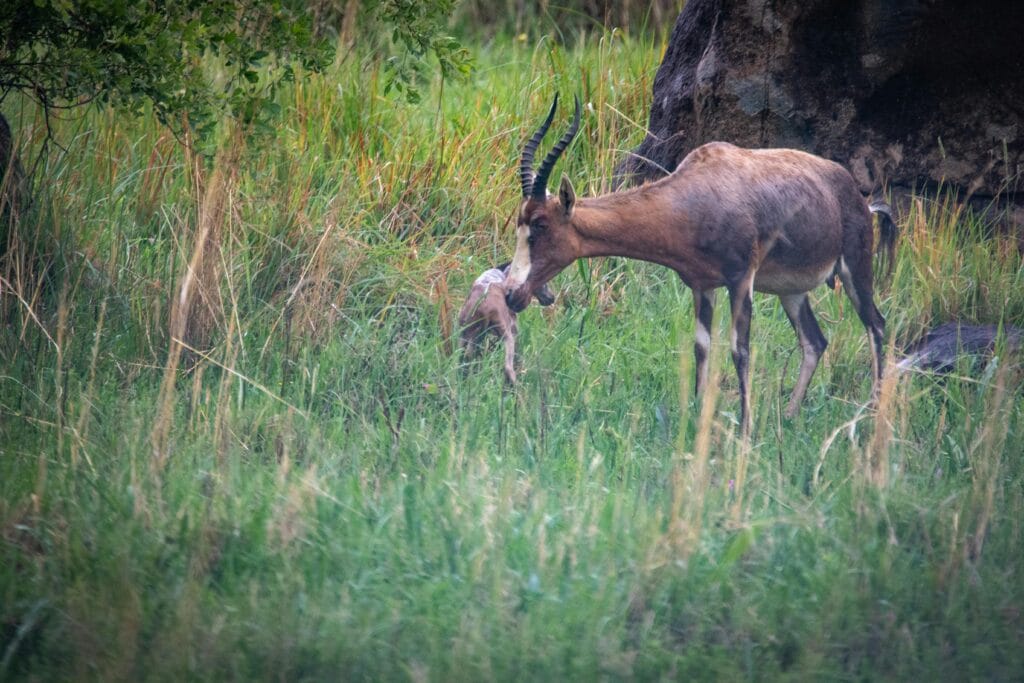
A mother antelope with her newborn calf in a lush grassland environment, showcasing wildlife behavior and nature.

Unique Wildlife in Selous Game Reserve: A Hidden Treasure of Tanzania

The Selous Game Reserve, a UNESCO World Heritage Site, is one of Tanzania’s most pristine and expansive wilderness areas. Covering an area of over 50,000 square kilometers, it offers a habitat for a remarkable variety of wildlife. Unlike the more visited northern parks, Selous remains an off-the-beaten-path destination, making it ideal for those seeking unique and intimate wildlife encounters. Book Now 1. African Wild Dogs: The Selous Icon One of the Selous Game Reserve’s standout species is the African wild dog, also known as the painted wolf. These endangered predators thrive here due to the reserve’s vast, undisturbed landscapes. Why They’re Special: Selous hosts one of the largest populations of African wild dogs in the world. Known for their striking coat patterns and exceptional hunting strategies, wild dogs are a rare sight in most other parks. Best Time to Spot Them:The dry season (June to October) offers the best chance to see them as they hunt in packs across open plains. 2. Diverse Elephant Population Selous is home to one of East Africa’s largest elephant populations. These gentle giants are frequently seen along riverbanks and in the reserve’s woodlands. Highlights: Witness large herds of elephants bathing and playing along the Rufiji River. The reserve’s elephants are known for their relaxed behavior, allowing for excellent photo opportunities. 3. Aquatic Wildlife: Hippos and Crocodiles The Rufiji River, which winds through Selous, teems with life. Its waters are a haven for hippos and Nile crocodiles, both of which are easily spotted during boat safaris. Unique Experience:Boat safaris along the Rufiji River provide an up-close view of these creatures, along with a chance to observe aquatic bird species like fish eagles and kingfishers. 4. Rare Antelope Species Selous is a sanctuary for several lesser-seen antelope species, offering a unique safari experience for those keen on spotting these elusive animals. Notable Species: Sable Antelope: Distinguished by their curved horns and striking black coats, they are often found in the reserve’s woodlands. Greater Kudu: Known for their impressive spiraled horns, these shy antelopes prefer the dense bush. 5. Giraffe and Zebra Abundance While giraffes and zebras are common in many Tanzanian parks, Selous offers the chance to see them in a quieter, less crowded setting. Interesting Fact:The giraffes here are often seen browsing among the iconic baobab trees, creating a quintessential African scene. 6. Predators Galore: Lions and Leopards Selous is home to a healthy population of lions and leopards, adding excitement to every game drive. What to Watch For: Lions in Selous are known for hunting in small, cooperative groups. Leopards, though elusive, are frequently sighted in the reserve’s riverine forests. 7. Over 440 Bird Species Bird enthusiasts will be delighted by the diverse avian life in Selous. Its mix of rivers, wetlands, and savannahs creates a perfect habitat for a variety of birds. Highlights: The elusive Pel’s fishing owl is a prized sighting. Seasonal migratory birds add to the diversity from November to April. Large flocks of waterbirds like herons, storks, and spoonbills gather around the Rufiji River. 8. Endemic and Lesser-Known Species Selous also supports unique and lesser-known species that enrich the reserve’s biodiversity. Highlights: Puku Antelope: Rare in Tanzania, these antelopes are primarily found in the reserve’s wetlands. Black-and-White Colobus Monkeys: Often seen leaping through the treetops of Selous’ forests. Why Selous Stands Out Pristine Wilderness:Selous’ vast size and remote location make it one of Africa’s most untouched reserves, ensuring low tourist density and an exclusive wildlife experience. Unique Safari Activities:Beyond traditional game drives, Selous offers boat safaris and walking safaris, allowing visitors to explore its unique ecosystems from different perspectives. Rich Ecosystems:The reserve features a mix of rivers, lakes, woodlands, and savannahs, supporting a wider range of species than many other parks. Plan Your Selous Safari Adventure Selous Game Reserve offers a rare blend of exceptional wildlife and serene landscapes. Whether you’re tracking African wild dogs, cruising the Rufiji River, or marveling at the graceful movements of giraffes, every moment in Selous is unforgettable. Ready to explore the untamed beauty of Selous? Contact Future African Safari to create a personalized itinerary that combines the best of wildlife, nature, and adventure. Customize your Adventure Kilimanjaro 3 tours Safari 9 tours Zanzibar 3 tours

Unique Wildlife in Selous Game Reserve: A Hidden Treasure of Tanzania Read More »

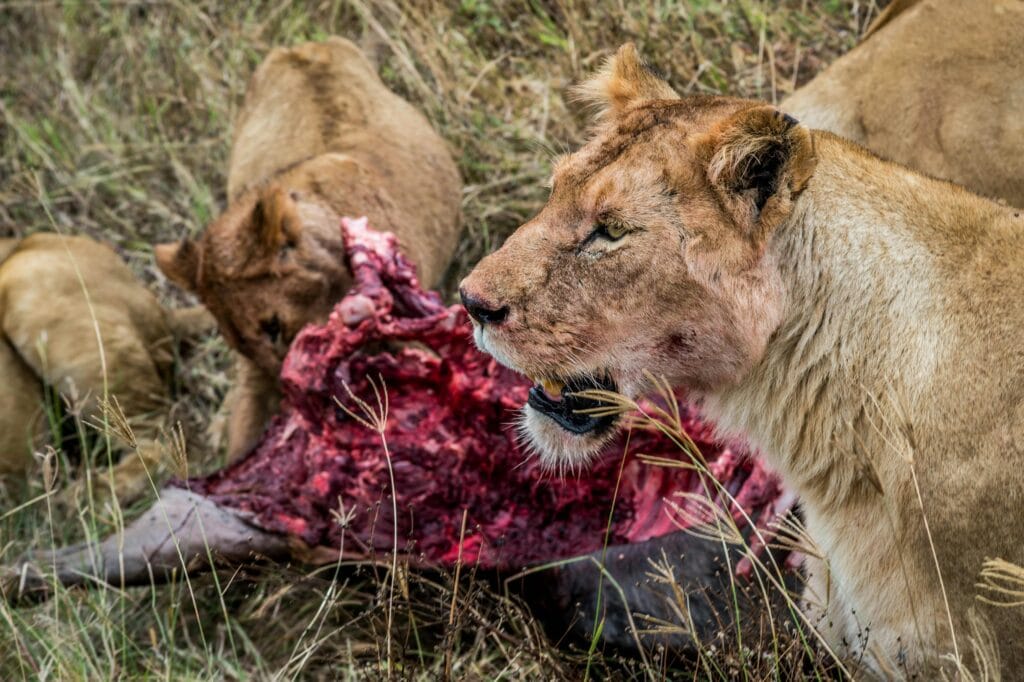
A pride of lions feeding on prey in Tanzania's Arusha Region, showcasing African wildlife dynamics.

Cultural Heritage of the Tarangire Region: A Tapestry of Tradition and Nature

The Tarangire region in northern Tanzania is most famous for its breathtaking wildlife, including elephants, lions, and baobab trees. However, beyond its natural wonders lies a rich cultural heritage that reflects the vibrant traditions of its indigenous communities. A visit to Tarangire offers not only a chance to experience its iconic safari landscapes but also an opportunity to engage with the people whose lives are deeply connected to this land. Book Now 1. The Maasai People: Guardians of the Land The Maasai are among the most well-known ethnic groups in the Tarangire region. These semi-nomadic pastoralists have lived in harmony with the land for centuries, their lives intertwined with the rhythms of nature. Cultural Practices: The Maasai are known for their elaborate ceremonies, including rites of passage and traditional dances. They dress in brightly colored shúkà (cloth wraps) and adorn themselves with intricate beadwork, which often reflects their status and social role. Connection to Nature:The Maasai believe in a deep spiritual connection to the land and its animals. Their grazing practices, which involve moving livestock to new areas, help maintain ecological balance. Visitor Experience:Travelers can visit Maasai villages near Tarangire to learn about their culture, participate in traditional dances, and hear stories passed down through generations. 2. The Barabaig People: Skilled Farmers and Artisans The Barabaig, part of the larger Datoga ethnic group, are another significant community in the Tarangire region. Known for their blacksmithing and farming skills, they add a distinct layer to the area’s cultural richness. Cultural Practices: The Barabaig are famous for their jewelry-making and iron-smithing skills, creating tools and ornaments from locally sourced materials. They practice subsistence farming and cattle herding, which are essential to their way of life. Visitor Experience:Guests can visit Barabaig settlements to see traditional crafts in action, such as the forging of tools or the making of intricate bead necklaces. 3. Local Handicrafts and Markets The Tarangire region is a hub for traditional crafts, including beadwork, carvings, and textiles. These items not only serve as beautiful souvenirs but also as symbols of the region’s cultural identity. What to Look For: Beaded jewelry and ornaments from the Maasai and Barabaig communities. Wood carvings and sculptures inspired by local wildlife and spiritual beliefs. Where to Buy:Local markets near Tarangire and in nearby towns like Mto wa Mbu offer authentic handmade items, supporting local artisans and their families. 4. Oral Traditions and Storytelling The Tarangire region is rich in oral traditions, with stories that explain the origins of the landscape, the behavior of animals, and the values of the people. Common Themes: Stories often feature the baobab tree, considered sacred and symbolic of resilience. Folklore about the coexistence of humans and wildlife highlights the importance of harmony with nature. Visitor Experience:Engage with local elders or storytellers to hear these captivating tales, which are often shared around evening fires. 5. Food and Cuisine The culinary traditions of the Tarangire region reflect the agricultural and pastoral lifestyle of its communities. Staple Dishes: Ugali (a stiff maize porridge) served with nyama choma (grilled meat). Local vegetables and milk-based dishes are integral to daily meals. Visitor Experience:Many lodges and cultural tours offer cooking demonstrations where travelers can learn to prepare traditional dishes and share meals with locals. 6. Cultural Tourism Initiatives Several cultural tourism programs in the Tarangire region aim to preserve traditions while providing economic opportunities for local communities. What to Expect: Guided visits to villages to experience daily life, from cattle herding to craft-making. Insights into traditional medicine, including the use of local plants for healing. Opportunities to support local development by purchasing crafts or donating to community projects. Notable Programs:Look for cultural tours certified by Tanzania’s Cultural Tourism Program, ensuring an ethical and immersive experience. 7. Harmonizing Tradition and Modernity The Tarangire region is a fascinating example of how traditional cultures adapt to modern challenges. Efforts to balance cultural preservation with tourism and development are ongoing, with initiatives emphasizing education, environmental conservation, and sustainable livelihoods. Visiting Tarangire: A Journey Beyond Wildlife Exploring the cultural heritage of the Tarangire region deepens your appreciation of this extraordinary part of Tanzania. By engaging with local communities, you’ll gain insights into their ways of life, contribute to their livelihoods, and leave with memories as enriching as the wildlife encounters. Plan your cultural and wildlife adventure with Future African Safari for a well-rounded experience that celebrates the land and its people. Customize your Adventure Kilimanjaro 3 tours Safari 9 tours Zanzibar 3 tours

Cultural Heritage of the Tarangire Region: A Tapestry of Tradition and Nature Read More »

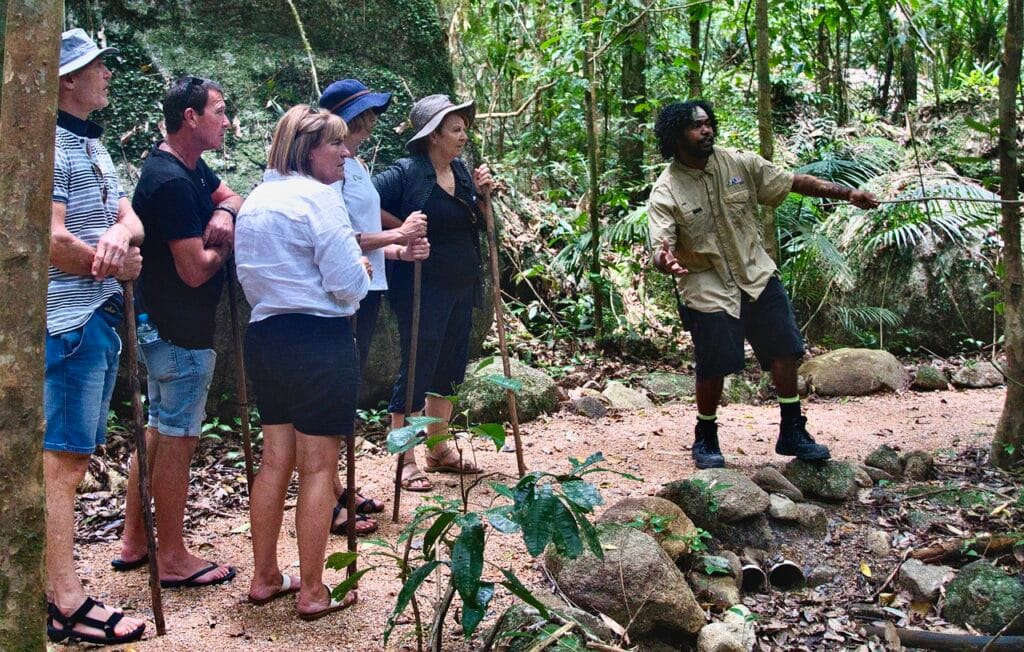
tour guide, demonstrator, nature

Guided safari tours vs. self-drive

When planning a safari adventure, deciding between a guided tour and a self-drive experience is a key consideration. Each option offers unique advantages, and the choice largely depends on your preferences, comfort level, and the kind of experience you’re seeking. Future African Safari provides insights to help you make the best decision for your journey. Book Now Guided Safari Tours A guided safari is ideal for travelers who want a stress-free, informative, and immersive experience. Expert Knowledge: Professional guides bring unmatched expertise about the region, wildlife behavior, and hidden gems within the parks. They enhance your understanding of Tanzania’s ecosystems and cultural heritage. Wildlife Spotting: Guides are skilled at locating animals, even those that are well-camouflaged, ensuring you don’t miss iconic sightings like the Big Five or the Great Migration. Convenience: With logistics like permits, accommodations, and routes handled by the tour operator, you can focus solely on enjoying the safari. Safety: Guides are trained to navigate the terrain and handle unexpected situations, offering a secure and relaxing experience. Social Experience: Join small groups or opt for private tours, providing opportunities to share the experience with fellow travelers or enjoy personalized attention. Self-Drive Safaris For adventurous and independent travelers, self-drive safaris offer flexibility and a sense of freedom. Freedom to Explore: Create your own schedule and spend as much time as you like at each sighting or viewpoint. Budget-Friendly: Self-driving can be more economical, especially for small groups or families. Privacy: Enjoy the solitude of traveling at your own pace without the presence of a guide or other tourists. Sense of Adventure: Navigating through national parks and reserves on your own can be thrilling and deeply rewarding. However, self-driving comes with challenges: Navigation Skills: You’ll need a good map or GPS and a thorough understanding of park rules and driving conditions. Wildlife Expertise: Spotting animals and understanding their behavior can be more difficult without a guide. Logistics Management: You’ll be responsible for organizing permits, accommodations, and vehicle maintenance. Which Option is Right for You? Choose Guided Tours If: You’re visiting Tanzania for the first time and want a seamless experience. You value in-depth knowledge about wildlife and ecosystems. You prefer to avoid the challenges of navigation and logistics. Choose Self-Drive If: You’re an experienced traveler with confidence in navigating remote areas. You enjoy independence and spontaneity. You’re traveling on a tighter budget. Both guided tours and self-drive safaris offer unique ways to explore Tanzania’s incredible landscapes. With Future African Safari, you can choose the option that best suits your style while ensuring an unforgettable adventure in the wild. Customize your Adventure Kilimanjaro 3 tours Safari 9 tours Zanzibar 3 tours

Guided safari tours vs. self-drive Read More »

concept, man, papers

How to plan a multi-day safari

Planning a multi-day safari can feel overwhelming, but with the right guidance, it becomes an exciting journey. Future African Safari offers expertise to help you create the perfect safari experience, ensuring every detail aligns with your preferences. Book Now Choose the Right Destination Diverse Parks and Reserves: Consider iconic destinations like Serengeti National Park for the Great Migration, Ngorongoro Crater for Big Five sightings, or Tarangire for its abundant elephants and unique baobab trees. Special Interests: If you’re passionate about birdwatching, Ruaha National Park offers exceptional sightings, while Selous Game Reserve is ideal for remote and tranquil experiences. Decide on the Duration Pace Your Adventure: A 3-5 day safari provides a glimpse of Tanzania’s beauty, while 7-10 days allow for deeper exploration across multiple parks. Travel Time Considerations: Factor in travel between parks to ensure you have enough time to enjoy each destination fully. Select the Right Accommodation Lodges and Tented Camps: Choose from luxury lodges, mid-range tented camps, or budget-friendly accommodations based on your preferences and budget. Unique Experiences: Opt for bush camps or tree lodges for a more immersive experience in nature. Plan the Activities Game Drives: Prioritize morning and evening drives for the best wildlife sightings. Walking Safaris: Explore on foot with an expert guide for a closer connection to the environment. Cultural Visits: Include a visit to a Maasai village or local community for an enriching cultural experience. Consider the Seasons Peak Wildlife Viewing: Plan your trip around the dry season (June to October) for optimal wildlife visibility. Unique Experiences: Visit during the wet season (November to May) for lush landscapes, birdwatching, and fewer crowds. Pack Strategically Clothing: Opt for lightweight, neutral-colored clothing suitable for safari conditions. Essential Gear: Don’t forget binoculars, cameras, sunscreen, and a reusable water bottle. Set Your Budget All-Inclusive Packages: Many safari operators, including Future African Safari, offer packages covering accommodation, meals, park fees, and activities. Extra Costs: Factor in tips, additional excursions, and optional upgrades like hot air balloon rides. Book with a Trusted Operator Expert Guidance: Future African Safari’s experienced team will help you customize your itinerary, ensuring every detail is taken care of. Stress-Free Planning: Rely on professionals to handle permits, logistics, and accommodations. A multi-day safari is your gateway to exploring Tanzania’s incredible wildlife, landscapes, and culture. With careful planning and support from Future African Safari, you’ll embark on an unforgettable adventure tailored to your dreams. Customize your Adventure Kilimanjaro 3 tours Safari 9 tours Zanzibar 3 tours

How to plan a multi-day safari Read More »

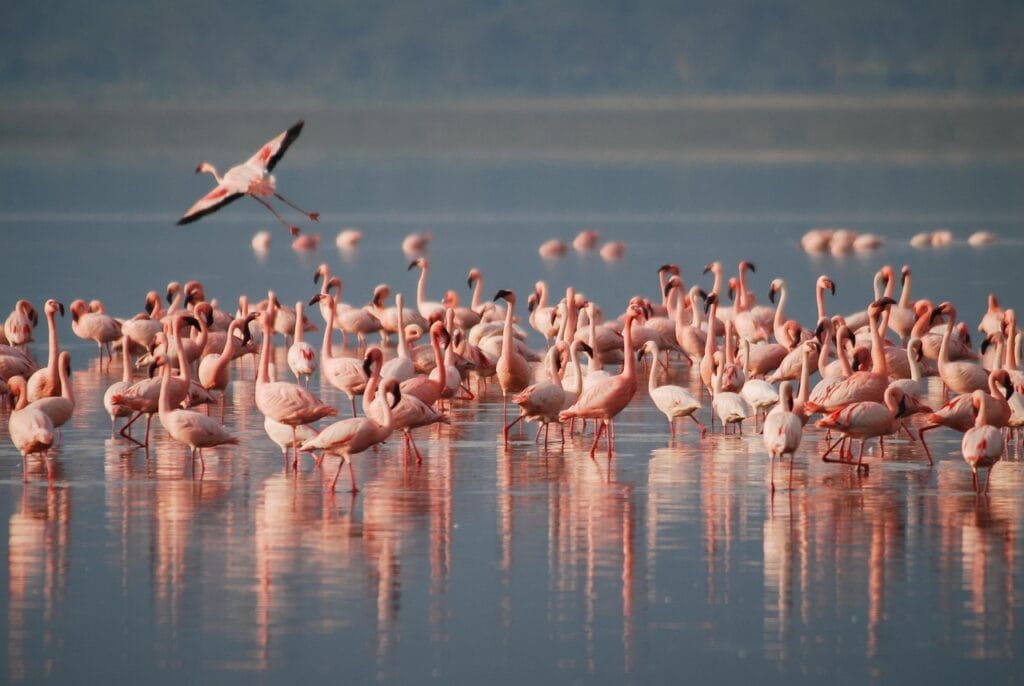
birds, flamingos, ornithology

Best Time for Birdwatching in Tanzania: A Haven for Bird Enthusiasts

Tanzania, renowned for its iconic wildlife and breathtaking landscapes, is also a paradise for birdwatchers. With over 1,100 bird species, including many endemic and migratory varieties, the country offers incredible opportunities to observe these feathered wonders throughout the year. However, certain seasons stand out for their abundance of species and optimal viewing conditions. Here’s a guide to the best times for birdwatching in Tanzania and what to expect. Book Now 1. Migratory Birds: November to April From November to April, Tanzania becomes a haven for migratory birds from Europe, Asia, and the Middle East. This period coincides with the short and long rainy seasons, creating lush landscapes and plenty of food sources for the birds. What to See: Migratory species like European rollers, Eurasian bee-eaters, and white storks. Northern Tanzania’s Lake Manyara, Ngorongoro Crater, and Tarangire National Park are hotspots for these visitors. Why Go:The rainy season enriches the landscape, making it ideal for spotting waterfowl, waders, and other migratory birds near wetlands and lakes. 2. Resident Birds: Year-Round Tanzania’s rich array of resident bird species ensures excellent birdwatching opportunities year-round. These include endemics like the ashy starling, yellow-collared lovebird, and Fischer’s lovebird. What to See: Lake Victoria’s shores are a prime spot for observing rare and endemic species. In the southern circuit, places like Selous Game Reserve and Ruaha National Park host a variety of hornbills, kingfishers, and sunbirds. 3. Breeding Season: November to March The rainy season (especially November to March) is also the breeding period for many resident bird species. During this time, birds are more active, showcasing vibrant plumage and engaging in courtship displays. What to See: Colorful plumage of breeding birds like the paradise flycatcher and widowbirds. Nesting activities near forests and savannahs, particularly in places like the Usambara Mountains and Arusha National Park. 4. Dry Season Birding: June to October The dry season (June to October) may be less lush, but it offers unparalleled visibility and concentration of wildlife around water sources, making birdwatching easier. What to See: Large gatherings of waterfowl like flamingos in alkaline lakes, including Lake Natron and Lake Manyara. Raptor species like the martial eagle and the crowned eagle are frequently seen during this period. Why Go:This is also the best time to combine birdwatching with traditional safaris, as many parks offer a mix of big game and avian diversity. 5. Regional Birding Hotspots Northern Tanzania:The northern safari circuit, including Serengeti, Ngorongoro, and Tarangire, is renowned for its avian diversity. These areas feature an array of habitats, from open savannahs to forests, supporting a wide variety of birds. Southern Tanzania:The Selous Game Reserve, Ruaha National Park, and Udzungwa Mountains offer a quieter birdwatching experience, with species like the Ruaha chat and endemic sunbirds. Eastern Tanzania:The Eastern Arc Mountains, including the Usambara and Uluguru ranges, are biodiversity hotspots with endemic species like the Usambara weaver and spot-throat. Wetlands and Lakes:The wetlands of Lake Victoria, Lake Natron, and Lake Manyara are crucial habitats for waterbirds, including flamingos, pelicans, and storks. Tips for a Successful Birdwatching Experience Bring the Right Gear: Binoculars with a good field of view. A field guide for East African birds to help with identification. Travel with a Guide:Expert birding guides can help you spot and identify elusive species, enhancing your experience. Timing is Key:Early morning and late afternoon are the best times for birdwatching, as birds are most active during these periods. Visit Multiple Habitats:Tanzania’s diverse ecosystems—wetlands, forests, savannahs, and mountains—ensure a variety of bird species. Plan to visit a mix of these habitats for the richest experience. Conclusion: A Birdwatcher’s Dream Destination Tanzania’s remarkable avian diversity, combined with its breathtaking landscapes, makes it a premier destination for birdwatchers. Whether you’re marveling at the flamingos of Lake Manyara, spotting endemics in the Usambara Mountains, or watching migratory birds along the shores of Lake Victoria, Tanzania offers an unforgettable birdwatching adventure. Looking to plan your birdwatching safari? Contact Future African Safari for customized itineraries, expert guides, and seamless logistics to make your birding experience truly exceptional. Customize your Adventure Kilimanjaro 3 tours Safari 9 tours Zanzibar 3 tours

Best Time for Birdwatching in Tanzania: A Haven for Bird Enthusiasts Read More »

private, privacy, green

Benefits of booking a private safari

A private safari offers an exclusive and personalized experience, tailored to your preferences and schedule. Here’s why choosing a private safari with Future African Safari can elevate your adventure in Tanzania. Book Now Customized Itinerary Your Schedule, Your Way: Enjoy the flexibility to design your safari around your interests, whether it’s focusing on wildlife photography, birdwatching, or cultural encounters. Exclusive Experiences: Visit off-the-beaten-path locations or spend more time at specific sites without the constraints of a group schedule. Dedicated Guide and Vehicle Personalized Attention: A private guide ensures a deeper understanding of the wildlife, landscapes, and cultures you encounter. Comfort and Space: Travel in a private vehicle with ample room to relax and enjoy unobstructed views of the scenery. Enhanced Wildlife Viewing Tailored Game Drives: Spend as much time as you like observing specific animals or exploring certain habitats. Prime Positioning: Your guide can maneuver the vehicle to give you the best angles for photography or viewing, without needing to consider other travelers. Privacy and Exclusivity Intimate Experience: Share your safari only with your chosen companions, making it perfect for families, couples, or close friends. Secluded Locations: Enjoy private dining, exclusive accommodations, and access to lesser-known areas for a truly unique experience. Ideal for Families Child-Friendly Options: Tailor the pace and activities to suit children, ensuring an engaging and educational trip for younger travelers. Flexible Schedule: Take breaks as needed, ensuring comfort and enjoyment for everyone in the group. Romantic Escapes Perfect for Couples: Enjoy uninterrupted quality time, with private sundowners, bush dinners, and luxury accommodations designed for romance. Custom Surprises: Add special touches like private hot air balloon rides or personalized picnics in the wilderness. Focused on Your Interests Specialized Activities: Whether you’re a photography enthusiast, a birdwatcher, or a culture seeker, your itinerary will focus on what excites you most. Pacing That Suits You: Move at your own speed, whether you prefer leisurely drives or action-packed exploration. Health and Safety Controlled Environment: Minimize contact with others, making a private safari a safer option, especially in the current travel climate. Personalized Care: Your guide and team are fully dedicated to ensuring your safety and comfort throughout the journey. A private safari is the ultimate way to explore Tanzania’s breathtaking landscapes and wildlife on your terms. With Future African Safari, you’ll experience unmatched flexibility, comfort, and exclusivity, creating memories that will last a lifetime. Customize your Adventure Kilimanjaro 3 tours Safari 9 tours Zanzibar 3 tours

Benefits of booking a private safari Read More »

Scroll to Top