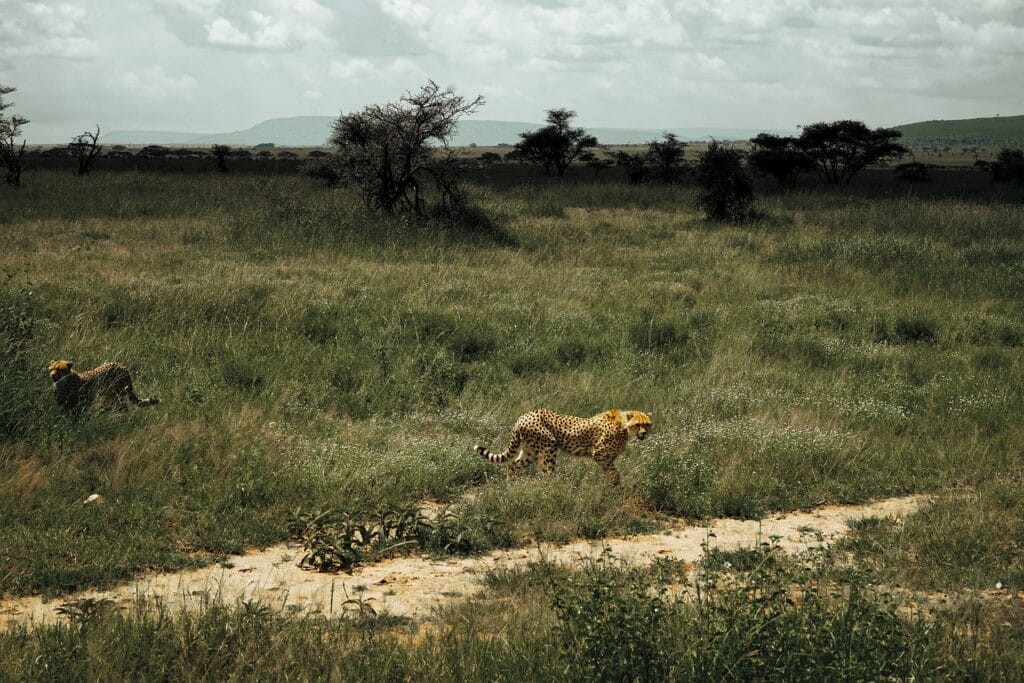
Safari

cheetah, chita, animal

Luxury safari packages in Serengeti

Serengeti National Park is one of the most iconic safari destinations in Tanzania, offering a truly unforgettable luxury safari experience. For those seeking an exclusive and comfortable journey through the park’s vast landscapes, Future African Safari offers luxury safari packages that cater to every need and desire, combining thrilling wildlife encounters with world-class accommodations and personalized service. Customize your Adventure Exclusive Safari Lodges and Camps One of the highlights of any luxury safari in the Serengeti is the choice of accommodation. Exclusive lodges and camps offer top-tier service, gourmet dining, and the perfect balance between comfort and wilderness immersion. The accommodations in Serengeti range from luxurious tented camps to sophisticated lodges with stunning views of the savannah. Some of the renowned options include: Four Seasons Safari Lodge Serengeti: Located in the central Serengeti, this lodge offers unmatched luxury with stunning views of the savannah, an infinity pool overlooking a watering hole, and spacious rooms. Guests can enjoy guided game drives, bush walks, and even a visit to the nearby Maasai villages. Singita Sabora Tented Camp: Offering a sophisticated yet rustic experience, Singita Sabora combines glamour and adventure with its lavish tents, stylish interiors, and personalized service. Situated in the Serengeti’s western corridor, it provides exceptional game viewing and luxury amenities in the heart of the wilderness. Serengeti Under Canvas: For those who prefer a more adventurous yet luxurious experience, Serengeti Under Canvas provides mobile tented camps that move with the migration. These spacious tents are equipped with luxurious beds, en-suite bathrooms, and private verandas, giving you the chance to immerse yourself in nature without sacrificing comfort. Personalized Game Drives and Experiences Luxury safaris in Serengeti with Future African Safari are designed around your interests, providing private game drives tailored to your preferences. Experienced guides and trackers ensure that you get the most out of your safari, taking you to the best locations for wildlife sightings, whether it’s tracking the Big Five or witnessing the spectacular wildebeest migration. Private Game Drives: With your own private guide and vehicle, you have the flexibility to explore at your own pace, stop for that perfect photo op, and experience the thrill of spotting wildlife up close. Hot Air Balloon Safari: For an extraordinary experience, consider adding a hot air balloon ride over the Serengeti to your luxury safari package. Glide over the vast plains at dawn, witnessing the landscape and wildlife from above while enjoying a champagne breakfast upon landing. Walking Safaris: For a more intimate experience, walking safaris allow you to explore the Serengeti’s ecosystem at ground level. Led by knowledgeable rangers, this experience offers a deeper understanding of the park’s flora, fauna, and natural history. Gourmet Dining in the Wilderness Dining on a luxury Serengeti safari is an experience in itself. From candlelit dinners under the stars to exquisite meals served in your lodge or camp, the culinary offerings are as extraordinary as the surroundings. Al Fresco Dining: Enjoy gourmet meals in the heart of the Serengeti, with freshly prepared dishes using local ingredients. Whether it’s breakfast in the bush, a picnic by the river, or a five-course dinner in your luxury lodge, every meal is an event. Private Dining Experiences: For those looking for extra privacy, many luxury safari camps and lodges offer private dining experiences, whether in the comfort of your room or under the stars in the bush. Spa and Wellness Services After a day of thrilling game drives, many luxury safari lodges offer relaxation and rejuvenation with on-site spas and wellness facilities. Enjoy a massage or indulge in other spa treatments, designed to restore your energy for the next day’s adventures. Serengeti Spa Treatments: Some lodges, like the Four Seasons, offer a variety of spa treatments, including massages, facials, and aromatherapy, all using natural ingredients sourced from the surrounding environment. Yoga and Meditation: For those looking to unwind and de-stress, some luxury safari lodges offer yoga sessions or private meditation classes, taking in the beautiful surroundings of the Serengeti. Private Transfers and In-Country Flights To make your safari even more luxurious, Future African Safari offers private charter flights between Serengeti and other destinations in Tanzania, such as the Ngorongoro Crater or Zanzibar. Skip the long drives and enjoy smooth, hassle-free transfers to and from your luxury lodge. Whether you’re coming from Dar es Salaam or Arusha, private flights save time and provide you with a scenic aerial view of the Tanzanian landscape. Sustainable Luxury Safari Sustainability is a key aspect of luxury safaris with Future African Safari. Many of the luxury lodges and camps in the Serengeti follow eco-friendly practices, from using solar energy to minimizing waste and supporting local communities. These practices allow you to experience the best of Tanzania’s wildlife while contributing to the conservation of its natural beauty. Luxury Serengeti Safari Packages At Future African Safari, we offer bespoke luxury safari packages that are fully customizable to fit your preferences. Whether you’re celebrating a special occasion, looking for a honeymoon experience, or simply want to experience the Serengeti in style, we’ll craft an itinerary that exceeds your expectations. Our experienced team will work with you to arrange game drives, accommodation, and additional experiences to create the perfect luxury safari adventure in Tanzania.   A luxury safari in Serengeti offers the perfect blend of adventure and comfort, with world-class accommodations, personalized services, and unforgettable wildlife experiences. Whether you’re looking to relax in a lavish lodge, embark on a private game drive, or take a hot air balloon ride over the Serengeti plains, a luxury safari with Future African Safari is the ultimate way to explore Tanzania’s most iconic park in style. Customize your Adventure Kilimanjaro 3 tours Safari 9 tours Zanzibar 3 tours
Luxury safari packages in Serengeti Read More »

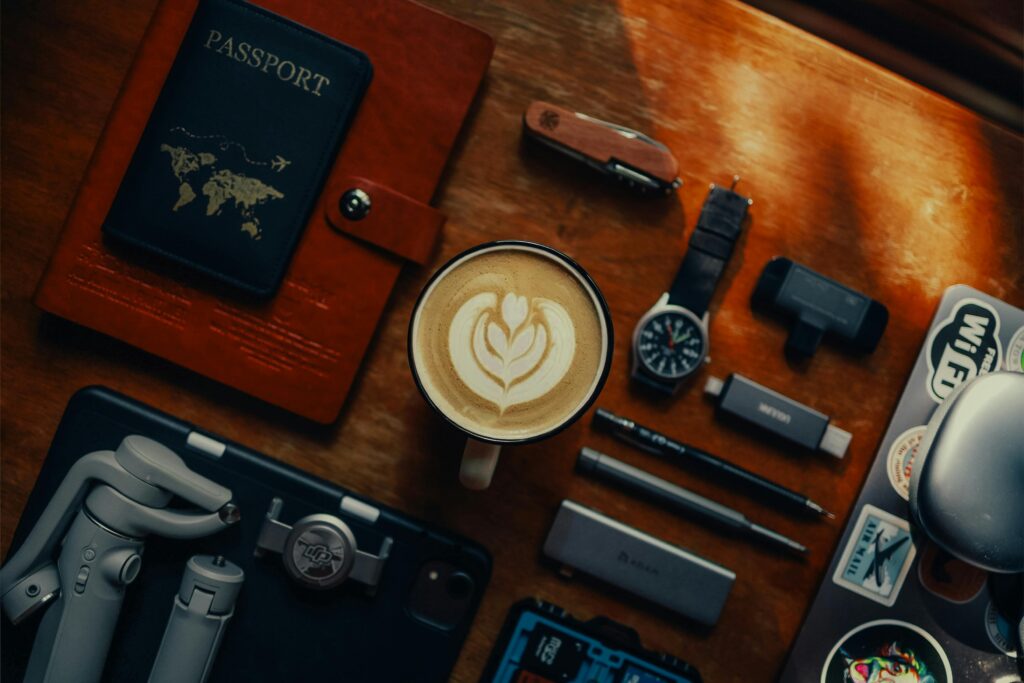
Flat lay of travel essentials with coffee, gadgets, and a passport on a wooden table.

Must-have safari gadgets and gear

When preparing for a safari in Tanzania with Future African Safari, having the right gadgets and gear can significantly enhance your experience, making it more comfortable, efficient, and enjoyable. Whether you’re exploring the Serengeti or the Ngorongoro Crater, the right equipment ensures you’re well-prepared to capture stunning photographs, stay connected, and navigate through the wild. Here’s a list of must-have safari gadgets and gear to bring along for your adventure: Customize your Adventure 1. Camera Gear DSLR or Mirrorless Camera: For capturing the incredible wildlife and landscapes, a high-quality camera is essential. Choose a camera that’s durable and capable of shooting in various lighting conditions. Zoom Lenses: A zoom lens (70-200mm, 100-400mm) will allow you to photograph animals from a distance without disturbing them. It’s also versatile for landscape shots. Wide-Angle Lens: A wide-angle lens (16-35mm or 24-70mm) is perfect for capturing sweeping landscapes and grand scenes, such as sunsets over the savannah. Tripod or Monopod: While wildlife photography often requires quick shots, a lightweight tripod or monopod can be a great addition for evening or morning shots where you need extra stability. 2. Power Banks and Solar Chargers Portable Power Banks: Keep your devices charged throughout the day, especially on long safari drives where charging opportunities are limited. Make sure you bring enough capacity for your camera, phone, and other gadgets. Solar Charger: If you’re planning on spending several days in the wilderness or away from power sources, a solar charger is a great backup to ensure your devices stay powered up. 3. Binoculars A pair of high-quality binoculars (8×42 or 10×42) is a safari essential for spotting distant animals and wildlife. They allow you to appreciate the finer details of wildlife from a safe distance without disturbing the animals, giving you an excellent chance to observe and photograph them up close. 4. GPS and Maps Handheld GPS: While your safari guide will likely have a GPS, having your own portable GPS can be useful for navigation in remote areas and ensures you don’t get lost in the wilderness. Offline Maps: Download offline maps of your safari locations, including national parks and game reserves, so you can access them without needing an internet connection. 5. Action Camera An action camera like a GoPro is perfect for capturing your safari from different perspectives. Mount it on your vehicle or wear it during walks to get immersive shots and video footage of your experience. It’s also great for underwater footage if you’re snorkeling or swimming. 6. Portable Wi-Fi Device While you’ll want to disconnect during your safari, there may be times when you need to stay connected or share your experiences in real time. A portable Wi-Fi hotspot device can keep you online even in remote locations, ensuring you stay in touch with loved ones or share your adventures on social media. 7. Smartphone with Safari Apps Your smartphone can be an essential tool on safari. Download these apps before you go: Safari Tracking Apps for logging animal sightings and creating a personalized safari journal. Wildlife Identification Apps to help identify species of plants, birds, and animals you encounter. Local Maps and Navigation Apps to navigate your way through remote areas. 8. Headlamp or Flashlight A headlamp is a must-have gadget for safari enthusiasts. It provides hands-free lighting during early morning or evening game drives, and it’s invaluable when you need to pack up or organize your gear at night. A reliable flashlight can also be used for spotting nocturnal wildlife or simply finding your way around campsites and lodges in the dark. 9. Water Purification Gadgets While safaris in Tanzania often include access to safe drinking water, having a portable water filter or water purification tablets on hand can be a lifesaver in remote areas. Brands like LifeStraw offer personal water filters that allow you to drink directly from streams or rivers safely. 10. Multi-tool or Swiss Army Knife A multi-tool can come in handy for a variety of reasons: from opening bottles, to repairing gear, to minor tasks like cutting ropes or fixing straps. A high-quality, compact tool is a great item to have in your daypack. 11. Insect Repellent Gadgets Insects, particularly mosquitoes, are common in many parts of Tanzania, especially during the wet season. Gadgets like ultrasonic insect repellers can be effective in keeping mosquitoes at bay, especially when you’re camping or staying in lodges in more remote areas. 12. Noise-canceling Headphones or Earplugs For long drives and flights to your safari destinations, noise-canceling headphones can provide relief from the noise of the vehicle, engines, and other distractions. They also help ensure you can get some sleep or relaxation during long travels. 13. Weatherproof Gear Waterproof Camera Case or Bag: Even in the dry season, unexpected rains can occur. A waterproof case or bag to protect your camera gear is essential. Consider a dry bag for your electronics and valuable gear during boat trips or when it’s raining. Rain Jacket: A lightweight, waterproof rain jacket will keep you comfortable in case of unpredictable weather, ensuring you stay dry and protected during outdoor activities. 14. Safari Notebook A notebook to document your experiences, animal sightings, or photography plans is a great addition to your gear. Whether you’re journaling about the safari or jotting down quick notes about your favorite wildlife moments, this is a useful gadget to capture memories beyond just photos. 15. Compact First Aid Kit While most safari tours will include basic first aid assistance, it’s always a good idea to carry a small, personal first aid kit. It should include bandages, antiseptic wipes, pain relievers, and any necessary medications you may need during your trip. Final Thoughts Whether you’re a seasoned photographer or a first-time safari traveler, having the right gadgets and gear can enhance your safari experience with Future African Safari. From capturing stunning wildlife moments to navigating through remote areas with ease, these essential gadgets will ensure that you’re prepared for everything your adventure has to offer. Always remember to pack light

Must-have safari gadgets and gear Read More »

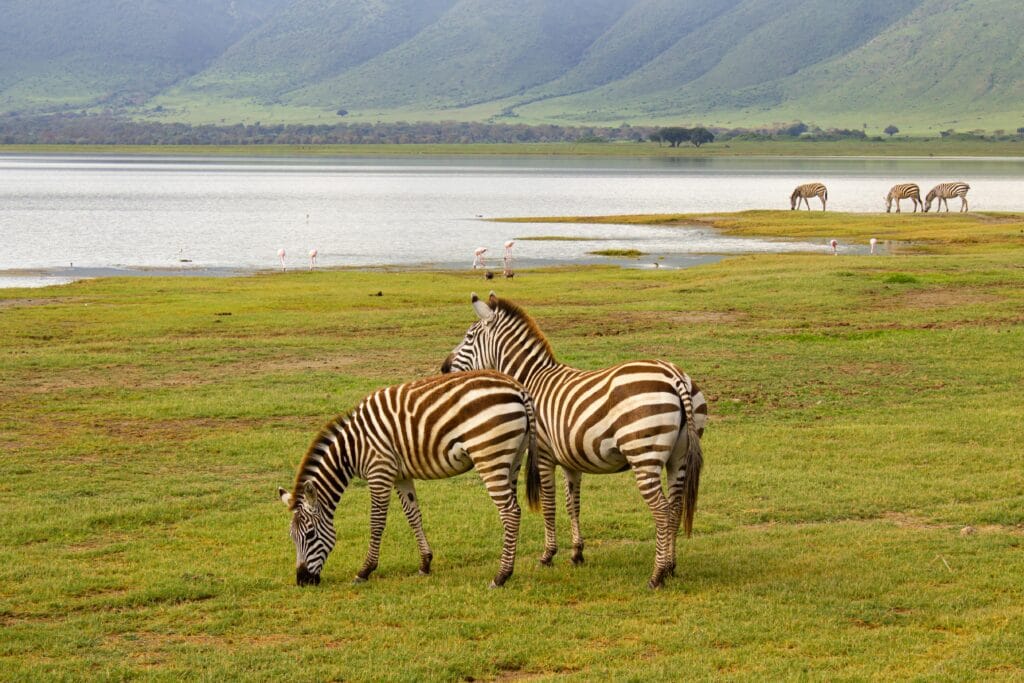
A serene scene of zebras feeding in Tanzania's Ngorongoro Crater with distant mountains.

Wildlife Seasons in Ngorongoro: A Month-by-Month Guide

The Ngorongoro Conservation Area (NCA), a UNESCO World Heritage Site, is a unique wildlife destination offering year-round sightings in its diverse ecosystems. From the iconic Ngorongoro Crater to the sweeping plains, highlands, and forests, the area’s wildlife activity varies with the seasons. Here’s what you can expect during each part of the year. Book Now January – March: Calving and Predator Action What’s Happening: The vast herds of wildebeest and zebras gather in the southern plains of the NCA for calving season. Over 500,000 wildebeest calves are born, creating a spectacle of new life and attracting predators. Lions, cheetahs, and hyenas are especially active, taking advantage of vulnerable newborns. Migratory birds add vibrancy, making it a fantastic time for birdwatching. Best For: Dramatic predator-prey interactions and birding enthusiasts. April – May: Quiet Beauty and Lush Landscapes What’s Happening: The rainy season brings fewer tourists, making this a peaceful time to visit. Lush greenery blankets the plains and crater, enhancing scenic beauty. Wildlife remains abundant in the crater, with predators, elephants, and hippos easy to spot. Best For: Tranquil safaris, green landscapes, and photography with dramatic skies. June – August: Peak Game Viewing What’s Happening: As the dry season begins, wildlife concentrates around permanent water sources, especially in the Ngorongoro Crater. Resident animals like lions, elephants, buffaloes, and rhinos are easily seen. Cooler weather makes safaris more comfortable, especially in the high-altitude crater. Best For: Consistent wildlife sightings, excellent crater exploration, and cooler temperatures. September – October: Dry Season Adventures What’s Happening: Wildlife density in the crater remains high as animals gather around water sources. Clear skies and dry weather create perfect conditions for game drives and photography. The migration herds are typically in the northern Serengeti, but resident wildlife in the NCA remains robust. Best For: Close encounters with crater wildlife and comfortable travel conditions. November – December: The Short Rains and Migratory Birds What’s Happening: Short rains rejuvenate the plains, attracting the migration herds back to the NCA. New grass provides ample grazing, and the cycle of life continues as calving season nears. Migratory birds return, enhancing the birdlife diversity. Best For: Vibrant birdwatching and the start of the migration’s return to the southern plains. Year-Round Highlights in the Ngorongoro Crater While the surrounding plains experience seasonal changes, the Ngorongoro Crater is a wildlife haven throughout the year. The permanent water supply ensures consistent sightings of: Lions: The crater is home to one of the densest lion populations in Africa. Black Rhinos: A chance to see this critically endangered species in the wild. Elephants: Particularly impressive bulls with large tusks. Hippos: Found in the crater’s wetlands and waterholes. Plan Your Ngorongoro Safari with Future African Safari No matter the season, Ngorongoro offers unparalleled wildlife experiences. Let Future African Safari design your perfect itinerary, whether you want to witness the calving season, enjoy predator action, or explore lush green landscapes. Contact us today to start your journey to Ngorongoro!   Customize your Adventure Kilimanjaro 3 tours Safari 9 tours Zanzibar 3 tours
Wildlife Seasons in Ngorongoro: A Month-by-Month Guide Read More »

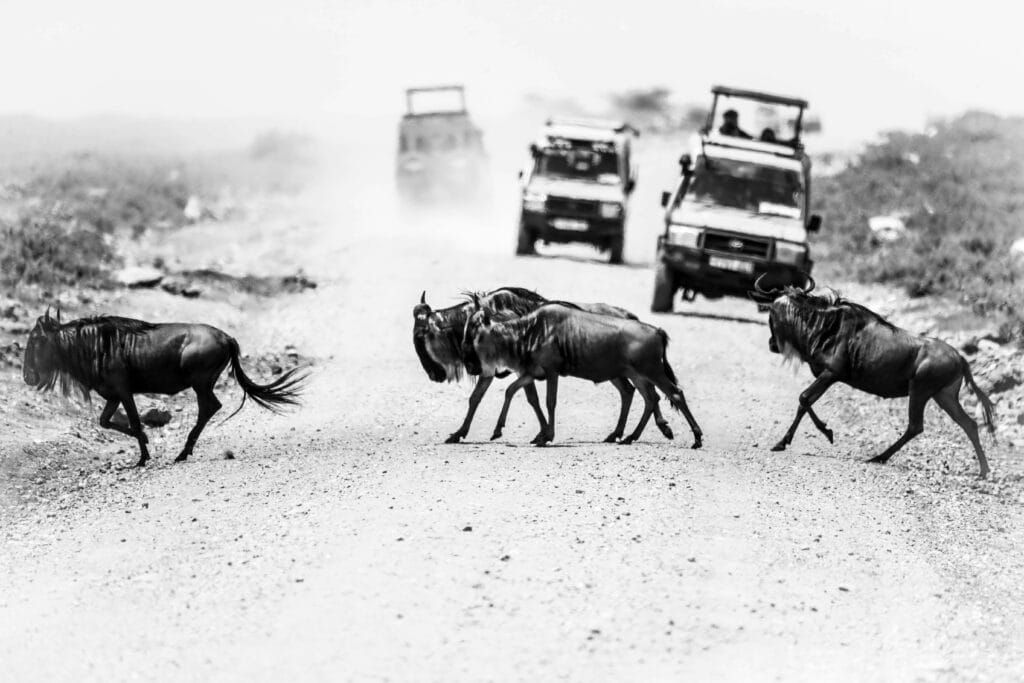
Monochrome photo of wildebeests crossing a dirt road in Tanzania, showcasing wildlife and travel themes.

Safari Migration Routes in Africa: A Guide to Nature’s Grand Journeys

Africa’s migration routes are some of the most awe-inspiring spectacles on Earth. Each year, millions of animals traverse vast landscapes, driven by ancient instincts to find food, water, and safe grounds for breeding. These migrations create unique safari experiences, offering unparalleled opportunities to witness raw nature in action. Here’s a guide to Africa’s most iconic migration routes and what makes them special. Book Now 1. The Great Migration: Serengeti (Tanzania) to Maasai Mara (Kenya) Key Species: Wildebeest, zebras, and Thomson’s gazelles. Route: Begins in Southern Serengeti (Tanzania) during the calving season (January–March). Moves north through Central and Western Serengeti, crossing the Grumeti River (May–June). Reaches the Northern Serengeti for the dramatic Mara River crossings into Kenya’s Maasai Mara (July–October). Returns south to the Serengeti as the short rains rejuvenate the grasslands (November–December). Why It’s Special: Known as the largest terrestrial migration on Earth, it’s a predator-prey drama on an epic scale. 2. Zebra and Wildebeest Migration in Botswana’s Okavango Delta Key Species: Zebras, wildebeest, elephants, and antelopes. Route: Begins in the Makgadikgadi Pans during the wet season (November–April). Animals move to the lush grazing lands of the Okavango Delta as the floodwaters arrive (May–August). They return to the pans during the dry season when water becomes scarce in the delta (September–October). Why It’s Special: Unique wetland ecosystems create a spectacular mix of aquatic and terrestrial wildlife viewing. 3. Elephant Migration in Chobe and Hwange (Botswana and Zimbabwe) Key Species: African elephants. Route: Elephants move between Botswana’s Chobe National Park and Zimbabwe’s Hwange National Park, following ancient paths. Seasonal shifts in water availability drive this migration. Why It’s Special: It’s the largest continuous elephant migration in Southern Africa, showcasing these majestic animals in vast numbers. 4. The Nyika Plateau Migration (Malawi and Zambia) Key Species: Elands and antelope species like reedbucks and roan antelope. Route: Animals traverse the high-altitude grasslands of Nyika National Park, moving to lower valleys during the dry season (May–October). Why It’s Special: A lesser-known migration offering peaceful, crowd-free safari experiences in stunning landscapes. 5. Whale Migration Along the African Coast Key Species: Humpback whales. Route: Whales migrate from the cold feeding grounds of the Southern Ocean to the warm waters off Mozambique, South Africa, and Kenya for breeding and calving (June–October). Why It’s Special: A marine migration offering incredible opportunities for coastal safaris and whale-watching expeditions. 6. Bird Migrations Across Africa Key Species: Flamingos, storks, pelicans, and Eurasian migratory birds. Routes: Flamingos flock to the alkaline lakes of the Rift Valley (Tanzania and Kenya) during the wet season. Migratory birds travel between Europe, Asia, and Africa, enriching birdwatching opportunities across the continent from Lake Nakuru to the Okavango Delta. Why It’s Special: The spectacle of thousands of birds in synchronized flight is a must-see for bird lovers. Planning Your Migration Safari Timing Is Key: Migration patterns are dictated by seasonal rains and food availability, so plan your trip around these cycles. Choose the Right Destination: Each migration offers unique experiences, from river crossings to predator hunts or tranquil wildlife encounters. Guided Tours: Expert guides increase your chances of being in the right place at the right time. Experience Africa’s Great Journeys with Future African Safari At Future African Safari, we specialize in creating migration-focused itineraries tailored to your interests. Whether it’s the dramatic Mara River crossings, tranquil elephant migrations, or dazzling bird spectacles, we’ll ensure your safari is unforgettable. Contact us today to start planning your migration adventure! Customize your Adventure Kilimanjaro 3 tours Safari 9 tours Zanzibar 3 tours

Safari Migration Routes in Africa: A Guide to Nature’s Grand Journeys Read More »

people, man, alone

What to pack for a Tanzanian safari

Packing for a Tanzanian safari requires careful planning to ensure you have everything you need for comfort, safety, and a successful adventure. Whether you’re heading to the Serengeti, Ngorongoro Crater, or Tarangire, it’s important to bring the right clothing, gear, and essentials to enjoy the experience fully. Here’s a comprehensive packing list to help you prepare for your Tanzanian safari with Future African Safari: Customize your Adventure 1. Clothing Neutral-colored clothing: Opt for lightweight, breathable clothing in neutral colors like khaki, beige, or olive. These colors blend in well with the environment and won’t attract unwanted attention from wildlife. Avoid bright colors and black as they may be distracting to animals and attract heat. Safari jacket or shirt: A long-sleeved shirt or light jacket will protect you from the sun and insects, especially during early morning and evening game drives. Comfortable pants and shorts: Light, moisture-wicking pants and a few pairs of shorts are essential for safari drives and walking excursions. Hat: A wide-brimmed hat will provide shade from the sun, especially during the day when temperatures can rise. Socks and underwear: Choose moisture-wicking socks and comfortable underwear to avoid chafing, especially if you’ll be on long safari drives. 2. Footwear Comfortable walking shoes: If you plan on taking walking safaris or hikes, pack sturdy, comfortable shoes with good support. Flip-flops or sandals: These are perfect for relaxing back at the lodge or camp after a day of exploration. 3. Sun Protection Sunscreen: The African sun can be intense, so bring a high SPF sunscreen (30+), and apply it regularly throughout the day. Lip balm with SPF: Don’t forget to protect your lips from the sun. Sunglasses: A good pair of polarized sunglasses will help protect your eyes from the bright sun and reduce glare while driving. Insect repellent: Mosquitoes and other insects are common, especially in the evening, so pack a strong insect repellent to avoid bites and potential illnesses like malaria. 4. Photography Equipment Camera and lenses: Tanzania’s wildlife is perfect for photography. Bring a good camera and a variety of lenses (zoom lenses are especially useful for capturing animals from a distance). Binoculars: A pair of binoculars will enhance your safari experience by giving you up-close views of wildlife without disturbing them. Spare batteries and memory cards: Always carry extra batteries and memory cards for your camera, as you’ll be taking plenty of pictures throughout the trip. 5. Health and Safety Essentials Prescription medications: If you take any daily medications, be sure to bring an adequate supply for the duration of your trip, along with a copy of your prescription. First-aid kit: Pack a small first-aid kit that includes plasters, antiseptic wipes, pain relievers, antihistamines, and any other personal health items you may need. Malaria prophylaxis: Consult your doctor about malaria prevention before your trip. Many safari areas are in malaria-prone zones. Water bottle: A reusable water bottle will help you stay hydrated during long safari days. 6. Documents and Money Passport and visa: Ensure your passport is valid for at least six months after your trip, and check visa requirements for Tanzania before you travel. Travel insurance: It’s advisable to have comprehensive travel insurance that covers safari activities, health emergencies, and trip cancellations. Cash and credit cards: Bring a small amount of cash in Tanzanian Shillings for small purchases or tips, though credit cards are widely accepted in lodges and camps. Emergency contact information: Keep a list of emergency contacts, including your safari operator, accommodation details, and any local numbers you may need. 7. Safari Gear and Extras Daypack or backpack: A small daypack is handy for carrying snacks, a camera, water, and any personal items during your game drives. Flashlight/headlamp: Power outages can occasionally occur in remote areas, so a small flashlight or headlamp will be useful. Power bank: A portable charger to keep your phone, camera, and other electronics powered up while on safari. Travel pillow and eye mask: If you have long drives between parks or early mornings, a travel pillow and eye mask will make your journey more comfortable. 8. Specialized Gear for Activities Swimwear: If your safari includes a visit to Zanzibar, Pemba, or any lodge with a pool, bring swimwear to relax by the water. Walking shoes: For those planning on walking safaris, comfortable and sturdy shoes are essential. Rain jacket or poncho: If you’re visiting during the rainy season, pack a lightweight, waterproof jacket or poncho. 9. Other Considerations Notebook and pen: Great for journaling your safari experiences or noting down wildlife sightings and other memories. Lightweight luggage: Opt for soft-sided luggage or duffel bags for easier transport between safari camps and lodges. 10. Tanzania-Specific Tips Electrical plug adapter: Tanzania uses the British-style three-pronged plug, so bring an adapter if needed for your electronics. Respect for wildlife: Keep a respectful distance from animals, especially in protected areas, and adhere to the guidelines provided by your safari guide. Final Thoughts: Packing for a Tanzanian safari involves balancing comfort, safety, and practicality. By following this guide and preparing well, you’ll ensure a smooth and enjoyable safari experience. Future African Safari is dedicated to providing you with all the information and support needed for your unforgettable Tanzanian adventure. Pack smart, stay comfortable, and get ready for the safari of a lifetime! Customize your Adventure Kilimanjaro 3 tours Safari 9 tours Zanzibar 3 tours

What to pack for a Tanzanian safari Read More »

photographs, lenses, photography

Safari packing guide for photographers

A safari in Tanzania offers an incredible opportunity for photographers to capture stunning landscapes, wildlife, and cultural moments. To make sure you’re prepared to take full advantage of the photographic opportunities, it’s essential to pack the right gear and accessories. Here’s a safari packing guide specifically tailored for photographers traveling with Future African Safari. Customize your Adventure 1. Camera Gear Camera Body: A high-quality DSLR or mirrorless camera is essential for safari photography. Consider bringing at least two camera bodies if possible, in case one malfunctions or you need different settings for various shots. Lenses: Zoom Lens (70-200mm or 100-400mm): A good zoom lens is crucial for capturing wildlife from a distance. The ability to zoom in without disturbing the animals is key to getting the perfect shot. Wide-Angle Lens (16-35mm or 24-70mm): A wide-angle lens is ideal for capturing vast landscapes, close-up portraits of wildlife, and the expansive African sky during sunrise or sunset. Prime Lens (50mm or 85mm): A fast prime lens is great for capturing sharp, detailed portraits of animals in lower light conditions. Telephoto Lens (400mm or longer): If you want to get extreme close-ups of animals, a longer telephoto lens is a great addition to your gear. 2. Tripod and Monopod Lightweight Tripod: A compact and sturdy tripod is essential for capturing long exposure shots, particularly in low light conditions like sunrise, sunset, or evening game drives. Make sure it’s lightweight and easy to carry. Monopod: A monopod can be a great alternative to a full tripod when you need extra stability but still want mobility during the safari. 3. Camera Accessories Spare Batteries: The wildlife will keep you on your toes, so it’s crucial to have extra camera batteries. Safari game drives often last several hours, so bring at least 3-4 spare batteries for long days of shooting. Memory Cards: Bring multiple memory cards (32GB or higher). Wildlife photography can generate large files, and you don’t want to run out of storage in the middle of an exciting moment. Lens Cleaning Kit: Dust and dirt are inevitable, especially in the African wilderness. Carry a lens cleaning cloth, blower, and cleaning solution to keep your gear in top condition. UV or Polarizing Filters: A UV filter can protect your lens from dust and scratches, while a polarizing filter helps reduce glare and enhances the colors of the sky and foliage. 4. Protective Gear Camera Bag: Choose a padded, water-resistant camera bag to protect your gear. A bag with easy access is important for quickly grabbing your camera between animal sightings. Rain Cover: The weather in Tanzania can change quickly. A rain cover for your camera bag and gear is essential in case of unexpected showers. Lens Caps and Covers: Protect your lenses when not in use to avoid scratches and dust. 5. Personal Gear Binoculars: A good pair of binoculars will allow you to spot wildlife from a distance, helping you prepare for the perfect shot. Headlamp or Flashlight: A headlamp is particularly useful for early morning game drives or nighttime photography. It frees up your hands and provides hands-free lighting. Water Bottle: Stay hydrated while you’re out on long game drives, especially in the heat of the day. A reusable water bottle will help you do so sustainably. 6. Power Solutions Portable Power Bank: To keep your camera batteries charged when you’re on the go, especially during long drives where charging opportunities may be limited. Car Charger/Adapter: Ensure you have a charger for your camera batteries that works in the vehicle for those long days of travel. 7. Clothing and Footwear Neutral-Colored Clothing: Wear comfortable, breathable clothing in neutral tones like khaki, olive, and beige. This helps you blend into the environment and not distract the wildlife. Hat and Sunglasses: Protect yourself from the sun with a wide-brimmed hat and sunglasses. Comfortable Footwear: You’ll be walking and moving through various terrains, so ensure your shoes are comfortable and durable. Hiking boots or sturdy sneakers are ideal. 8. Other Essentials Notebook and Pen: If you’re tracking specific animals or wildlife behavior, a notebook can help you document your sightings and photographic ideas. Safari Guidebook or App: A guidebook can help you identify animals, birds, and plants, making it easier to anticipate which wildlife to focus on for the perfect shot. 9. Health and Safety Items Insect Repellent: Mosquitoes and other bugs are common in Tanzania, especially during the rainy season. Pack a strong insect repellent to avoid bites. First Aid Kit: A small first aid kit is essential for handling minor injuries or ailments during your safari. Sunscreen: Protect your skin from the harsh African sun with a high SPF sunscreen. Don’t forget to apply it regularly. 10. Travel and Documents Passport and Visa: Ensure your passport is up to date and meet the visa requirements for Tanzania before traveling. Travel Insurance: Comprehensive travel insurance that covers medical emergencies, trip cancellations, and photography gear damage or theft is essential. Final Thoughts A safari is a photographer’s dream, and with the right gear, you can capture every magical moment of your adventure in Tanzania. From the vast savannahs of the Serengeti to the wildlife-rich landscapes of Ngorongoro Crater, packing thoughtfully will ensure you’re prepared for whatever comes your way. With Future African Safari, you’re guaranteed a well-organized and unforgettable journey. Be sure to pack everything you need to document your adventure and bring home memories you’ll treasure forever! Kilimanjaro 3 tours Safari 9 tours Zanzibar 3 tours
Safari packing guide for photographers Read More »

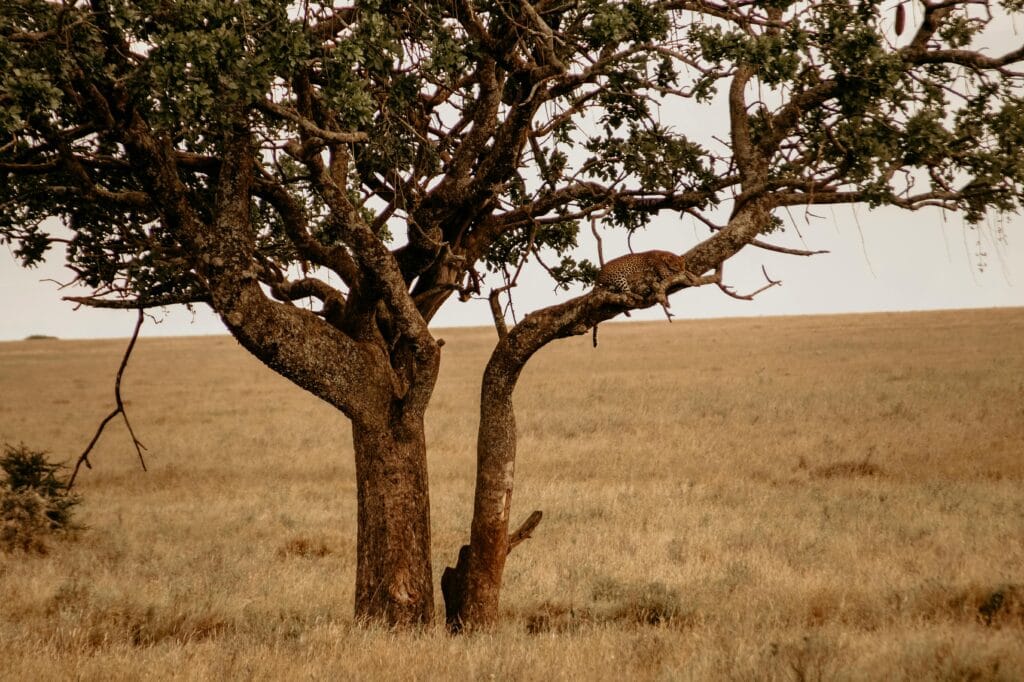
A leopard lounging in a tree captures the tranquil essence of the African savanna.

7 Day Tanzania Safari Itinerary – Explore Serengeti & Ngorongoro

7 Day Tanzania Safari Itinerary – This adventure-packed itinerary takes you through Tanzania’s most iconic parks including Serengeti, Ngorongoro Crater, and Lake Manyara. Perfect for first-time visitors or wildlife enthusiasts, this safari offers unforgettable sightings, diverse landscapes, and cultural encounters. With Future African Safari, you can enjoy a carefully curated trip that combines thrilling game drives, breathtaking vistas, and luxury accommodations, all while immersing yourself in the heart of Tanzania’s wilderness. Here’s a suggested 7-day itinerary that showcases the best of Tanzania’s wildlife and landscapes:   Day 1: Arrival in Arusha Your safari begins with an arrival at Kilimanjaro International Airport or Arusha Airport. After clearing immigration, you will be transferred to your hotel in Arusha, where you can relax and prepare for your adventure. If you arrive early in the day, take a short city tour or visit nearby attractions like the Cultural Heritage Centre or Arusha National Park. Enjoy a delicious welcome dinner at your accommodation, setting the tone for the days ahead. Highlights: Arrival in Arusha Relaxing afternoon in the city Welcome dinner and overnight stay at a luxury lodge Day 2: Arusha to Tarangire National Park After breakfast, you’ll depart for Tarangire National Park, known for its iconic baobab trees and large elephant herds. A game drive through Tarangire will allow you to spot diverse wildlife, including giraffes, zebras, wildebeests, and lions, as well as over 500 species of birds. In the evening, head to your luxury lodge or tented camp, where you can unwind while taking in the views of the park. Highlights: Game drive through Tarangire National Park Elephants, lions, giraffes, and abundant birdlife Overnight at a luxury lodge or tented camp Day 3: Tarangire to Ngorongoro Crater After breakfast, you’ll drive to Ngorongoro Crater, a UNESCO World Heritage site and one of the most unique wildlife destinations in the world. The crater is home to a dense population of wildlife, including black rhinos, lions, elephants, and flamingos. A full-day game drive within the crater will offer fantastic wildlife viewing in a breathtaking landscape. In the evening, you’ll stay at a lodge with stunning views over the crater. Highlights: Full-day game drive in Ngorongoro Crater View rare wildlife, including rhinos and lions Overnight at a lodge on the crater rim Day 4: Ngorongoro Crater to Serengeti National Park After breakfast, you’ll head to Serengeti National Park, Tanzania’s most famous park and home to the Great Migration. The Serengeti’s vast plains are teeming with wildlife year-round, and during your game drive, you may witness herds of wildebeest, zebras, and gazelles. The park is also a fantastic spot to see predators like lions, cheetahs, and leopards. Enjoy a stunning sunset view before heading to your luxurious lodge or tented camp for the night. Highlights: Game drive through Serengeti National Park Spot the Big Five and experience the Great Migration (seasonal) Overnight at a luxury lodge or camp Day 5: Serengeti National Park Spend the entire day exploring the Serengeti. You can opt for a morning and afternoon game drive, visiting different areas of the park to maximize your wildlife sightings. The Serengeti is home to a variety of ecosystems, from the open plains to the dense woodlands, providing ample opportunities for observing diverse animal species. For a truly special experience, consider a hot air balloon safari for a unique view of the landscape and wildlife from the sky. Highlights: Full day game drive in Serengeti National Park Option for a hot air balloon ride Luxury lodge or tented camp accommodation Day 6: Serengeti to Lake Manyara National Park After a leisurely breakfast, you’ll drive to Lake Manyara National Park, known for its tree-climbing lions and stunning landscape. The park is also famous for its rich birdlife, especially the flamingos that gather around the lake during certain seasons. Enjoy a game drive to spot wildlife such as elephants, giraffes, zebras, and an array of birds. In the afternoon, you’ll relax at your lodge or camp overlooking the lake before heading to a peaceful evening. Highlights: Game drive in Lake Manyara National Park Spot tree-climbing lions and flamingos Overnight at a lodge with views of Lake Manyara Day 7: Lake Manyara to Arusha On your final day, after breakfast, you will head back to Arusha. If time permits, you can enjoy some last-minute shopping at the Cultural Heritage Centre or visit nearby attractions like Materuni Waterfalls or Mount Meru. You will be transferred to Kilimanjaro International Airport for your departure flight or continue your stay in Tanzania. Highlights: Final morning game drive in Lake Manyara or relaxation at the lodge Return to Arusha Departure or continuation of your travels Why Choose This Itinerary: Diverse Wildlife Experiences: From elephants in Tarangire to rhinos in Ngorongoro, the itinerary offers varied wildlife encounters. Scenic Landscapes: Explore the Serengeti plains, the Ngorongoro Crater, and Lake Manyara’s breathtaking landscapes. Comfortable Accommodation: Stay in luxurious lodges and tented camps with excellent facilities and personalized service. Tailored Experiences: Each day is designed to maximize your wildlife viewing while providing moments of relaxation. Customize your Adventure This 7-day safari itinerary is ideal for those looking to experience the best of Tanzania’s national parks, from the vast Serengeti to the unique Ngorongoro Crater. With a perfect mix of adventure and relaxation, it’s a trip you’ll never forget. Future African Safari is dedicated to creating the perfect safari experience that suits your preferences, so you can make the most of your time in Tanzania. Book Now Kilimanjaro 3 tours Safari 9 tours Zanzibar 3 tours
7 Day Tanzania Safari Itinerary – Explore Serengeti & Ngorongoro Read More »

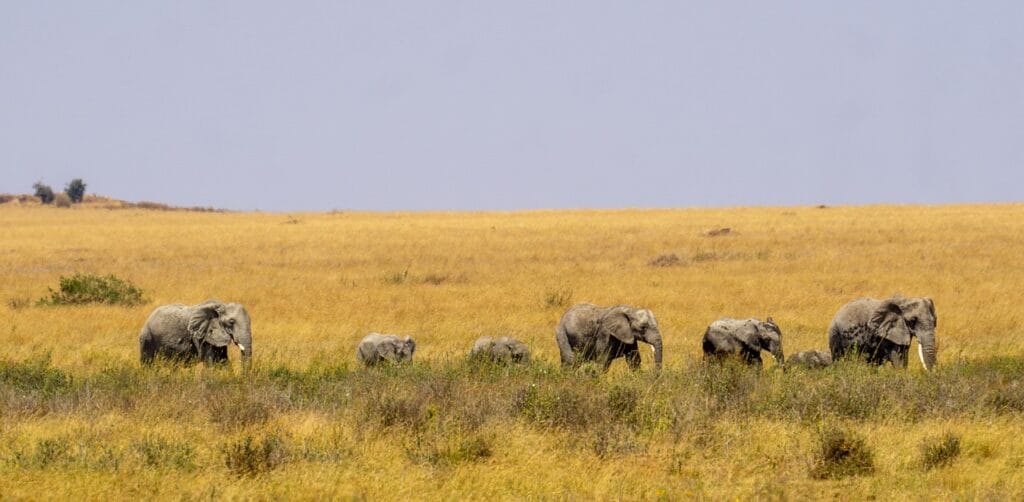
elephants, tanzania, serengeti

Serengeti Wildlife Events Calendar: A Month-by-Month Guide

Serengeti Wildlife Events Calendar: A Month-by-Month Guide The Serengeti National Park, a UNESCO World Heritage Site, is synonymous with extraordinary wildlife encounters. From the Great Migration to predator action, each month offers something unique. Here’s a detailed calendar to help you plan your Serengeti safari for the best wildlife experiences. January – March: Calving Season What to Expect: Over 500,000 wildebeest calves are born in the southern Serengeti and Ndutu plains. Predators like lions, cheetahs, and hyenas take advantage of the abundance of prey. Green landscapes provide stunning backdrops for wildlife photography. Best For: Witnessing new life, predator-prey dynamics, and birdwatching during the wet season. April – May: Quiet Transition What to Expect: The herds begin their journey northward toward the central Serengeti as the rains taper off. Fewer tourists make this a peaceful time to visit. Wildlife is dispersed, but lush vegetation adds a serene charm. Best For: Tranquil safaris, green scenery, and intimate wildlife moments. June – July: Grumeti River Crossings What to Expect: The herds face their first major challenge: crossing the crocodile-filled Grumeti River. Predator activity increases as the migration gathers pace. Dry season begins, improving visibility and making travel easier. Best For: Thrilling river crossings and concentrated predator action. August – September: Mara River Crossings What to Expect: The herds reach the northern Serengeti, where they tackle the dramatic Mara River crossings. Crocodiles lie in wait, and chaos ensues as wildebeest and zebras brave the currents. Predator encounters, particularly with lions and leopards, are frequent. Best For: Iconic migration scenes and heart-pounding wildlife action. October – November: Returning South What to Expect: As the short rains begin, the herds leave the Maasai Mara and return to the Serengeti. Animals spread across the northern and central Serengeti, creating excellent game-viewing opportunities. Migratory birds start arriving, adding variety to wildlife sightings. Best For: Scenic drives, fewer tourists, and a mix of resident and migratory species. December: Rebirth of the Serengeti What to Expect: The herds arrive back in the southern Serengeti, completing their annual journey. The rains rejuvenate the plains, creating lush pastures and abundant water sources. Wildlife gathers in large numbers, setting the stage for the upcoming calving season. Best For: Rejuvenated landscapes, plentiful wildlife, and a sense of continuity in the migration cycle.     Customize your Adventure Why Choose the Serengeti? No matter when you visit, the Serengeti offers unforgettable experiences, from predator hunts and river crossings to serene moments in vast, open landscapes. Timing your trip to align with specific wildlife events ensures you see nature at its most dramatic. Plan Your Serengeti Safari with Future African Safari At Future African Safari, we’ll help you navigate the Serengeti’s wildlife calendar to ensure your trip aligns with your interests. Whether you’re chasing the migration, big cats, or vibrant birdlife, we’ll craft a custom itinerary tailored just for you. Book your Serengeti adventure today and step into the wild! Book Now Kilimanjaro 3 tours Safari 9 tours Zanzibar 3 tours

Serengeti Wildlife Events Calendar: A Month-by-Month Guide Read More »

pexels-photo-29687485-29687485.jpg

Best Time for Birdwatching in Tanzania: A Guide for Avid Birders

Tanzania, with its diverse habitats ranging from wetlands and savannahs to forests and mountains, is a haven for bird enthusiasts. Home to over 1,100 bird species, including resident and migratory birds, the country offers spectacular opportunities to spot everything from vibrant kingfishers to iconic flamingos. Here’s your guide to the best time and places for birdwatching in Tanzania. 1. Best Time for Birdwatching November to April: Prime Birdwatching Season Why: This period coincides with the arrival of migratory birds from Europe and Asia, enriching Tanzania’s already diverse birdlife. It’s also the breeding season for many resident species, showcasing birds in their vibrant plumage. Highlights: Migratory birds like Eurasian rollers, northern wheatears, and lesser kestrels. Spectacular displays of courtship behavior and nesting activity among resident species. Lush, green landscapes after the short rains, providing picturesque settings for birding. May to October: General Birdwatching Why: While migratory birds may have departed, Tanzania’s resident bird species are still abundant. The dry season offers easier access to parks and reserves, with birds congregating around water sources. Highlights: Excellent visibility in open landscapes. Easier travel conditions for accessing remote birding hotspots. 2. Top Birdwatching Destinations in Tanzania Serengeti National Park Key Species: Kori bustard, secretary bird, Fischer’s lovebird, and black-headed heron. When to Visit: November to April for a mix of resident and migratory birds. Lake Manyara National Park Key Species: Flamingos, African jacanas, and grey crowned cranes. When to Visit: Best during the rainy season when flamingos and waterbirds thrive. Ngorongoro Conservation Area Key Species: Rüppell’s griffon vulture, Hildebrandt’s starling, and augur buzzard. When to Visit: Year-round, with breeding activity peaking in November. Selous Game Reserve (Nyerere National Park) Key Species: Pel’s fishing owl, African skimmer, and Bohm’s bee-eater. When to Visit: November to April for migratory species, but great year-round for residents. Arusha National Park Key Species: Narina trogon, Hartlaub’s turaco, and the bar-tailed trogon. When to Visit: November to April for migratory birds in forested settings. 3. Unique Birding Experiences in Tanzania Flamingo Spectacle: Visit alkaline lakes such as Lake Natron and Lake Manyara to see thousands of flamingos feeding and breeding. Coastal Birding: Explore the Saadani National Park and Tanzania’s coast for species like mangrove kingfishers and crab-plovers. Highland Forest Birds: Head to Udzungwa Mountains for rare species like the Udzungwa forest partridge and Rufous-winged sunbird. 4. Tips for Birdwatching in Tanzania Bring Binoculars: High-quality binoculars are essential for spotting and identifying birds from a distance. Hire an Expert Guide: A knowledgeable birding guide can help you identify elusive species and provide insights into their behaviors. Timing Matters: Plan early morning or late afternoon outings when birds are most active. Pack for the Season: Light, breathable clothing for warmer months and waterproof gear during the rainy season.   Customize your Adventure Why Birdwatch in Tanzania? Tanzania is not just about iconic wildlife like lions and elephants; it’s also a birder’s paradise. Whether you’re marveling at the synchronized flight of flamingos or spotting an elusive trogon deep in the forest, Tanzania offers unforgettable avian encounters. Plan Your Birdwatching Safari with Future African Safari At Future African Safari, we specialize in crafting bespoke birding adventures. Our experienced guides and tailored itineraries ensure you make the most of your birdwatching journey, whether you’re a seasoned birder or a curious beginner. Ready to explore Tanzania’s incredible birdlife? Contact us to book your birdwatching safari today! Book Now Kilimanjaro 3 tours Safari 9 tours Zanzibar 3 tours
Best Time for Birdwatching in Tanzania: A Guide for Avid Birders Read More »

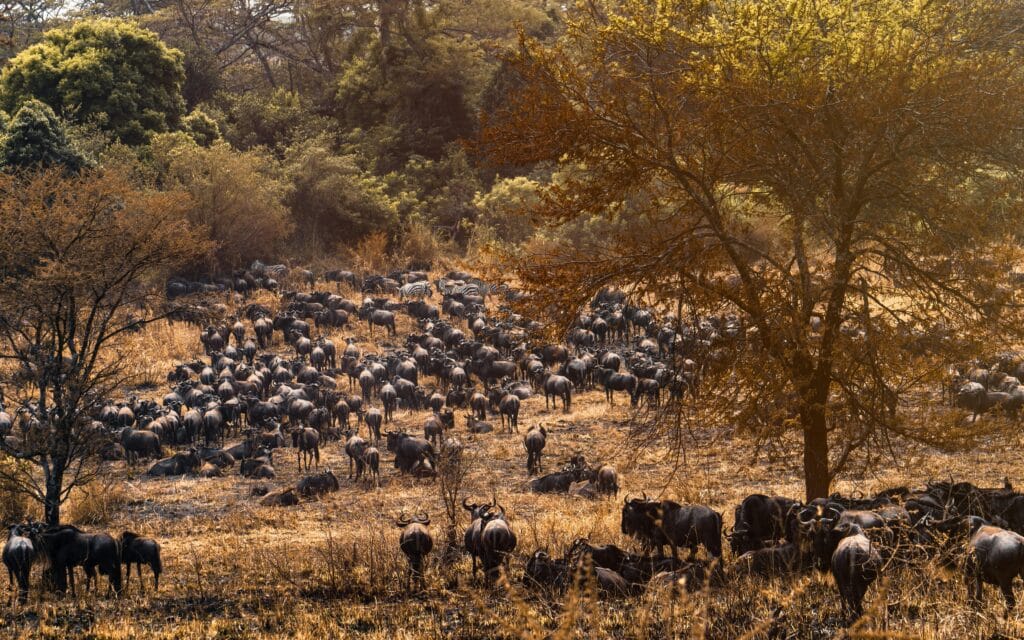
A large herd of wildebeests grazing in the Serengeti, Tanzania.

Where to See the Great Migration in July: A Guide to Unmissable Wildlife Viewing

July is one of the most thrilling months to witness the Great Migration. During this period, the herds are concentrated in the Western Corridor and Northern Serengeti, making their way toward Kenya’s Maasai Mara. Here’s what makes July an incredible time for safari enthusiasts and where to position yourself for the best migration sightings. 1. Migration Highlights in July Grumeti River Crossings: The herds tackle the crocodile-filled waters of the Grumeti River in the western Serengeti. These crossings, while less chaotic than the Mara River crossings later in the year, are no less dramatic. Northern Serengeti Movements: As July progresses, the herds push northward, traversing the northern Serengeti plains. This area offers excellent opportunities for predator sightings, as lions and leopards stalk their prey. Smaller Groups: By July, the wildebeest split into smaller groups, spreading out across the lush northern Serengeti, providing more intimate wildlife encounters. 2. Key Locations for Migration Viewing in July Western Serengeti What to Expect: Watch wildebeest and zebras gather along the Grumeti River. Crocodiles lying in wait make this a hotspot for predator-prey action. Where to Stay: Lodges like Grumeti Serengeti Tented Camp offer luxurious stays with prime access to the river. Mobile camps that move with the herds provide front-row seats to the action. Northern Serengeti (Kogatende and Lamai Wedge) What to Expect: As herds migrate northward, the landscape is alive with activity. Predators, from cheetahs to hyenas, shadow the herds, creating thrilling encounters. Where to Stay: Kogatende Mobile Camps for proximity to the Mara River crossings. Lamai Serengeti Lodge for sweeping views of the northern plains. 3. Activities and Sightings Beyond the Migration July safaris aren’t just about the wildebeest migration; this is also an excellent time to enjoy: Big Five Sightings: Elephants, lions, leopards, buffalos, and rhinos are often seen in the Serengeti during this season. Birdwatching: Migratory and resident bird species are abundant. Predator Activity: Lions, leopards, and cheetahs take advantage of the migration for plentiful hunting opportunities. 4. Why July Is Perfect for Safari Adventures Dry Season: July falls within the dry season, ensuring excellent visibility and comfortable weather for game drives. Smaller Crowds: While July is popular, the Serengeti’s vastness allows for more personal safari experiences. Crisp Morning and Evening Drives: Cool temperatures create perfect conditions for morning and evening game drives. Travel Tips for a July Migration Safari Book Early: July is a peak safari season, so secure your accommodations and guides well in advance. Stay Flexible: Migration patterns can vary, so flexibility allows you to adjust your plans for the best sightings. Pack Smart: Include lightweight layers for daytime warmth and heavier clothing for cooler evenings and mornings. Why Choose Future African Safari for Your July Adventure? At Future African Safari, we ensure you’re always in the heart of the action. Our expert guides track the herds and take you to the best spots for unforgettable migration sightings. With our eco-conscious approach, you can experience the magic of the Serengeti while leaving a positive impact on the environment and local communities. Witness the thrill of the Great Migration in July. Contact us today to plan your dream safari! Customize Your Adventure Kilimanjaro 3 tours Safari 9 tours Zanzibar 3 tours

Where to See the Great Migration in July: A Guide to Unmissable Wildlife Viewing Read More »

Scroll to Top