Safari

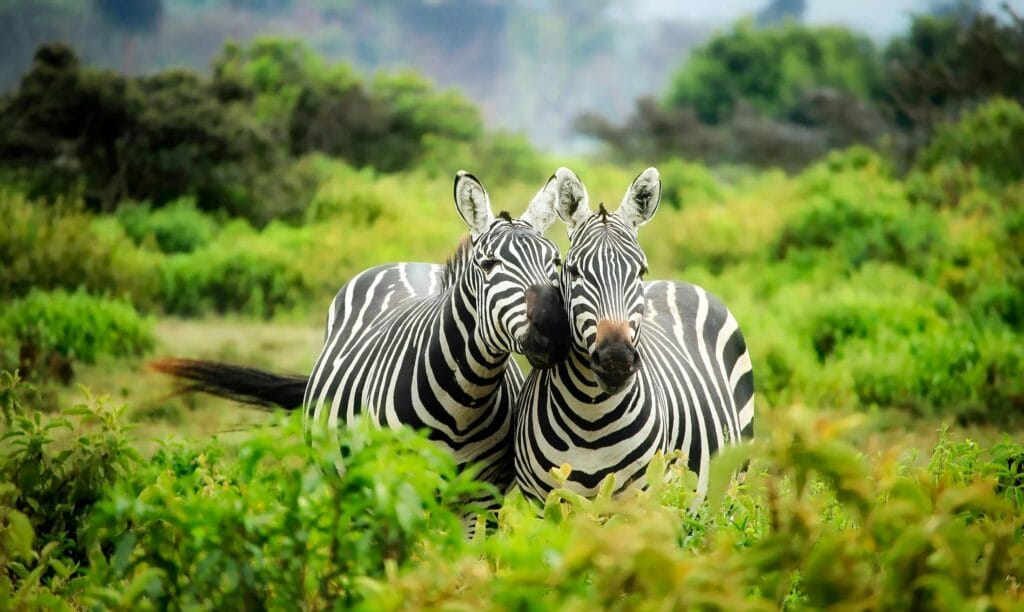
Two zebras in vibrant greenery showcasing African wildlife in their natural habitat.

Affordable Safari Packages During Low Season: Experience Africa on a Budget

A safari adventure is often a bucket-list experience, but it doesn’t have to break the bank. Traveling during the low season is an excellent way to enjoy an unforgettable safari at a fraction of the usual cost. This time of year offers unique opportunities to explore Africa’s stunning landscapes and wildlife while avoiding the crowds and benefiting from lower prices. Here’s your guide to affordable safari packages during the low season, with tips on what to expect and why it’s worth considering. Book Now Why Travel During the Low Season? The low season in most African safari destinations typically coincides with the rainy season (often referred to as the “green season”), which varies depending on the region. In Tanzania, for example, the low season usually falls between March to May and November to mid-December. Here’s why the low season is a great choice for budget travelers: Lower Prices:Accommodation, park fees, and safari packages are often significantly discounted, making luxury lodges and private tours more accessible. Fewer Crowds:With fewer tourists, you’ll have a more intimate experience, whether spotting wildlife, enjoying campfires, or exploring local attractions. Lush Scenery:The rainy season transforms the landscape into a green paradise, with blooming flowers, flowing rivers, and vibrant vegetation. Wildlife Viewing:Contrary to popular belief, wildlife viewing during the low season can still be exceptional. Many animals remain active, and the abundance of water attracts bird species and young animals born during this time. Top Affordable Safari Packages in Tanzania 1. Ngorongoro Crater Budget Safari Duration: 2 days, 1 night Highlights: Explore the iconic Ngorongoro Crater, home to the “Big Five” (lion, leopard, rhino, elephant, and buffalo). Overnight in budget-friendly lodges or campsites with stunning crater views. Estimated Cost: Starting at $300 per person (group tour). 2. Serengeti Green Season Safari Duration: 4 days, 3 nights Highlights: Enjoy the Great Migration calving season in the southern Serengeti, where thousands of wildebeest and zebra give birth. Spot predators such as lions and cheetahs taking advantage of the abundance of prey. Estimated Cost: Starting at $800 per person (group safari). 3. Lake Manyara and Tarangire Combo Safari Duration: 3 days, 2 nights Highlights: Visit Lake Manyara National Park, known for its tree-climbing lions and flamingos. Explore Tarangire National Park, famous for its large elephant herds and baobab trees. Estimated Cost: Starting at $500 per person (group tour). 4. Selous Game Reserve Budget Adventure Duration: 3 days, 2 nights Highlights: Boat safaris along the Rufiji River to spot hippos and crocodiles. Walking safaris for a close-up look at the wilderness. Estimated Cost: Starting at $450 per person. What’s Included in Low-Season Packages? While offerings vary by operator, most low-season safari packages include: Accommodation (lodges, tented camps, or budget campsites). Transportation within the park (often in a 4×4 safari vehicle). Professional guides and drivers. Meals (full board or half board). Park entry fees. Tip: Always confirm the package details to ensure no surprises, such as additional costs for transfers or optional activities. Tips for Making the Most of Low-Season Safaris Pack for Rainy Weather:While rains are typically short and refreshing, a lightweight waterproof jacket and sturdy shoes are a must. Consider Birdwatching:The low season is a birdwatcher’s paradise, with migratory species flocking to Tanzania’s wetlands and parks. Book Early for Discounts:Many operators offer early booking discounts during the low season, so plan your trip in advance. Choose Budget-Friendly Accommodation:Opt for public campsites or mid-range lodges, which often have discounted rates during this time. Travel with a Group:Joining a group safari can lower costs significantly compared to a private tour. Is Low-Season Safari Worth It? Absolutely! While some roads may be muddy and wildlife slightly more spread out, the perks of traveling during the low season far outweigh the challenges. You’ll enjoy incredible scenery, peaceful surroundings, and personalized experiences—all at a fraction of the cost. Plan Your Affordable Safari with Future African Safari At Future African Safari, we offer tailor-made low-season packages to suit your budget and preferences. Whether you’re looking for a quick getaway to the Serengeti or an immersive cultural experience in Ngorongoro, we’ve got you covered. Contact us today to learn more about our discounted safari packages and start planning your unforgettable adventure! Customize your Adventure Kilimanjaro 3 tours Safari 9 tours Zanzibar 3 tours

Affordable Safari Packages During Low Season: Experience Africa on a Budget Read More »
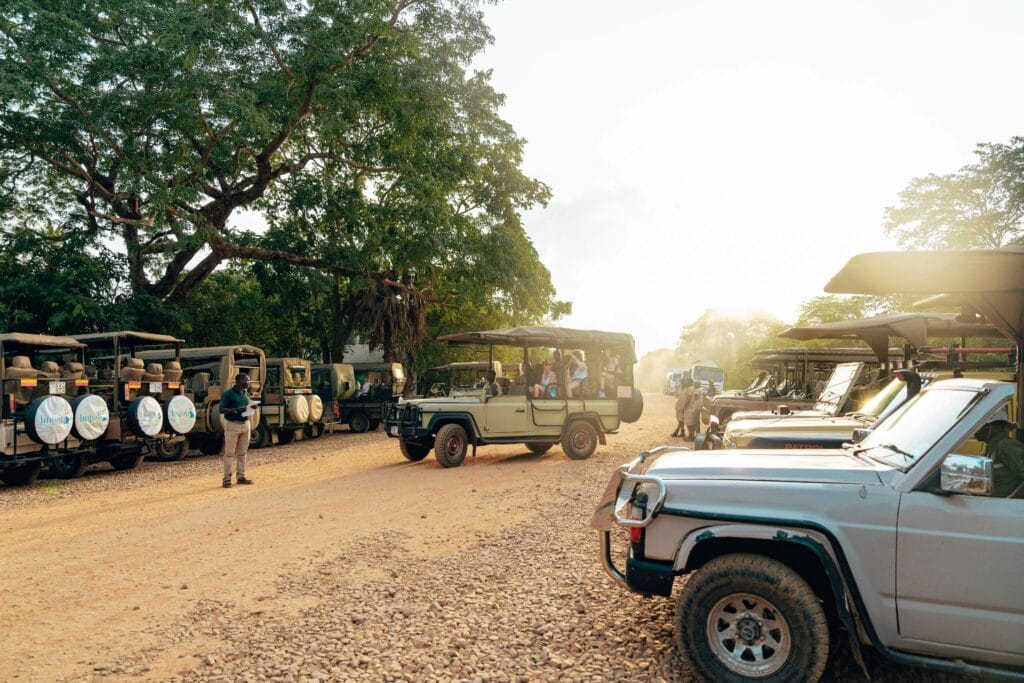
A scenic safari experience showcasing parked jeeps under sunlight on a dirt road with lush trees.

Unleash the Ultimate Safari Adventure with Future African Safari’s 4×4 Vehicles

Why Future African Safari’s 4×4 Vehicles are the Key to an Unforgettable African Adventure Planning the perfect African safari begins with choosing the right tour operator—and the right vehicles. At Future African Safari, our fleet of state-of-the-art 4×4 safari vehicles sets the stage for a comfortable, safe, and immersive wildlife experience. Whether you’re exploring the Serengeti, the Ngorongoro Crater, or Tanzania’s untouched wilderness, our vehicles ensure that every moment of your journey is extraordinary. Book Now The Best 4×4 Safari Vehicles in Africa Custom-Built for All TerrainOur 4×4 safari vehicles are meticulously designed to navigate Africa’s diverse landscapes with ease. From sandy riverbeds to rocky trails, these vehicles offer unmatched stability, ensuring a smooth ride even on the most rugged terrain. Equipped with all-terrain tires and reinforced suspension. Designed for off-road performance in national parks and game reserves. 360-Degree Wildlife ViewingSafari enthusiasts know that visibility is everything. Our vehicles are fitted with pop-up roofs, offering panoramic views ideal for: Wildlife spotting, including the Big Five and other iconic animals. Photography and videography without obstructions. You’ll feel closer to nature while staying safe and secure. Unmatched Passenger ComfortSpending hours on safari doesn’t mean sacrificing comfort. Future African Safari’s 4×4 vehicles are equipped with: Spacious seating with padded cushions and ample legroom. Large, tinted windows for clear viewing while protecting you from the sun. Air conditioning to keep you cool during hot afternoons. Whether you’re on a half-day game drive or a full-day excursion, you’ll enjoy a relaxing and pleasant ride. Safety Features for Peace of MindAt Future African Safari, your safety is our top priority. Our vehicles are regularly inspected and maintained by certified mechanics, ensuring they’re in prime condition for every journey. Key safety features include: First aid kits. Fire extinguishers. GPS tracking and communication systems for emergencies. Expert Driver-GuidesThe best safari experience requires the best guides. Our driver-guides are trained in: Off-road driving and vehicle safety. Wildlife behavior and conservation. Sharing fascinating insights about Africa’s ecosystems and cultures. Their expertise enhances your journey, making every sighting and stop more meaningful. What Sets Us Apart? Our 4×4 safari vehicles are designed not just for transportation but for creating memorable experiences. Picture yourself: Tracking a herd of elephants as they migrate across the savanna. Stopping at a scenic overlook to marvel at the Great Rift Valley. Witnessing a lion hunt from the safety of your vehicle’s raised platform. Every mile traveled in our 4x4s is filled with adventure, excitement, and awe. Environmentally Conscious Safari Vehicles Future African Safari is committed to sustainable tourism. Our fleet uses eco-friendly practices and fuel-efficient engines to minimize carbon footprints while preserving Africa’s pristine environments. Why Choose Future African Safari? When you book with us, you’re guaranteed: The best 4×4 safari vehicles in Africa. Experienced guides dedicated to delivering an unforgettable journey. Flexible safari packages tailored to your preferences and schedule. Book Your Safari Adventure Today! Ready to embark on a once-in-a-lifetime journey? Experience the magic of Africa with Future African Safari’s luxury 4×4 vehicles. Whether you’re seeking a family vacation, a honeymoon adventure, or a wildlife photography expedition, our safari packages cater to all travelers. Contact us now to book your African safari or explore our customizable safari packages! Why Future African Safari’s 4×4 Vehicles are the Key to an Unforgettable African Adventure Planning the perfect African safari begins with choosing the right tour operator—and the right vehicles. At Future African Safari, our fleet of state-of-the-art 4×4 safari vehicles sets the stage for a comfortable, safe, and immersive wildlife experience. Whether you’re exploring the Serengeti, the Ngorongoro Crater, or Tanzania’s untouched wilderness, our vehicles ensure that every moment of your journey is extraordinary. Customize your Adventure Kilimanjaro 3 tours Safari 9 tours Zanzibar 3 tours

Unleash the Ultimate Safari Adventure with Future African Safari’s 4×4 Vehicles Read More »

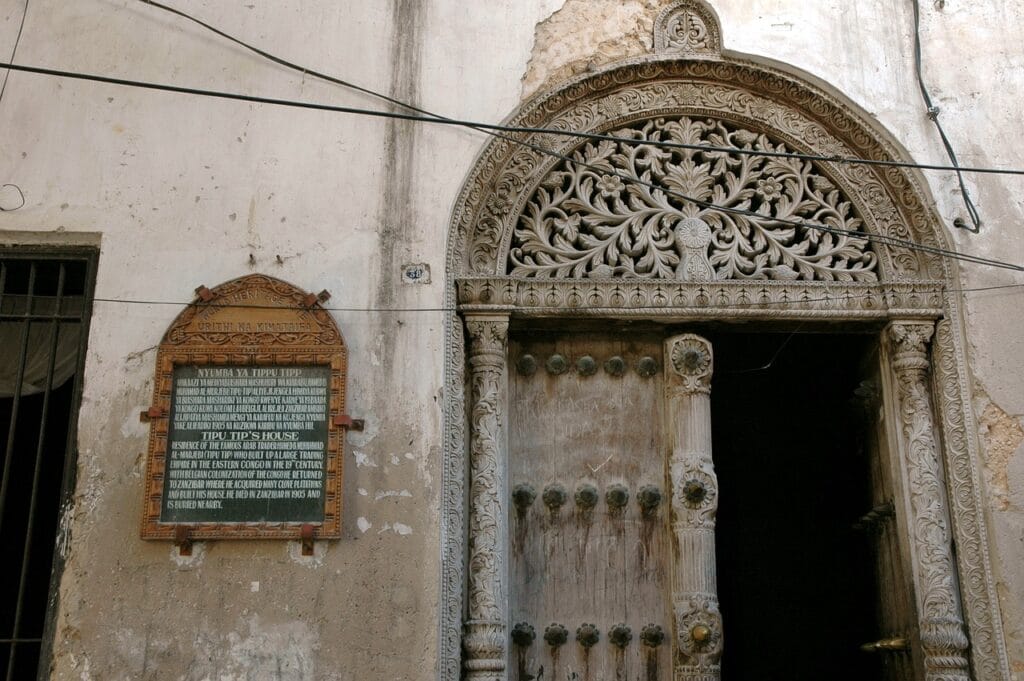
doorway, stonetown, arch

Explore the Ruins of Zanzibar with Safari Packages

Zanzibar’s rich history is beautifully preserved in the ancient ruins scattered across the island. These historical sites tell the story of Zanzibar’s diverse culture, having been shaped by Arab, Persian, Indian, European, and African influences over centuries. From the stunning Stone Town, a UNESCO World Heritage Site, to the lesser-known but equally fascinating ruins scattered around the island, Zanzibar offers a unique glimpse into its storied past. If you’re planning a safari with a cultural twist, combining a wildlife adventure with historical exploration is an excellent way to experience the full scope of Zanzibar’s beauty and heritage. Here’s a look at some of the most iconic ruins on the island, perfect for exploring during your Zanzibar safari package. Book Now 1. The House of Wonders (Beit al-Ajaib) The House of Wonders, located in Stone Town, is one of Zanzibar’s most iconic historical landmarks. Built in the late 19th century, it served as the Sultan’s palace and was once the tallest building in East Africa. The structure blends Arab and European architectural styles and was used for various purposes, including as a royal residence, government offices, and even a museum. What to Expect: Explore the museum and learn about Zanzibar’s history, including its role in the spice trade and as a slave-trading hub. The grand architecture, with its intricate wood carvings, large windows, and stunning balconies, offers amazing photo opportunities. The House of Wonders also features a display of traditional Swahili culture and artifacts. 2. The Old Fort (Forodhani Gardens) Located near the waterfront in Stone Town, the Old Fort is another must-visit site when exploring Zanzibar’s ruins. The fort was built by the Omanis in the late 17th century as a defense against European colonizers and local uprisings. Today, it stands as one of the best-preserved historical sites in Zanzibar, with a vibrant cultural scene. What to Expect: Explore the fort’s impressive walls, winding stairways, and towers. You’ll find shops selling local handicrafts and souvenirs inside the fort, making it a perfect spot for some shopping. The fort offers panoramic views of the Indian Ocean and the nearby Forodhani Gardens, where you can sample traditional Zanzibari street food in the evening. 3. The Palace Museum (Beit el-Sahel) Located in Stone Town, the Palace Museum is housed in the former palace of the Zanzibar Sultans. It offers a fascinating glimpse into the royal life of the island’s former rulers and is a key part of understanding the history of Zanzibar’s monarchy. What to Expect: The museum’s exhibits include photographs, royal furniture, clothing, and various other artifacts from Zanzibar’s past. The architecture itself is magnificent, and you can view the Sultan’s personal quarters, including their intricately designed bathrooms. Located near the waterfront, this museum also offers fantastic views of the ocean. 4. The Kidichi Persian Baths Located just outside of Stone Town, the Kidichi Persian Baths were built by the Persian prince Sayyid Said in the 19th century for his wives. The baths reflect the Persian influence on Zanzibar, with a unique design that features domed structures and tranquil gardens. What to Expect: The ruins of the baths still display fascinating Persian architectural elements, including ornate arches and tilework. Take a leisurely stroll through the surrounding gardens, which are peaceful and filled with tropical plants. While not as well-preserved as some other ruins, Kidichi Baths offers a unique perspective on the island’s diverse cultural history. 5. The Maruhubi Palace Ruins The Maruhubi Palace is one of the most interesting historical sites in Zanzibar. It was built in the 19th century by Sultan Barghash and was originally a private residence for his harem. Unfortunately, the palace was destroyed by fire in the early 20th century, but the ruins still stand, providing a glimpse into the luxurious lifestyle of Zanzibar’s sultans. What to Expect: Explore the ruins of the palace, which include remnants of its grand structures, including the Sultan’s bathing quarters. The surrounding gardens provide a picturesque view of the palace ruins, with lush vegetation offering a quiet retreat. Learn about the fascinating history of Sultan Barghash and his reign, as well as the cultural significance of the palace. 6. Mtoni Palace Ruins Mtoni Palace, located on the northeastern side of Zanzibar Island, was another royal residence and the birthplace of Sultan Sayyid Said, one of Zanzibar’s most famous rulers. The palace was built in the early 19th century and is another example of the blending of Swahili, Persian, and Arab influences in Zanzibar’s royal architecture. What to Expect: The ruins of the palace reveal impressive stonework and remnants of the former royal gardens. The area is quieter than other historical sites, providing a more peaceful experience for visitors. Mtoni Palace is an excellent place for those interested in the history of Zanzibar’s monarchy and the island’s cultural roots. Safari and Historical Adventure Packages When booking a safari package to Zanzibar, many tour operators, like Future African Safari, offer tailored experiences that combine the best of both worlds: thrilling wildlife adventures alongside a journey through Zanzibar’s rich cultural heritage. Whether you’re exploring the ruins of the House of Wonders or going on a game drive in the nearby national parks, these combined tours offer an immersive and well-rounded experience. What’s Included in a Cultural and Safari Package: Guided Tours of Historical Sites: Learn from local guides about Zanzibar’s history, from the ancient ruins to its role in the spice trade and the slave trade. Game Drives and Wildlife Safaris: Combine your cultural exploration with safaris in nearby parks like Tarangire or Ngorongoro, where you can witness the Big Five and other incredible wildlife. Local Experiences: Engage with local communities, sample traditional food, and witness local crafts and music. Conclusion Exploring the ruins of Zanzibar alongside a safari adventure is an incredible way to experience both the cultural and natural beauty of this island paradise. From the grandeur of the House of Wonders to the peaceful charm of the Maruhubi Palace, Zanzibar’s historical sites offer a unique and enriching experience. Future African Safari

Explore the Ruins of Zanzibar with Safari Packages Read More »

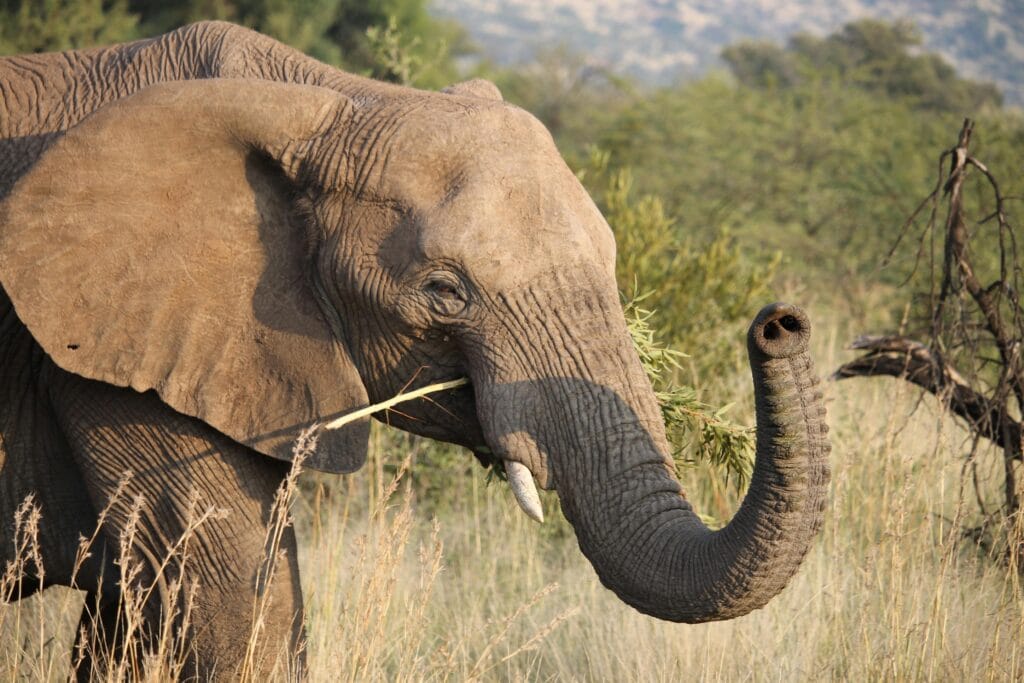
Close-up of an African elephant in Pilanesberg National Park, showcasing its trunk and tusks.

Tarangire National Park Safari Adventures

Tarangire National Park offers some of Tanzania’s most exceptional safari experiences, providing a stunning contrast to other more famous parks like Serengeti and Ngorongoro. Located in the northern part of the country, this park is renowned for its large herds of elephants, majestic baobab trees, and diverse wildlife. Its unique landscape, combined with incredible animal sightings, makes it an ideal destination for safari enthusiasts looking to explore Tanzania’s rich natural heritage. Book Now What Makes Tarangire Special? One of the key features of Tarangire is its impressive population of elephants, with some herds numbering in the hundreds. The park also stands out for its picturesque baobab trees, which are scattered throughout the landscape, creating a surreal atmosphere that can only be experienced in this part of Tanzania. The park’s terrain, consisting of grassy plains, woodlands, and riverine forests, attracts a diverse range of animals, including the Big Five, giraffes, zebras, and wildebeests, as well as over 500 bird species. Wildlife in Tarangire National Park Elephants: Tarangire is often referred to as one of the best places in Tanzania to see elephants, with large herds congregating around the Tarangire River during the dry season. Big Cats: Lions, leopards, and cheetahs can also be spotted, particularly around the riverbanks, where prey is abundant. Birdwatching: With more than 500 bird species, including colorful species like the yellow-collared lovebird and the African eagle, birdwatching is a highlight for visitors. Other Wildlife: Tarangire is home to an incredible array of wildlife, such as giraffes, wildebeests, buffaloes, zebras, and lesser kudu, making it a perfect destination for a wildlife safari. Best Time to Visit Tarangire The best time to visit Tarangire National Park is during the dry season, from June to October, when animals gather around the river and waterholes, making wildlife easier to spot. The park is less crowded than other major parks like Serengeti, which allows for a more peaceful and intimate safari experience. However, visiting during the wet season (from November to May) offers lush landscapes and more vibrant birdlife, especially during the peak migration period. Safari Activities in Tarangire Tarangire National Park is an exciting place to explore, offering various safari activities to suit different preferences: Game Drives The most popular way to experience the park is through guided game drives. With the help of an experienced guide, visitors can explore the park’s diverse ecosystems, tracking wildlife across the plains and woodlands. Game drives offer the chance to spot elephants, lions, cheetahs, and many other animals in their natural habitat. Morning and Evening Drives: These are the best times to spot wildlife, as animals are more active during these cooler parts of the day. Private Game Drives: For a more personalized experience, private game drives allow you to explore the park at your own pace, with the added benefit of having a dedicated guide and vehicle. Walking Safaris For those seeking a more immersive experience, walking safaris offer a thrilling way to explore the wilderness. Accompanied by a trained guide and armed ranger, walking safaris take you deep into the park’s quieter regions, where you can learn about the smaller, often overlooked creatures, plants, and ecosystems that make Tarangire so special. Close Encounters with Nature: Walking safaris provide a chance to appreciate the park’s flora and fauna from a different perspective and gain insights into animal tracks, plants, and survival techniques. Photography Safaris Tarangire’s picturesque landscapes, unique baobab trees, and stunning wildlife make it an excellent destination for photography enthusiasts. Early morning light creates ideal conditions for capturing beautiful images of elephants, lions, and birdlife, while the dramatic baobab trees provide striking focal points for landscape photography. Where to Stay in Tarangire There are various accommodation options in and around Tarangire National Park, catering to different budgets and preferences: Luxury Lodges: For those looking for comfort and exclusive safari experiences, luxury lodges like Tarangire Treetops and Swala Camp provide high-end amenities and a chance to stay in remote, beautiful locations. Mid-Range Camps and Lodges: Affordable yet comfortable options like Tarangire Safari Lodge offer an excellent base for exploring the park, with cozy cottages, pools, and stunning views. Camping: For a more immersive experience, visitors can opt for budget-friendly camping within or near the park, allowing you to fall asleep to the sounds of the African bush. What to Expect on a Tarangire Safari A safari in Tarangire provides a perfect opportunity to experience Tanzania’s wildlife in a tranquil, less touristy environment. The diverse landscape offers dramatic views, from the wide-open plains to the iconic baobab trees that dot the horizon. During the dry season, the concentration of wildlife around the Tarangire River is extraordinary, with elephants, buffaloes, zebras, and wildebeest often gathered in large herds. Tarangire is also a haven for bird watchers, with numerous species, including rare birds such as the silvery-cheeked hornbill and the violet-capped wood hoopoe, adding to the park’s appeal. While game drives are the main activity, walking safaris offer a unique way to experience the park’s quieter corners, giving guests an opportunity to learn more about the local ecosystem and appreciate nature from a closer perspective.   Tarangire National Park offers an unforgettable safari experience, combining stunning landscapes, abundant wildlife, and a more peaceful, less-crowded atmosphere compared to other parks in Tanzania. Whether you’re an avid photographer, a birdwatching enthusiast, or simply looking to explore Tanzania’s wild beauty, Tarangire provides a rich and rewarding adventure. Future African Safari ensures that your journey through this remarkable park is tailored to your interests, providing you with a truly immersive and enriching safari experience. Customize your Adventure Kilimanjaro 3 tours Safari 9 tours Zanzibar 3 tours

Tarangire National Park Safari Adventures Read More »

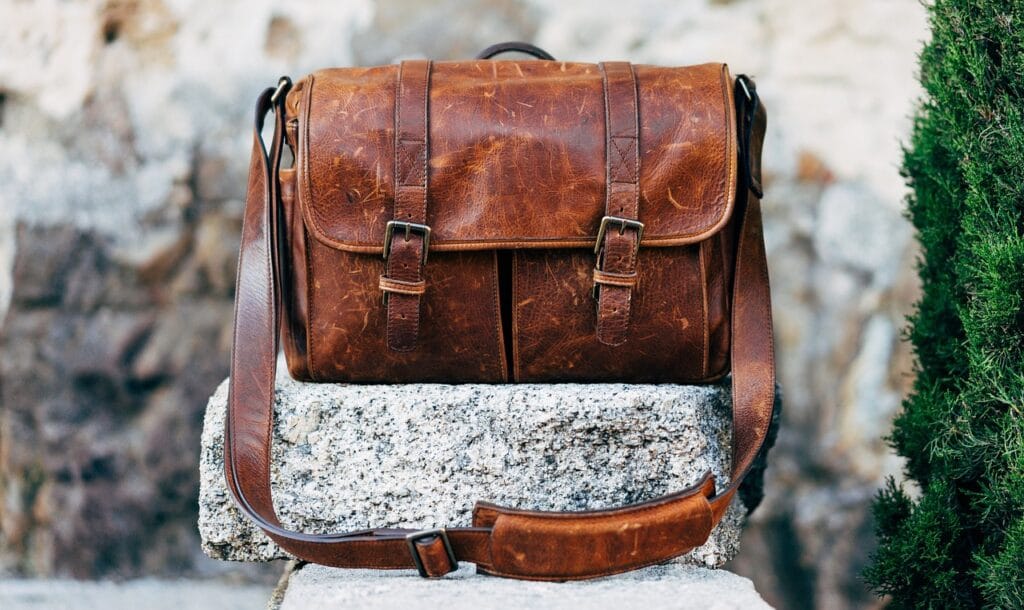
bag, leather, messenger bag

Best Safari Bags and Backpacks: Your Ultimate Guide to Packing for an African Adventure

When preparing for a safari, choosing the right bag or backpack is just as important as picking the perfect safari clothing. Whether you’re heading out for a day game drive or embarking on a multi-day adventure, your safari bag needs to be durable, practical, and comfortable. In this guide, we’ll cover the best safari bags and backpacks for all types of travelers, ensuring you’re fully equipped for your African adventure. Book Now Key Features to Look for in Safari Bags and Backpacks DurabilitySafari conditions can be rugged, so it’s essential that your bag withstands wear and tear. Look for bags made from high-quality, water-resistant materials like nylon or ripstop polyester, which can handle rough terrain and weather conditions. Comfortable and Adjustable StrapsComfort is key for a safari bag, especially when carrying it over long distances. Ensure the backpack has padded shoulder straps and a padded waist belt for added comfort and support, particularly during long game drives or treks. Water ResistanceThe weather in Africa can be unpredictable, with sudden downpours or dusty roads. Make sure your bag is water-resistant or comes with a rain cover to protect your gear. This is especially important for cameras, electronics, and clothing. Capacity and CompartmentsConsider the length of your safari and how much you need to carry. For day trips, a smaller bag may suffice, while longer safaris may require more space. Multiple compartments help organize your gear, and a hydration pocket can be useful for carrying water bottles. Security FeaturesIt’s essential that your bag has secure zippers or lockable compartments to protect valuable items like passports, cameras, or money, especially when staying in lodges or public areas. Top Safari Bags and Backpacks for Your African Adventure Here are some of the best safari bags and backpacks for different types of travelers: 1. Osprey Farpoint 40 Travel Backpack Capacity: 40 liters Weight: 1.4 kg Key Features: Lightweight and comfortable with padded shoulder straps and waist belt Easy-to-organize compartments for gear and clothing Lockable zippers for security Stowaway harness system for easy storage during travel Water-resistant materials to protect your gear from rain or dust The Osprey Farpoint 40 is a favorite among safari travelers due to its comfort, organization, and durability. It’s large enough for a multi-day trip yet compact enough to comply with airline cabin size requirements. 2. The North Face Recon Backpack Capacity: 30 liters Weight: 1.4 kg Key Features: Ventilated back panel to keep you cool during long treks Laptop compartment for storing electronics securely Front organization panel for easy access to small items Reflective details for visibility in low light Water-resistant base and durable fabric construction Ideal for travelers who want both a durable daypack and a bag for multi-day adventures, the North Face Recon is a versatile option with multiple compartments and enough space for your essentials. 3. Lowepro ProTactic 450 AW Camera Backpack Capacity: 21 liters (camera-focused) Weight: 2.1 kg Key Features: Customizable dividers to organize camera equipment, lenses, and accessories All-weather cover for protection from rain Padded, breathable straps and waist belt for comfort Secure pockets for valuables and other gear Quick access to camera gear with front and side openings For photographers, the Lowepro ProTactic 450 AW is a top choice. Designed for professional photographers, it offers customizable compartments and easy access to camera gear, along with plenty of space for other essentials like water bottles and snacks. 4. Deuter Futura Vario 50+10 Hiking Backpack Capacity: 50 + 10 liters (expandable) Weight: 2.2 kg Key Features: Aircomfort Sensic Vario back system to reduce sweating and improve ventilation Hydration system-compatible for easy access to water Rain cover for weather protection Large main compartment and several smaller pockets for organization Comfortable fit with adjustable shoulder straps and waist belt For travelers looking for a large, comfortable, and highly breathable backpack for extended safaris, the Deuter Futura Vario is an excellent option. Its expandable capacity allows you to carry everything you need for a multi-day safari, and its ventilation system ensures you stay comfortable during long hikes or game drives. 5. Gregory Baltoro 65 Backpack Capacity: 65 liters Weight: 2.7 kg Key Features: Hydration reservoir sleeve for carrying water during treks Multiple access points for easy access to gear Adjustable torso length for a perfect fit Compression straps to secure gear and reduce load Rain cover for weather protection The Gregory Baltoro 65 is a premium hiking backpack that excels in comfort, storage capacity, and durability. It’s perfect for travelers going on extended safaris or trekking trips where you need to carry large amounts of gear, clothing, and other essentials. 6. Pacsafe Venturesafe X30 Anti-theft Backpack Capacity: 30 liters Weight: 1.3 kg Key Features: Anti-theft zippers and locking mechanisms to keep your valuables secure RFID-blocking pocket for safeguarding passports and credit cards Water-resistant materials to protect against rain Multiple compartments for easy organization Comfortable padded shoulder straps and hip belt If security is your top concern, the Pacsafe Venturesafe X30 is a great option. It’s designed with anti-theft technology, including locking zippers and RFID protection, to keep your belongings safe while you’re on safari or in transit. 7. Patagonia Arbor Grande 32L Backpack Capacity: 32 liters Weight: 1.1 kg Key Features: Sustainable materials made from recycled polyester Simple design with enough space for essentials and a hydration pocket Internal laptop sleeve for tech protection Wide, adjustable shoulder straps for a comfortable fit Water-resistant fabric to keep your gear dry For a simple, eco-friendly option, the Patagonia Arbor Grande 32L is an excellent choice. It’s perfect for day trips and short safaris, with enough space for your camera, snacks, and extra layers. Conclusion: Choosing the Best Safari Bag or Backpack When selecting a safari bag or backpack, think about your specific needs—whether you need a camera-friendly backpack, extra-large storage for hiking gear, or a lightweight daypack for shorter trips. The Osprey Farpoint 40 is a great all-around choice, while the Lowepro ProTactic 450 AW is perfect for photographers. For longer adventures, the Deuter Futura Vario 50+10 offers excellent comfort

Best Safari Bags and Backpacks: Your Ultimate Guide to Packing for an African Adventure Read More »

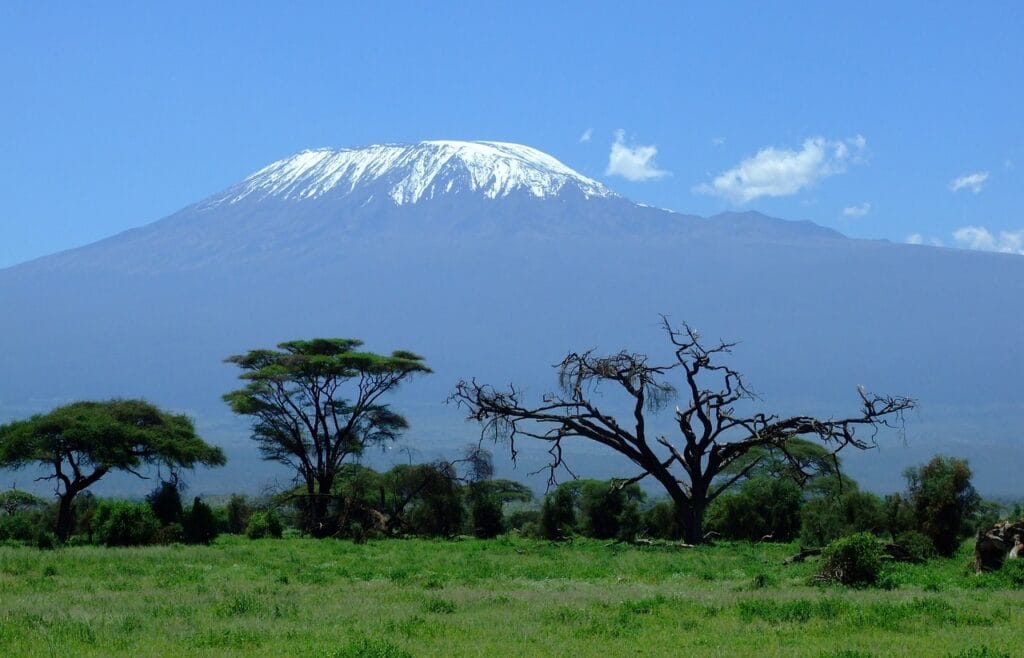
mount kilimanjaro, mountain, safari

Kilimanjaro Climb and Safari Combination Tours

Kilimanjaro climb and safari combination tours offer the perfect balance of adventure and relaxation in Tanzania. Begin with the thrill of trekking Africa’s highest mountain, and follow it with unforgettable wildlife encounters in the Serengeti and Ngorongoro Crater. These tours are perfect for those who want to experience Tanzania’s wilderness from different perspectives, combining the personal achievement of climbing Kilimanjaro with the adrenaline rush of spotting the Big Five in their native landscapes. Book Now The Kilimanjaro Climb Mount Kilimanjaro is one of the most popular trekking destinations in the world. At 5,895 meters (19,341 feet), it is the tallest mountain in Africa and offers an accessible challenge for climbers of various fitness levels. The climb can take between five to nine days, depending on the route and the trekkers’ preferences. Popular Kilimanjaro Routes: Marangu Route (Coca-Cola Route): The easiest and most popular route, offering comfortable hut accommodations along the way. Machame Route (Whiskey Route): Known for its scenic views and slightly more challenging terrain, this route is ideal for more experienced trekkers. Lemosho Route: A longer route that allows for better acclimatization, offering a higher success rate for summit attempts. Rongai Route: The only route that approaches Kilimanjaro from the north, offering a quieter and more remote experience. What to Expect: Diverse Ecosystems: The trek offers a variety of landscapes, from the tropical rainforests at lower altitudes to the alpine deserts and glaciers near the summit. Wildlife Sightings: Depending on the route, trekkers may encounter wildlife such as monkeys, birds, and small mammals in the lower forests and moorlands. Cultural Encounters: Local Chagga guides provide insight into the culture and history of the area, and trekkers can learn about life in the shadow of the mountain. Climbing Seasons: The best times to climb Kilimanjaro are during the dry seasons, from late June to October and late December to February, when the weather is more stable, and the views from the summit are clearer. Safari After Your Kilimanjaro Adventure Once you’ve successfully summited Kilimanjaro, it’s time to head down to Tanzania’s famous national parks for a safari adventure. Combining your climb with a safari allows you to experience the beauty of Tanzania’s wildlife in a more relaxed setting after the physically demanding trek. Many Kilimanjaro climb and safari tours offer a variety of safari packages in the following iconic destinations: Serengeti National Park The Serengeti is world-famous for its annual wildebeest migration, one of nature’s most dramatic wildlife spectacles. A safari here offers the chance to see lions, cheetahs, elephants, giraffes, zebras, and more. The vast savannahs, rolling hills, and impressive concentrations of wildlife make Serengeti a must-see destination for any safari enthusiast. Best Time to Visit: June to October for the dry season, when wildlife is abundant and easier to spot. Safari Highlights: The Great Migration, Big Five sightings, and mesmerizing landscapes. Ngorongoro Crater Ngorongoro Crater, often called the “Eighth Wonder of the World,” is a collapsed volcanic caldera and one of Tanzania’s top safari destinations. The crater floor is home to an extraordinary density of wildlife, including lions, rhinos, elephants, and wildebeest. It’s an excellent location for spotting animals in a relatively small area, making it a photographer’s dream. Best Time to Visit: Year-round, though June to October offers the best wildlife sightings. Safari Highlights: The Big Five, crater landscapes, and rare black rhinos. Tarangire National Park Tarangire is known for its large herds of elephants and iconic baobab trees, making it a unique destination for wildlife lovers. The park is less crowded than the Serengeti and Ngorongoro, offering a more intimate safari experience. It is also an excellent location for birdwatching, with hundreds of species found in the park. Best Time to Visit: June to October, when animals flock to the Tarangire River. Safari Highlights: Elephants, baobab trees, and birdwatching. Lake Manyara National Park Lake Manyara is a smaller park but offers diverse landscapes, including a soda lake, dense forests, and the Great Rift Valley escarpment. It’s famous for its tree-climbing lions and a rich array of bird species, including flamingos and pelicans. It’s an excellent choice for a more leisurely safari with a wide variety of experiences. Best Time to Visit: Year-round, with peak birdwatching during the wet season. Safari Highlights: Tree-climbing lions, flamingos, and rich birdlife. Safari Options Post-Climb After completing your Kilimanjaro climb, a variety of safari options are available to cater to different budgets, interests, and timelines: Private Safaris: Ideal for those who want a more personalized experience, with a private guide, vehicle, and flexible itineraries. Group Safaris: A cost-effective option for those who want to meet fellow travelers while enjoying the highlights of Tanzania’s parks. Luxury Safaris: For those looking to unwind in comfort, luxury safaris include stays in high-end lodges, private guides, and exclusive experiences. How Many Days Should Your Safari Be? While the length of your safari after the climb can vary, it’s typically recommended to spend around 3 to 5 days on safari to truly experience the highlights of Tanzania’s national parks. A combination of 2-3 days in Serengeti and Ngorongoro is ideal, with a day or two in Tarangire or Lake Manyara.   A Kilimanjaro climb combined with a safari is a once-in-a-lifetime adventure, offering an unparalleled mix of physical challenge, natural beauty, and wildlife encounters. Whether you’re trekking through rainforests and alpine deserts to reach the summit of Mount Kilimanjaro or embarking on a safari through Tanzania’s most famous parks, this combination tour promises an unforgettable journey into the heart of Africa. Future African Safari offers customized Kilimanjaro climb and safari packages, ensuring your adventure is tailored to your preferences and that you experience the very best of Tanzania’s landscapes, wildlife, and culture. Customize your Adventure Kilimanjaro 3 tours Safari 9 tours Zanzibar 3 tours

Kilimanjaro Climb and Safari Combination Tours Read More »

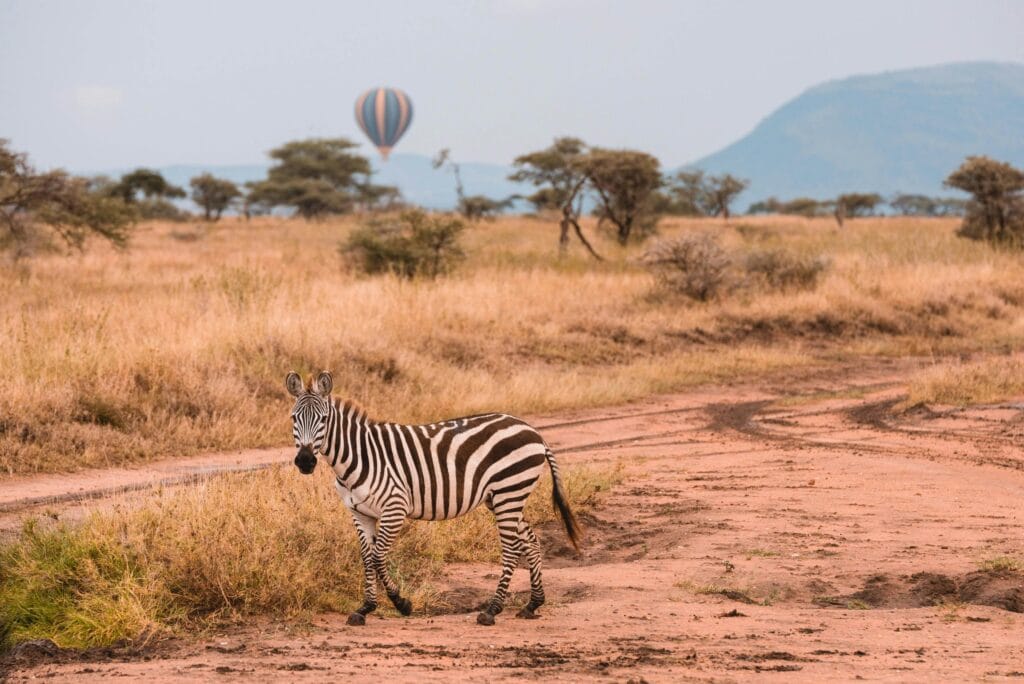
A zebra in the African savanna with a hot air balloon in the background, capturing the essence of safari adventure.

Lesser-Known Safari Destinations in Tanzania

While Tanzania is famous for its iconic wildlife destinations like the Serengeti, Ngorongoro Crater, and Tarangire National Park, there are several lesser-known safari spots that offer unique and unforgettable experiences. These hidden gems provide a more secluded and tranquil experience, ideal for those looking to explore off-the-beaten-path locations while still encountering the diverse wildlife and stunning landscapes that Tanzania is renowned for. Book Now 1. Ruaha National Park Ruaha is one of Tanzania’s largest and least visited national parks, making it an ideal destination for those seeking an intimate safari experience. Located in the central part of the country, Ruaha is a vast wilderness with dramatic landscapes, from rugged hills to expansive grasslands. The park is home to large populations of elephants, lions, and wild dogs, and its remote location means fewer tourists, ensuring a more private and peaceful safari. Wildlife: The park is known for its high concentration of elephants, lions, leopards, and cheetahs. It also boasts a diverse range of bird species, making it a birdwatcher’s paradise. Best Time to Visit: June to October, when wildlife congregates around the park’s rivers and waterholes. 2. Selous Game Reserve Selous Game Reserve is a UNESCO World Heritage site and one of the largest protected areas in Africa, yet it remains relatively unknown compared to other Tanzanian parks. Located in the southern part of the country, Selous offers diverse landscapes, from dense forests and swamps to open savannas. The reserve is less crowded, making it a great choice for those who want a more exclusive experience with plenty of opportunities for walking safaris, boat safaris, and game drives. Wildlife: Selous is home to a vast array of wildlife, including elephants, lions, crocodiles, hippos, and wild dogs. The Rufiji River is particularly famous for its large populations of crocodiles and hippos. Best Time to Visit: June to October, during the dry season when animals are easier to spot around water sources. 3. Mahale Mountains National Park Situated on the shores of Lake Tanganyika, Mahale Mountains is a hidden treasure in western Tanzania, famous for its incredible chimpanzee tracking opportunities. The park is surrounded by lush forests and dramatic mountains, providing a perfect backdrop for wildlife enthusiasts. Mahale offers a unique safari experience that combines the excitement of primate trekking with stunning lake views. Wildlife: The park is home to over 1,000 chimpanzees, along with other species such as lions, giraffes, and various bird species. The lake is also known for its crystal-clear waters and the opportunity to engage in activities like swimming and kayaking. Best Time to Visit: June to October, when the weather is dry and the chimps are more active. 4. Gombe Stream National Park Gombe Stream is one of the smallest national parks in Tanzania but is famous for its incredible chimpanzee populations. Located on the shores of Lake Tanganyika in the western part of the country, Gombe offers intimate and exclusive chimpanzee tracking experiences. The park’s steep hills and dense forests provide a unique terrain for safaris, with a chance to witness the behavior and social structures of wild chimpanzees. Wildlife: Aside from chimpanzees, Gombe is home to various primates, including baboons and red colobus monkeys, as well as a variety of bird species and small mammals. Best Time to Visit: June to October, during the dry season when chimpanzees are easier to track. 5. Katavi National Park Katavi is one of the most remote national parks in Tanzania and is often overlooked by tourists, despite being one of the most rewarding safari destinations. Located in the southwest, Katavi offers a more rugged and raw African wilderness experience, with vast plains, seasonal wetlands, and a great diversity of wildlife. The park’s isolation and limited access ensure that it remains pristine and less crowded, offering an intimate safari experience. Wildlife: Katavi is known for its large populations of buffalo, elephants, hippos, and crocodiles. It is also a great place to spot rare wildlife such as wild dogs and large herds of antelopes. Best Time to Visit: June to October, when the wildlife is concentrated around the park’s rivers and waterholes. 6. Rubondo Island National Park Rubondo Island, located on Lake Victoria, is one of Tanzania’s most secluded and tranquil safari destinations. The park offers a combination of forest and lakeside experiences, with opportunities to explore the island’s pristine wilderness. Rubondo is famous for its chimpanzee reintroduction project and is an excellent spot for birdwatching, fishing, and boat safaris. Wildlife: The island is home to a variety of species, including chimpanzees, giraffes, zebras, and over 200 bird species. The lake also offers fishing opportunities and the chance to spot aquatic wildlife such as otters and crocodiles. Best Time to Visit: April to October, when the weather is favorable for both wildlife viewing and boat excursions. 7. Saadani National Park Located on the coast of Tanzania, Saadani National Park is a unique destination that combines the best of both land and marine safaris. The park is the only wildlife reserve in Tanzania that is located along the coastline, offering visitors the chance to see wildlife, including elephants and lions, along with beautiful beach views. Saadani is also an important area for marine conservation, with opportunities for boat safaris along the Wami River and the Indian Ocean. Wildlife: Saadani is home to a variety of land animals, including elephants, lions, giraffes, and wildebeest. It is also an excellent spot for birdwatching, especially for waterfowl and migratory species. The river and coastline provide opportunities for sightings of dolphins, turtles, and other marine life. Best Time to Visit: June to October, for the dry season when animals congregate around the waterholes. 8. Arusha National Park While Arusha is a popular starting point for safaris in Tanzania, its national park remains one of the lesser-explored areas. Located just outside Arusha town, the park is home to stunning landscapes, including the iconic Mount Meru and the Ngurdoto Crater. Arusha National Park offers a diverse safari experience with game drives, walking safaris, and canoe safaris, making

Lesser-Known Safari Destinations in Tanzania Read More »

shirts, dress shirts, clothing

Recommended Safari Clothing for Men: Stay Comfortable and Stylish on Your African Adventure

When preparing for a safari, it’s essential to choose clothing that not only suits the environment but also enhances your overall experience. From the early morning game drives to the warm afternoons and cool evenings, the right clothing can make a significant difference in comfort, protection, and convenience. Here’s a guide to the best safari clothing for men, ensuring you’re ready to embrace the elements while enjoying the wildlife and landscapes of Africa. Book Now 1. Neutral, Earthy Colors When choosing safari clothing, it’s important to stick to neutral colors such as khaki, beige, olive, and brown. These colors help you blend into the environment, which is important for wildlife viewing. Bright colors, especially white or red, can draw attention from animals, while dark colors may attract insects like tsetse flies. Stick to colors that mimic the natural tones of the African landscape to avoid disturbing the animals. Recommended Colors: Khaki, olive, brown, beige, light gray 2. Lightweight, Breathable Fabrics African climates can vary widely depending on the region and time of year, so it’s important to choose fabrics that are both lightweight and breathable. Look for clothing made from natural fibers like cotton or linen that allow your skin to breathe and keep you cool in hot temperatures. Additionally, moisture-wicking fabrics, such as synthetic blends, can help keep sweat off your skin and make you feel more comfortable throughout the day. Recommended Fabrics: Cotton, linen, moisture-wicking synthetics (e.g., polyester) 3. UV Protection The African sun can be intense, and exposure to UV rays over prolonged periods can be harmful. To protect your skin, consider clothing with built-in UV protection or wear additional layers that shield you from the sun. A long-sleeve shirt or lightweight jacket can help protect your arms and neck from sunburn without causing you to overheat. Tip: Look for clothing labeled with UPF (Ultraviolet Protection Factor), which indicates the level of UV protection offered. 4. Safari Shirts For the perfect safari shirt, look for something that is both functional and comfortable. A long-sleeve, lightweight shirt made from breathable fabric will protect your arms from the sun and insects, while keeping you cool. Many safari shirts come with roll-up sleeves for flexibility, and some include ventilation panels to help you stay cool on hot days. Features to Look For: Roll-up sleeves, vented back, button-down style, UPF protection 5. Convertible Pants/Shorts Convertible pants are a safari essential. These pants allow you to zip off the lower part of the leg, turning them into shorts when the weather gets warm, and easily zip them back on when temperatures drop or for protection from insects. Choose pants made from lightweight, breathable material that can be worn comfortably all day. Recommended Style: Zip-off pants that convert to shorts Tip: Opt for pants with multiple pockets for storing small items like your phone, camera, or binoculars. 6. Comfortable Footwear Comfortable, sturdy footwear is crucial for safari activities such as game drives, walking safaris, or hiking. You’ll want a pair of lightweight hiking boots or sturdy walking shoes that provide support, protect your feet from rough terrain, and offer comfort over long periods. Key Features: Breathable: To keep your feet cool Supportive: For walking on uneven ground Durable sole: To provide good traction on rocky or muddy surfaces Water-resistant: In case of rain or wet conditions Recommended Types: Hiking boots with ankle support Comfortable, durable walking shoes or trail runners 7. Sun Protection Accessories Since sun exposure can be a concern, especially during early morning or afternoon game drives, bringing along some key accessories is important. Hat: A wide-brimmed sun hat or cap will protect your face, neck, and ears from the sun. Choose a hat made from lightweight material for breathability. Sunglasses: Opt for polarized sunglasses that block UV rays and reduce glare, especially when driving or during long periods of sun exposure. Bandana/Neck Gaiter: A bandana or neck gaiter is useful for protecting your neck from the sun or for wiping away sweat. 8. Light Jacket or Fleece While it can be very hot during the day, temperatures can drop significantly at night, especially in the evenings during safaris. Be sure to pack a lightweight jacket or fleece that will keep you warm during chilly evenings or early morning game drives. Recommended Jacket: A windproof, water-resistant jacket for unexpected weather changes 9. Insect Protection To protect yourself from insect bites, especially in areas where mosquitoes are prevalent, consider wearing insect-repellent clothing or using insect-repellent sprays on your clothing and skin. Many safari clothing brands offer garments that are pre-treated with insect repellent (often containing permethrin) to help keep bugs at bay. Tip: Long pants and long sleeves offer the best protection against insect bites. 10. Optional: Lightweight Backpack A lightweight backpack can be useful for carrying your camera, extra clothing layers, snacks, sunscreen, and binoculars during game drives or walking safaris. Make sure it’s easy to carry and doesn’t weigh you down during long days. Sample Safari Outfit for Men Top: Long-sleeve, button-down safari shirt (neutral color, UPF protection) Bottoms: Convertible pants (can switch from pants to shorts) Footwear: Comfortable, lightweight hiking boots Accessories: Wide-brimmed hat, polarized sunglasses, light fleece jacket, and insect-repellent spray Other Essentials: Lightweight backpack, binoculars, camera Conclusion: Dressing Smart for Your Safari Adventure Choosing the right safari clothing ensures that you’re comfortable, protected, and ready to enjoy your adventure in Tanzania. At Future African Safari, we encourage all our travelers to dress in lightweight, neutral-colored, and sun-protective clothing to make the most of their safari experience. If you need help organizing your packing list or more advice on safari gear, feel free to reach out. We’re here to help you prepare for the ultimate adventure!     Customize your Adventure Kilimanjaro 3 tours Safari 9 tours Zanzibar 3 tours

Recommended Safari Clothing for Men: Stay Comfortable and Stylish on Your African Adventure Read More »

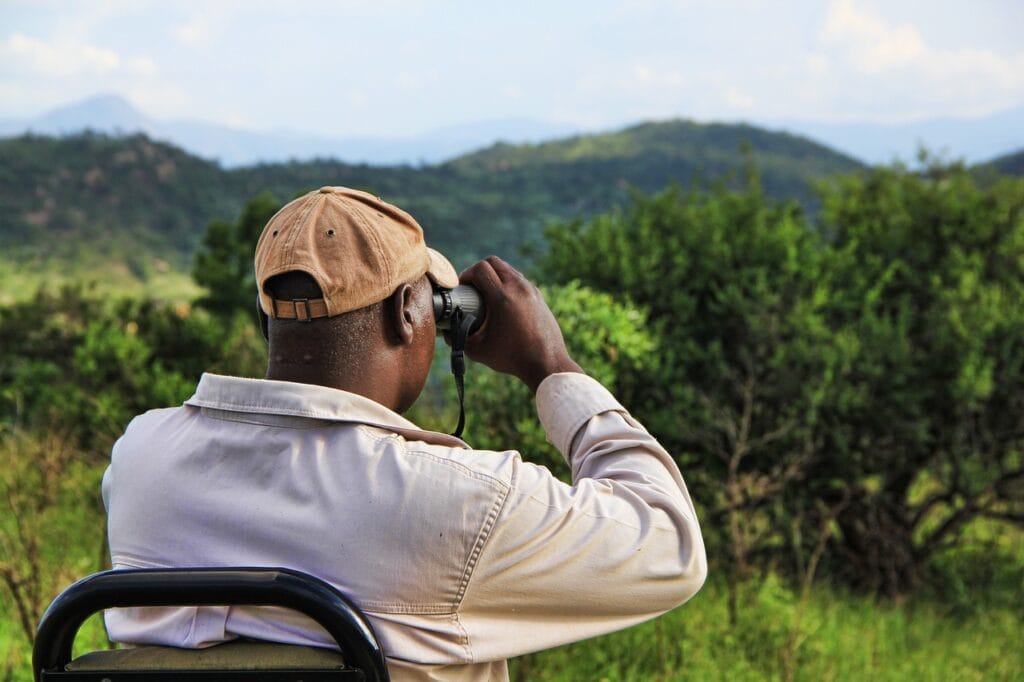
stalk, africa, binoculars

Best Binoculars for Safari Viewing: A Traveler’s Guide to the Perfect Safari Experience

When going on a safari, binoculars are an essential tool for enhancing your wildlife viewing experience. Whether you’re tracking elusive animals in the dense savanna or spotting birds from the comfort of your vehicle, a good pair of binoculars can make all the difference. With so many options available, choosing the right binoculars can be overwhelming. Here’s a guide to help you select the best binoculars for safari viewing, ensuring you’ll capture every detail of the incredible wildlife around you. Book Now What to Look for in Safari Binoculars Before diving into specific recommendations, it’s important to know what features make binoculars ideal for safari adventures. Magnification PowerMagnification refers to how many times closer an object appears compared to the naked eye. For safaris, a magnification of 8x to 10x is generally recommended: 8x magnification: Offers a wide field of view, which is great for tracking fast-moving animals and provides a steady image. 10x magnification: Gives a closer view but can be harder to steady, especially when handheld. Objective Lens SizeThe objective lens is the large lens at the front of the binoculars, and its size (in millimeters) determines how much light enters the binoculars. A larger objective lens is great for low-light conditions, such as early morning or dusk safaris. Objective lens size between 30mm to 50mm: Ideal for safari conditions. Larger lenses (e.g., 42mm) help in low-light situations, which are common during dawn and dusk in the savannah. Field of ViewA wider field of view allows you to scan a larger area, which is crucial for spotting animals, especially in open landscapes. A good field of view can make it easier to locate wildlife in the vastness of the African plains. Weight and DurabilitySafari adventures can be long and tiring, so you’ll want binoculars that are lightweight yet durable. Look for models that are waterproof, fog-proof, and shock-resistant to withstand the harsh conditions of the African bush. Top Binoculars for Safari Viewing Here are some of the best binoculars for safari viewing, based on key factors like magnification, build quality, and optical performance: 1. Nikon Monarch 7 8×42 Magnification: 8x Objective Lens: 42mm Weight: 590g Key Features: Excellent light transmission for low-light conditions Fully multi-coated lenses for superior image quality Waterproof and fog-proof design, ideal for all weather conditions Comfortable ergonomic design for extended use The Nikon Monarch 7 is a popular choice among safari-goers due to its clarity, durability, and lightweight build. Its 8×42 configuration strikes a perfect balance between magnification and field of view, making it ideal for wildlife viewing. 2. Zeiss Terra ED 8×42 Magnification: 8x Objective Lens: 42mm Weight: 570g Key Features: High-quality ED glass for sharp and bright images Compact and lightweight, ideal for travel Waterproof and nitrogen-filled to prevent fogging Wide field of view for tracking moving animals The Zeiss Terra ED 8×42 offers outstanding optical performance with bright, sharp images. Known for its durability and lightweight design, it is perfect for safari enthusiasts who want clear views of wildlife, even in challenging lighting. 3. Vortex Optics Viper HD 10×42 Magnification: 10x Objective Lens: 42mm Weight: 635g Key Features: High-density, extra-low dispersion glass for better color contrast and resolution Waterproof, fog-proof, and shockproof construction Comfortable design with a rubber armor coating for grip Close focus range for detailed viewing The Vortex Viper HD provides exceptional image quality with its HD glass. Though it offers 10x magnification, it’s still relatively easy to hold steady, making it a great choice for wildlife enthusiasts who want detailed close-ups of distant animals. 4. Swarovski CL Companion 8×30 Magnification: 8x Objective Lens: 30mm Weight: 420g Key Features: Excellent image clarity with high-quality optics Lightweight and compact, making it easy to carry Waterproof, fog-proof, and durable design Wide field of view and close focusing distance For those looking for a compact yet high-performing pair of binoculars, the Swarovski CL Companion 8×30 is a top-tier choice. Its lightweight design makes it perfect for long safaris where ease of use is important without sacrificing image quality. 5. Celestron Nature DX 8×42 Magnification: 8x Objective Lens: 42mm Weight: 600g Key Features: High-quality BaK-4 prisms for clear, sharp views Waterproof and fog-proof, ideal for varying weather conditions Durable rubber armor for protection and grip Budget-friendly without compromising on optical performance The Celestron Nature DX 8×42 binoculars offer great value for money. With excellent optical clarity and durability, they are an excellent option for travelers on a budget who still want reliable, high-performing binoculars for safari viewing. Conclusion: Finding the Right Binoculars for Your Safari Adventure Choosing the right binoculars for your safari experience will ensure that you get the most out of your wildlife viewing. Whether you opt for a compact pair like the Swarovski CL Companion or a high-magnification model like the Vortex Optics Viper HD, the key is to balance magnification, weight, and optical performance to suit your safari style. At Future African Safari, we encourage all our travelers to bring along a good pair of binoculars to fully appreciate the stunning wildlife and scenic landscapes of Tanzania. Ready to plan your safari adventure? Let us help you create an unforgettable wildlife experience. Customize your Adventure Kilimanjaro 3 tours Safari 9 tours Zanzibar 3 tours

Best Binoculars for Safari Viewing: A Traveler’s Guide to the Perfect Safari Experience Read More »

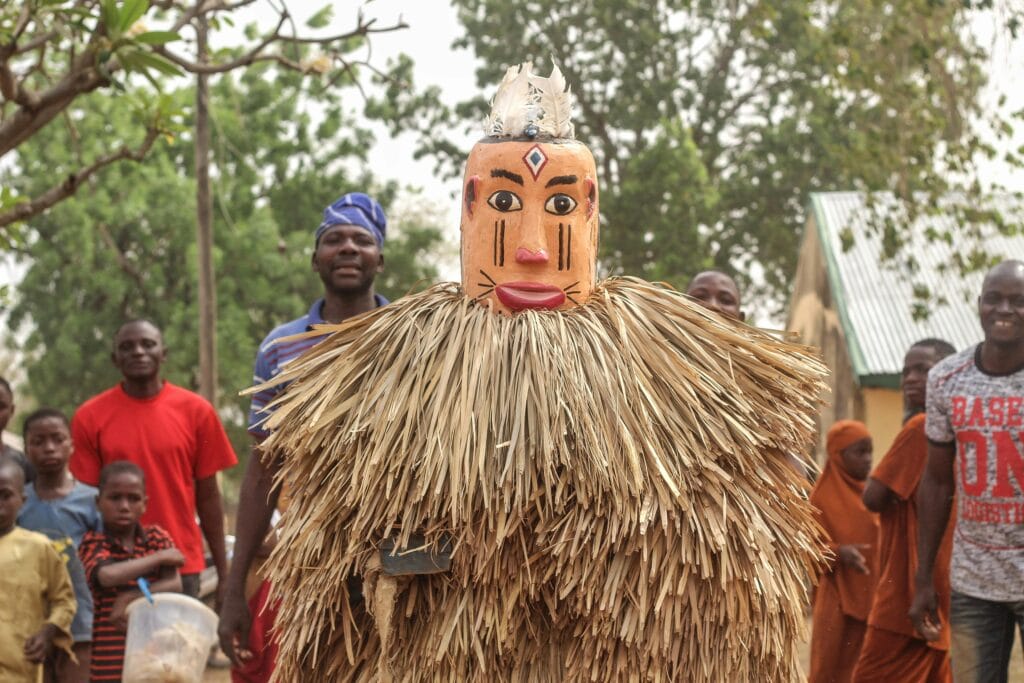
Vibrant African festival with traditional costumes and mask performance, capturing cultural essence.

Participating in Local Tanzanian Festivals: A Vibrant Cultural Experience

Tanzania is a country rich in cultural diversity, with festivals that celebrate its history, music, dance, and traditional customs. From the bustling streets of Dar es Salaam to the serene landscapes of Zanzibar, Tanzania’s festivals offer travelers a unique opportunity to immerse themselves in the local culture. Participating in these festivals can deepen your connection to the country and provide an unforgettable experience. Here’s a guide to some of Tanzania’s most vibrant festivals and how you can get involved during your safari. Book Now 1. Sauti za Busara Festival Location: Zanzibar Sauti za Busara is one of East Africa’s most iconic music festivals, held annually in Zanzibar’s historic Stone Town. This festival celebrates African music, with a particular focus on artists from Tanzania and the wider African continent. With performances spanning various genres, from traditional taarab and bongo flava to contemporary pop, Sauti za Busara offers a diverse range of musical experiences. What to Expect:The festival features live performances by African musicians, art exhibitions, cultural workshops, and street parades. The venue is open-air, allowing you to experience Zanzibar’s warm, coastal atmosphere as you enjoy music from local and international artists. How to Participate:You can attend the festival as a traveler, purchasing tickets for the various performances. Many tour companies also offer special packages for those wishing to combine their safari adventure with the Sauti za Busara experience. Enjoy the music, meet local artists, and even try some traditional Zanzibar food at the food stalls. 2. Mwaka Kogwa Festival Location: Zanzibar Mwaka Kogwa is a traditional celebration that marks the Shirazi (Persian) New Year in Zanzibar. Held in the village of Makunduchi, the festival involves a mix of music, dance, and ritualistic activities. The festival is an exciting blend of cultural practices, including mock fights, singing, and prayers for a prosperous year ahead. What to Expect:The highlight of Mwaka Kogwa is the traditional “fighting” between men, which symbolizes the purging of bad luck from the previous year. The mock fights are done with branches and sticks, and while they’re playful, they’re a spectacle worth seeing. Traditional music, dancing, and feasting are also important parts of the festival. How to Participate:Visitors are welcomed to witness the celebrations and join in the festivities. You can participate by wearing local attire, joining the dances, and enjoying the vibrant atmosphere of the village. Be prepared to immerse yourself in the joyful chaos that surrounds this energetic festival. 3. The Ngorongoro Maasai Cultural Festival Location: Ngorongoro Crater This annual festival is a celebration of Maasai culture, held in the heart of the Ngorongoro Conservation Area. The Maasai are one of Tanzania’s most well-known ethnic groups, and the festival provides an opportunity to experience their traditions up close. What to Expect:The festival showcases Maasai music, dance, and ceremonial rituals, such as traditional jumping dances, or “adumu,” which is a symbol of strength and agility. The Maasai also perform rituals like circumcision ceremonies and other rites of passage that are significant to their culture. Traditional Maasai crafts, like beadwork, jewelry, and clothing, are sold at the festival. How to Participate:While visiting the Maasai villages in the Ngorongoro region, you can participate by learning about Maasai customs and traditions. Travelers can join in the dance, wear Maasai attire, and take part in activities like making traditional beadwork or learning about Maasai foods. 4. The Kilimanjaro Marathon Festival Location: Moshi Held annually in Moshi, near the base of Mount Kilimanjaro, this festival combines sports and local culture in a fun and dynamic way. The Kilimanjaro Marathon is one of Tanzania’s most popular sporting events, attracting both local and international participants. What to Expect:The festival includes the marathon race itself, but it also features a variety of cultural performances, local crafts, and food stalls. Visitors can enjoy live music, dance, and the celebration of both Tanzanian athleticism and culture. How to Participate:If you’re a runner, you can participate in the marathon or the shorter races, which include a half marathon and a 5K. Even if you’re not participating in the race, you can enjoy the cultural performances, visit local vendors, and cheer on the athletes as they cross the finish line. 5. Zanzibar International Film Festival (ZIFF) Location: Zanzibar The Zanzibar International Film Festival is East Africa’s largest film festival and a significant cultural event on the island. ZIFF celebrates the art of filmmaking and the role of cinema in telling the stories of African communities. What to Expect:ZIFF features screenings of local and international films, workshops with filmmakers, and vibrant cultural performances. The festival is a blend of film, art, music, and theater, making it a perfect place for those who want to explore Tanzanian culture through the medium of cinema. How to Participate:Attending the screenings and workshops is a great way to learn more about the African film industry and to interact with filmmakers and artists. Visitors can also enjoy music performances and art exhibitions that accompany the festival. 6. The Mombasa Carnival (for those visiting nearby regions) Location: Mombasa, Kenya (near Tanzania) Although this carnival is located in neighboring Kenya, it’s close enough for travelers in Tanzania to easily access it, especially those visiting the coastal region. The Mombasa Carnival is a colorful celebration of East African cultures, with vibrant parades, music, dancing, and street performances. What to Expect:The carnival includes colorful floats, traditional dances, and musical performances from all over East Africa. It’s a lively event with a focus on celebrating the diversity of cultures in the region. How to Participate:You can participate by joining in the dancing, enjoying the parade, or visiting the market stalls that sell local crafts, clothing, and food. 7. The Serengeti Safari and Wildlife Festival Location: Serengeti National Park While the Serengeti is famous for its wildlife and the Great Migration, the Serengeti Safari and Wildlife Festival is a celebration of the region’s natural beauty and wildlife conservation efforts. It includes educational programs, exhibitions, and activities centered around Tanzania’s diverse ecosystems. What to Expect:The festival focuses on wildlife conservation and the

Participating in Local Tanzanian Festivals: A Vibrant Cultural Experience Read More »

Scroll to Top