Safari

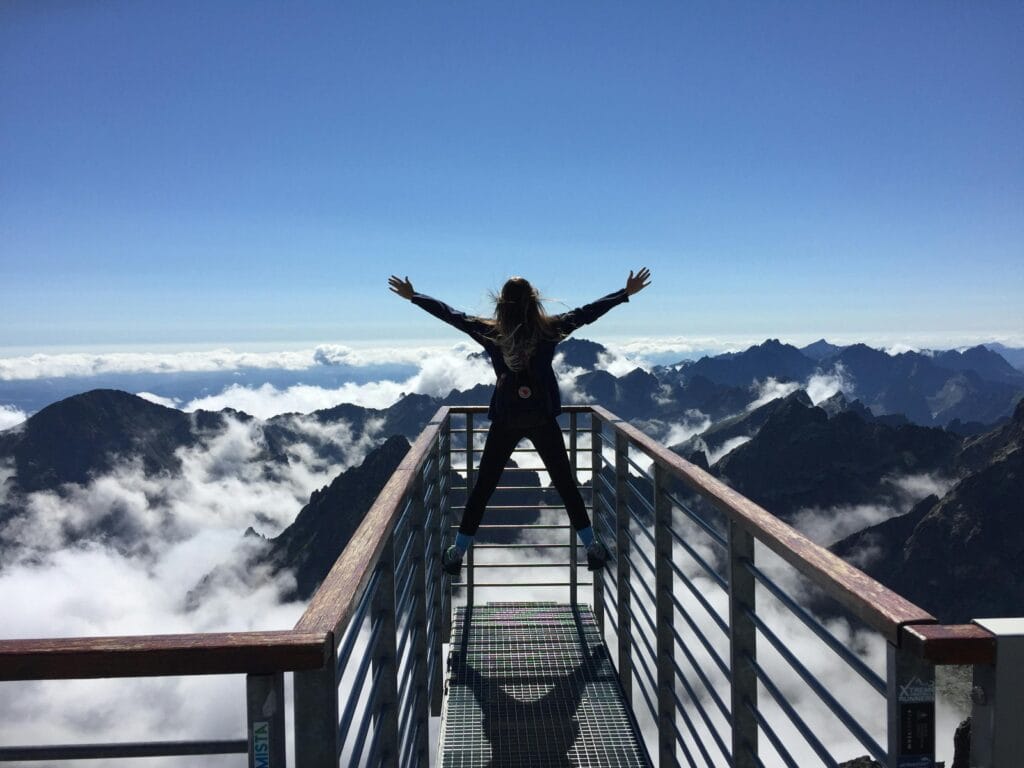
A woman stands on a viewing platform in Vysoké Tatry, Slovakia, surrounded by clouds and mountains, embracing freedom.

Health and Safety in Safari Camps: Ensuring a Safe and Enjoyable Adventure

Staying at a safari camp is one of the most exciting and immersive ways to experience the wildlife and natural beauty of Tanzania. However, as with any adventure in remote locations, it’s important to prioritize your health and safety to ensure a smooth and enjoyable experience. Here are key health and safety tips to consider when staying in safari camps. 1. Choose a Reputable Safari Camp Why It’s Important: Your safari experience begins with the camp you choose. A well-established camp will have stringent health and safety protocols in place. What to Look For: Safety Standards: Ensure the camp adheres to safety standards set by local authorities and wildlife conservation organizations. Experienced Guides and Staff: Choose a camp with experienced guides who are trained in first aid and emergency procedures. Licensing and Certification: Verify that the camp is licensed and registered with local tourism boards, ensuring they comply with safety regulations. 2. Insect Protection and Malaria Prevention Why It’s Important: Tanzania is located in a malaria-endemic region, and protecting yourself from insect bites is a top priority while staying in safari camps, especially during the evenings when mosquitoes are most active. What to Do: Use Mosquito Nets: Ensure your tent or cabin is equipped with a mosquito net, or ask the camp to provide one. Apply Insect Repellent: Use a strong DEET-based repellent on exposed skin and clothing to prevent bites, particularly in the evenings. Wear Protective Clothing: Long-sleeved shirts, pants, and socks help minimize exposure to insects. Opt for light-colored clothing, as mosquitoes are attracted to dark colors. Take Malaria Medication: Consult with your doctor about anti-malarial medications before your trip and take them as prescribed. 3. Water and Food Safety Why It’s Important: The risk of foodborne illnesses can be higher in remote areas, so it’s essential to follow proper hygiene and water safety practices. What to Do: Drink Bottled or Purified Water: Avoid drinking tap water unless you are certain it has been purified. Safari camps generally provide bottled water for guests, but always double-check. Be Careful with Food: Stick to foods prepared by reputable camp kitchens, and avoid street food or food from unverified sources. Ensure that food is cooked properly and served hot. Wash Hands Regularly: Use hand sanitizer or wash your hands thoroughly before eating, especially when in a rustic camp setting where access to water may be limited. 4. Staying Safe from Wildlife Why It’s Important: While encountering wildlife is a highlight of any safari, it’s crucial to respect the animals’ space and maintain safety protocols to avoid dangerous situations. What to Do: Listen to Your Guide’s Instructions: Guides are trained to handle encounters with wildlife. Always follow their lead, whether you are on a game drive or walking safari. Stay Inside the Camp at Night: Animals such as lions, elephants, and hippos are often active at night. Never leave your tent or cabin after dark without a guide. Avoid Feeding Animals: Do not attempt to feed or attract animals, as this can lead to aggressive behavior and disrupt their natural habits. Keep Your Distance: Always maintain a safe distance from wildlife, especially large predators. Stay in the vehicle during game drives and on designated walking trails for guided walks. 5. Prepare for the Weather and Environmental Conditions Why It’s Important: Tanzania’s climate can vary, and the weather conditions can impact your health and comfort during your stay at a safari camp. What to Do: Stay Hydrated: The heat during the day, especially in the dry season, can be intense. Always drink plenty of water, particularly during game drives and outdoor activities. Dress for Comfort and Protection: Wear lightweight, breathable fabrics to stay cool during the day. In the evening, temperatures can drop, so bring warm layers for the cooler nights. Be Prepared for Dust: Depending on the location, the dry season can lead to dusty conditions. If you have respiratory conditions, make sure to carry appropriate medication, like inhalers. Stay Safe from the Sun: Use sunscreen, wear a hat, and protect your eyes with sunglasses to avoid sunburn and eye damage during the day. 6. Health and Medical Emergency Protocols Why It’s Important: Safari camps are often located far from medical facilities, so understanding the camp’s emergency procedures and having the right insurance is crucial. What to Do: Know Emergency Procedures: Upon arrival, ask the camp management about emergency evacuation procedures, the nearest hospital, and how to reach emergency services. Travel Insurance: Ensure that your travel insurance covers medical emergencies, including evacuation from remote safari camps. Check that the insurance includes coverage for safari-related activities like hiking, walking safaris, or hot-air ballooning. First Aid Training: Some camps offer basic first aid training for guests. Inquire about this and familiarize yourself with essential emergency procedures. In Case of Medical Emergency: If you or someone in your group experiences a medical emergency, contact your camp’s management immediately. Safari guides are trained in first aid and will take immediate action to ensure you get the care you need. 7. Avoiding Animal-Borne Diseases Why It’s Important: Animals in the wild can carry diseases, some of which can be transmitted to humans. Knowing how to avoid contact with animal waste or infected animals is essential. What to Do: Avoid Touching Animals: Don’t touch or attempt to handle any animals, including smaller creatures like monkeys or reptiles. Don’t Come Into Contact with Animal Waste: Keep your distance from animal tracks and waste, as it can carry diseases like leptospirosis. Clean Hands After Handling Equipment: If you come into contact with safari gear that may have been exposed to animals, clean your hands immediately. 8. Know Your Camp’s Accommodation Safety Features Why It’s Important: Safari camp accommodations can vary, and it’s important to know the safety features and emergency exits of your tent or lodge. What to Do: Check Tent Setup: If staying in a tent, ensure it is securely fastened and that it has a proper entrance and exit. Check that the camp’s staff has outlined procedures

Health and Safety in Safari Camps: Ensuring a Safe and Enjoyable Adventure Read More »
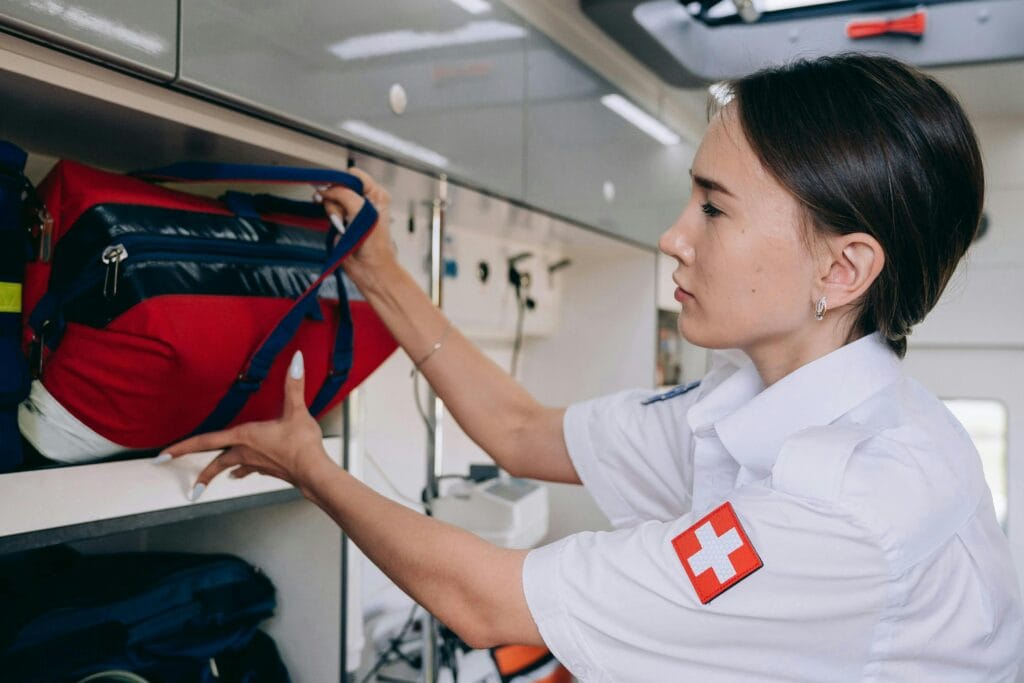
Paramedic organizes medical equipment in ambulance, ensuring readiness for emergencies.

Medical Emergency Tips on Safari: Staying Safe and Prepared During Your Adventure

A safari in Tanzania offers a unique opportunity to experience Africa’s incredible wildlife and landscapes. However, like any adventure, it’s important to be prepared for medical emergencies, especially in remote locations where access to healthcare can be limited. Here are essential tips for handling a medical emergency on safari, ensuring you and your loved ones stay safe. Customize your Adventure 1. Prepare in Advance: Know Your Health Risks Why It’s Important: Before embarking on your safari, it’s crucial to be aware of any health risks associated with the area you’ll be visiting. What to Do: Consult a Doctor: Visit a travel doctor at least 4-6 weeks before your trip to get vaccinations and medical advice specific to Tanzania. Common concerns include malaria, altitude sickness (for Mount Kilimanjaro), and traveler’s diarrhea. Know the Location: Understand the nearest medical facilities and hospitals to your safari destinations, especially if you plan to visit remote areas. For example, the Serengeti and Ngorongoro Crater are far from major hospitals, so emergency evacuation may be required in case of serious illness or injury. 2. Carry a Well-Stocked First Aid Kit Why It’s Important: A first aid kit can be invaluable in handling minor injuries or illnesses while you’re on the move. What to Include: Pain relievers (ibuprofen, paracetamol) Anti-diarrheal medication (for stomach issues) Antiseptic cream and bandages for cuts or abrasions Malaria medication (if prescribed by your doctor) Anti-allergy medication (for insect bites or food reactions) Motion sickness tablets (for those prone to nausea on game drives or boat rides) Hydrocortisone cream (for insect bites or rashes) Tweezers (for removing thorns or splinters) Antibiotic ointment (for skin infections) 3. Stay Hydrated and Protected from the Sun Why It’s Important: Dehydration and sunburn are common medical concerns while on safari, especially in Tanzania’s hot and dry environment. What to Do: Drink Plenty of Water: Always carry bottled water and stay hydrated throughout the day. Heat and physical exertion from safari activities can quickly lead to dehydration. Use Sunscreen: Apply a high-SPF sunscreen regularly, particularly on exposed areas like your face, neck, and hands. A wide-brimmed hat and sunglasses also provide protection from the sun. Wear Lightweight, Long-Sleeved Clothing: This helps protect you from both the sun and mosquito bites. Consider clothing made of breathable, moisture-wicking fabrics to stay comfortable. 4. Know How to Spot and Treat Insect Bites Why It’s Important: Insects like mosquitoes and tsetse flies are common in safari areas and can transmit diseases like malaria or sleeping sickness. What to Do: Use Insect Repellent: Apply repellent with DEET to exposed skin and clothing to prevent bites. Check for Symptoms of Malaria: Malaria can develop a few days after exposure, with symptoms including fever, chills, and flu-like symptoms. If you develop these symptoms, seek medical help immediately. Tsetse Flies: While not dangerous in all cases, tsetse flies can transmit sleeping sickness. Their bites are painful and may cause swelling. If bitten, clean the wound thoroughly and seek medical attention if symptoms worsen. 5. Familiarize Yourself with Emergency Procedures Why It’s Important: In the event of a medical emergency, knowing how to act quickly can make all the difference. What to Do: Know How to Contact Help: Most safari lodges and tour companies have emergency contacts for medical assistance. Make sure you have the contact numbers for local hospitals, emergency services, and your safari guide’s team. In Case of Serious Illness or Injury: If you or someone in your group experiences a medical emergency, immediately notify your guide. They are trained to handle emergencies and will know the quickest route to help. Evacuation Plans: If necessary, your safari operator should be able to arrange an evacuation to the nearest medical facility, which could involve a helicopter or plane, depending on the location. Ensure your travel insurance covers emergency evacuation. 6. Be Aware of Wildlife Hazards Why It’s Important: While safari animals are beautiful to watch, they can be dangerous if approached too closely or disturbed. What to Do: Stay Inside Your Vehicle: Never leave the safety of your safari vehicle unless instructed by your guide. Wild animals can be unpredictable and dangerous, even if they appear calm. Follow Your Guide’s Instructions: Your safari guide is trained in handling wildlife encounters. Always listen to their advice and maintain a safe distance from animals. Know the Signs of Heatstroke or Exhaustion: If you’re participating in walking safaris or climbing, watch for symptoms of heat exhaustion, such as dizziness, nausea, or extreme fatigue. Rest immediately, hydrate, and avoid direct sun exposure. 7. Ensure Your Travel Insurance Covers Medical Emergencies Why It’s Important: Travel insurance is crucial in case of serious medical emergencies, especially in remote locations where healthcare may not be readily available. What to Do: Check Your Coverage: Make sure your travel insurance covers emergency medical treatment, evacuation, and repatriation. Add Special Coverage for High-Risk Activities: If you plan to do any high-risk activities (e.g., hiking, ballooning), ensure that your policy includes these activities, as they may be excluded from standard coverage. Keep Emergency Numbers on Hand: Carry a list of emergency contacts, including your insurance provider’s emergency assistance number. 8. Learn Basic First Aid Why It’s Important: Having basic first-aid knowledge can be extremely helpful in an emergency situation. What to Do: Learn How to Perform CPR: Knowing how to do CPR and basic wound care can be lifesaving in case of an accident or injury. Take a First-Aid Course: Before your safari, consider taking a basic first aid and CPR course. This is especially helpful if you’re traveling in remote areas. 9. Monitor Your Health Regularly Why It’s Important: Monitoring your health can help catch potential issues early, allowing for quicker treatment if needed. What to Do: Check for Symptoms of Malaria: Keep an eye on any flu-like symptoms and seek treatment promptly if you experience fever, chills, or fatigue. Stay Alert for Other Illness Symptoms: If you experience severe headaches, dizziness, or an unusual rash, it’s important to seek medical attention. Keep Track of

Medical Emergency Tips on Safari: Staying Safe and Prepared During Your Adventure Read More »

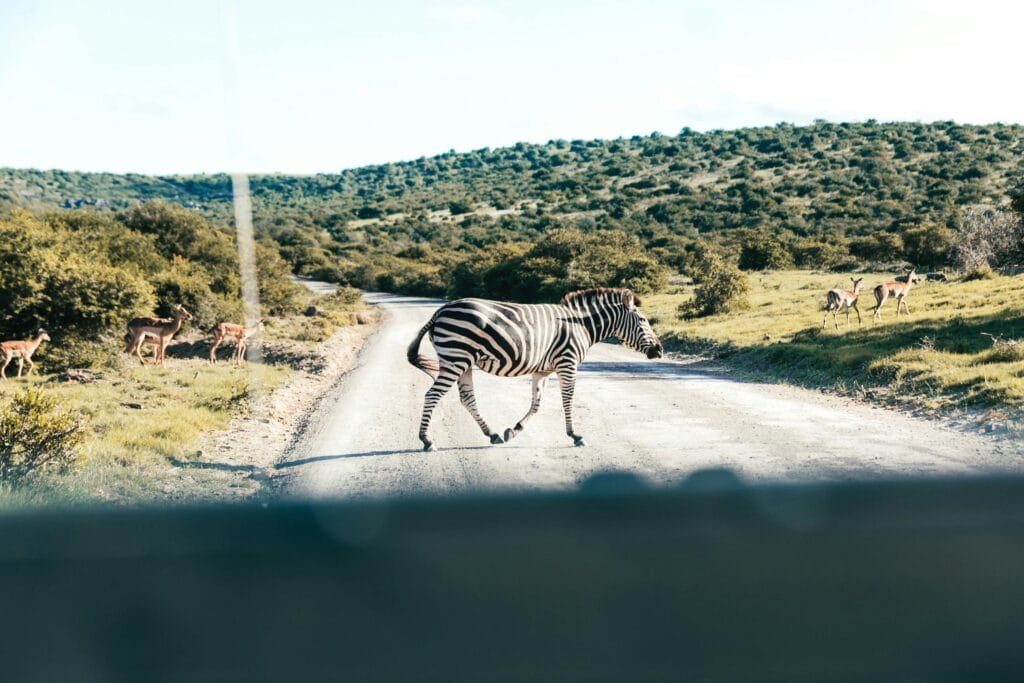
View from inside vehicle of zebra and herd of antelopes strolling on roadway and grass hills in sunlight

Safari travel guides for beginners

Planning a safari for the first time can be thrilling yet overwhelming. For beginners, understanding what to expect and how to prepare is key to ensuring an enjoyable and memorable experience. Here’s a guide to help first-time travelers navigate their African safari journey: Book Now 1. Choosing the Right Safari Destination Africa is vast, with diverse ecosystems and wildlife. Some popular beginner-friendly destinations include: Tanzania: Known for the Serengeti, Ngorongoro Crater, and Kilimanjaro, it offers iconic game drives and opportunities to witness the Great Migration. Kenya: The Maasai Mara is famed for its abundant wildlife and rich cultural experiences. South Africa: Kruger National Park offers excellent wildlife viewing and easy accessibility with well-developed infrastructure. Botswana: Ideal for a serene and luxurious safari experience in the Okavango Delta. Research the best times to visit based on the wildlife you wish to see and the type of experience you’re looking for. 2. Understanding Safari Types Not all safaris are the same. Choose a style that suits your preferences and comfort level: Game Drives: Perfect for beginners, these are guided drives in safari vehicles led by experienced guides. Walking Safaris: A more intimate way to experience the bush, ideal for adventurers. Boat Safaris: Common in places like the Okavango Delta, providing a unique perspective of wildlife along waterways. Luxury Safaris: Catered lodges with all-inclusive packages for a stress-free experience. Self-Drive Safaris: For the adventurous, allowing freedom to explore at your own pace. 3. What to Expect on a Safari Safaris are unpredictable, which adds to the excitement. However, some common aspects to anticipate include: Early Mornings: Wildlife is most active at dawn and dusk, so game drives typically start early. Open Vehicles: Most safari vehicles are open-sided for better views, so dress appropriately for the weather. Animal Behavior: Patience is key, as wildlife sightings can be sporadic. Guides will often position you for the best views while maintaining safety. 4. Packing Essentials Packing smartly ensures comfort and convenience: Clothing: Lightweight, breathable fabrics in neutral tones. Include a warm jacket, hat, and scarf for chilly mornings. Footwear: Comfortable walking shoes or lightweight hiking boots. Accessories: Sunglasses, a wide-brimmed hat, and sunscreen. Gear: Binoculars, a camera with a zoom lens, and extra memory cards. Personal Items: A refillable water bottle, insect repellent, and a basic first-aid kit. 5. Health and Safety Tips Vaccinations and Medications: Consult a healthcare professional for required vaccinations and malaria prevention medications. Insect Protection: Use mosquito repellent and wear long sleeves in the evenings. Stay Hydrated: Drink plenty of water, especially in hot climates. Follow Guide Instructions: Always adhere to the advice and rules provided by your guide for your safety and that of the animals. 6. Budgeting and Booking Research Tour Operators: Choose reputable operators like Future African Safari for well-organized tours and knowledgeable guides. All-Inclusive Packages: These often include accommodation, meals, and guided activities, simplifying planning. Travel Insurance: Ensure comprehensive coverage for health, cancellations, and unforeseen events. 7. Photography Tips for Beginners Zoom Lens: A lens of at least 200mm will help capture distant wildlife. Steady Shots: Use a bean bag or camera rest to stabilize your shots. Be Present: Don’t spend the entire time behind the lens; enjoy the scenery and the experience. 8. Embracing the Safari Ethos Respect for nature and wildlife is paramount: Observe Quietly: Speak softly and avoid sudden movements to avoid disturbing the animals. Leave No Trace: Dispose of waste responsibly and minimize environmental impact. Support Conservation: Choose eco-friendly lodges and operators contributing to local conservation efforts. For a seamless first safari, rely on experienced tour operators like Future African Safari, who provide beginner-friendly itineraries, professional guides, and unparalleled service. With the right preparation and mindset, your maiden safari adventure will be a story worth sharing for years to come. Customize your Adventure Kilimanjaro 3 tours Safari 9 tours Zanzibar 3 tours

Safari travel guides for beginners Read More »

protection, family, society

Travel Insurance for High-Risk Activities: Protecting Your Adventure in Tanzania

If you’re planning to engage in high-risk activities during your safari, such as hiking Mount Kilimanjaro, hot-air ballooning in the Serengeti, or a walking safari with close wildlife encounters, it’s essential to have the right travel insurance. These activities can be thrilling but come with added risks, and standard travel insurance might not cover them. Here’s a guide on how to secure travel insurance for high-risk activities and make sure you’re fully protected. Customize your Adventure What Are High-Risk Activities? High-risk activities refer to experiences that carry a higher likelihood of injury or accidents compared to everyday activities. For a safari in Tanzania, these might include: Mountain climbing (e.g., Mount Kilimanjaro) Hot-air balloon rides Walking safaris in national parks Bungee jumping or zip-lining Canoeing or kayaking Horseback riding through wildlife areas Scuba diving or snorkeling Safari drives on off-road trails or in remote areas These activities are thrilling and provide an unforgettable experience, but it’s important to ensure that your travel insurance policy covers them. What to Look for in Travel Insurance for High-Risk Activities 1. Adventure Sports and High-Risk Activity Coverage Why It’s Important: Standard travel insurance policies typically exclude coverage for high-risk activities. If you’re planning on doing any of the activities mentioned above, you need to make sure your policy includes specific coverage for them. What to Look For: A policy that includes coverage for adventurous and high-risk activities. An option to add an adventure sports rider or policy extension to include activities like mountaineering, hiking at high altitudes, or ballooning. Ensure that any specific risks associated with wildlife interaction (e.g., walking safaris) are covered. 2. Medical and Emergency Evacuation Coverage Why It’s Important: Accidents during high-risk activities can result in serious injuries that may require immediate medical attention or evacuation to a hospital. What to Look For: Comprehensive emergency medical coverage that includes evacuation to the nearest medical facility. 24/7 emergency assistance and air ambulance services for remote locations like the Serengeti or Mount Kilimanjaro. Coverage for mountain rescue if you’re hiking or climbing at high altitudes. 3. Trip Cancellation and Interruption Coverage Why It’s Important: If an unexpected injury or emergency forces you to cancel or cut short your adventure, travel insurance can help you recover non-refundable expenses. What to Look For: Protection against trip cancellations, interruptions, or delays due to injury or illness caused by high-risk activities. Coverage for any prepaid tours or activities, such as safari bookings or climbing fees, in case you need to reschedule or cancel. 4. Personal Liability Coverage Why It’s Important: High-risk activities can sometimes lead to accidents that affect others. If you cause harm or damage during an activity, personal liability coverage will protect you. What to Look For: Coverage for third-party accidents or damages, including during activities like horseback riding or driving off-road. Protection in case of legal claims resulting from incidents during your activities. 5. Coverage for Specific Activities Why It’s Important: Many insurers will offer separate coverage or restrictions for particular high-risk activities. You’ll need to know exactly which activities are covered by your policy. What to Look For: Ensure your policy explicitly covers the activities you plan to undertake, such as hiking at altitudes above 3,000 meters (for Kilimanjaro) or participation in safari walking tours. If you plan to participate in extreme activities like bungee jumping or scuba diving, verify these are included in your policy or available as an add-on. Top Travel Insurance Providers for High-Risk Activities 1. World Nomads Why It’s Great for High-Risk Activities: World Nomads specializes in providing coverage for adventure travelers. It includes a wide range of activities, from trekking and climbing to wildlife safaris and hot-air ballooning. Offers a flexible policy that allows you to extend coverage while you are traveling. Includes 24/7 emergency assistance, medical evacuation, and high-altitude coverage for activities like Kilimanjaro trekking. Coverage Highlights: Medical expenses and emergency evacuation. Adventure activities, including walking safaris, mountaineering, and wildlife viewing. Trip cancellation and interruption. 2. SafetyWing Why It’s Great for High-Risk Activities: SafetyWing offers flexible travel insurance designed for remote workers, digital nomads, and adventure travelers. It covers a variety of high-risk activities. Can be easily extended while traveling, providing coverage for unexpected activities you might decide to do during your safari. Ideal for long-term travelers and includes 24/7 support. Coverage Highlights: Emergency medical coverage and evacuation. High-risk activities like scuba diving and hiking. Loss of baggage and trip cancellations. 3. Allianz Global Assistance Why It’s Great for High-Risk Activities: Allianz provides comprehensive travel insurance with the option to add coverage for high-risk activities. Offers protection for climbing, hiking, and other adventure sports as well as coverage for personal injury and medical expenses. Coverage Highlights: Medical evacuation and repatriation. Optional coverage for adventure activities. Trip delay, cancellation, and interruption coverage. 4. AIG Travel Guard Why It’s Great for High-Risk Activities: Known for offering a range of policies that can be tailored to include adventure sports and activities. AIG offers coverage for activities like mountaineering, safaris, and off-road driving in remote areas. Coverage Highlights: Adventure sports, including hiking and mountaineering. Medical treatment and emergency evacuation. Trip cancellation and interruption. Tips for Choosing the Right Insurance for High-Risk Activities 1. Be Specific About Your Plans Ensure that you clearly list all the high-risk activities you plan to do during your trip when purchasing travel insurance. If you plan to climb Mount Kilimanjaro, go on a walking safari, or take a hot-air balloon ride, make sure these are specifically mentioned in your policy. 2. Check for Exclusions Some insurance policies exclude certain high-risk activities, so check the fine print to make sure you are covered for the specific activities you plan to undertake. If certain activities are not covered, ask if you can add them as an extra rider. 3. Understand Your Coverage Limits Make sure you understand the coverage limits for medical evacuation, emergency medical expenses, and other essential services. This is particularly important for remote safari destinations where evacuation costs can be high. 4. Review Policy Terms

Travel Insurance for High-Risk Activities: Protecting Your Adventure in Tanzania Read More »

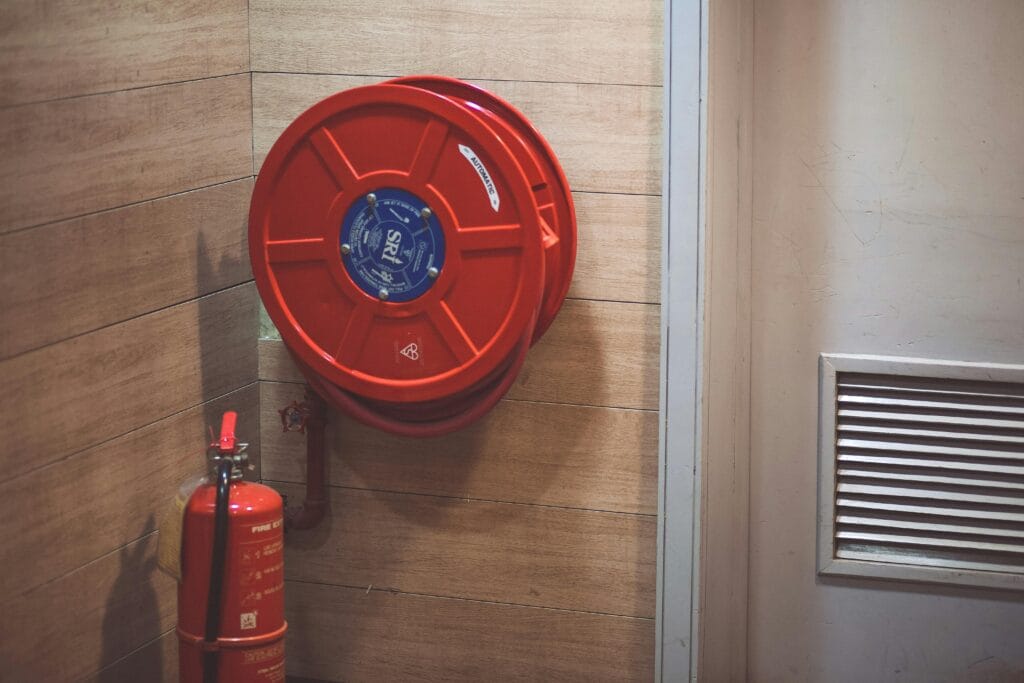
Red fire hose reel and extinguisher inside a building corner.

Health Tips for Tanzania Safari Travel: Staying Safe and Healthy on Your Adventure

Embarking on a safari in Tanzania is a thrilling experience, offering an up-close look at Africa’s incredible wildlife and landscapes. However, traveling in a remote and diverse environment requires preparation to ensure your health and safety. Here are essential health tips for your Tanzania safari to help you stay fit and enjoy every moment of your adventure. Customize your Adventure 1. Get Vaccinated Before You Go Why It’s Important: Vaccinations help protect you from diseases that may be prevalent in Tanzania, especially in rural areas where healthcare access is limited. Key Vaccines to Consider: Yellow Fever: A mandatory vaccine for travelers arriving from countries with risk of yellow fever transmission. Hepatitis A and B: Hepatitis vaccines are recommended for protection against food- and waterborne illnesses. Typhoid: Particularly important if you’re traveling to rural or remote areas. Malaria: While Tanzania is a malaria-endemic country, preventive medication can reduce the risk of contracting malaria. Tetanus and Diphtheria: If you haven’t had a booster in the past 10 years, consider getting one. Tip: Visit a travel clinic well in advance of your trip (at least 4-6 weeks before departure) to ensure your vaccinations are up to date. 2. Prevent Mosquito Bites Why It’s Important: Tanzania is a malaria-endemic country, and mosquito bites can also transmit other diseases like dengue or chikungunya. How to Protect Yourself: Wear Long-Sleeved Clothing: Especially during early morning and late evening when mosquitoes are most active. Use Mosquito Repellent: Apply a DEET-based repellent to exposed skin. Sleep Under a Mosquito Net: When staying in lodges or tented camps, ensure your sleeping area is protected with an insect-proof net. Stay in Air-Conditioned or Screened Rooms: This reduces exposure to mosquitoes at night. 3. Drink Safe Water Why It’s Important: Contaminated water can cause illnesses like diarrhea, which can ruin your safari experience. How to Stay Safe: Drink Bottled Water: Always drink sealed bottled water, and avoid tap water or drinks with ice unless you’re sure they’ve been made with purified water. Boil Water: If you must drink from a local source, ensure the water is boiled or treated with a water purification tablet. 4. Be Prepared for the Sun Why It’s Important: Tanzania’s safari regions, particularly the Serengeti and Ngorongoro Crater, can experience intense sunlight, especially during the dry season. How to Stay Safe: Wear a Hat and Sunglasses: Protect your face, eyes, and neck from direct sunlight. Apply Sunscreen: Use a high-SPF sunscreen (30 or higher) and reapply regularly, especially after swimming or sweating. Stay Hydrated: The African sun can be scorching, so drink plenty of water throughout the day to stay hydrated. Seek Shade: Whenever possible, take breaks in shaded areas to avoid overheating and sunburn. 5. Be Cautious with Food Why It’s Important: While Tanzanian cuisine is delicious, there’s always a risk of foodborne illnesses when traveling to new places. How to Stay Safe: Avoid Raw or Undercooked Foods: Stick to cooked meals and avoid salads, fruits with unpeeled skin, or street food. Wash Your Hands Frequently: Carry hand sanitizer and wash your hands before eating to avoid contamination. Eat at Reputable Restaurants: When dining outside of your lodge or hotel, choose establishments with good hygiene practices. 6. Know What to Do in Case of Illness Why It’s Important: Despite all precautions, travel illnesses can still occur, and it’s vital to know what steps to take. How to Stay Safe: Know Emergency Contacts: Make sure you have the contact details of the nearest hospital or clinic in case of an emergency. Carry a Health Kit: Include essentials like pain relievers, anti-diarrheal medication, antiseptic cream, plasters, and motion sickness tablets. Travel Insurance: Ensure your travel insurance covers medical emergencies, including evacuation if necessary. 7. Take Care During Activities Why It’s Important: Safari activities like hiking, game drives, and walking safaris can be physically demanding, and it’s important to ensure you’re in good health to enjoy them safely. How to Stay Safe: Start with a Check-Up: Visit your doctor before your trip, especially if you have any pre-existing conditions or are planning strenuous activities. Listen to Your Guide: Always follow your safari guide’s instructions, especially during walking safaris or when near wildlife. Stay Active but Rest: Ensure you balance activity with rest to avoid exhaustion, especially in the heat. 8. Stay Up to Date with Local Health Guidelines Why It’s Important: Health guidelines can change based on regional outbreaks or public health measures. How to Stay Safe: Check Travel Advisory Updates: Stay informed about any health advisories or safety alerts from your government or international health bodies. Follow Local Health Regulations: Be aware of any health measures or guidelines in place at your safari destinations, including COVID-19 protocols if relevant. 9. Respect Wildlife Safety Why It’s Important: While the main focus of your safari is to witness wildlife in their natural habitat, ensuring your safety around animals is essential. How to Stay Safe: Stay Inside the Vehicle: Never leave the vehicle during game drives unless instructed by your guide. Keep a Safe Distance: Maintain a respectful distance from animals, especially predators like lions and elephants, which can be unpredictable. Follow Your Guide’s Instructions: Safari guides are experienced and know how to interact with wildlife safely. 10. Prepare for the Climate Why It’s Important: Tanzania’s climate can vary from hot and dry to cooler in higher altitudes, and being prepared helps avoid discomfort. How to Stay Safe: Pack Layers: Even during hot days, temperatures can drop in the evenings, so bring warm layers for early morning and evening safari drives. Adjust to the Climate Gradually: If you’re arriving from a cooler or more humid climate, give your body time to adjust to the African heat. Plan Your Safari with Confidence By following these health tips, you can enjoy your Tanzanian safari with peace of mind, knowing you’re prepared for the adventure ahead. Remember, health and safety are key to ensuring a memorable experience, so make sure to take all necessary precautions. Book your safari with Future African Safari today,

Health Tips for Tanzania Safari Travel: Staying Safe and Healthy on Your Adventure Read More »

Close-up of hands typing on laptop with an insurance document visible on the desk.

Best Travel Insurance for Safari: Protecting Your Adventure in the African Wilderness

When planning a safari, ensuring you have the right travel insurance is crucial for peace of mind and financial protection. Safari travel can involve a range of activities, from long game drives to hiking in remote areas, and having comprehensive coverage can safeguard you against unexpected situations. Here’s a guide to choosing the best travel insurance for your safari adventure. Customize your Adventure What to Look for in Safari Travel Insurance 1. Medical Coverage and Evacuation Why It’s Important: Safari destinations are often in remote areas, so you may need medical evacuation if you’re injured or fall ill. What to Look for: Coverage for emergency medical treatment and hospital costs. 24/7 access to medical evacuation services, especially for emergencies in areas with limited access to hospitals. A policy that covers repatriation if you need to return home for medical reasons. 2. Trip Cancellation and Interruption Coverage Why It’s Important: Sometimes, unexpected circumstances (illness, flight delays, political unrest) can force you to cancel or cut short your trip. What to Look for: Coverage for trip cancellation due to illness, family emergencies, or natural disasters. Protection against interruptions, including missing scheduled safari activities or flights. 3. Coverage for Wildlife and Activity Injuries Why It’s Important: Safaris often involve adventurous activities like hiking, camping, and interacting with animals. What to Look for: Coverage for injuries or accidents resulting from safari activities such as trekking, zip-lining, or hot-air balloon rides. Protection in case of wildlife-related accidents, though rare, can be a helpful extra. 4. Lost, Stolen, or Damaged Luggage and Personal Items Why It’s Important: While on safari, you may travel between lodges, camps, or cities, and luggage can sometimes go missing. What to Look for: Reimbursement for lost or stolen luggage, cameras, electronics, and safari gear. Coverage for delayed luggage and compensation for essential purchases. 5. Trip Delay Coverage Why It’s Important: Delays due to bad weather, flight cancellations, or transport issues can affect your safari experience. What to Look for: Coverage for additional accommodation and meal expenses in case of trip delays. Compensation for missed activities or events due to delays. 6. Adventure and Sports Coverage Why It’s Important: Safari activities like hiking, canoeing, and hot-air ballooning can be classified as adventure sports and may not be covered by basic policies. What to Look for: Specific coverage for high-risk activities, including trekking, safaris in remote areas, and excursions in national parks or reserves. Top Travel Insurance Providers for Safari Travelers 1. World Nomads Why It’s Great for Safari Travelers: Offers comprehensive coverage for adventurous activities, including safaris, hiking, and wildlife-related excursions. Flexible policies with options to extend coverage while traveling. 24/7 emergency assistance and medical evacuation. Coverage Highlights: Medical and evacuation coverage. Trip interruption and cancellation. Adventure sports and activities like safaris, trekking, and more. 2. Allianz Global Assistance Why It’s Great for Safari Travelers: Known for offering extensive medical coverage, including for safari-related activities. Provides a wide range of policies that can cover everything from basic travel to comprehensive adventure protection. Coverage Highlights: Trip cancellation, delay, and interruption coverage. Emergency medical coverage, including evacuation services. Lost luggage and travel disruptions. 3. AIG Travel Guard Why It’s Great for Safari Travelers: AIG offers a variety of policies that are specifically designed for adventure travelers. Includes options for medical evacuation, trip interruption, and specialized coverage for safari-related activities. Coverage Highlights: Medical expenses and emergency evacuation. Coverage for trip cancellation and interruption. Lost luggage, delayed travel, and theft protection. 4. Travel Insurance Direct Why It’s Great for Safari Travelers: Offers customizable policies, including options for travelers on safaris or other adventure activities. Includes options for travelers who are going on extended trips or safaris in remote locations. Coverage Highlights: Medical and emergency evacuation. Trip cancellation and interruption. Coverage for luggage and personal items. 5. SafetyWing Why It’s Great for Safari Travelers: Provides affordable travel insurance that is perfect for long-term travelers on safaris. Focuses on digital nomads, remote workers, and adventure travelers. Coverage Highlights: Emergency medical coverage and medical evacuation. Coverage for activities like safaris, hiking, and other adventure sports. Affordable policies that can be extended while traveling. Tips for Choosing the Right Safari Travel Insurance Read the Fine Print: Make sure the policy covers all the specific activities you plan to do, including safaris, hikes, and water activities. Check for Exclusions: Ensure that medical evacuation from remote areas and coverage for wildlife-related incidents are included. Consider Your Health and Age: Some policies may have restrictions or require additional coverage for older travelers or those with pre-existing conditions. Compare Policies: Compare multiple providers to find the best coverage for your needs and budget. Plan Your Safari with Peace of Mind At Future African Safari, we recommend ensuring that your travel insurance covers all aspects of your safari journey, from adventurous activities to unforeseen emergencies. Whether you’re going on a wildlife safari, hiking Mount Kilimanjaro, or exploring Tanzania’s Serengeti, travel insurance will give you the peace of mind to fully enjoy the experience. Contact us to help plan your safari and guide you through the best insurance options for your trip! Kilimanjaro 3 tours Safari 9 tours Zanzibar 3 tours

Best Travel Insurance for Safari: Protecting Your Adventure in the African Wilderness Read More »

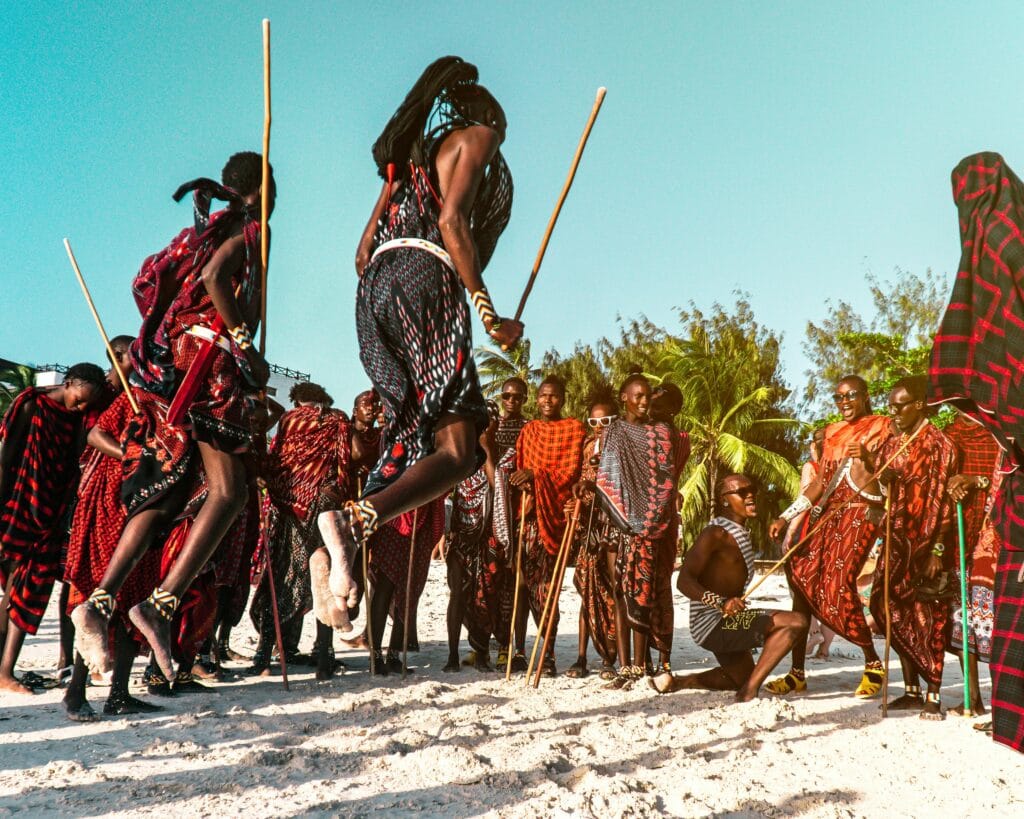
A captivating scene of Maasai warriors performing a traditional jumping dance on Nungwi Beach, Tanzania.

When to Visit Tanzania for Festivals: A Guide to Year-Round Cultural Celebrations

Tanzania is not only known for its spectacular wildlife and safari experiences but also for its vibrant festivals that celebrate the country’s diverse cultures, traditions, and arts. Whether you’re attending a lively music festival or participating in a traditional celebration, there’s always a reason to visit Tanzania. Here’s a guide to the best times to visit Tanzania for its most popular festivals. Customize your Adventure 1. Zanzibar International Film Festival (ZIFF) – July When to Visit: July What to Expect: Held annually in Zanzibar’s Stone Town, ZIFF is one of the most prestigious film festivals in East Africa. The festival showcases a wide range of African and international films, accompanied by live music performances, workshops, and art exhibitions. Why Visit: Experience the blend of Zanzibar’s cultural heritage with global cinema. Enjoy screenings under the stars in historic locations like the Old Fort. 2. Sauti za Busara – February When to Visit: February What to Expect: Held in Zanzibar’s Stone Town, this festival celebrates African music with performances by top artists from across the continent. Traditional taarab, Afrobeat, reggae, and more genres take the stage in this lively celebration. Why Visit: If you love music, culture, and tropical settings, this is an unmissable festival. After the festival, enjoy Zanzibar’s beaches and spice tours. 3. Ngorongoro Traditional Cultural Festival – August When to Visit: August What to Expect: A celebration of Maasai traditions and culture near the Ngorongoro Crater, one of the world’s most famous safari destinations. Expect vibrant displays of Maasai dance, songs, and ceremonies, as well as traditional Maasai clothing and arts. Why Visit: Combine cultural immersion with a safari experience in the Ngorongoro Crater or Serengeti National Park. 4. The Kilimanjaro Marathon – February/March When to Visit: February or March What to Expect: The Kilimanjaro Marathon is a premier sporting event attracting athletes from around the world. The race offers a unique way to experience Tanzania’s stunning landscapes, with the majestic Mount Kilimanjaro as a backdrop. Why Visit: Whether you’re a runner or a spectator, it’s a great time to visit the Kilimanjaro region and explore its local culture. Combine your visit with a climb to Mount Kilimanjaro or a safari in nearby parks like Amboseli National Park in Kenya. 5. Mwaka Kogwa Festival (Zanzibar) – July When to Visit: July What to Expect: The Mwaka Kogwa Festival in Zanzibar marks the Swahili New Year and is celebrated with song, dance, and traditional rituals. One of the highlights is the “fighting festival,” where men participate in mock fights to symbolically settle disputes. Why Visit: Experience Zanzibar’s unique cultural celebrations while exploring its rich history and natural beauty. Ideal for visitors who want to combine local culture with beach relaxation. 6. Wazaramo Cultural Festival – July When to Visit: July What to Expect: This festival celebrates the Wazaramo people, one of Tanzania’s ethnic groups, with vibrant music, dance, and food. Held in the coastal city of Dar es Salaam, the festival offers a deep dive into the traditions of the Wazaramo and other coastal tribes. Why Visit: If you’re in Dar es Salaam for a beach vacation or business trip, this is an excellent way to engage with local culture. Combine the festival with a safari to Selous Game Reserve or Mikumi National Park nearby. 7. The Nguvumali Festival – August When to Visit: August What to Expect: A festival celebrating the coastal cultures of Tanzania, with music, dance, and food. It showcases the traditions of coastal groups like the Zaramo, Chaga, and others. Why Visit: Combine the festival with a safari to the nearby Selous Game Reserve or Ruins of Kilwa Kisiwani, offering both cultural and wildlife experiences. 8. Mlimani Park Music Festival (Dar es Salaam) – December When to Visit: December What to Expect: A popular music festival in Dar es Salaam, featuring local and international music performances, live bands, and DJ sets. It’s a lively and energetic way to experience Tanzania’s dynamic music scene. Why Visit: Perfect for music lovers and those seeking a mix of urban excitement and cultural exploration. Combine with a safari to nearby parks like Mikumi or Ruins of Kilwa Kisiwani. Best Time to Visit Tanzania for Festivals Dry Season (June to October): Ideal for safaris, and many festivals occur during this period, including Sauti za Busara, Ngorongoro Traditional Cultural Festival, and the Kilimanjaro Marathon. Green Season (November to April): While this is the rainy season, festivals like ZIFF and Mwaka Kogwa take place during this time, and the lush landscape makes for beautiful sightseeing. Shoulder Seasons (March to May): Fewer tourists and affordable prices, but there are still smaller local festivals that can enrich your travel experience. Plan Your Festival and Safari Experience with Future African Safari Tanzania offers the perfect blend of cultural celebrations and wildlife adventures. Whether you’re attending a film festival in Zanzibar or experiencing Maasai traditions in Ngorongoro, let Future African Safari craft the ultimate itinerary for your trip. Contact us today to book your festival getaway in Tanzania! Customize your Adventure Kilimanjaro 3 tours Safari 9 tours Zanzibar 3 tours

When to Visit Tanzania for Festivals: A Guide to Year-Round Cultural Celebrations Read More »

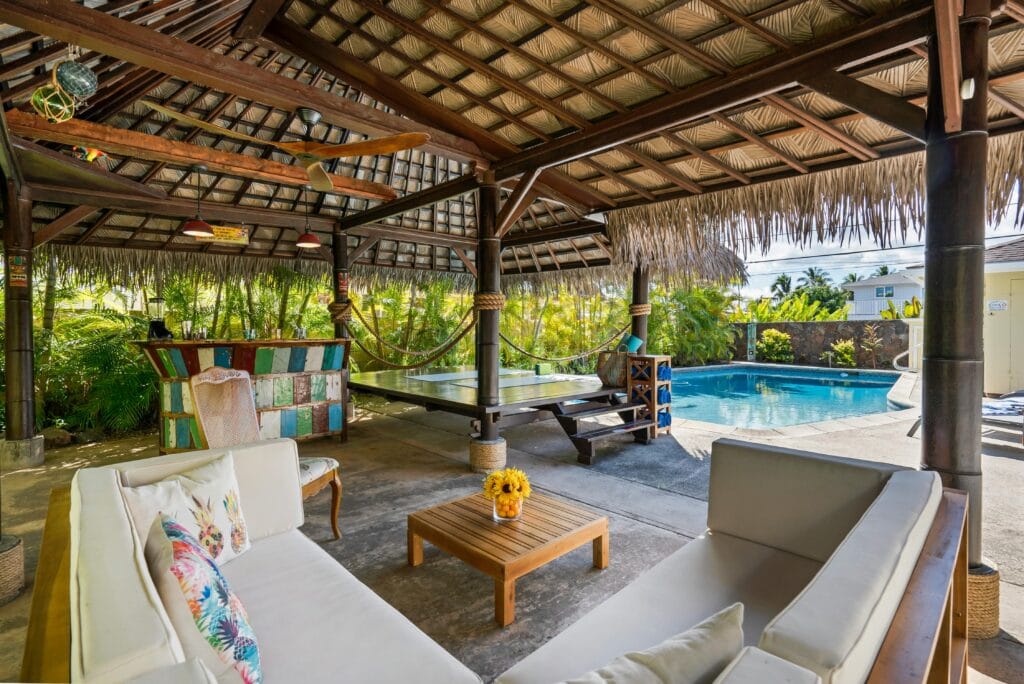
Tropical outdoor patio featuring a cabana, seating area, and swimming pool, perfect for luxury relaxation.

Private luxury safari in Ngorongoro

A private luxury safari in Ngorongoro Crater offers an exceptional opportunity to explore one of the world’s most unique wildlife destinations in ultimate comfort and style. Known as the “Eighth Wonder of the World,” Ngorongoro Crater is a UNESCO World Heritage site and a must-visit location for any safari enthusiast. With a private luxury safari, you can enjoy tailored experiences, exclusive accommodations, and personalized service, making this adventure truly unforgettable. Customize your Adventure Exclusive Accommodations in Ngorongoro Crater Ngorongoro Crater boasts a selection of luxury lodges and camps, offering an intimate and secluded experience for those seeking both adventure and comfort. The accommodations are designed to blend seamlessly with the natural surroundings, offering breathtaking views and exceptional service. Ngorongoro Crater Lodge: Located on the edge of the crater, this luxury lodge offers an unforgettable experience with panoramic views of the caldera. Its opulent interiors, exceptional service, and attention to detail make it one of the best places to stay in the region. Guests can enjoy fine dining, a luxurious spa, and personalized service while being surrounded by the beauty of the crater floor below. &Beyond Ngorongoro Crater Lodge: Known for its striking architecture and luxurious tented suites, this lodge offers a perfect blend of safari adventure and lavish amenities. Guests can enjoy personalized game drives, gourmet meals, and comfortable accommodations overlooking the crater’s expansive plains. The Manor at Ngorongoro: Situated in a private farm near the crater, The Manor offers luxury and privacy combined with a serene atmosphere. The colonial-style architecture, elegant rooms, and indulgent amenities provide a peaceful retreat after a day of safari exploration. Personalized Game Drives and Safari Experiences A private luxury safari in Ngorongoro Crater offers a fully customized itinerary that allows you to explore at your own pace. Whether it’s tracking the Big Five or capturing the perfect photograph, every aspect of your safari experience is tailored to your interests and preferences. Private Game Drives: With your own private guide and vehicle, you will explore the crater floor’s diverse ecosystems, from grassy plains to forests and lakes. This allows for a more flexible safari experience, with stops for wildlife sightings, photography, and even picnics in the wild. Game drives are often extended, ensuring you get the most out of your time in the crater. Guided Crater Walks: For a more intimate connection with nature, consider a guided walking safari on the crater rim, where you’ll learn about the flora, fauna, and geology of the region. Experienced guides will share their knowledge and help you spot wildlife from a new perspective. Birdwatching in Ngorongoro: The crater is also a birdwatcher’s paradise, with over 500 species of birds recorded in the area. With a private guide, you can explore some of the best birding spots and observe everything from flamingos at Lake Magadi to the vibrant lilac-breasted rollers and hornbills. Hot Air Balloon Safari: For a truly unforgettable experience, consider a hot air balloon ride over the crater. Take to the skies at dawn and enjoy the stunning aerial views of the caldera, where you may spot wildlife from above before landing for a champagne breakfast on the plains below. Gourmet Dining and Private Picnic Experiences One of the highlights of a private luxury safari in Ngorongoro is the exceptional dining experience. The exclusive lodges and camps offer gourmet meals with locally sourced ingredients and impeccable service. You can indulge in a variety of dining options: Al Fresco Dining: Enjoy a candlelit dinner under the stars or a private lunch with views of the crater, prepared by world-class chefs using fresh, local produce. Private Picnic in the Crater: After a thrilling game drive, you can enjoy a private picnic in a scenic location, complete with gourmet meals and refreshments. Relax and unwind while surrounded by the natural beauty of the crater. In-Room Dining: For those seeking ultimate privacy, many lodges offer in-room dining options. Whether you want a private breakfast on your balcony or a cozy dinner in your suite, the lodge staff will ensure your dining experience is nothing short of extraordinary. Spa and Wellness Services After a day of thrilling game drives, relax and rejuvenate with spa treatments designed to restore your energy. Many luxury lodges around Ngorongoro offer on-site spas where you can indulge in massages, facials, and other wellness therapies using natural, locally sourced ingredients. Wellness Facilities: Enjoy the tranquility of the crater while unwinding with a deep tissue massage, aromatherapy, or a rejuvenating facial. Some lodges even offer yoga and meditation sessions, allowing you to reconnect with nature and find peace amidst the wild landscapes. Private Transfers and In-Country Flights To make your luxury safari even more seamless, Future African Safari offers private transfers between Ngorongoro and other Tanzanian destinations, including Serengeti National Park and Zanzibar. Private charter flights can save you time and provide a scenic aerial view of Tanzania’s stunning landscapes, giving you a luxurious way to travel between destinations. Sustainable Luxury Safari Experience At Future African Safari, sustainability is a priority. Many of the luxury lodges in Ngorongoro are eco-friendly, incorporating sustainable practices such as solar power, waste reduction, and supporting local communities. By choosing a luxury safari package, you are contributing to the conservation of this pristine environment while experiencing the best of Tanzania’s wildlife. Tailored Safari Packages Whether you are celebrating a special occasion, enjoying a honeymoon, or simply looking for a once-in-a-lifetime adventure, Future African Safari offers bespoke luxury safari packages in Ngorongoro Crater. Our team of experts will craft a customized itinerary based on your interests, ensuring you have the safari experience of a lifetime. A private luxury safari in Ngorongoro promises an exceptional journey through one of the most awe-inspiring landscapes on Earth. With private game drives, exquisite accommodations, personalized services, and unforgettable wildlife encounters, your Ngorongoro safari with Future African Safari will be an experience you will cherish forever. Kilimanjaro 3 tours Safari 9 tours Zanzibar 3 tours

Private luxury safari in Ngorongoro Read More »

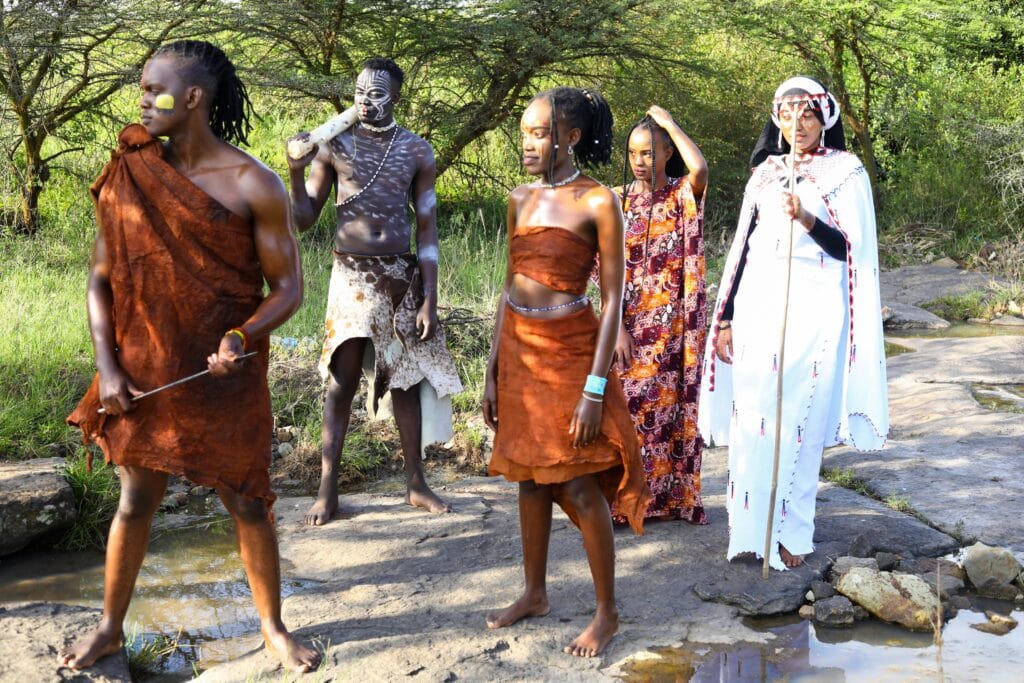
Five people in traditional African tribal attire outdoors, showcasing cultural heritage.

Cultural Festivals Near Safari Parks: Celebrate Africa’s Traditions While Immersed in the Wild

Combining a safari adventure with a cultural festival is a unique way to experience the vibrant traditions of Africa. Many festivals are held near iconic safari parks, offering the perfect blend of wildlife encounters and cultural immersion. Here’s a guide to some of the most captivating cultural festivals near Africa’s safari hotspots. Customize your Adventure 1. Sauti za Busara (Zanzibar, Tanzania) Safari Connection: Close to mainland Tanzania’s parks like Serengeti and Ngorongoro. What to Expect: One of Africa’s top music festivals, showcasing live performances from across the continent. Traditional taarab music, afrobeat, and dance-infused nights in historic Stone Town. Why Pair It with a Safari: Start with the vibrant festival and then head to the Serengeti for the Great Migration or Ngorongoro Crater for year-round wildlife action. 2. Maasai Cultural Festival (Arusha, Tanzania) Safari Connection: Near Serengeti, Ngorongoro, and Tarangire National Parks. What to Expect: A celebration of Maasai traditions, featuring dances, songs, and rituals. Art and craft exhibitions, showcasing beaded jewelry and clothing. Insights into the Maasai way of life, including cattle ceremonies and warrior displays. Why Pair It with a Safari: Combine this cultural experience with a big-game safari in Tanzania’s northern circuit. 3. Maralal International Camel Derby (Kenya) Safari Connection: Close to Samburu National Reserve. What to Expect: Camel racing, cultural dances, and traditional craft markets. Community-led events showcasing the heritage of Samburu and Turkana tribes. Why Pair It with a Safari: After the excitement of the derby, explore the Samburu Reserve for unique species like Grevy’s zebras and reticulated giraffes. 4. Lake Turkana Cultural Festival (Kenya) Safari Connection: Accessible from Samburu and Marsabit National Parks. What to Expect: Celebrates the rich traditions of over 14 ethnic groups in northern Kenya. Traditional music, dances, and storytelling by tribes like the Turkana and Rendille. Why Pair It with a Safari: Combine this cultural experience with wildlife safaris in Marsabit’s rugged landscapes. 5. Reed Dance (eSwatini – Swaziland) Safari Connection: Near Mkhaya and Hlane Royal National Parks. What to Expect: Thousands of young women gather to present reeds to the queen mother in a vibrant display of culture. Traditional Swazi dances, songs, and colorful costumes. Why Pair It with a Safari: Experience eSwatini’s big game, including rhinos and elephants, in the nearby parks. 6. Great Limpopo Cultural Fair (South Africa, Zimbabwe, Mozambique) Safari Connection: Near Kruger National Park. What to Expect: A tri-nation festival celebrating the traditions of communities across the Limpopo River. Art, music, and food from Shangaan and Tsonga cultures. Why Pair It with a Safari: Enjoy this vibrant cultural fair before heading to Kruger for the Big Five. 7. Timkat (Ethiopia) Safari Connection: Combine with Ethiopia’s Simien Mountains National Park or Bale Mountains. What to Expect: A colorful Orthodox Christian festival celebrating the baptism of Jesus. Processions with replicas of the Ark of the Covenant, singing, and traditional dances. Why Pair It with a Safari: After the festival, trek through Simien’s highlands to spot Ethiopian wolves and gelada monkeys. 8. Intwasa Arts Festival (Zimbabwe) Safari Connection: Close to Hwange National Park and Victoria Falls. What to Expect: A vibrant mix of music, dance, poetry, and visual arts in Bulawayo. Focuses on contemporary and traditional Zimbabwean culture. Why Pair It with a Safari: Transition from the city’s creative energy to Hwange’s elephant herds or the awe-inspiring Victoria Falls. Why Combine Festivals with Safaris? Cultural Depth: Festivals provide a deeper understanding of the local traditions, complementing the natural beauty of the parks. Unique Memories: From Maasai dances to camel races, these experiences add a personal and unforgettable touch to your trip. Convenient Locations: Many festivals occur near major safari destinations, making it easy to blend the two. Plan Your Cultural and Safari Adventure with Future African Safari Whether you want to witness the Maasai Festival before exploring the Serengeti or enjoy Sauti za Busara followed by a Zanzibar beach escape, Future African Safari can design the perfect itinerary for you. Contact us today to blend Africa’s cultural richness with its untamed wilderness! Kilimanjaro 3 tours Safari 9 tours Zanzibar 3 tours

Cultural Festivals Near Safari Parks: Celebrate Africa’s Traditions While Immersed in the Wild Read More »

A mother and daughter pack a suitcase on the bed, preparing for travel.

Packing tips for family safaris

Packing for a family safari in Tanzania can be an exciting, yet challenging task, as you need to balance comfort, safety, and adventure for both adults and children. Whether you’re heading to the Serengeti, Ngorongoro Crater, or Zanzibar, the right gear is essential for an enjoyable and stress-free safari experience. Here are some practical tips for packing for a family safari: Customize your Adventure 1. Clothing for Different Climates The key to packing for a safari is layering. Depending on the season and the region you’re visiting, the weather can vary widely. Neutral-colored Clothing: Opt for light-colored, breathable clothes in neutral colors like beige, brown, and khaki to help blend into the environment and avoid attracting insects. Avoid bright colors or black as they can attract mosquitoes or stand out in the wilderness. Comfortable Safari Wear: Long-sleeved shirts and trousers are essential for protection against sunburn and insect bites. For the kids, consider lightweight, moisture-wicking clothes to keep them cool and dry. Packing light, breathable fabrics such as cotton and linen will ensure comfort during long game drives. Layering Options: Even in tropical regions, mornings and evenings can be chilly. Pack a warm fleece or jacket for early morning game drives and evening activities. A lightweight rain jacket is also a good idea, especially if you are traveling during the rainy season (March to May). Hats and Sunglasses: A wide-brimmed hat for sun protection is a must, along with a good pair of sunglasses to protect your eyes from the glare of the sun. 2. Footwear for Safari Adventures Proper footwear is important, especially for game drives, nature walks, and hikes. Comfortable Shoes: Choose sturdy, comfortable shoes for walking safaris and nature walks. Sneakers or hiking boots are ideal for short walks or treks. Game Drive Shoes: You’ll spend a lot of time in a safari vehicle, so comfortable sandals or slip-on shoes for lounging or walking short distances at the campsites can come in handy. For Kids: Ensure that your children have comfortable, sturdy shoes, especially if you plan on doing nature walks or treks. Avoid flip-flops or sandals without straps, as these can be dangerous in uneven terrain. 3. Sun Protection Essentials The African sun can be intense, so it’s crucial to protect yourself and your family from sunburn. Sunscreen: Opt for a high SPF sunscreen (SPF 30 or higher) for both adults and children. Don’t forget to reapply frequently, especially after swimming or sweating. Insect Repellent: Mosquitoes can be prevalent in certain areas, particularly during the rainy season. A good insect repellent with DEET is essential, and you can also bring insect repellent wipes for easy application on the go. Lip Balm: A moisturizing lip balm with SPF protection will prevent chapped lips, which can happen quickly in the dry, hot climate. 4. Health and Safety Gear For family safaris, it’s essential to be well-prepared for any health needs. First Aid Kit: Pack a small first aid kit with essentials such as band-aids, antiseptic wipes, pain relievers, and any prescription medications your family may need. Be sure to include any medications required for malaria prevention (if recommended by your doctor). Motion Sickness Tablets: Some children and adults may experience motion sickness during long game drives on rough roads. It’s always good to have motion sickness medication on hand. Water Bottles: Staying hydrated is crucial in hot climates. Bring refillable water bottles for each family member, and ensure they are regularly topped up during your safari. Hand Sanitizer and Wipes: Having a hand sanitizer and wet wipes on hand for clean-ups during and after meals or game drives can help keep everyone feeling fresh. 5. Camera and Binoculars A safari offers incredible photo opportunities, so ensure your camera gear is ready. Camera: A digital camera with a zoom lens is ideal for capturing distant wildlife. If you’re into wildlife photography, consider bringing a telephoto lens. Don’t forget spare memory cards, extra batteries, and a charger. Binoculars: Binoculars are a must-have for all family members, especially children, as they’ll love spotting animals in the distance. Look for compact, high-quality binoculars that are easy to use and lightweight. 6. Personal Items and Entertainment for Kids Safari drives can be long, so it’s important to keep children entertained without taking up too much space in your luggage. Books, Games, and Activities: Pack lightweight books, travel-sized board games, or activity books to keep children entertained during downtime. You can also download some offline games or educational apps on a tablet or phone. Toys or Comfort Items: Familiar toys, stuffed animals, or a small blanket can help children feel more comfortable and secure, especially in new surroundings. 7. Travel Documents and Money Keep your important travel documents safe and accessible. Passports and Visas: Ensure all family members have valid passports with the required visas for entry into Tanzania. Travel Insurance: It’s wise to get comprehensive travel insurance for your safari that covers health, trip cancellations, and unexpected events. Cash and Cards: While many lodges accept credit cards, it’s always a good idea to carry some local currency (Tanzanian Shillings) for tips or small purchases. Avoid carrying large amounts of cash. 8. Luggage Tips When packing, try to keep luggage to a minimum, as safaris often require flying on small charter planes with weight limits for checked luggage. Soft Bags: Opt for soft-sided bags or duffel bags that are easier to pack in small spaces, rather than hard suitcases. Packing Cubes: Packing cubes can help keep your clothing and accessories organized, making it easier to find items during the trip. 9. Special Items for Safari Lodges and Camps Many safari lodges and camps provide luxurious amenities, but it’s always good to bring a few extras. Camera Gear Protection: Safaris involve some dust and rough conditions, so bring protective gear for your camera equipment, such as lens cleaning kits and waterproof bags. Rechargeable Batteries: Many safari lodges have limited electricity, so packing rechargeable batteries or a power bank can ensure your devices stay powered.

Packing tips for family safaris Read More »

Scroll to Top